
If you have recently welcomed a new baby and started noticing changes in your skin - dark patches, uneven texture, acne marks, or stretch marks - you are not alone. Researching microneedling while breastfeeding is one of the most common first steps new moms take when they want to feel like themselves again. But before you book that appointment, understanding microneedling aftercare and post-treatment care in the context of nursing is absolutely essential. This is not just about what happens during the procedure. It is about every serum, numbing cream, and recovery product that touches your freshly treated skin - and whether any of it could reach your baby through breast milk.
This guide lays out what is known, what is not established, and what a realistic decision-making process actually looks like. We are working with strict evidence boundaries because honest sourcing matters far more than confident-sounding claims.
📋 Scientific Sourcing Disclosure: The only peer-reviewed study authorized for direct claims in this article is Lindgren AL, Austin AH, Welsh KM, "The Use of Tranexamic Acid to Prevent and Treat Post-Inflammatory Hyperpigmentation," J Drugs Dermatol. 2021;20(3):344-345. This study covers tranexamic acid (TXA) for prevention and treatment of post-inflammatory hyperpigmentation (PIH). It does not cover microneedling safety during lactation, RF microneedling, PRP, exosomes, wound healing timelines, or topical anesthetic safety while nursing. Every section that falls outside this scope is clearly labeled as a clinician-discussion framework, not an evidence-based claim.
Don't guess your recovery. Download FREE Clinical Microneedling Protocol Here
What Is Microneedling and Why Do Postpartum Moms Want It?
Microneedling, sometimes called collagen induction therapy, uses a device fitted with fine needles to create tiny controlled micro-injuries across the skin's surface. The idea is straightforward - your body's natural repair response kicks in, and over time, the skin may appear smoother, more even, and refreshed. People seek microneedling for acne scars, uneven skin tone, fine lines, stretch marks, and overall texture improvement.
There is an important distinction between cosmetic microneedling - which uses shallower needle depths, often with at-home roller devices - and medical-grade microneedling performed in a clinical setting at greater depths by a trained provider. The postpartum period brings a wave of skin changes that many new parents find distressing. Dark patches resembling melasma, hormonal acne flares, and stretch marks are among the top reasons breastfeeding moms begin researching treatment options.
⚠️ Evidence Gap Disclosure: The mechanism, efficacy, and safety of microneedling are not addressed by the authorized study. This section is definitional context only.
The Emotional Context - Why This Decision Feels So Urgent
Before we dive into safety specifics, let us acknowledge something important. The pressure to "bounce back" after having a baby is real and culturally reinforced from every angle. Wanting to address skin concerns postpartum is not vanity. It is often deeply connected to identity, confidence, and mental health during a period of enormous physical and emotional change.
Hormonal shifts, sleep deprivation, and the physical demands of nursing can make skin concerns feel more urgent and more distressing than they might at any other life stage. That urgency can push us toward faster decisions - and faster decisions are not always better-informed decisions. This article exists to slow the process down just enough to make it a genuinely good one. You deserve both great skin and complete peace of mind about your baby's safety. 💛
Pigment Risk After Procedures - PIH as the Core Evidence-Based Concern
Here is where we can speak with actual cited evidence. When skin is injured or inflamed - whether from a cosmetic procedure, an acne breakout, a burn, or even friction - some people develop darkened patches at the affected site. This is called post-inflammatory hyperpigmentation, or PIH. It is a recognized clinical outcome that dermatologists actively work to prevent, particularly in patients with deeper skin tones or a history of pigment changes (Lindgren et al., 2021).
The case report by Lindgren and colleagues (2021) specifically discusses the use of tranexamic acid (TXA) to both prevent and treat PIH. This positions TXA as a meaningful part of the dermatologic conversation around managing dark marks after skin injury or inflammation. However, this is a case report - not a large-scale randomized controlled trial - so it supports that TXA is being used in this context, but does not establish broad treatment guidelines (Lindgren et al., 2021).
For breastfeeding patients, the critical question is not only "is the procedure safe?" but also "if PIH develops afterward, what is the treatment plan, and is that plan compatible with nursing?" TXA comes in oral, topical, and injectable forms. The authorized study does not specify which form is appropriate during lactation. Never assume topical automatically means safe while nursing. Ask your provider directly.

Can I Do Microneedling While Breastfeeding?
This is the question at the heart of everything, and the honest answer is this - there is no peer-reviewed clinical trial that has specifically studied microneedling safety during breastfeeding. That does not automatically mean it is dangerous. It means the data simply does not exist yet to make a definitive claim either way.
What we do know is that microneedling involves creating open channels in the skin, and whatever is applied to that skin - serums, hyaluronic acid, growth factors, numbing creams - has an enhanced pathway for absorption. During breastfeeding, many providers exercise extra caution because systemic absorption of any topical product raises questions about potential transfer into breast milk. The concern is less about the needles themselves and more about what goes on the skin before, during, and after the procedure.
⚠️ Evidence Gap Disclosure: No lactation-specific microneedling safety data exists in the authorized source. This section is a clinician-discussion framework.
Can I Do RF Microneedling?
Radiofrequency (RF) microneedling combines traditional microneedling with radiofrequency energy delivered through the needle tips to generate heat in the deeper layers of the skin. It is marketed for skin tightening, scarring, and texture concerns. The same evidence gap that applies to standard microneedling applies here - there is no published clinical data on RF microneedling safety during lactation.
RF microneedling may involve different topical protocols and potentially different post-procedure products than standard microneedling. Each added variable is another ingredient to evaluate for nursing compatibility. If you are considering RF microneedling while breastfeeding, bring a full list of every product in the provider's protocol to your OB-GYN or lactation consultant before your appointment.
Can You Do PRP Microneedling While Breastfeeding
PRP, or platelet-rich plasma, microneedling uses your own blood - drawn, centrifuged, and separated - to create a concentrated plasma that is applied to the skin during or after microneedling. Because PRP comes from your own body, some providers consider it a lower-risk option. However, "lower risk" is not the same as "studied and confirmed safe during breastfeeding."
No clinical trials have evaluated PRP microneedling outcomes or safety in lactating patients. The procedure also typically involves a blood draw and additional processing steps, which means more variables and more questions to ask your care team.
Why Can't You Get Microneedling While Breastfeeding?
The word "can't" is a bit misleading. It is not that there is a universal clinical ban on microneedling while breastfeeding. Rather, many providers choose to defer elective cosmetic procedures during lactation because the safety data does not exist to support proceeding with confidence. Medicine operates on a precautionary principle - when the stakes involve a nursing infant and the benefit is cosmetic rather than medically necessary, most clinicians err on the side of waiting.
The specific concerns typically center around three areas. First, topical numbing creams containing lidocaine and their potential for systemic absorption through micro-channeled skin. Second, active serums applied during or after treatment - retinol, hydroquinone, certain peptides - that may have unknown lactation transfer profiles. Third, if post-inflammatory hyperpigmentation develops, the treatment options (including TXA in its various forms) may need to be evaluated for breastfeeding compatibility (Lindgren et al., 2021).
Is Microneedling Safe While Breastfeeding?
Safety, in clinical terms, means the risks have been studied, quantified, and deemed acceptable. By that standard, we cannot call microneedling "safe" during breastfeeding - because the studies have not been done. We also cannot call it "unsafe" for the same reason. What we can say is that informed consent requires understanding this evidence gap, and a good provider will explain it to you honestly rather than offering blanket reassurance.
Your best path forward → Have a direct conversation with both your dermatologist and your OB-GYN or midwife. Bring this article's evidence table with you if it helps. The goal is a collaborative decision, not a rushed one.
Topical Numbing Creams and Lidocaine Concerns While Nursing
This deserves its own discussion because it is one of the top searched concerns among breastfeeding patients considering microneedling. Most in-office microneedling treatments begin with a topical numbing cream, often containing lidocaine. Under normal circumstances, lidocaine applied to intact skin has limited systemic absorption. But microneedling creates thousands of micro-channels specifically designed to increase absorption. That changes the equation.
No data in the authorized source addresses lidocaine transfer during lactation via micro-channeled skin. This is a question for your prescribing provider and your pediatrician together. Do not skip this conversation.
Serums and Products to Avoid After Microneedling While Breastfeeding
If you and your care team decide to proceed with microneedling during lactation, aftercare product selection becomes the most critical safety conversation. Post-microneedling skin is essentially an open delivery system. Common post-procedure ingredients include hyaluronic acid, vitamin C, retinol, growth factors, peptides, and hydroquinone. Some of these - particularly retinol and hydroquinone - are already flagged by most OB-GYNs as ingredients to avoid during pregnancy and breastfeeding.
Ask your provider for a complete written list of every product in their microneedling protocol, including the aftercare regimen. Take that list to your OB-GYN. Do not rely on verbal assurances that something is "probably fine." ✅
Microneedling Facial While Breastfeeding
A microneedling facial typically refers to a lighter, cosmetic-grade treatment focused on the face - often at shallower needle depths and paired with hydrating serums. While it may sound gentler than medical-grade microneedling, the same fundamental concerns apply. Open channels mean enhanced absorption. Every product used is a variable. And the absence of lactation safety data does not change based on needle depth.
Microneedling Stretch Marks While Breastfeeding
Stretch marks on the abdomen, hips, and breasts are among the most common postpartum skin concerns driving people toward microneedling. Treating stretch marks typically involves deeper needle depths and multiple sessions, which means more cumulative exposure to whatever topical products are part of the protocol. The body areas involved - particularly the breasts - add another layer of consideration for nursing mothers. Discuss placement-specific concerns with your provider.
Microneedling While Nursing
"Microneedling while nursing" and "microneedling while breastfeeding" are often used interchangeably, but this section is for readers in the active daily nursing phase - pumping, latching, and feeding around the clock. The practical reality matters here. You will need to consider timing. If any products in the protocol are flagged as potentially concerning, your provider may suggest a buffer period. Some patients ask about "pump and dump" strategies, but without data on specific transfer rates for specific ingredients through micro-channeled skin, there is no evidence-based pumping protocol to recommend.
When Do Most Providers Green-Light Cosmetic Procedures Postpartum?
Clinic policies vary significantly. Some providers will perform cosmetic microneedling once a patient is medically cleared postpartum, often around 6-12 weeks for uncomplicated deliveries. Others defer all elective procedures until breastfeeding has concluded entirely. There is no universal clinical standard.
📝 Questions to ask your provider about timing →
Does your clinic have a standard waiting period after delivery? Does the policy change based on whether I am actively breastfeeding? Are there specific topicals in your protocol contraindicated during lactation? If I develop PIH after treatment, what is the plan, and is it compatible with nursing?
Safer Alternatives to Consider While Breastfeeding
If you and your provider decide to wait on microneedling, you are not without options. Gentle chemical-free facials, LED light therapy, and basic hydrating skincare routines are commonly considered lower-concern options during lactation. Always confirm individual product safety with your OB-GYN. The goal is to care for your skin without introducing unnecessary uncertainty during this temporary season of nursing. You will get to do all the treatments eventually. 🌿
Frequently Asked Questions
Can microneedling affect milk supply?
There is no published evidence linking microneedling to changes in breast milk supply. However, stress, pain, and certain medications used during or after the procedure could theoretically have indirect effects. Discuss concerns with your lactation consultant.
Do I need to pump and dump after microneedling?
There is no evidence-based pump-and-dump protocol specific to microneedling. Without data on how specific topical ingredients absorb through micro-channeled skin and transfer into breast milk, no provider can give you a research-backed answer. Ask your OB-GYN about the specific products used.
How long after breastfeeding stops can I get microneedling?
Most providers will proceed with microneedling once you have fully weaned and are no longer producing breast milk. Some suggest waiting an additional 2-4 weeks after weaning, but timelines vary by clinic and are not standardized in clinical literature.
What is post-inflammatory hyperpigmentation and why should I care?
PIH is skin darkening that occurs after inflammation or injury. It is a clinically recognized concern that dermatologists actively work to prevent and treat, sometimes using tranexamic acid (Lindgren et al., 2021). If you are prone to dark marks, ask your provider about a PIH prevention plan before any procedure.
Is tranexamic acid safe while breastfeeding?
Tranexamic acid has been reported for PIH prevention and treatment in dermatology (Lindgren et al., 2021). However, the authorized study does not address its safety during lactation. Consult your OB-GYN before using TXA in any form while nursing.
Can I use at-home microneedling devices while breastfeeding?
At-home derma rollers use shallower needles but still create micro-channels that enhance product absorption. The same caution about topical ingredient safety during breastfeeding applies regardless of needle depth or setting.
References
Lindgren AL, Austin AH, Welsh KM. The Use of Tranexamic Acid to Prevent and Treat Post-Inflammatory Hyperpigmentation. J Drugs Dermatol. 2021;20(3):344-345. doi:10.36849/JDD.5622. PubMed PMID: 33683077.

The first week
Everything in this guide, in two products
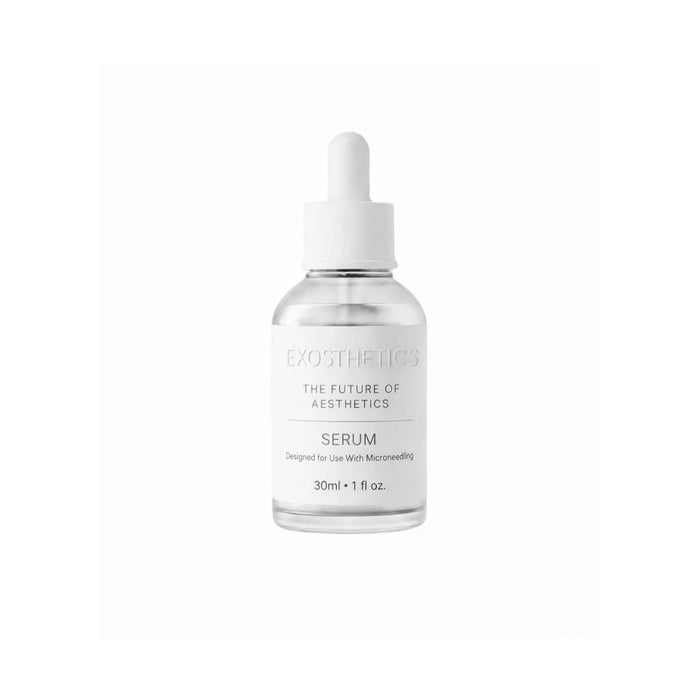
Exosome Serum for the night of. 72-Hour+ Cream from day three. $99 together — and you can add Ceramide Repair, the day-7 step, for $35 instead of $49.
See the Kit — $99