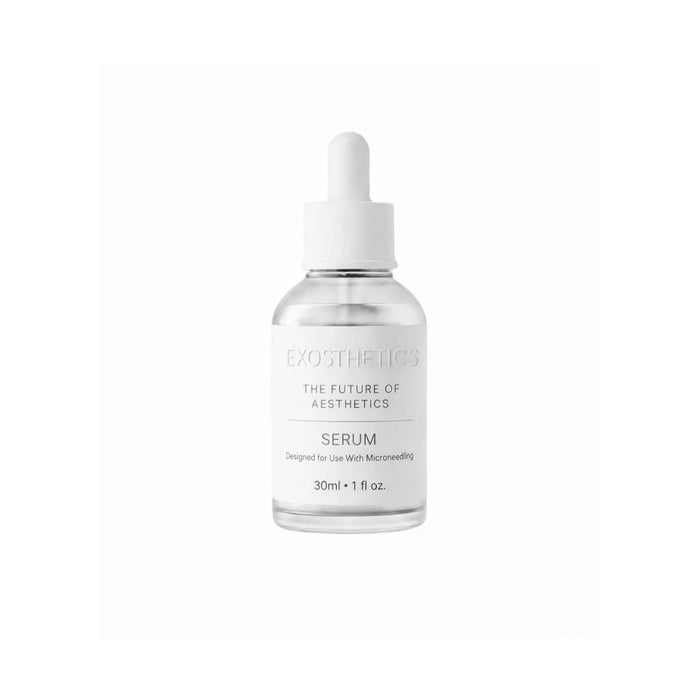

You have done the procedure - or you are days away from it. Either way, you are here because you want honest answers about the real advantages of microneedling, what your skin should look like right now, and how to protect every dollar you invested in your results. This guide is built around your experience as a patient, with dedicated focus on post-treatment care, practical microneedling aftercare, and how advanced delivery systems - including microneedle patches and topical biologics - can support your skin during recovery and beyond.
Here is what makes this guide different: every scientific claim is sourced from peer-reviewed research published in 2025-2026. Where the evidence is strong, we tell you exactly what it supports. Where gaps exist, we say so directly - because you deserve transparency, not marketing dressed up as science.
Don't guess your recovery. Download FREE Clinical Microneedling Protocol Here
Your Skin Right Now - What Is Happening Post-Procedure
Why Your Skin Is More Receptive in the First 24 to 72 Hours
If you have just had microneedling done, your skin is in a unique state. The procedure created thousands of microscopic channels through your stratum corneum - the tough, outermost layer that normally acts as a gatekeeper, blocking most of what you apply from actually penetrating. Right now, that gatekeeper is temporarily standing aside.
This is not speculation. It is the foundational mechanism behind an entire field of transdermal delivery research. Microneedles physically bypass the stratum corneum to create direct pathways into deeper skin layers, enabling compounds that would normally sit uselessly on the surface to reach their intended targets (Cai et al., 2026). Recent research evaluating PMVE/MA-based microneedle patches confirmed that these microchannel systems can facilitate rapid transdermal delivery of specific compounds - in their study, vitamin B12 - through the skin barrier at rates that intact skin simply cannot match (Saurabh et al., 2026).
What does this mean for you practically? During this open-channel window, every product you apply to your skin has a significantly greater chance of reaching deeper layers. That is both an extraordinary opportunity and a serious responsibility. The right recovery serum, applied at the right time, works harder for you than it ever could on intact skin. The wrong product - something irritating, contaminated, or simply not designed for compromised skin - can cause damage that would not occur under normal circumstances.
Normal vs. Not Normal - A Visual Expectations Guide
One of the biggest sources of post-procedure anxiety is not knowing whether what you see in the mirror is part of the healing process or a sign that something has gone wrong. Here is a straightforward framework based on general clinical expectations for microneedling recovery. Safety and tolerability considerations for microneedling procedures have been discussed in the dermatological literature, including reviews of adjunctive microneedling with tranexamic acid (Dhaliwal et al., 2026).
✅ Normal in the first 24 to 48 hours: Redness similar to a mild sunburn. Mild swelling, particularly around the eyes and forehead. Skin that feels tight, warm, or dry. Pinpoint bleeding during the procedure itself that has since resolved. Mild sensitivity when you touch your face.
🚩 Contact your provider if you notice: Redness that intensifies or spreads after 72 hours rather than fading. Swelling accompanied by heat or throbbing pain. Oozing, crusting, or pustule formation. Any bleeding that resumes after the procedure. Fever or any systemic symptoms like chills or malaise.
This framework reflects general clinical guidance. Individual responses vary based on needle depth, treatment area, skin type, and the specific protocol your provider used. When in doubt, a quick call or photo sent to your provider's office is always the right move.

What This Article's Evidence Actually Supports - A Scope Note
Before we go deeper, let us be completely transparent about what the scientific sources behind this article do and do not cover. This matters because the microneedling space is flooded with claims that outrun the evidence, and you deserve to know exactly where you stand.
What the cited studies directly support → Microneedle technology as a platform for transdermal delivery of active compounds across the skin barrier (Cai et al., 2026; Saurabh et al., 2026). Responsive and "smart" delivery system design for therapeutic applications (Cai et al., 2026). Adjunctive microneedling with tranexamic acid for melasma treatment, reviewed for effectiveness, tolerability, and safety (Dhaliwal et al., 2026). Microneedle-based biosensing and biomarker monitoring through interstitial fluid sampling (Yuan et al., 2026). Broad point-of-care testing applications using microneedle platforms (Ding et al., 2025).
What the cited studies do not directly support → Specific cosmetic outcome percentages such as wrinkle depth reduction, acne scar grading improvements, or pore size measurements. PRP combination protocol outcomes. RF microneedling results. Exosome efficacy data. Salmon DNA or PDRN results. Home-use 0.25 mm regimen outcomes. Periocular or eyebrow-specific treatment results.
What this means for you → Where we have strong evidence, we cite it. Where we do not, we tell you honestly - and we tell you what questions to ask your provider instead. A brand that is willing to show you the boundaries of its evidence is a brand that respects your intelligence.
What Is Microneedling and How It Works?
How Microneedles Bypass the Stratum Corneum
At its core, microneedling is elegantly simple. Micro-scale projections - tiny needles ranging from fractions of a millimeter to a few millimeters in length - create temporary channels through your skin's outermost barrier. Think of your stratum corneum as a tightly woven fabric. Microneedles create precise, controlled openings in that fabric so that therapeutic or cosmetic compounds can pass through to the layers beneath where they can actually influence cellular activity.
This barrier-bypass mechanism is the foundation for multiple branches of microneedle technology. Cai et al. (2026) describe the rational design of microneedle systems for responsive transdermal cargo delivery, demonstrating that these micro-scale devices can be engineered to carry and release complex biological compounds. Yuan et al. (2026) show the technology works bidirectionally - microneedle-based electrochemical biosensors can sample interstitial fluid through the skin for biomarker monitoring, proving these tiny devices can both deliver into and extract from the body. Ding et al. (2025) reviewed the broader landscape of microneedle applications in point-of-care testing, further validating the platform's versatility across medical contexts.
It is important to distinguish three contexts in which microneedle technology operates: cosmetic microneedling procedures using pen or roller devices performed in clinical settings, microneedle patch delivery systems designed to release specific compounds through the skin, and microneedle biosensors built for diagnostic monitoring. The cited evidence in this article primarily supports categories two and three, with one review covering adjunct procedural microneedling for melasma (Dhaliwal et al., 2026).
Why This Matters for Your Recovery Products
Here is the connection that most microneedling guides miss entirely. The same barrier-bypass mechanism that makes the procedure effective is also the reason your post-procedure product choices carry outsized importance. Your microchannels are open. Your skin is primed for absorption. Research on microneedle patch delivery systems confirms that formulated compounds achieve meaningful transdermal delivery through microneedle-created channels at rates that intact skin cannot replicate (Saurabh et al., 2026).
This is why your dermatologist or aesthetician gives you a specific list of approved recovery products - and an equally specific list of what to avoid. It is not arbitrary. It is pharmacokinetics applied to your face.
Microneedling Technologies at a Glance
Understanding the different types of microneedle technology helps you make sense of what the research actually shows - and where your specific treatment fits within the broader landscape.
Microneedle Patches → Pre-formed arrays applied like a bandage to deliver compounds across the skin. Research demonstrates feasibility of rapid transdermal B12 delivery, validating that patch-based delivery across micro-channeled skin works effectively (Saurabh et al., 2026).
Therapeutic Microneedles → Engineered systems designed to deliver drug or immune cargo for disease treatment. Research explores responsive delivery concepts for melanoma therapy, showing microneedles can carry complex biological cargo with intelligent release mechanisms (Cai et al., 2026).
Microneedling Plus Tranexamic Acid → Procedural microneedling combined with TXA for melasma. This adjunct approach has been reviewed for effectiveness, tolerability, and safety, demonstrating that combining microneedling with specific active compounds has a legitimate research basis (Dhaliwal et al., 2026).
Microneedle Biosensors → Sensors that sample interstitial fluid through the skin for minimally invasive biomarker monitoring. This shows microneedle technology works bidirectionally - both for delivery and for sensing (Yuan et al., 2026).
POCT Microneedles → Point-of-care diagnostic applications with a broad testing landscape, validating the microneedle platform across diverse medical and clinical contexts (Ding et al., 2025).
Advantages And Disadvantages of Microneedling
The Advantages - What the Science Actually Supports
1. Enhanced delivery of active compounds across the skin barrier. This is the fundamental, most robustly supported advantage. Microneedles create a direct pathway for compounds that would otherwise remain on the skin surface. This applies to both patch-based delivery systems and the post-procedure topical application window after cosmetic microneedling. The principle has been validated across multiple formulation types and delivery contexts (Cai et al., 2026; Saurabh et al., 2026).
2. Potential for smart, responsive delivery. Cutting-edge research is developing microneedle systems that do not just passively release their cargo - they respond to specific biological triggers in the skin environment, releasing therapeutic compounds when and where they are needed most. While this is primarily relevant to therapeutic applications like melanoma treatment, the design principles inform next-generation cosmetic delivery systems (Cai et al., 2026).
3. Minimally invasive compared to injections. For delivery applications, microneedles offer a significantly less invasive route than hypodermic needles while still achieving meaningful penetration past the skin barrier. This translates to less pain, less tissue disruption, and faster recovery compared to deeper interventional approaches (Cai et al., 2026; Saurabh et al., 2026).
4. Biomarker monitoring without blood draws. Microneedle biosensors can sample interstitial fluid for health markers through the skin, opening possibilities for painless, continuous health monitoring. While not directly a cosmetic advantage, this demonstrates the broader medical validity of the microneedle platform (Yuan et al., 2026).
5. Demonstrated adjunct treatment potential for specific conditions. Microneedling combined with tranexamic acid for melasma has been reviewed with attention to effectiveness, tolerability, and safety - providing condition-specific evidence for at least one important dermatological indication (Dhaliwal et al., 2026).
The Disadvantages and Limitations - Honest Framing
1. Cosmetic outcome data is indication-specific. The studies cited here address melasma as an adjunct treatment, delivery technology as a platform, and biosensing for monitoring. They do not prove specific percentages of wrinkle reduction, acne scar improvement, or pore minimization. Those claims require separate cosmetic dermatology trials with standardized outcome measures. If your provider quotes specific numbers, ask them to share the studies those numbers come from.
2. Results depend heavily on device type, cargo, and indication. A microneedle patch delivering vitamin B12 and an in-office cosmetic microneedling session with a motorized pen device are fundamentally different interventions with different evidence bases, different risk profiles, and different expected outcomes. Treat them as distinct treatments, not interchangeable applications of the same technology (Cai et al., 2026; Saurabh et al., 2026).
3. Recovery requires active management. The same channel-opening mechanism that enables enhanced delivery also creates temporary vulnerability in your skin barrier. Improper aftercare, contaminated products, premature sun exposure, or aggressive active ingredients applied too early can compromise outcomes and potentially cause harm. Recovery is not passive - it is an active part of your treatment (Dhaliwal et al., 2026).
⚠️ When to contact your provider: Redness or swelling worsening beyond 72 hours. Signs of infection including warmth, pus, or fever. Unusual or escalating pain. Any allergic reaction to a post-procedure product. This is framed as standard clinical caution - specific incidence rates were not reported in the provided source set.

Microneedling Aftercare and Post-Treatment Recovery Protocol
The Science Behind Why Aftercare Determines Your Results
Let us be direct: your aftercare protocol is not a suggestion. It is arguably the most controllable variable in your entire microneedling outcome. Your microchannels are open. Transdermal delivery rates are elevated. Research on microneedle patch systems confirms that formulated compounds achieve meaningful delivery through microneedle-created channels - meaning your post-procedure serums are not just sitting decoratively on the surface. They are reaching deeper skin layers where they can actually influence your recovery (Saurabh et al., 2026).
The design principles behind responsive microneedle cargo delivery further support this concept. When microneedle systems are engineered to interact with the biological environment beneath the stratum corneum, the cargo they carry can engage with cellular processes at a level that surface-applied products simply cannot achieve on intact skin (Cai et al., 2026).
Your Post-Procedure Do and Do Not Framework
✅ Do: Apply only provider-approved recovery products to clean skin. Use gentle, hydrating formulations specifically designed for compromised skin barriers. Protect from UV exposure rigorously - a physical barrier like a wide-brimmed hat is preferred in the first 24 hours, with broad-spectrum SPF applied consistently ongoing. Keep skin hydrated throughout recovery since the barrier is temporarily impaired. Follow your provider's specific timeline for reintroducing active serums, including exosome-based or growth-factor recovery products if they were recommended as part of your protocol.
🚫 Do not: Apply makeup, retinoids, AHAs, BHAs, or vitamin C serums until your provider explicitly clears you. Touch your face with unwashed hands. Exercise intensely until cleared - sweat combined with open channels creates irritation and contamination risk. Use fragranced products, physical scrubs, or any exfoliating agents. Expose treated skin to direct sun, saunas, steam rooms, or chlorinated pools.
The tolerability and safety considerations for microneedling procedures have been addressed in clinical reviews, emphasizing that management of the post-procedure period directly impacts treatment outcomes and complication risk (Dhaliwal et al., 2026). Time-bound recommendations - such as specific hour or day counts for reintroducing particular products - should come from your individual provider based on your treatment depth and skin response.
Related: Is microneedling worth it
Where Exosome Recovery Products Fit in Your Aftercare
Exosome-based serums and microneedling recovery serums are designed to be applied to skin with enhanced permeability - exactly the state your skin is in after microneedling. The transdermal delivery principle underlying this approach is well supported. Microneedle-created channels allow compounds to penetrate beyond the stratum corneum and reach target layers where cellular recovery processes are active (Saurabh et al., 2026; Cai et al., 2026).
Here is the transparency that matters: the specific studies cited in this article do not evaluate exosome formulations. The delivery mechanism - enhanced transdermal absorption through microchannels - is supported by the evidence. The specific biological effects of exosomes applied post-microneedling require dedicated clinical trials to confirm. This is not a weakness in the product concept. It is an honest accounting of where the science stands. The delivery pathway is validated. The application of that pathway to exosome recovery is a logical extension that ongoing research will continue to clarify.
Advantages of Microneedling On Face
Facial microneedling remains the most common cosmetic application of this technology, and for good reason. Facial skin is thinner than skin on most body areas, which means the microchannel creation process can be effective at relatively shallow depths. This translates to potentially faster visible response during recovery - but also higher sensitivity and a greater need for careful aftercare.
What the evidence supports for facial application specifically: microneedle systems can facilitate delivery of active compounds across facial skin when formulated for that purpose (Saurabh et al., 2026; Cai et al., 2026). The adjunct use of microneedling with tranexamic acid has been reviewed specifically for facial melasma, a pigmentation condition that disproportionately affects the face, with attention to both effectiveness and tolerability (Dhaliwal et al., 2026).
For other facial cosmetic outcomes - fine line reduction, texture improvement, pore appearance, general skin rejuvenation - the evidence must come from cosmetic dermatology trials specific to those endpoints. Your provider should be able to share what supports their recommended facial protocol. If they cannot, that is valuable information in itself.
Advantages of Derma Roller On Face
Derma rollers are among the most recognized and accessible microneedling devices, using a cylindrical drum studded with fine needles that roll across the skin surface. The core mechanism remains the same - creating microchannels through the stratum corneum to enable enhanced penetration of topical compounds.
The advantage of derma roller technology on the face lies in its simplicity and the established understanding of the barrier-bypass mechanism it employs. The transdermal delivery principles validated in microneedle research apply to any device that successfully creates temporary channels through the skin's outer layer (Cai et al., 2026). However, it is worth noting that derma rollers create channels at an angle due to the rolling motion, which differs from the perpendicular entry of stamp-type or motorized pen devices. The clinical significance of this difference for cosmetic outcomes is a question for your provider.
Specific cosmetic outcome data for derma roller devices on the face was not evaluated in the studies cited here. Product quality, needle sharpness, hygiene protocols, and user technique all significantly influence both safety and results - particularly with at-home devices where clinical oversight is absent.
Advantages of Microneedle Patches
Microneedle patches represent one of the most exciting and well-studied branches of this technology. Unlike procedural microneedling that creates channels for separate topical products to enter, microneedle patches combine the channel-creation and the delivery into a single, integrated system. The needles themselves are often made from dissolvable materials that carry the active compound within their structure - so the cargo is delivered as the microneedles dissolve in the skin.
Saurabh et al. (2026) evaluated PMVE/MA-based microneedle patches specifically designed for rapid transdermal delivery of vitamin B12. Their fabrication and evaluation research demonstrated that these patch systems can achieve meaningful transdermal delivery through the skin barrier - validating the concept that a self-contained patch can serve as an effective delivery vehicle for specific compounds.
For post-microneedling recovery, the patch format offers practical advantages. Application is standardized, reducing user error. The contact between the delivery system and the skin is sustained and controlled. And the technology translates the same stratum corneum bypass principle into a format that patients can apply at home with minimal training, following provider guidance.
Advantages of Microneedling Before And After
The before-and-after comparison is where most patients look for validation - and it is also where expectations need the most careful management. The visual transformation you see in your own mirror over the days and weeks following treatment reflects the combined effects of the controlled micro-injury, your body's healing response, and the efficacy of whatever recovery products you applied during the open-channel window.
What the evidence framework supports: the delivery enhancement from microneedle-created channels is real and measurable (Saurabh et al., 2026). The principle that combining microneedling with specific active agents - such as tranexamic acid for melasma - can produce clinically reviewed outcomes is also established (Dhaliwal et al., 2026). Your before-and-after results will therefore be influenced by what was delivered through those channels just as much as by the channels themselves.
What the evidence cannot tell you from this source set: specific percentages of improvement in wrinkle depth, scar appearance, or skin texture scores. Before-and-after photographs should be taken under consistent lighting and conditions, and realistic timelines for visible change should be discussed with your provider before treatment - not after, when anxiety about results can distort perception.
Benefits of Microneedling And Exosomes
The combination of microneedling with exosome-based products is one of the most discussed protocols in aesthetic medicine right now. The logic is compelling and grounded in sound delivery science: microneedling opens the channels, and exosome-based microneedling serums - applied immediately after - take advantage of the enhanced permeability to deliver their biological cargo deeper into the skin than surface application alone could achieve.
The delivery mechanism side of this equation is supported by the literature. Microneedle-created channels provide a validated pathway for transdermal delivery of formulated compounds (Saurabh et al., 2026), and the broader field of microneedle cargo delivery demonstrates that these systems can transport complex biological materials across the skin barrier (Cai et al., 2026).
Advantages Of Microneedling With PRP
Platelet-rich plasma combined with microneedling - often marketed as the "vampire facial" - follows the same delivery logic as other combination protocols. PRP is derived from your own blood, concentrated to increase platelet density, and applied to the skin during or immediately after microneedling to take advantage of the open microchannel window.
The transdermal delivery principle supporting this approach is validated: microneedle-created channels enable compounds to bypass the stratum corneum and reach deeper skin layers (Cai et al., 2026; Saurabh et al., 2026). However, specific clinical outcome data for microneedling combined with PRP was not evaluated in the studies cited in this article. PRP outcomes - including optimal platelet concentration, spin protocols, and condition-specific efficacy - require their own body of evidence. Ask your provider to share the specific studies that support their PRP microneedling protocol for your particular skin concern.
Advantages of RF Microneedling
Radiofrequency microneedling combines traditional microneedling with RF energy delivered through the needle tips into the dermal layer. The theoretical advantage is dual-mechanism treatment: the physical micro-injury from the needles plus thermal energy from the RF, targeting deeper structural components of the skin.
The microneedle platform's ability to access sub-epidermal layers is well established in the transdermal delivery literature (Cai et al., 2026). However, RF microneedling as a specific modality was not evaluated in the studies cited here. The addition of radiofrequency energy changes the treatment's mechanism, risk profile, recovery timeline, and expected outcomes in ways that require RF-specific clinical evidence. If your provider recommends RF microneedling, ask for the studies that support it for your specific indication - and understand that it is a distinct treatment from standard microneedling, not simply an upgraded version.
What Are The Permanent Benefits Of Microneedling?
This is one of the most commonly asked questions - and it requires an honest, nuanced answer. The concept of "permanent" benefits from any skin treatment must be weighed against the reality that skin is a living, aging organ. It does not stop changing because you had a procedure.
What can be said with scientific grounding: microneedling creates controlled micro-injuries that trigger the body's wound healing cascade, which includes collagen remodeling processes. The extent and durability of that remodeling depends on treatment depth, the number of sessions, individual healing biology, and post-procedure care including what actives were delivered through the open channels (Saurabh et al., 2026; Cai et al., 2026).
Specific data on permanence of cosmetic microneedling outcomes - how long results last, how many sessions are needed for durable change, and which indications show the most lasting improvement - was not provided in the cited source set. Your provider can share condition-specific longevity data from cosmetic trials. As a general principle, maintenance treatments and consistent skin care are typically part of any long-term microneedling strategy.
Benefits of .25 Microneedling
The 0.25 mm needle depth represents the shallowest end of the microneedling spectrum and is most commonly associated with at-home devices. At this depth, needles primarily affect the very surface of the epidermis, creating minimal microchannels that may enhance product absorption without reaching the depth required for significant collagen remodeling.
The transdermal delivery principle still applies at shallow depths - even superficial disruption of the stratum corneum can improve topical product penetration compared to application on fully intact skin (Cai et al., 2026). However, specific outcome data for 0.25 mm microneedling was not evaluated in the studies cited here. If you are using a 0.25 mm device at home, maintaining strict hygiene and using it only as directed by your provider are non-negotiable - the infection risk from contaminated devices exists regardless of needle depth.
Benefits of 3 Microneedling Sessions
Many providers recommend a series of three or more microneedling sessions spaced several weeks apart as a baseline treatment course. The rationale is that each session triggers a wound healing cycle, and cumulative sessions may produce compounding effects as the skin undergoes repeated remodeling.
The evidence cited in this article does not include session-frequency outcome data for cosmetic microneedling. Dhaliwal et al. (2026) reviewed microneedling combined with tranexamic acid for melasma, which may include protocol details relevant to session frequency for that specific condition. For other indications, your provider should be able to share the evidence base for their recommended number of sessions - and explain what outcomes to expect after three sessions versus one, and what additional sessions might add.
Benefits of Microneedling Wrinkles
Wrinkle reduction is perhaps the single most marketed benefit of cosmetic microneedling. The theoretical basis is sound: controlled micro-injury triggers wound healing, which includes collagen and elastin production in the dermis - the structural proteins responsible for skin firmness and elasticity.
The delivery enhancement mechanism supported by the cited research adds a relevant dimension. If anti-aging actives are applied during the open-channel window post-microneedling, they reach deeper skin layers than they could on intact skin (Saurabh et al., 2026). This could amplify the wrinkle-targeting effects of your post-procedure products. However, specific wrinkle depth reduction data - measured by standardized scales or imaging - was not included in the cited source set. Wrinkle-specific outcome claims require their own cosmetic dermatology evidence base.
Benefits of Microneedling Every Month
Monthly microneedling protocols are offered by many aesthetic practices as maintenance programs following an initial treatment series. The logic is that regular, spaced treatments sustain the collagen remodeling stimulus and keep the skin in an ongoing state of renewal.
From a delivery science perspective, monthly treatments would also provide regular windows of enhanced transdermal absorption for recovery and maintenance products (Cai et al., 2026; Saurabh et al., 2026). However, the optimal frequency of microneedling treatments - including whether monthly sessions provide measurable advantages over less frequent maintenance - was not evaluated in the cited studies. Over-treatment is a real consideration, as the skin needs adequate time to complete its healing cycle between sessions. Your provider should tailor frequency to your skin's response, not to a standardized calendar.
Benefits of Cosmetic Microneedling
Cosmetic microneedling as a category encompasses the aesthetic application of controlled micro-injury to improve skin appearance. The advantages that can be claimed with confidence based on the cited evidence are centered on the delivery enhancement platform: cosmetic microneedling creates temporary channels that dramatically improve the penetration and absorption of topical active compounds applied to the skin (Saurabh et al., 2026; Cai et al., 2026).
Additionally, at least one cosmetic indication - melasma - has been reviewed in the context of adjunctive microneedling with tranexamic acid, with attention to effectiveness, tolerability, and safety (Dhaliwal et al., 2026). This provides a condition-specific evidence base that demonstrates the cosmetic microneedling approach can be evaluated rigorously.
For other cosmetic indications - overall skin rejuvenation, tone evenness, texture refinement - the evidence must come from indication-specific trials. The strength of cosmetic microneedling as a category lies in its versatility as a delivery platform and its established safety profile when performed by qualified providers with appropriate aftercare.
Benefits of Deep Microneedling
Deep microneedling refers to treatments using longer needle lengths - typically 1.5 mm and above - that penetrate into the dermis. The increased depth targets the collagen-rich layer of the skin more directly, which is why deep microneedling is often recommended for more significant concerns like scarring or deep wrinkles.
The transdermal delivery principles apply with even greater force at deeper penetration levels - longer channels mean greater access to dermal layers for applied compounds (Cai et al., 2026). However, deeper treatments also carry higher risk profiles, including greater post-procedure redness, longer recovery times, and increased potential for complications if aftercare is not followed rigorously. Safety and tolerability considerations become more critical as treatment depth increases (Dhaliwal et al., 2026). Deep microneedling should be performed only by experienced, qualified practitioners.
Benefits of Microneedling For Acne
Microneedling for active acne and acne scarring are two distinct applications that require different evidence bases. The controlled micro-injury and collagen remodeling response is the theoretical basis for scar improvement, while the enhanced delivery mechanism could support the penetration of acne-targeting actives into affected skin.
The delivery enhancement principle is supported (Saurabh et al., 2026; Cai et al., 2026), meaning that acne-targeted compounds applied post-microneedling may penetrate more effectively. However, acne-specific outcome data - including scar grading improvements and active acne resolution rates - was not evaluated in the cited studies. If you are considering microneedling for acne, note that treatment on actively inflamed or infected skin carries additional risks and should only be performed under direct clinical guidance.
Benefits of Microneedling And Salmon Dna
Salmon DNA, also known as PDRN (polydeoxyribonucleotide), is a biological compound used in some aesthetic protocols applied during or after microneedling. The combination follows the established delivery logic: microneedling creates channels, and PDRN is applied to take advantage of the enhanced absorption window.
The transdermal delivery mechanism for post-microneedling compound application is supported by the cited evidence (Saurabh et al., 2026; Cai et al., 2026). However, salmon DNA or PDRN-specific outcomes were not evaluated in any of the studies cited here. If your provider recommends this combination, ask for the clinical evidence specific to PDRN applied post-microneedling for your particular skin concern.
Benefits of Microneedling Around Eyes
The periocular area - around the eyes - presents unique characteristics for microneedling treatment. The skin here is significantly thinner than on the rest of the face, with less subcutaneous fat and a dense network of blood vessels. This makes the area both more responsive to treatment and more sensitive to complications.
The enhanced delivery principle applies to periocular skin as it does elsewhere (Cai et al., 2026), but the thinner skin means that needle depth, pressure, and product selection require extra precision. Periocular-specific outcome data was not included in the cited studies. Treatment around the eyes should be performed only by providers experienced in this delicate area, and aftercare in the periocular zone demands particular attention to product gentleness and sun protection.
Benefits of Microneedling Eyebrows
Microneedling in the eyebrow area is sometimes recommended to support brow hair growth or to improve the skin texture in the brow region. The theoretical basis involves stimulating the hair follicle environment through controlled micro-injury and enhancing the delivery of growth-supporting actives to the follicle area.
The delivery mechanism is consistent with the broader microneedle transdermal delivery evidence (Saurabh et al., 2026; Cai et al., 2026). However, eyebrow-specific microneedling outcomes - including hair growth stimulation data - were not evaluated in the cited studies. The brow area also presents proximity to the eyes, requiring the same caution applied to periocular treatments. If eyebrow microneedling interests you, seek a provider who can share evidence specific to this application.
Frequently Asked Questions
Is redness after microneedling normal?
Yes, mild redness similar to a sunburn is a normal response in the first 24 to 48 hours. It should gradually fade over two to three days. If redness intensifies after 72 hours or is accompanied by heat, swelling, or pus, contact your provider.
When can I wear makeup after microneedling?
Most providers recommend avoiding makeup for at least 24 hours, though some advise waiting 48 to 72 hours depending on treatment depth. Your microchannels are open during this window, and makeup can introduce irritants or bacteria. Follow your provider's specific guidance.
How long do microneedling results last?
Results vary by indication, treatment depth, and individual skin biology. Maintenance sessions are typically recommended to sustain outcomes. Specific longevity data was not evaluated in the studies cited here - ask your provider for evidence relevant to your condition.
Can I use exosome serum right after microneedling?
If your provider has recommended an exosome recovery serum, the post-microneedling window is when it may be most effective due to enhanced transdermal absorption through open microchannels (Saurabh et al., 2026). Always follow your provider's specific product timing instructions.
How do I make my microneedling results better?
Rigorous aftercare is the single most controllable factor. Use only approved recovery products, protect from sun exposure, keep skin hydrated, and avoid irritants during the recovery window. The enhanced delivery window post-treatment means your product choices directly influence outcomes (Cai et al., 2026).
Is microneedling safe for all skin types?
Microneedling has been used across diverse skin types, and the adjunctive use with tranexamic acid has been reviewed for melasma, which disproportionately affects darker skin tones (Dhaliwal et al., 2026). However, individual risk factors vary. A consultation with a qualified provider who understands your specific skin type is essential.
What should I avoid after microneedling?
Avoid retinoids, AHAs, BHAs, vitamin C, fragranced products, physical exfoliants, direct sun exposure, saunas, intense exercise, and makeup until your provider clears you. Your skin barrier is temporarily compromised, making it vulnerable to irritation and contamination.
Does microneedling hurt?
Most providers apply topical numbing cream before treatment, which significantly reduces discomfort. Sensation varies by treatment depth and individual pain tolerance. Post-procedure, mild sensitivity and tightness are normal and typically resolve within 24 to 48 hours.
References
Cai M, Jia Y, Fu T, Kong J, Qiu Y, Zhao Y, Li X, Yang Y, Bai D. Rational design and responsive transdermal cargo delivery of microneedles in the treatment of melanoma. International Journal of Nanomedicine. 2026;21:575674. doi:10.2147/IJN.S575674
Dhaliwal S, Dhanoa N, Rashid Z. Exploring the effectiveness, tolerability, and safety of the adjunctive use of microneedling with tranexamic acid in the treatment of melasma. Journal of Cosmetic Dermatology. 2026;25(3):e70763. doi:10.1111/jocd.70763
Ding W, Zheng J, Wei W, Pier-Luc T, Zhang T. Applications of microneedle technology in the point-of-care testing: a review. Sheng Wu Gong Cheng Xue Bao. 2025;42(2):665-677. doi:10.13345/j.cjb.250314
Saurabh S, Kumar D, Soni S. PMVE/MA-based microneedle patches for rapid transdermal delivery of vitamin B12: fabrication and evaluation. Drug Delivery and Translational Research. 2026. doi:10.1007/s13346-026-02055-3
Yuan R, Ma X, Zou G, Zhou G, Liu J, Li W, Xu Y, Su S, Wang L. Recent advances in microneedle-based electrochemical biosensors for monitoring biomarkers in interstitial fluid. The Analyst. 2026. doi:10.1039/d5an01250c

The first week
Everything in this guide, in two products
Exosome Serum for the night of. 72-Hour+ Cream from day three. $99 together — and you can add Ceramide Repair, the day-7 step, for $35 instead of $49.
See the Kit — $99