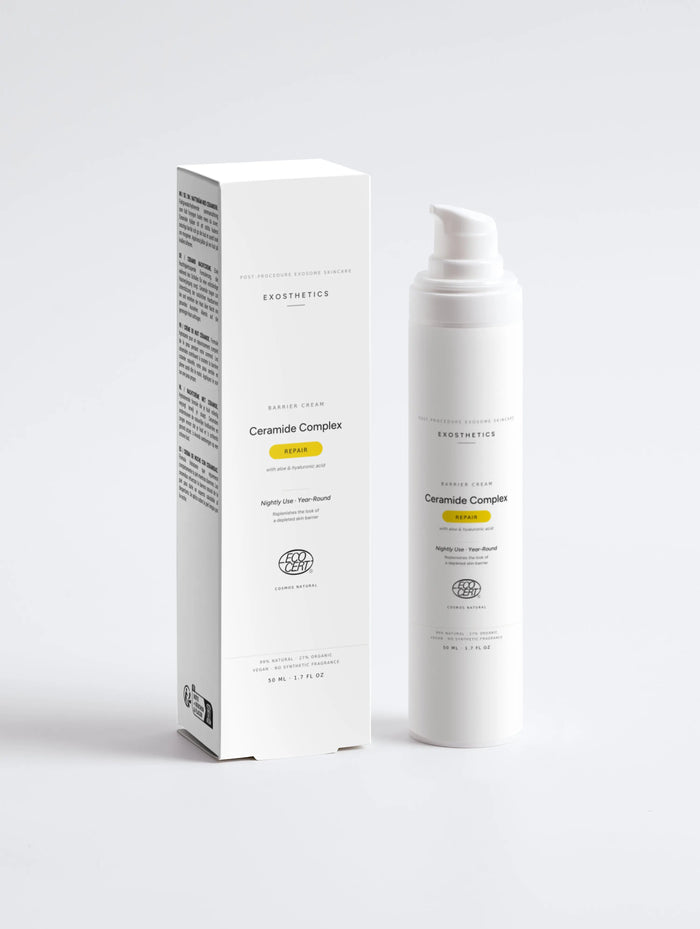

You just walked out of your microneedling appointment - or maybe you did an at-home session - and now your skin is red, tender, and clearly in recovery mode. Your retinol is sitting right there on the bathroom shelf, and you are wondering: How long after microneedling can I use retinol? It is one of the most common questions in skincare recovery, and the answer is more nuanced than most blogs will tell you. Proper post-treatment care is absolutely essential after microneedling because your skin barrier has been intentionally disrupted. Getting your microneedling aftercare wrong - especially by reintroducing potent actives too soon - can undo the benefits of the procedure and leave your skin in worse shape than before.
Here is the honest truth upfront: the clinical studies that inform this guide do not pinpoint an exact "safe restart day" for retinol after cosmetic microneedling. Most of the timelines you see floating around the internet are based on expert convention and clinical experience, not hard data from controlled trials. That does not mean those timelines are wrong - it means you deserve to know the difference between what science has proven and what practitioners generally recommend.
Don't guess your recovery. Download FREE Clinical Microneedling Protocol Here
Microneedling 101: What It Is, Why It Works, and What It Treats
Before we talk about when to bring retinol back into the picture, let's make sure we are on the same page about what microneedling actually does to your skin - because understanding the mechanism is the key to understanding why timing matters so much.
[STUDY-SUPPORTED] Microneedling is clinically referred to as percutaneous collagen induction. The concept is elegantly simple: tiny needles create controlled micro-injuries in the skin, which triggers the body's natural wound-healing cascade. This cascade ultimately stimulates new collagen and elastin production, improving skin texture, firmness, and the appearance of scars. In a study of 47 pediatric burn patients, Kubiak and Lange (2017) documented microneedling as an additive treatment for scar formation following thermal injuries, demonstrating that percutaneous collagen induction contributed to improvements in scar appearance as part of a broader treatment plan.
[STUDY-SUPPORTED] Microneedling-based technologies have also expanded into combination treatments. Listiawan et al. (2021) studied fractional microneedle radiofrequency combined with fractional CO₂ laser for striae alba (white stretch marks) in Indonesian patients, comparing this approach against 0.1% tretinoin cream. This study is particularly relevant to our topic because it places microneedling and retinoids in the same therapeutic conversation - both are tools for skin remodeling, but they operate very differently and are not interchangeable.
⚠️ Important context: The evidence above focuses on burn scars and stretch marks in specific clinical populations. It does not directly address cosmetic microneedling on healthy facial skin, which is likely the procedure you just had. Keep this distinction in mind as we continue.
What Microneedling Treats in the Included Studies
| Condition | Study | Population | Role of Microneedling |
|---|---|---|---|
| Burn scars | Kubiak & Lange, 2017 | 47 children | Additive percutaneous collagen induction |
| Striae alba (stretch marks) | Listiawan et al., 2021 | Indonesian adults | Fractional microneedle RF combined with CO₂ laser, compared against tretinoin |
Retinol and Retinoids 101: How They Work and Why Timing Matters After Barrier Disruption
Retinol and retinoids are the gold standard of anti-aging skincare - and for good reason. They accelerate cell turnover, boost collagen production, and improve everything from fine lines to hyperpigmentation. But there is a critical distinction most people miss, and it matters enormously when your skin barrier is compromised.
[STUDY-SUPPORTED] The clinical evidence included in this guide specifically involves tretinoin 0.1% cream - a prescription-strength retinoid. Listiawan et al. (2021) used tretinoin 0.1% as the topical comparator for treating striae alba. Tretinoin is the active form of vitamin A. It does not need to convert in the skin, which makes it significantly more potent - and potentially more irritating - than over-the-counter retinol.
[STUDY-SUPPORTED] Adding another layer of complexity, Bikash and Sarkar (2023) reviewed the topical management of acne scars and described the entire field as "uncharted terrain." Their review highlights that the evidence base for topical interventions in scar-type conditions - including retinoids - is still developing. If the science is still catching up for topical scar treatments in general, it follows that the evidence for retinoid restart timing after microneedling is even less established.
🩺 [CLINICAL CONVENTION] Here is what practitioners generally understand: Retinol (the OTC, cosmetic form) converts to retinoic acid through a multi-step process in the skin and is generally milder than prescription tretinoin. However, after microneedling, even gentle retinol can cause disproportionate irritation. Why? Because those microchannels created during the procedure temporarily enhance penetration of anything you apply topically. A product that felt perfectly fine last week can suddenly feel like fire on post-microneedling skin.
Retinol vs. Tretinoin - a quick comparison:
→ Retinol (OTC, cosmetic): weaker, must convert to active form in the skin, does not appear in any of the included studies.
→ Tretinoin 0.1% (prescription): directly active, studied as a comparator in Listiawan et al. (2021).
→ Other retinoids (adapalene, tazarotene, retinal): not addressed in the included studies.

Immediate Post-Microneedling Care: What to Do Right Now
If you are reading this with a freshly microneedled face, this section is for you. Before we dive deeper into retinol timing, let's address the most urgent question: what should you actually be putting on your skin right now?
What Your Skin Needs Immediately After Microneedling
[STUDY-SUPPORTED] Microneedling induces controlled micro-injury to stimulate collagen remodeling. Kubiak and Lange (2017) reinforce that this is a medical-grade intervention requiring an appropriate healing context. Your skin has just undergone deliberate trauma - treat it accordingly.
🩺 [CLINICAL CONVENTION] In the first 24 to 72 hours, your skin has open microchannels, active inflammation, and a temporarily compromised barrier. The standard clinical aftercare priorities during this window are straightforward:
✅ Do:
→ Use a gentle, fragrance-free cleanser.
→ Apply a barrier-supportive moisturizer with ingredients like ceramides, hyaluronic acid or innovative exosome-based microneedling serum.
→ Wear broad-spectrum SPF 30 or higher (mineral sunscreen preferred) once skin can tolerate the application.
→ Keep your hands off your face as much as possible.
→ Sleep on a clean pillowcase.
❌ Don't:
→ Apply retinol, retinoids, or any active serums.
→ Use AHAs, BHAs, or low-pH vitamin C.
→ Wear makeup for at least 24 hours (mineral makeup first when reintroducing).
→ Exercise intensely or do anything that causes heavy sweating for 24 to 48 hours.
→ Take hot showers with high-pressure water hitting the treated area.
→ Pick at any flaking or peeling skin.
What Normal Recovery Looks Like
🩺 [CLINICAL CONVENTION] Everyone's healing timeline varies based on needle depth, skin type, and individual healing capacity. Rather than giving you rigid day-by-day timelines that are not supported by the included studies, here is what practitioners generally consider normal:
→ Redness and mild swelling: Common in the first 24 to 48 hours. Think of it like a moderate sunburn.
→ Tightness and dryness: Can persist for several days as the barrier rebuilds.
→ Mild flaking: Possible as skin cell turnover accelerates during healing.
→ Gradual return to normal texture: Skin progressively feels less sensitive and more resilient.
🚨 When something is NOT normal: If you experience persistent redness that worsens rather than improves, oozing or pus, increasing pain, or any signs of infection - contact your treating provider immediately. Do not try to manage these symptoms with skincare products.
Quick Reference: Post-Microneedling Routine Phases
| Phase | Cleanser | Moisturizer | SPF | Actives |
|---|---|---|---|---|
| First 24-48 hours | Gentle, fragrance-free | Barrier-supportive (ceramides, HA) | Mineral SPF when tolerated | None |
| Days 3-7+ (varies) | Same | Same | Continue daily | Wait for barrier recovery signals |
| Post-recovery | Resume normal | Resume normal | Continue daily | Reintroduce slowly, lowest strength first |
Can You Use Retinol After Microneedling At All?
Yes - but not right away, and not recklessly. Retinol is not permanently off-limits after microneedling. In fact, retinoids and microneedling share a common goal: stimulating collagen production and improving skin texture. The issue is purely one of timing and barrier integrity.
[STUDY-SUPPORTED] Listiawan et al. (2021) positioned tretinoin 0.1% and microneedling-based devices as separate treatment approaches for the same condition (striae alba), reinforcing that both are legitimate tools in the skin remodeling toolkit. They were compared against each other - not used simultaneously or in immediate sequence. This separation in study design reflects a practical clinical reality: these interventions are not meant to overlap in their active phases.
[STUDY-SUPPORTED] Bikash and Sarkar (2023) further support a cautious approach by characterizing topical scar management as "uncharted terrain," suggesting that even in a non-post-procedure context, the evidence for topical interventions including retinoids is still maturing. On compromised post-microneedling skin, an extra measure of caution is warranted.
🩺 [CLINICAL CONVENTION] The bottom line: you can absolutely use retinol after microneedling - once your skin barrier has fully recovered. The question is not if, but when. And that "when" is determined by your skin's signals, not by a calendar.

How Long After Microneedling Can I Apply Retinol Again?
[STUDY-SUPPORTED] None of the three clinical studies included in this guide - Kubiak and Lange (2017), Listiawan et al. (2021), or Bikash and Sarkar (2023) - specify a post-microneedling retinoid restart interval. No safe restart day can be claimed from this evidence base. This is not a gap in our research - it is the current state of the published science.
🩺 [CLINICAL CONVENTION] What most dermatologists and aestheticians recommend falls in the range of 3 to 7 days for superficial microneedling, and potentially longer for deeper treatments. However, rather than anchoring to a number of days, the most responsible approach is a symptom-based restart framework:
🛑 Do NOT restart retinol if any of the following are present:
→ Visible redness beyond your personal baseline.
→ Stinging or burning when applying basic moisturizer.
→ Active flaking or peeling from the procedure itself.
→ Any broken skin or scabbing.
→ Sensitivity to products that normally feel completely fine.
✅ Consider restarting (cautiously) when:
→ Your skin tolerates moisturizer and SPF without any reaction whatsoever.
→ There are no visible signs of compromised barrier function.
→ Your treating clinician gives you the green light.
Symptom-based restart protocol:
→ Step 1: Begin with the lowest-strength retinol product you own.
→ Step 2: Apply every second or third night initially - not nightly.
→ Step 3: Monitor your skin through 3 to 5 applications before increasing frequency.
→ Step 4: If irritation recurs at any point, stop and extend your waiting period.
How Long After Microneedling Can I Use Retinoids In General?
The retinoid family is broad, and each member behaves differently on your skin. Whether you use prescription tretinoin, adapalene, tazarotene, retinal (retinaldehyde), or cosmetic retinol, the principle remains the same: wait until your barrier is fully restored before reintroducing any of them.
[STUDY-SUPPORTED] The only retinoid specifically referenced in the included studies is tretinoin 0.1% (Listiawan et al., 2021), which is at the stronger end of the spectrum. If caution is warranted with prescription-strength retinoids in clinical settings, it is equally - if not more - important to exercise patience with any retinoid after microneedling, even gentler OTC formulations.
🩺 [CLINICAL CONVENTION] Stronger retinoids like tretinoin and tazarotene generally call for a longer waiting period than milder options like encapsulated retinol or retinyl palmitate. Some practitioners advise waiting a full 7 to 14 days before resuming prescription-strength retinoids, while cosmetic retinol may be tolerated sooner. But the symptom-based framework described above remains your best guide regardless of which retinoid you use.
How Long After Microneedling Can You Use Retinol On Face Specifically?
Facial skin presents unique considerations compared to other areas of the body. The face has a thinner stratum corneum (outer barrier layer), higher density of sebaceous glands, and is more exposed to environmental factors - all of which affect healing speed and product tolerance after microneedling.
🩺 [CLINICAL CONVENTION] Because facial skin is thinner and more reactive than skin on, say, the thighs or abdomen, it can be simultaneously faster to heal (due to excellent blood supply) and more sensitive to irritation (due to that thinner barrier). This means:
→ The microchannels may close relatively quickly on the face, but underlying barrier recovery can take longer than surface appearances suggest.
→ Applying retinol "because the redness is gone" is a common mistake. Barrier function can still be compromised even when your skin looks normal visually.
→ The symptom-based approach is especially critical for facial application. Test with moisturizer tolerance first. If your basic moisturizer feels completely unremarkable - no tingling, no warmth, nothing - that is a positive signal that your barrier is approaching readiness.
[STUDY-SUPPORTED] It is worth noting that the microneedling studies included here examined non-facial areas - burn scars in children (Kubiak & Lange, 2017) and striae alba, typically on the abdomen or thighs (Listiawan et al., 2021). Direct extrapolation to facial cosmetic microneedling requires acknowledging this difference in treatment site.
How Long After PRP Microneedling Can I Use Retinol?
PRP (platelet-rich plasma) microneedling - sometimes called a "vampire facial" - involves applying your own concentrated platelets to the skin during or immediately after the microneedling procedure. The growth factors in PRP are intended to enhance healing and amplify collagen stimulation.
🩺 [CLINICAL CONVENTION] None of the included studies examined PRP microneedling specifically. However, the retinol restart principles remain fundamentally the same: wait until your barrier is fully healed before reintroducing retinoids. Some practitioners argue that PRP may actually support faster barrier recovery due to the growth factors involved, but this does not mean you should rush retinol reintroduction. If anything, PRP microneedling often involves slightly deeper needle penetration to ensure platelet delivery into the dermis, which could mean a more significant initial disruption.
→ Follow the same symptom-based restart framework outlined above.
→ Consult with the provider who performed your PRP treatment for personalized guidance.
→ Do not assume PRP's healing benefits give you a "fast pass" to restart actives sooner.
How Long After RF Microneedling Can I Use Retinol?
Radiofrequency (RF) microneedling adds thermal energy to the mechanical micro-injury of standard microneedling. Devices like Morpheus8, Genius, and Vivace deliver RF energy through insulated needles to heat the deeper dermis, creating a more intensive remodeling stimulus.
[STUDY-SUPPORTED] Listiawan et al. (2021) specifically studied fractional microneedle radiofrequency combined with fractional CO₂ laser for striae alba. This study confirms that RF microneedling is a more intensive modality than standard microneedling alone - it was combined with laser therapy and compared against a topical tretinoin control, underscoring the clinical seriousness of the procedure.
🩺 [CLINICAL CONVENTION] Because RF microneedling delivers both mechanical and thermal injury, the recovery period is generally longer than standard microneedling. Redness, swelling, and sensitivity may persist for several additional days. Many practitioners recommend a longer waiting period before reintroducing any actives, including retinol - often 7 to 14 days or more depending on treatment intensity.
→ The thermal component can extend the inflammatory phase of healing.
→ The deeper the treatment, the longer the barrier takes to fully restore.
→ Use the symptom-based framework with extra patience. When in doubt, wait longer.
What to Use Instead of Retinol During the Recovery Window
The days between your microneedling session and your retinol restart are not wasted time. In fact, this recovery window is an opportunity to support your skin with barrier-focused ingredients that complement the healing process rather than challenge it.
🩺 [CLINICAL CONVENTION] During the recovery period, focus on ingredients that hydrate, soothe, and protect:
→ Hyaluronic acid: Attracts and holds moisture in the skin. Lightweight and generally well-tolerated on compromised barriers.
→ Ceramides: Essential building blocks of the skin barrier. Topical ceramides can support barrier repair during recovery.
→ Centella asiatica (cica): A soothing botanical with a long history in wound-healing contexts.
→ Peptides: Signal skin repair processes without the irritation potential of retinoids.
🧴 [BRAND PERSPECTIVE] Exosome-based post-procedure products are emerging as a notable option in this recovery space. Exosomes - tiny extracellular vesicles that carry signaling molecules - are being explored for their potential to support skin recovery after procedures like microneedling. While exosome therapy is not addressed in the three included studies, it represents a growing category in post-procedure skincare that aims to support the barrier during the exact window when retinol is off-limits. If you are considering exosome products, look for those specifically formulated for post-procedure use and discuss them with your provider.
Other Active Ingredients: When Can You Bring Them Back?
Retinol is not the only active that needs a timeout after microneedling. Here is a general guide for other common actives, based on clinical convention:
| Active Ingredient | General Convention for Reintroduction | Notes |
|---|---|---|
| Vitamin C (L-ascorbic acid, low pH) | Wait until barrier is restored | Low pH can sting on compromised skin |
| Niacinamide | May be tolerated sooner | Generally soothing; some providers allow earlier use |
| AHAs/BHAs (glycolic, salicylic) | Wait until barrier is fully restored | Chemical exfoliants on open channels = irritation risk |
| Benzoyl peroxide | Wait until barrier is fully restored | Drying and potentially irritating |
🩺 [CLINICAL CONVENTION] The same principle applies across the board: if an ingredient has the potential to irritate intact skin, it will almost certainly irritate compromised skin more intensely. Let your barrier heal first. Your actives will still be there when your skin is ready.
Frequently Asked Questions
I accidentally used retinol right after microneedling - what should I do?
Do not panic. Gently cleanse the area with a mild, fragrance-free cleanser and apply a soothing, barrier-supportive moisturizer. Avoid applying any more actives and monitor your skin for excessive redness, burning, or irritation. If symptoms worsen or persist, contact your dermatologist or treating provider promptly.
Can I wear makeup after microneedling?
Most practitioners recommend avoiding all makeup for at least 24 hours after microneedling to reduce infection risk and allow microchannels to close. When you do reintroduce makeup, start with clean mineral-based formulas and ensure all brushes and applicators are freshly sanitized.
What moisturizer should I use after microneedling?
Choose a fragrance-free, barrier-supportive moisturizer containing ceramides, hyaluronic acid, or both. Avoid moisturizers with active exfoliating ingredients, essential oils, or fragrances that could irritate open microchannels during the recovery period.
Can I use vitamin C serum after microneedling?
Low-pH vitamin C serums (like L-ascorbic acid formulas) can sting and irritate freshly microneedled skin. Wait until your barrier is fully restored and your skin tolerates basic moisturizer without any sensitivity before reintroducing vitamin C. Some providers allow gentler vitamin C derivatives sooner, but always confirm with your clinician.
Can I exercise or sweat after microneedling?
Intense exercise and heavy sweating are generally discouraged for 24 to 48 hours after microneedling. Sweat can irritate open microchannels and introduce bacteria to the treated area. Stick to light activity and lukewarm showers during the initial recovery window.
Are exosomes safe to use after microneedling?
Exosome-based products are increasingly used in post-procedure skincare protocols, and many are specifically formulated for application on freshly treated skin. However, exosomes were not addressed in the clinical studies referenced in this guide. Discuss any post-procedure product - including exosome serums - with your treating provider before application.
How long after microneedling can I use retinol if I had a deep treatment?
Deeper microneedling treatments create more extensive micro-injury and typically require a longer recovery period. While no exact timeline is established in the included clinical studies, deeper treatments may necessitate waiting 7 to 14 days or more. Always use the symptom-based framework: only reintroduce retinol when your skin shows zero signs of compromise.
References
1. Kubiak R, Lange B. Percutaneous collagen induction as an additive treatment for scar formation following thermal injuries: Preliminary experience in 47 children. Burns. 2017;43(5):1097-1102. doi:10.1016/j.burns.2017.02.006. PubMed PMID: 28283308.
2. Listiawan MY, Prakoeswa CRS, Astari L, et al. A comparison study of the 0.1% tretinoin cream versus fractional microneedle radiofrequency combination with fractional CO₂ laser for the treatment of striae alba in Indonesian patients. J Cosmet Laser Ther. 2021;23(3-4):81-86. doi:10.1080/14764172.2021.1975757. PubMed PMID: 34519226.
3. Bikash C, Sarkar R. Topical management of acne scars: The uncharted terrain. J Cosmet Dermatol. 2023;22(4):1191-1196. doi:10.1111/jocd.15584. PubMed PMID: 36606377.

The first week
Everything in this guide, in two products
Exosome Serum for the night of. 72-Hour+ Cream from day three. $99 together — and you can add Ceramide Repair, the day-7 step, for $35 instead of $49.
See the Kit — $99Table of Contents

A calming, fragrance-free cream for the days right after treatment.