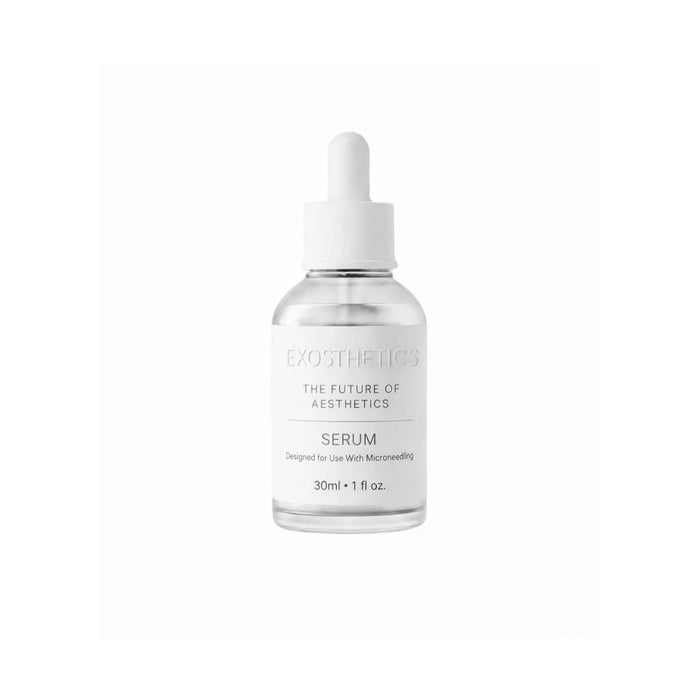

If you have ever stood in front of the mirror the morning after a microneedling session - face still pink, skin tight, tiny flakes forming along your jawline - you have probably asked yourself one very specific question: how often can I microneedle my face without overdoing it? It is the single most important timing decision in your entire treatment journey, and getting it wrong can set your skin back weeks. This guide is built around real science, honest timelines, and practical post-treatment care guidance designed to help you heal smarter. Whether you are three hours post-session or planning your next appointment, consider this your complete microneedling aftercare manual - written as if a dermatologist and a recovering patient are both reading over your shoulder.
Here is what we are going to cover: what microneedling actually does beneath the surface of your skin, what the recovery timeline realistically looks like day by day, why the aftercare window matters more than the needling itself, how exosome-based recovery serums fit into that window, and a detailed frequency breakdown by needle depth and skin concern. No hype. No filler. Just the information you need to make confident decisions about your skin.
Don't guess your recovery. Download FREE Clinical Microneedling Protocol Here
What Microneedling Actually Does to Your Skin
Before we talk about frequency, you need to understand what is happening beneath the surface when those tiny needles puncture your skin. Microneedling - sometimes called percutaneous collagen induction therapy - creates controlled, columnar micro-injuries that penetrate through the stratum corneum, which is the outermost protective barrier of your skin. Depending on needle depth, those channels can reach into the upper or mid dermis, triggering a biological response that your body interprets as a wound that needs repair.
The stratum corneum is the primary gatekeeper of your skin. It is a dense, lipid-rich barrier that normally prevents most topical substances from penetrating beyond the surface. When microneedles create temporary channels through this barrier, two things happen simultaneously: your body launches a wound healing response, and the skin becomes temporarily more permeable to topically applied substances. This principle of barrier disruption and enhanced delivery is well-established in dermal therapeutics research (Kuche et al., 2018).
Your body's healing response follows a predictable three-phase cascade:
➡️ Phase 1 - Inflammation (0 to 72 hours): Blood flow increases to the area. Growth factors and signaling molecules flood the micro-wound sites. You see redness, feel warmth, and may notice mild swelling. This is not damage - this is your immune system doing exactly what it is supposed to do.
➡️ Phase 2 - Proliferation (3 to 14 days): Your body begins producing new collagen (initially Type III), new blood vessels form, and the skin starts physically rebuilding itself from the inside out. The surface barrier closes. Flaking and dryness during this phase are normal.
➡️ Phase 3 - Remodeling (2 to 12 weeks): This is the slow, invisible phase where the initial Type III collagen gradually matures into stronger Type I collagen. Skin texture, firmness, and tone improve incrementally. This phase is why results from microneedling are cumulative and why patience is non-negotiable.
One important clarification: the microneedling you receive in a clinical aesthetics setting - using dermarollers or motorized pen devices for cosmetic improvement - is a related but different application from microneedle arrays designed for transdermal drug delivery in pharmaceutical research. The underlying principle of barrier disruption is shared, but the goals, devices, and protocols differ significantly (Kuche et al., 2018).

The Post-Procedure Recovery Timeline: What to Expect Day by Day
This is the section you are probably looking for if your face is currently red and you are wondering whether what you see in the mirror is normal. Here is a realistic, day-by-day breakdown of what to expect after a microneedling session. Keep in mind that your specific experience will vary based on needle depth, the device used, your individual skin type, and whether the procedure was performed at home or in a professional setting.
📋 0 to 6 Hours Post-Treatment: Your skin will look red - sometimes intensely so - and feel warm to the touch, similar to a moderate sunburn. Mild swelling is common, especially around the eyes and forehead. If deeper needle depths were used (1.0 mm or above), you may see pinpoint bleeding. Microchannels are wide open during this period, meaning your skin's permeability is at its peak. Apply only products that have been specifically approved for post-procedure use. Do not touch your face with unwashed hands. Do not apply tap water directly to the treated area.
📋 6 to 24 Hours: Tightness intensifies. Redness continues but may begin to shift from bright red to a deeper pink. Your skin may feel like it is radiating heat. The inflammatory cascade is fully active, and skin permeability remains elevated. Use only a gentle, pH-balanced cleanser if absolutely necessary. No active ingredients. No makeup. No sunscreen with chemical filters - if you must go outside, use a mineral-only SPF and wear a hat.
📋 24 to 72 Hours: Redness fades noticeably. You may begin to see dryness, mild flaking, or a rough texture as the surface barrier begins to close. The proliferative phase is kicking in beneath the surface. This is the time to focus on hydration with simple, non-irritating formulations. Sun avoidance remains critical - your skin is still more vulnerable to UV damage than usual.
📋 3 to 7 Days: Surface peeling may occur, especially if deeper depths were used. The texture may feel rough before it smooths out. Your barrier is largely restored at the surface level, though deeper remodeling is just beginning. You can cautiously begin reintroducing your normal skincare routine, but listen to your skin. If it stings, stop.
📋 2 to 12 Weeks: This is the window where the real results emerge. Collagen remodeling is happening beneath the surface - you cannot see it or feel it, but it is the reason microneedling works. Gradual improvements in texture, tone, pore appearance, and firmness become visible during this period. Do not re-needle during active remodeling unless your provider specifically directs you to.
The principle behind this timeline connects directly to the barrier science: microneedling creates temporary channels through the stratum corneum, and the time it takes for those channels to close and for the deeper wound healing phases to complete determines how long you need between sessions (Kuche et al., 2018).
Why the Aftercare Window Matters More Than the Needling Itself
Here is something most people do not realize: the 0 to 72 hour window after microneedling is arguably more important than the procedure itself. This is when your skin is simultaneously at its most vulnerable and its most receptive. The microchannels created during the procedure temporarily bypass your stratum corneum barrier, which means topically applied substances have significantly enhanced penetration into deeper skin layers (Kuche et al., 2018).
This is a double-edged reality that you need to take seriously.
On the positive side, recovery-supporting bioactive ingredients - growth factors, peptides, hyaluronic acid, and signaling molecules - can reach skin layers they would never access through intact skin. On the negative side, irritants, fragrances, preservatives, essential oils, and even bacteria can also penetrate more deeply. A product that feels perfectly fine on your skin on a normal day can cause significant irritation, sensitization, or even infection when applied to freshly microneedled skin.
This means your aftercare strategy should follow two non-negotiable principles. First, maximize delivery of recovery-supporting bioactive ingredients during the open-channel window. Second, minimize exposure to everything else - every fragrance, every unnecessary preservative, every active ingredient that is designed to exfoliate or stimulate rather than repair.
Not all post-procedure serums are equal. Formulations specifically designed for the open-channel window are categorically different from standard skincare products. They are formulated to be low-irritant, bioactive-rich, and pathogen-free - because in the hours after microneedling, what you put on your skin has direct access to living tissue that is normally protected behind your barrier (Kuche et al., 2018).
Exosomes and the Post-Microneedling Delivery Window
One of the most promising developments in post-procedure skincare involves exosomes - tiny extracellular vesicles, typically 30 to 150 nanometers in diameter, that carry signaling proteins, growth factors, cytokines, and other bioactive cargo between cells. Think of them as biological messenger packets that deliver repair instructions directly to your skin cells.
The rationale for applying exosome-based topicals during the post-microneedling window is rooted in delivery science. Because the stratum corneum barrier is temporarily bypassed by microchannels, these nanoscale vesicles have the potential to reach deeper skin layers than they would on intact skin. The concept of using barrier disruption to enhance delivery of nanoparticle and vesicle-based formulations is well-supported in the transdermal delivery literature (Kuche et al., 2018).
It is important to be honest about where the science currently stands. Clinical research on topical exosomes applied specifically after microneedling is emerging but not yet definitive for specific cosmetic outcomes. Early studies using exosome-based formulations after skin procedures suggest potential for supporting wound healing and reducing inflammation, but large-scale, controlled trials specific to microneedling are still in progress.
This is a biologically plausible approach supported by delivery science and early clinical data - not a guaranteed result. If you are considering exosome-based aftercare, look for products specifically formulated for post-procedure use, with transparent sourcing and clear ingredient disclosure. The post-microneedling delivery window is too valuable - and your skin too vulnerable - to waste on poorly formulated products.
How Often Can You Microneedle? A Frequency Guide by Depth and Concern
Now let us get to the core question. The honest answer is that microneedling frequency has not been standardized by any regulatory body, and there is no single FDA-approved schedule. What we have are commonly used clinical intervals based on practitioner experience, wound healing biology, and the limited controlled studies that exist. The following recommendations reflect those protocols - not definitive medical prescriptions.
Here is a master reference table based on needle depth:
| Needle Depth | Typical Use Case | Commonly Recommended Interval | Key Caution |
|---|---|---|---|
| 0.25 mm | Product absorption, superficial glow | Every 2 to 4 weeks | Even shallow depths increase permeability - product selection still matters |
| 0.5 mm | Mild texture, early fine lines, light scarring | Every 2 to 4 weeks | More barrier disruption than 0.25 mm - allow full surface healing before repeating |
| 1.0 mm | Moderate acne scarring, deeper wrinkles | Every 4 to 6 weeks | Requires professional setting - do not compress intervals |
| 1.5 mm+ | Deep scarring, significant skin laxity | Every 6 to 8 weeks minimum | In-office only - longer collagen remodeling phase requires patience |
The logic behind spacing sessions is directly tied to the barrier disruption and healing cascade we discussed earlier. Each session creates microchannels through the stratum corneum and triggers a wound healing response that takes weeks to fully complete (Kuche et al., 2018). Needling again before that process is finished means you are creating new injuries on top of incompletely healed tissue - a recipe for chronic inflammation, sensitization, and diminished results.
How Many Times A Week Can I Microneedle My Face?
For most needle depths used in cosmetic microneedling, the answer is not weekly - and certainly not multiple times per week. At very superficial depths of 0.25 mm, some practitioners allow more frequent use because the micro-injuries are confined to the uppermost layers of the stratum corneum. However, even at this shallow depth, you are still disrupting your skin's barrier and increasing permeability (Kuche et al., 2018). For depths of 0.5 mm and above, weekly use is not supported by wound healing biology and risks chronic barrier impairment. Your provider should determine your specific interval based on your skin's response, treatment depth, and recovery status.
Can I Microneedle My Face Daily?
No. Daily microneedling means daily barrier disruption with zero recovery window. Even the shallowest needles create channels through the stratum corneum that need time to close and heal. The skin's barrier function exists for a reason - it protects against water loss, pathogens, and environmental irritants. Disrupting that barrier every single day creates a state of chronic injury rather than controlled, therapeutic micro-wounding. This is the fastest path to persistent redness, irritation, sensitization, and paradoxical worsening of the very concerns you are trying to treat. The principle of enhanced permeability through barrier disruption is only therapeutically useful when followed by adequate recovery time (Kuche et al., 2018).

Can I Microneedle My Face Every Week?
This depends entirely on depth. At 0.25 mm, weekly microneedling falls within the range that some skincare professionals consider acceptable, because the micro-injuries at this depth are extremely superficial and the barrier typically recovers within a few days. At 0.5 mm, weekly sessions become more aggressive - the channels penetrate deeper, the inflammatory response is more pronounced, and surface healing alone does not indicate that deeper tissue repair is complete. At 1.0 mm and above, weekly microneedling is too aggressive for virtually all skin types and will likely lead to cumulative irritation rather than cumulative improvement. If you are doing at-home microneedling with a 0.25 mm device, monitor your skin carefully. If you see persistent redness, increased sensitivity, or breakouts, extend your interval.
Can I Microneedle My Face Every 2 Weeks?
Every two weeks is a reasonable interval for many people using 0.25 to 0.5 mm needle depths, and it is one of the most commonly recommended frequencies for at-home microneedling devices. At these shallower depths, the stratum corneum barrier typically restores itself within several days, and the initial inflammatory and proliferative phases have largely resolved by the two-week mark. For depths of 1.0 mm and above, two weeks is still too soon. The deeper the needle penetrates, the more extensive the wound healing cascade, and the collagen remodeling phase at these depths can continue for six weeks or longer. Rushing the process does not accelerate results - it undermines them.
How Often Should I Microneedle My Face For Maintenance?
After completing an initial treatment series - typically three to six sessions spaced according to the depth-based intervals described above - many practitioners recommend transitioning to a maintenance schedule. Maintenance sessions are commonly spaced every four to eight weeks, depending on needle depth, skin concern, and individual response. The goal of maintenance is to sustain the collagen remodeling benefits achieved during the initial series without over-treating the skin. No controlled trials have definitively established optimal maintenance intervals, so this is an area where your provider's clinical judgment and your skin's feedback are your best guides. Pay attention to how your skin looks and feels before each maintenance session. If it has not fully recovered from the previous one, you need more time.
How Often Should I Microneedle My Face With 0.25 Mm Depth?
A 0.25 mm needle depth is the shallowest commonly used in cosmetic microneedling, and it primarily affects the outermost layers of the stratum corneum. At this depth, the micro-injuries are minimal, recovery is rapid, and the primary benefit is enhanced absorption of topical products rather than significant collagen stimulation. Most practitioners suggest intervals of every two to four weeks. Some allow weekly use for specific, short-term protocols, though there is limited controlled research at this depth to confirm optimal frequency. Even at 0.25 mm, the principle of temporary barrier disruption applies - your skin's permeability increases, which means product selection during and after the procedure matters just as much as timing (Kuche et al., 2018).
How Often Can I Microneedle My Face With 0.5 mm?
At 0.5 mm, you are penetrating more significantly into the epidermis, and the wound healing response is more pronounced than at 0.25 mm. Redness and sensitivity last longer, and the barrier takes more time to fully restore. The commonly recommended interval at this depth is every two to four weeks, with many practitioners leaning toward the four-week end for patients with sensitive or reactive skin. If you are using a 0.5 mm device at home, the most important indicator of readiness for your next session is the complete absence of residual redness, sensitivity, or texture irregularity from the previous session. If any of those signs remain, your skin is telling you it needs more time.
How Often Can I Microneedle My Face And Neck?
The neck deserves special attention because the skin there is structurally different from facial skin. It is thinner, has fewer sebaceous glands, and tends to be more sensitive to micro-injury. For neck microneedling, most practitioners recommend shallower depths than you would use on the face - typically 0.25 to 0.5 mm - and longer intervals between sessions. If you microneedle your face every four weeks at 0.5 mm, your neck may need five to six weeks at the same or a shallower depth. Redness and sensitivity on the neck can also last longer and be more visible. Professional guidance is strongly recommended for neck treatments, especially if you are new to microneedling or have thin, sun-damaged skin in that area.
How Often Should I Microneedle My Face For Acne?
If you are microneedling for active acne rather than acne scarring, proceed with extreme caution. Microneedling over active, inflamed acne lesions - pustules, cysts, or nodules - can spread bacteria, worsen inflammation, and potentially cause scarring rather than prevent it. Most dermatologists advise against microneedling directly over active breakouts. For post-inflammatory hyperpigmentation and mild textural irregularities left by acne, shallower depths of 0.25 to 0.5 mm at intervals of every two to four weeks may be appropriate once the active inflammation has fully resolved. Always consult a skincare professional before microneedling acne-prone skin, as the risk of exacerbation is real.
How Often Should I Microneedle My Face For Acne Scars?
Acne scarring is one of the most well-studied indications for microneedling, and it typically requires deeper needle depths and more patience than other concerns. Clinical protocols for acne scars commonly use 1.0 to 1.5 mm needle depths at four to six week intervals for a series of three to six sessions. Results are cumulative and develop over months, not days. The collagen remodeling phase after each session at these depths can continue for up to twelve weeks, which means visible improvements often appear between sessions rather than immediately after them. Resist the temptation to shorten intervals or increase depth in pursuit of faster results. The biology of collagen maturation cannot be rushed, and the enhanced permeability created at these depths means your post-procedure care must be meticulous (Kuche et al., 2018).
How Often Should I Microneedle My Face For Wrinkles?
Microneedling for wrinkles follows a similar protocol to acne scarring in terms of depth and interval. Needle depths of 0.5 to 1.5 mm are commonly used depending on wrinkle severity, with sessions spaced every four to six weeks for an initial series of three to six treatments. The mechanism is the same - controlled micro-injury triggers collagen and elastin production during the healing response, and over time this can improve skin texture, fine lines, and mild laxity. Expectations should be realistic: microneedling can soften fine lines and improve overall skin quality, but it is not a replacement for resurfacing lasers, injectables, or surgical intervention for advanced aging. The best results come from consistent, properly spaced sessions followed by diligent aftercare during the recovery window.
How Often Should You Microneedle Eyebrows Or Undereyes?
These areas require special consideration due to their anatomical characteristics:
Risk Factors:
-
Extremely thin skin with minimal subcutaneous fat
-
High visibility of edema and post-inflammatory changes
-
Low margin for error with depth control
Recommended Frequency:
Every 6-8 weeks minimum, with conservative depth (maximum 0.5mm)
The periorbital and brow areas are particularly prone to prolonged erythema, hyperpigmentation, and visible textural changes if treated too aggressively or frequently. Many practitioners avoid microneedling these areas altogether due to unpredictable healing responses.
If you're treating these areas at home, err on the side of extreme caution - the risks significantly outweigh the potential benefits when compared to safer treatment zones like the cheeks or forehead.
How Often Should You Microneedle Stretch Marks?
Body areas like the abdomen have distinct healing characteristics compared to facial skin:
Key Differences:
-
Thicker dermis = slower healing and collagen turnover
-
Lower vascularity = extended recovery periods
-
Larger treatment areas = more cumulative trauma
Recommended Frequency for Body:
Every 6-8 weeks minimum for therapeutic depths
For stretch marks specifically, clinical evidence shows partial improvement rather than complete elimination. Striae distensae (stretch marks) represent actual dermal scarring with disrupted collagen architecture. Microneedling can improve texture and color, but realistic expectations are essential.
Treatment protocols for body areas require longer intervals than facial protocols, with 4-6 sessions typically needed to see measurable improvement in stretch mark appearance.
How Often Should You Microneedle At Home?
Home microneedling devices have democratized the treatment, but they also introduce significant risks when used improperly.
The Reality Check:
|
Factor |
Professional |
Home Device |
|
Maximum Safe Depth |
2.0-3.0mm |
0.5-1.0mm |
|
Sterility Standards |
Single-use or clinical sterilization |
User-dependent cleaning |
|
Skin Assessment |
Trained evaluation |
Self-assessment |
|
Infection Risk |
Minimized |
Significantly higher |
Home Device Frequency:
Maximum once every 4 weeks for depths above 0.5mm
The greatest risk with home devices isn't the technology itself - it's the tendency to treat too frequently. Without clinical oversight, users often follow aggressive schedules based on marketing claims rather than biological healing timelines.
Critical Safety Points:
-
Never share devices between individuals
-
Replace cartridges according to manufacturer specifications
-
Stop immediately if unusual irritation or delayed healing occurs
How Often Should You Microneedle With Exosomes?
Exosome therapy combined with microneedling represents emerging research with promising early results.
What We Know:
-
Microneedling enhances dermal delivery of topically applied exosomes
-
Early studies suggest improved wound healing and tissue regeneration
Evidence Boundary:
While initial clinical reports are encouraging, there is not yet consensus on ideal treatment intervals when combining microneedling with exosome application. Conservative practitioners follow standard microneedling frequency guidelines (4-6 weeks) regardless of adjunct therapies.
How Often Should You Microneedle With Minoxidil?
Combining microneedling with minoxidil has shown promise specifically for androgenetic alopecia (pattern hair loss), with evidence suggesting enhanced drug penetration into the scalp.
Clinical Protocol:
-
Weekly to bi-weekly shallow microneedling (0.5-1.0mm)
-
Minoxidil application post-treatment
-
Primarily studied in scalp, not facial applications
Frequency Caution:
The enhanced penetration that makes this combination effective also increases irritation risk. Frequency must balance improved delivery with barrier tolerance - daily microneedling with minoxidil is not supported and risks chemical irritation.
Data focuses primarily on scalp treatment rather than facial use, and protocols typically involve professional oversight rather than home application.
What to Avoid After Microneedling
Your skin's barrier is temporarily compromised after microneedling, and what you avoid during recovery is just as important as what you apply. Here is the non-negotiable list:
🚫 Retinoids (retinol, tretinoin, adapalene): These are potent actives that can cause significant irritation on intact skin. On barrier-compromised skin, they penetrate far more deeply and can trigger intense inflammation. Avoid for at least 48 to 72 hours, and longer for deeper treatment depths.
🚫 AHAs and BHAs (glycolic acid, salicylic acid, lactic acid): Chemical exfoliants on freshly needled skin are a recipe for chemical burn-level irritation. Your skin is already exfoliating itself through the natural healing process. Adding acids on top of that is redundant and harmful.
🚫 Vitamin C serums at low pH: While vitamin C is a valuable antioxidant, many formulations are deliberately acidic to enhance stability and penetration. That acidity, combined with open microchannels, can cause stinging, redness, and prolonged irritation. Wait until your barrier is fully restored.
🚫 Fragranced products and essential oils: Fragrance compounds are among the most common causes of contact sensitization. Enhanced permeability means these compounds reach deeper tissue layers, increasing the risk of developing a new sensitivity that persists long after the microchannels close (Kuche et al., 2018).
🚫 Makeup for the first 12 to 24 hours: Cosmetic products contain pigments, preservatives, and binding agents that have no business in open microchannels. Give your skin at least 12 to 24 hours before applying any makeup, and longer if redness or sensitivity persists.
🚫 Direct sun exposure: Your skin is more susceptible to UV damage after microneedling. Use a mineral-only sunscreen once your skin can tolerate it, and prioritize physical sun protection - hats, shade, avoidance - for the first several days.
🚫 Swimming pools, saunas, and intense exercise: Chlorinated water, excessive heat, and heavy sweating introduce irritants and bacteria to vulnerable skin. Avoid for at least 24 to 48 hours.
Signs You Are Microneedling Too Often
One of the most common mistakes people make with at-home microneedling is treating too frequently because they are eager for results. Your skin will tell you if you are overdoing it. Watch for these warning signs:
⚠️ Persistent redness that does not resolve within your expected timeline (more than 48 to 72 hours for shallow depths, more than a week for deeper depths).
⚠️ Increased skin sensitivity - products that were previously comfortable now sting or burn.
⚠️ New breakouts in areas that are not typically acne-prone.
⚠️ Skin texture that worsens rather than improves - roughness, dryness, or a "crepe paper" appearance.
⚠️ Visible broken capillaries or prolonged bruising.
If you notice any of these, stop microneedling immediately, focus exclusively on gentle barrier repair, and consult a skincare professional before resuming. More needling is never the solution to over-needled skin. The barrier disruption caused by microneedling is only therapeutic when your skin has adequate time to fully heal between sessions (Kuche et al., 2018).
Frequently Asked Questions
How long should I wait between microneedling sessions?
Wait two to four weeks for shallow depths (0.25 to 0.5 mm) and four to eight weeks for deeper depths (1.0 mm and above). Your skin should be completely free of redness, sensitivity, and texture irregularities before your next session.
Can I wear makeup the day after microneedling?
Most practitioners recommend waiting at least 12 to 24 hours before applying makeup, and longer if you had a deeper treatment. Microchannels remain partially open during this time, and cosmetic products contain ingredients that should not penetrate into living tissue.
Is it normal for my skin to peel after microneedling?
Yes, mild flaking and peeling are normal parts of the healing process, typically appearing between days two and five. Do not pick or scrub the peeling skin - let it shed naturally and keep the area hydrated with gentle, fragrance-free moisturizer.
Can I microneedle at home as often as I would in a clinic?
At-home devices typically use shallower depths (0.25 to 0.5 mm) than clinical devices, so intervals can be shorter. However, the principles of barrier recovery still apply. Even at shallow depths, allow at least two weeks between sessions and monitor your skin for signs of over-treatment.
When will I see results from microneedling?
Initial improvements in skin texture and glow may appear within one to two weeks. Deeper results from collagen remodeling - such as scar improvement and wrinkle reduction - develop gradually over two to three months after each session and accumulate over a series of treatments.
Can I use hyaluronic acid after microneedling?
Pure hyaluronic acid serums without added fragrances, acids, or irritating preservatives are generally considered safe and beneficial immediately after microneedling. The enhanced permeability allows deeper hydration. Confirm with your provider that your specific product is appropriate for post-procedure use.
What happens if I microneedle too often?
Over-microneedling can lead to chronic barrier impairment, persistent inflammation, increased sensitivity, breakouts, and paradoxical worsening of skin texture. The collagen remodeling process requires adequate time, and interrupting it with premature re-needling undermines your results.
References
Kuche K, Maheshwari R, Tambe V, Mak KK, Jogi H, Raval N, Pichika MR, Kumar Tekade R. Carbon nanotubes (CNTs) based advanced dermal therapeutics: current trends and future potential. Nanoscale. 2018;10(19):8911-8937. doi:10.1039/c8nr01383g. PMID: 29722421.

The first week
Everything in this guide, in two products
Exosome Serum for the night of. 72-Hour+ Cream from day three. $99 together — and you can add Ceramide Repair, the day-7 step, for $35 instead of $49.
See the Kit — $99