
Hyperpigmentation on feet is one of the most frustrating skin concerns people deal with - it is easy to notice, slow to change, and sometimes linked to more than just "dry skin" or "shoe rubb ing." Whether you are dealing with darkening that appeared after a cosmetic procedure, or discoloration you have been trying to resolve with procedures, this guide gives you a realistic framework for understanding causes, recognizing red flags, and supporting recovery. Hyperpigmentation in this area deserves more nuanced attention than most online resources provide.
This article is written for people who notice new or worsening dark patches on their feet, post-procedure patients experiencing hyperpigmentation as a treatment side effect, and anyone evaluating whether exosome-based recovery products could support their healing journey. We will walk through what is happening beneath the skin, what is normal versus alarming, and what treatments can realistically accomplish on this uniquely challenging part of the body.
What Is Hyperpigmentation You See On Your Feet?
Hyperpigmentation refers to any area of skin that becomes darker than the surrounding tissue due to excess melanin deposition or other pigment changes. On the feet specifically, this discoloration can stem from cosmetic causes like friction and post-procedure inflammation, or it can signal something more systemic that requires medical evaluation.
What makes foot hyperpigmentation particularly tricky is the dual nature of the area. Your feet endure constant mechanical stress, live inside shoes for most of the day, and receive less skincare attention than your face or hands. This creates an environment where pigment irregularities can develop from multiple directions simultaneously.
It is important to understand that not all dark patches on feet are simple "extra pigment." Discoloration on the feet can sometimes be part of broader skin changes associated with systemic syndromes. For example, POEMS syndrome - a rare multi-system disorder involving polyneuropathy, organomegaly, endocrinopathy, monoclonal plasma cell disorder, and skin changes - can present with lower-limb skin changes that might initially be mistaken for benign hyperpigmentation (Al-Anbagi et al., 2026). Similarly, rapidly progressive inflammatory conditions like deep morphea can present with skin changes that require urgent medical therapy rather than cosmetic treatment (Yu et al., 2026).
➡️ If your foot hyperpigmentation appeared after a cosmetic procedure such as microneedling, laser, or a chemical peel, you may be experiencing post-inflammatory hyperpigmentation (PIH) - a known risk when procedures are performed on high-friction, weight-bearing skin. We cover this in detail in the post-inflammatory hyperpigmentation section below.
The bottom line: medical evaluation is the first step before any cosmetic intervention for foot discoloration, especially if the darkening appeared suddenly or is accompanied by other symptoms.
What Does Hyperpigmentation Look Like On Feet
Hyperpigmentation on the feet can take several different visual forms, and learning to identify the pattern helps you communicate effectively with your provider and track changes over time.
🔍 Common patterns include:
Patchy versus diffuse darkening - some people notice discrete spots, while others see a generalized darkening across a broader area. The distribution tells a story about the likely cause.
Border characteristics - well-defined borders often suggest a localized trigger like friction from a specific shoe edge, while ill-defined, gradually blending borders may indicate a more generalized process.
Color variations - brown, gray-brown, blue-gray, and purple-brown tones each suggest different depths of pigment deposition in the skin. Deeper melanin deposits tend to appear more gray or blue, while superficial deposits look brown.
Texture changes - smooth discoloration is common in simple PIH, while thickened or indurated (hardened) skin alongside darkening could flag inflammatory or sclerotic conditions that need medical attention. Rapidly progressive skin conditions can present with both color and texture changes simultaneously (Yu et al., 2026).
Procedure-related patterns - if you recently had a treatment, the hyperpigmentation may follow a recognizable grid or stamp pattern from microneedling, a linear or geometric shape from laser treatment, or match the exact application area of a chemical peel.
The Documentation Habit That Changes Everything
📸 Start a simple photo log. Take pictures weekly using the same lighting and angle. Note the date, any procedures you have had done, products applied, shoes worn that week, and your pain level. This documentation becomes invaluable at provider visits and helps you objectively track whether the hyperpigmentation is fading, stable, or worsening - something that is surprisingly hard to judge from memory alone.

Can You Get Hyperpigmentation On Your Feet Randomly?
Yes - absolutely. This is one of the most common questions people search for, often because foot hyperpigmentation feels unusual or unexpected compared to more commonly discussed areas like the face or hands.
Feet can develop hyperpigmentation from friction, cosmetic procedures, injury, chronic inflammation, or systemic illness. The feet are actually higher risk for post-procedure hyperpigmentation than many other body areas because of constant mechanical stress from walking, occlusion inside shoes that traps heat and moisture, and the practical difficulty of applying sun protection or offloading pressure during the healing period.
POEMS syndrome explicitly includes skin changes as a diagnostic criterion and has been documented presenting in the context of lower-limb pathology (Al-Anbagi et al., 2026), confirming that the feet are absolutely a site where significant pigment changes can develop.
The frequency of benign foot hyperpigmentation in the general population has not been well-quantified in clinical literature, but dermatologists encounter it regularly in practice. It is common, it is real, and it deserves proper attention.
What Actually Causes Hyperpigmentation On Feet?
Understanding the root cause of your foot hyperpigmentation determines everything about your treatment approach. Here are the major cause categories, organized by relevance to people actively seeking solutions.
Post-Procedure and Post-Injury Causes
Any procedure that creates controlled skin injury - microneedling, laser treatments, chemical peels - can trigger post-inflammatory hyperpigmentation, especially on the feet. The unique mechanical environment of plantar skin requires specialized management approaches during healing. Research on plantar wound healing demonstrates that foot skin has unique properties that demand different treatment strategies than skin elsewhere on the body (Ramírez-Fernández et al., 2026).
Burns, cuts, scrapes, insect bites, and even aggressive exfoliation can all trigger PIH on the feet when the inflammatory response prompts excess melanin production during the healing process.
Friction and Mechanical Causes
Repetitive friction from shoes, socks, orthotics, or athletic activities creates chronic low-grade inflammation that can stimulate melanin overproduction. High-pressure areas where shoes rub - the sides of the big toe, the heel, the ball of the foot - are common sites. The specialized care requirements for foot wounds documented in plantar wound literature underscore how much mechanical stress this area endures daily (Ramírez-Fernández et al., 2026).
Inflammatory and Sclerosing Disorders
Conditions like deep morphea can present with progressive skin changes including darkening and hardening of tissue. One documented case showed rapidly progressive deep morphea requiring systemic therapy with tocilizumab, highlighting that some skin changes on the extremities reflect serious underlying inflammatory processes rather than simple cosmetic concerns (Yu et al., 2026).
Systemic Syndromes
Skin changes on the feet can be part of multi-system conditions. POEMS syndrome presents with skin changes alongside neurological, endocrine, and hematologic abnormalities (Al-Anbagi et al., 2026). When foot darkening accompanies other unexplained symptoms, systemic evaluation becomes important.
Iatrogenic Harm From Unregulated Procedures
Unregulated cosmetic injections and unknown substances can cause severe complications including permanent skin changes. Biopolymer injections have been documented causing serious complications including neuropsychiatric manifestations (Galindo et al., 2026). This underscores why only vetted, regulated treatments should be considered for any cosmetic concern.
Hyperpigmentation On Feet From Shoes
This is one of the most common suspected causes - and often the first explanation people land on when they notice darkening. While it makes intuitive sense that shoes rubbing against skin could trigger pigment changes, the relationship is worth examining carefully.
Feet are high-friction, high-pressure areas where skin undergoes repetitive mechanical trauma daily. The clinical literature on plantar wounds acknowledges this unique biomechanical environment and the specialized care it demands (Ramírez-Fernández et al., 2026). Chronic friction creates micro-inflammation, which can trigger melanocytes to overproduce melanin as part of the skin's protective response.
🩴 What to do about shoe-related hyperpigmentation:
Track which shoes correlate with worsening. Keep your photo log alongside notes about footwear rotation. You may notice patterns within a few weeks.
During post-procedure recovery, shoe choice directly impacts healing. Friction on recently treated skin significantly increases PIH risk. Opt for open-toe, soft-soled, or offloading footwear during the recovery window.
Consider moisture-wicking socks that reduce friction, shoes with seamless interiors, and properly sized footwear with adequate toe box room.
Seek clinical evaluation if the skin becomes painful, thickened, ulcerated, or rapidly changes - these signs suggest something beyond simple friction-related pigment.
Post-Inflammatory Hyperpigmentation On Feet
Post-inflammatory hyperpigmentation is arguably the most relevant section for anyone reading this after a cosmetic procedure. PIH occurs when inflammation or injury triggers excess melanin deposition during the healing process. On the feet, PIH is particularly stubborn due to ongoing mechanical stress from walking, warmth and moisture inside shoes, and the difficulty of keeping the area completely protected during recovery.
Post-Procedure PIH Specifics
After microneedling: PIH can appear one to four weeks post-treatment, especially if needle depth was aggressive for the area or if aftercare was inadequate. The feet tolerate less depth than the face, and many providers adjust accordingly - but if yours did not, PIH risk increases substantially.
After laser treatments: thermal injury can trigger PIH particularly in darker skin types (Fitzpatrick IV-VI). The 577 nm diode laser has been studied for cutaneous warts with documented efficacy (Mohamed, 2026), but laser applications specifically for pigmentation on feet require careful patient selection and parameter adjustment.
After chemical peels: irritant contact on weight-bearing skin prolongs the inflammatory phase. Walking immediately after a foot peel extends healing time and increases the likelihood of rebound pigmentation.
How Exosome Recovery Fits In
Exosome-based post-procedure serums are designed to modulate the inflammatory phase of healing - the same phase that, when prolonged, increases PIH risk. By supporting faster resolution of inflammation, exosome products may help reduce the window in which excess melanin is deposited. Think of it as shortening the "danger zone" where your skin is actively deciding how much pigment to produce in response to the procedure.
For post-procedure patients, applying exosome recovery products during the initial healing window (typically the first one to two weeks) may help the skin transition from inflammation to repair more efficiently, potentially reducing the severity and duration of PIH.
Hyperpigmentation On Feet And Diabetes
Diabetes adds layers of complexity to any foot-related skin concern. Diabetic patients often heal more slowly, have compromised circulation in the lower extremities, and may have reduced sensation that delays recognition of skin changes.
When new foot changes appear alongside neurologic symptoms, medical evaluation is essential. POEMS syndrome, for instance, presented with foot drop and systemic pathology - a reminder that neurological and skin changes in the feet can be connected to serious underlying conditions (Al-Anbagi et al., 2026).
For diabetic patients considering or recovering from foot procedures:
Any cosmetic procedure on the feet carries higher complication risk when diabetes is present. Hyperpigmentation after procedures may persist longer due to slower cellular turnover and impaired healing cascades. Always disclose your diabetes status and current A1C level to any provider performing foot treatments. Monitor carefully for infection signs, which can present differently in diabetic skin.
⚠️ Diabetic foot changes should always be evaluated by a healthcare provider before assuming they are purely cosmetic hyperpigmentation.

Sudden Hyperpigmentation On Feet
The word "sudden" changes the clinical significance of foot hyperpigmentation considerably. This section helps you triage whether your sudden darkening needs immediate attention or represents expected post-procedure behavior.
Post-Procedure Context
"Sudden" darkening appearing one to three weeks after a procedure is likely PIH - expected and manageable. This is your skin's inflammatory response producing extra melanin as part of healing. While frustrating, it typically follows a predictable trajectory and responds to appropriate management over time.
Non-Procedure Context
"Sudden" darkening with no recent procedure, especially when accompanied by hardening, rapid spreading, or systemic symptoms, warrants urgent evaluation. Rapidly progressive deep morphea has been documented requiring immediate systemic therapy (Yu et al., 2026), and POEMS syndrome can present with relatively acute skin changes alongside neurological symptoms (Al-Anbagi et al., 2026).
🚨 Contact your provider immediately if you notice:
Rapid spread or hardening of the skin. Weakness, foot drop, or systemic symptoms like unexplained weight loss. Post-procedure darkening that is painful, blistering, oozing, or spreading beyond the treatment area. Any discoloration accompanied by fever or malaise.
Hyperpigmentation On African American And Darker Skin Feet
Darker skin types (Fitzpatrick IV-VI) have higher baseline risk for post-inflammatory hyperpigmentation after any procedure, inflammatory event, or skin injury. This is not a defect - it reflects the biology of melanocyte activity in melanin-rich skin, where melanocytes respond more robustly to inflammatory signals.
For darker-skinned individuals, diagnosing new discoloration is often harder because the contrast between affected and unaffected skin may be more subtle. This makes the photo documentation strategy mentioned earlier even more critical - use consistent lighting and note even small changes.
Post-Procedure Considerations for Darker Skin
Microneedling depth, laser wavelength selection, and peel strength should all be adjusted for skin type. If your provider did not explicitly discuss your Fitzpatrick skin type and adjust parameters accordingly before a foot procedure, seek a second opinion for ongoing management of any resulting hyperpigmentation.
Exosome-based recovery may be particularly relevant for patients with higher PIH risk because it supports inflammatory resolution without introducing additional irritation. Unlike some lightening agents that can paradoxically cause irritation and worsen PIH in darker skin, exosome products work with your skin's natural healing processes rather than against them.
Key protective steps include gentle cleansing only (no scrubbing treated areas), avoiding heat exposure to the feet during recovery, and being patient - darker skin may take longer to resolve PIH, but it does resolve.
Hyperpigmentation on The Soles And Bottom of Feet
Plantar skin is genuinely unique in the body. It is thick, glabrous (hairless), and under constant mechanical load from bearing your entire body weight. This makes it one of the most challenging areas for treating hyperpigmentation and for recovering from any procedure performed in this zone.
Research confirms that plantar skin requires specialized management approaches. Studies on plantar-to-plantar punch skin grafts for crush injury wounds demonstrate that this area demands donor tissue matched from similarly specialized skin to achieve proper healing outcomes (Ramírez-Fernández et al., 2026). This tells us something important: plantar skin behaves differently than skin elsewhere, and treatment approaches need to account for that.
Post-Procedure Plantar Considerations
Microneedling directly on the soles is uncommon, but PIH can extend to weight-bearing areas from adjacent treatment zones. Any procedure performed near plantar skin requires offloading (pressure redistribution) during recovery. Healing timelines on the soles are typically one and a half to two times longer than dorsal foot skin.
📋 Practical recovery guidance for plantar hyperpigmentation:
Use pressure-redistribution insoles or offloading pads during healing. Avoid barefoot walking on hard surfaces for at least two to four weeks post-procedure. Resume normal walking and exercise gradually - rushing back to full activity is one of the most common reasons plantar PIH persists. Watch for signs that healing has stalled: no color change over six to eight weeks, increasing pain, or texture changes.
Hyperpigmentation On The Top And Dorsum Of Feet
The dorsal (top) surface of the foot behaves quite differently from the sole. The skin here is thinner, receives more sun exposure (especially in warm months with open shoes), and generally heals faster than plantar skin.
Dorsal foot skin is more amenable to topical treatments and procedures, but it is also more visible - which often means patient distress is higher even when the condition is less clinically significant. The psychological impact of visible foot discoloration should not be dismissed.
Because dorsal skin is thinner, topical lightening agents penetrate more effectively here than on the soles. This is one area where consistent use of targeted products like vitamin C serums, niacinamide, or prescribed hydroquinone (under provider guidance) may show results within a reasonable timeframe.
However, if you notice texture changes, induration, or rapid progression of darkening on the dorsal foot, seek evaluation. Progressive inflammatory conditions can affect any area of the foot (Yu et al., 2026).
Hyperpigmentation On Toes And Big Toes
The toes present unique challenges for hyperpigmentation management. They have relatively limited blood supply compared to larger foot surfaces, they heal slowly, and they endure significant compression inside shoes throughout the day.
PIH on toes after procedures tends to be persistent precisely because of these anatomical constraints. Every step you take compresses the tissue, and every shoe creates friction against healing skin. This is why recovery from any toe-area procedure requires deliberate attention to footwear and activity modification.
What Not to Do
🚫 Never use black-market injectables, "filler" marketed for toes, or mystery whitening agents purchased from unregulated sources. The complications from unregulated cosmetic injections are severe and well-documented, including cases of Ekbom syndrome with neuropsychiatric manifestations following biopolymer injections (Galindo et al., 2026).
🚫 Do not attempt DIY acid peels on toes without professional guidance. The skin between and on toes is delicate, and chemical burns in this area heal poorly and can worsen pigmentation dramatically.
🚫 Avoid tight, compressive shoes immediately after any toe procedure. Give your toes room to breathe and heal.
Hyperpigmentation On Feet, Ankles And Lower Legs
When hyperpigmentation extends beyond the feet into the ankles and lower legs, the clinical picture shifts. Broader distribution often suggests a systemic process rather than a localized mechanical or post-procedure cause.
POEMS syndrome is systemic, presenting with skin changes alongside multi-organ involvement (Al-Anbagi et al., 2026). Deep morphea can be progressive and affect extensive areas of the lower extremities (Yu et al., 2026). Both conditions require medical - not cosmetic - management.
Post-Procedure Pattern Recognition
If hyperpigmentation extends significantly beyond the area you had treated, this raises questions about whether PIH alone explains the picture. A treatment performed on the dorsal foot that results in darkening extending up the ankle and shin suggests either a very aggressive inflammatory response or a possible systemic trigger unmasked by the procedure.
Bilateral symmetric darkening on both lower legs that you did not have before is not typical post-procedure PIH. This pattern warrants medical workup including blood tests and potentially imaging, depending on the clinical context.
Hyperpigmentation On Feet And Hands
Multiple areas showing new skin changes simultaneously strengthens the case for systemic evaluation. When both the feet and hands darken around the same time - especially without a clear localized cause at each site - your provider should consider conditions that affect the body broadly.
POEMS syndrome is one such multi-system condition where skin changes can appear at multiple sites (Al-Anbagi et al., 2026). Addison's disease, certain medications, and nutritional deficiencies can also cause concurrent hyperpigmentation on the hands and feet.
For post-procedure patients who had treatments on both hands and feet and notice PIH at both sites, the management approach may need to be adjusted globally rather than treating each site in isolation. Exosome recovery products can be applied to both areas simultaneously as part of a unified recovery protocol, supporting inflammatory resolution systemically.
Is Hyperpigmentation On Feet Normal?
The nuanced answer: some degree of color variation on the feet is normal and common, particularly in areas of chronic friction. Many people have slightly darker skin on their heels, between their toes, or on the sides of their feet without any pathological cause.
However, sudden, rapidly progressive, or symptom-accompanied darkening is clinically important and should not be dismissed as "normal" (Yu et al., 2026; Al-Anbagi et al., 2026).
Post-Procedure: Normal Versus Not Normal
✅ NORMAL after a procedure: mild, relatively even darkening within the treatment zone that peaks around two to four weeks and then gradually begins to fade. The color should be stable or improving, not worsening after the initial peak.
❌ NOT NORMAL after a procedure: blistering, darkening spreading well beyond the treatment area, significant pain that worsens over time, hardening or textural changes in the skin, or any systemic symptoms like fever, fatigue, or weakness.
When in doubt, contact your provider. A quick photo sent to your clinician's portal can often clarify whether what you are experiencing falls within expected healing parameters.
Is Hyperpigmentation The Same As Dark Spots?
These terms overlap but are not identical. Understanding the terminology helps you research your condition more effectively and communicate with providers.
Hyperpigmentation is the umbrella term for any area of skin that is darker than surrounding tissue. Dark spots (solar lentigines) are discrete, usually UV-related marks that develop from cumulative sun exposure. Melasma is hormonally influenced hyperpigmentation, most common on the face. Post-inflammatory hyperpigmentation (PIH) is triggered specifically by inflammation or injury - and this is the most relevant category for post-procedure patients.
For recovery patients, the distinction matters because each type responds to different interventions. PIH responds well to anti-inflammatory approaches and time, while sun-induced dark spots require different strategies like targeted antioxidants and rigorous UV protection. Knowing which category your foot discoloration falls into directs your entire treatment plan.
Does Hyperpigmentation On Feet Ever Go Away?
In most cases of post-inflammatory hyperpigmentation, yes - it does fade with time and appropriate care. However, "time" on the feet often means longer timelines than people expect based on facial PIH experiences.
General PIH timeline expectations for feet:
Mild superficial PIH (brown-toned, smooth): three to six months with consistent care. Moderate PIH (darker brown, some texture): six to twelve months. Deep PIH (gray-brown or blue-gray): twelve months or longer, and may require professional treatment to fully resolve.
Factors that slow fading on feet specifically include continued friction from shoes, difficulty maintaining sunscreen application on feet, ongoing weight-bearing that perpetuates low-grade inflammation, and heat and moisture creating an environment that maintains melanocyte activity.
Factors that support faster fading include consistent use of anti-inflammatory and brightening products, offloading or reducing friction where possible, exosome-based recovery products during the initial post-procedure window, and patience paired with realistic expectations.
How To Treat Hyperpigmentation On Feet
Treatment for foot hyperpigmentation needs to account for the unique demands of this area. What works beautifully on facial skin may be impractical or ineffective on feet due to skin thickness, mechanical stress, and the practical realities of foot care.
A realistic treatment hierarchy for foot hyperpigmentation:
Step 1 → Identify and address the cause. If friction from shoes is ongoing, no amount of product will overcome continuous re-triggering. If a procedure caused the PIH, ensure proper aftercare is in place before adding lightening agents.
Step 2 → Support the healing environment. Reduce inflammation first, brighten second. This is where exosome-based recovery products add value - by resolving the inflammatory phase more efficiently before layering targeted brightening ingredients.
Step 3 → Introduce active brightening ingredients once inflammation has resolved. Applying potent actives to still-inflamed skin can worsen PIH rather than improve it.
Step 4 → Protect and maintain. Sunscreen on exposed foot areas, friction reduction, and patience.
How To Get Rid Of Hyperpigmentation On Feet Completely
Let us be direct about realistic expectations: "getting rid of" foot hyperpigmentation is achievable in most cases, but it requires a longer timeline and more consistent effort than similar treatments on the face or arms.
The most effective approaches combine multiple strategies simultaneously:
Anti-inflammatory foundation - calming ongoing inflammation prevents new pigment from being deposited while you work on fading existing pigment. Niacinamide (vitamin B3) at four to five percent serves double duty as both anti-inflammatory and melanin transfer inhibitor.
Melanin production inhibitors - ingredients like vitamin C (L-ascorbic acid or its stable derivatives), arbutin, tranexamic acid, and azelaic acid work at different points in the melanin production pathway.
Exfoliation support - gentle chemical exfoliation with AHAs like glycolic or lactic acid helps turn over pigmented surface cells. On feet, slightly higher concentrations may be tolerated due to thicker skin, but start conservatively.
Professional treatments - for stubborn cases, in-office options include carefully calibrated chemical peels, low-fluence laser treatments, and microneedling with growth factors or exosomes. These should be performed by providers experienced with foot skin specifically.
Home Remedies For Hyperpigmentation On Feet
While professional treatment offers the most reliable results, several evidence-supported home strategies can meaningfully support fading:
Consistent sunscreen application on exposed foot areas - UV exposure is the single biggest factor that maintains and worsens hyperpigmentation. SPF 30 or higher, reapplied if you are in sandals or barefoot outdoors.
Niacinamide serums (four to ten percent) - well-tolerated, anti-inflammatory, and proven to reduce melanin transfer to skin cells. Apply morning and evening.
Vitamin C serums (ten to twenty percent) - antioxidant protection plus direct melanin synthesis inhibition. Best applied in the morning under sunscreen.
Gentle AHA exfoliation two to three times weekly - glycolic acid or lactic acid at eight to twelve percent helps accelerate turnover of pigmented cells.
Aloe vera gel - soothing and mildly inhibits tyrosinase. Not powerful enough alone but supportive as a base or calming step.
⚠️ What to avoid at home: lemon juice (too acidic, can burn and worsen PIH), undiluted essential oils, aggressive physical scrubbing, and any product from an unverified source promising dramatic lightening.
Best Creams And Ingredients For Hyperpigmentation On Feet
Your ingredient strategy should be layered for maximum effect. Here is what works, in order of evidence strength and practical utility for feet:
Tier 1 - Strong evidence, high utility for feet:
Niacinamide (4-10%) → anti-inflammatory + melanin transfer inhibition. Tranexamic acid (topical 2-5%) → reduces melanin production upstream. Vitamin C (10-20% L-ascorbic acid or derivatives) → antioxidant + tyrosinase inhibition. Azelaic acid (15-20%) → anti-inflammatory + mild exfoliant + melanin inhibitor.
Tier 2 - Good evidence, useful as adjuncts:
Alpha arbutin (1-2%) → gentler melanin synthesis inhibitor. Glycolic acid (8-12% for feet) → accelerates cell turnover. Retinoids (retinol 0.3-1%) → increases cell turnover, normalizes melanocyte function.
Tier 3 - Professional-grade, provider-guided:
Hydroquinone (2-4%) → most potent topical lightener, time-limited use only under supervision. Prescription-strength retinoids (tretinoin) → stronger turnover acceleration. Compounded formulations → customized by dermatologists for individual presentations.
For post-procedure patients, layer an exosome recovery serum as your first step (immediately post-procedure through the first two to four weeks), then transition to brightening actives once the acute inflammatory phase has resolved.
Laser Treatment For Hyperpigmentation On Feet
Laser treatment for pigmentation on feet is possible but requires careful consideration. The 577 nm diode laser has been studied for cutaneous warts with documented efficacy and safety (Mohamed, 2026), demonstrating that laser technology can be applied to foot skin - but the specific application for pigmentation requires different parameters and patient selection criteria.
Key considerations for laser treatment on feet:
Skin type matters enormously. Fitzpatrick IV-VI patients carry higher risk of paradoxical hyperpigmentation from laser treatment. Lower fluences and longer intervals between sessions are typically necessary.
The foot's mechanical environment complicates recovery. You cannot "rest" your feet the way you might rest a treated facial area. Walking creates friction and inflammation on recently lasered skin.
Test spots are essential. Any responsible provider will do a test spot on a small area and evaluate the response over four to six weeks before treating a larger zone.
Multiple sessions are typically needed. Expect four to eight sessions spaced six to eight weeks apart for meaningful improvement, with no guarantee of complete clearance.
Post-laser recovery on feet benefits significantly from exosome-based serums applied during the healing window. By supporting faster inflammatory resolution, these products may help reduce the risk of treatment-induced PIH - which would be counterproductive to the entire purpose of the laser treatment.
How Long It Takes To Fade Hyperpigmentation On Feet
Setting realistic timeline expectations prevents frustration and premature abandonment of effective treatments. Foot hyperpigmentation almost always takes longer to resolve than similar darkening on the face, neck, or arms.
📅 General timeline guide:
Superficial PIH with consistent treatment → visible improvement in six to twelve weeks, significant fading in three to six months.
Moderate PIH → first signs of improvement around eight to twelve weeks, meaningful fading in six to nine months, near-complete resolution in twelve or more months.
Deep or dermal pigment → may require twelve to eighteen months with a combination of professional treatments and consistent home care. Some cases retain a faint shadow permanently.
Post-procedure PIH specifically → typically begins fading around the four to six week mark if proper aftercare was initiated immediately. Using exosome recovery products during the initial healing phase may shorten the time to first visible improvement.
Factors that extend timelines: continued friction or trigger exposure, inconsistent product use, skipping sun protection, darker skin types (more melanin production capacity), and deeper initial pigment deposition.
How To Prevent Hyperpigmentation On Feet
Prevention is significantly easier than treatment when it comes to foot hyperpigmentation. Whether you are trying to prevent first occurrence or prevent recurrence after successful treatment, these strategies apply:
Pre-procedure prevention (if considering foot treatments):
Discuss your Fitzpatrick skin type and PIH risk explicitly with your provider. Ask whether treatment parameters will be adjusted for foot skin. Have an exosome recovery protocol ready to begin immediately post-procedure. Plan for offloading - reduce walking, choose soft shoes, allow the treated area to heal without mechanical stress.
Daily prevention habits:
Apply SPF 30+ sunscreen to exposed foot areas when wearing sandals or going barefoot. Choose well-fitting shoes with smooth interiors to minimize friction. Rotate footwear to avoid repetitive pressure on the same spots. Moisturize feet daily - well-hydrated skin is more resilient to friction-induced inflammation. Address any skin injuries or irritation promptly rather than ignoring them.
Post-treatment maintenance (after PIH has faded):
Continue niacinamide as a maintenance ingredient - it prevents melanin transfer without irritation. Maintain sun protection as a non-negotiable habit. If considering additional procedures on previously affected areas, discuss PIH history with your provider and build preventive measures into the treatment plan.
When To See a Doctor
While most foot hyperpigmentation is benign and manageable with topical care and time, certain presentations require prompt medical evaluation:
Seek evaluation if darkening is accompanied by skin hardening, rapid spread, or tissue thickening - progressive inflammatory conditions like deep morphea require systemic medical therapy (Yu et al., 2026).
Seek evaluation if you experience foot drop, weakness, unexplained weight loss, or other systemic symptoms alongside skin changes - these can indicate conditions like POEMS syndrome that require hematologic workup (Al-Anbagi et al., 2026).
Seek evaluation if you have had unregulated cosmetic injections and are experiencing skin changes, pain, or psychological symptoms - biopolymer complications require specialized medical management (Galindo et al., 2026).
Seek evaluation if post-procedure darkening is worsening after six weeks rather than improving, is painful, or is accompanied by signs of infection.
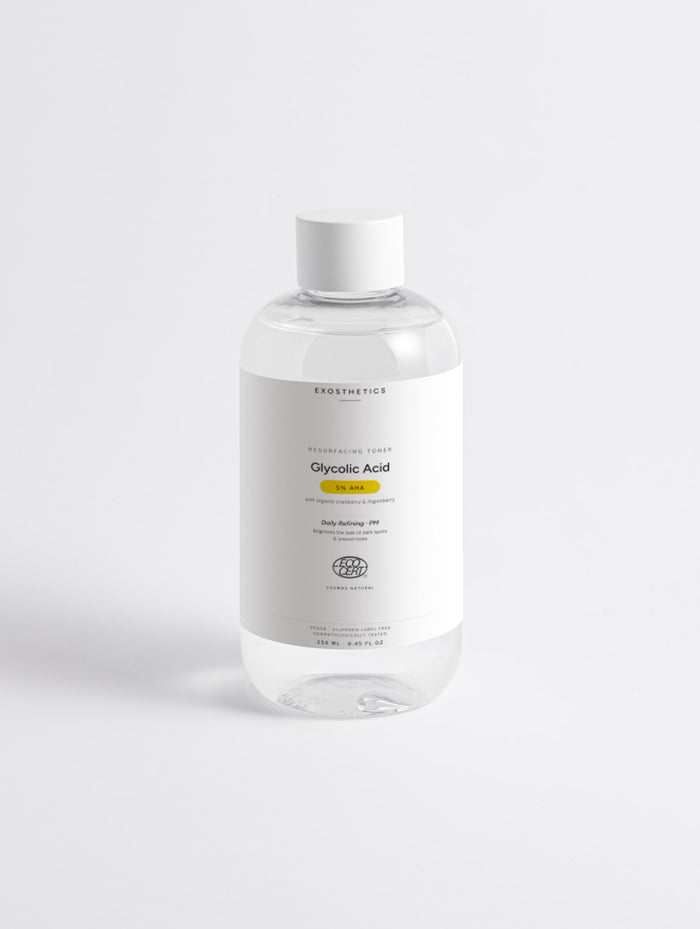
Note: for facial hyperpigmentation — where glycolic acid at clinical concentration is well-tolerated on face skin — we make The 5% Toner. It is not intended for feet or other body areas at the concentrations discussed here.
Frequently Asked Questions
Is hyperpigmentation on my feet after microneedling normal?
Yes, post-inflammatory hyperpigmentation appearing one to four weeks after microneedling on the feet is a known and relatively common occurrence. Feet are higher risk due to ongoing friction and pressure. It typically peaks around two to four weeks and should begin fading with proper aftercare.
Can exosomes help with hyperpigmentation on feet?
Exosome-based recovery products support faster resolution of post-procedure inflammation, which is the same process that triggers excess melanin production. By shortening the inflammatory window, they may help reduce the severity and duration of post-inflammatory hyperpigmentation on the feet.
When should I call my provider about dark patches on my feet?
Contact your provider if darkening is rapidly spreading, accompanied by skin hardening or pain, extending beyond a treatment area, or occurring with systemic symptoms like weakness, numbness, or unexplained fatigue. Blistering or oozing after a procedure also warrants immediate contact.
How long does hyperpigmentation on feet take to go away?
Mild cases may show improvement in six to twelve weeks with consistent treatment. Moderate post-inflammatory hyperpigmentation typically takes six to twelve months to resolve on the feet. Deep or dermal pigment may require twelve to eighteen months or longer.
Can I walk normally after a foot procedure that caused hyperpigmentation?
You can walk, but modifying your activity during the first two to four weeks of healing significantly impacts outcomes. Use soft-soled shoes, avoid prolonged standing, and consider offloading pads to reduce mechanical stress on treated areas during the critical healing window.
Why does hyperpigmentation on feet take longer to fade than on the face?
Feet endure constant mechanical stress from walking, have thicker skin with slower cell turnover, are enclosed in warm moist shoes that maintain melanocyte activity, and are practically difficult to protect from friction and pressure during healing.
Is dark skin on my feet a sign of diabetes?
Skin changes on the feet can be associated with diabetes and circulatory issues, but darkening alone is not diagnostic. If you have diabetes or risk factors, any new foot skin changes should be evaluated by your healthcare provider to rule out complications.
References
Al-Anbagi U, Ahmed S, Telfah H, Mohamedali M, Nashwan AJ, Ahmed M. When Foot Drop Tells a Bigger Story: POEMS (Polyneuropathy, Organomegaly, Endocrinopathy, Monoclonal Plasma Cell Disorder, and Skin Changes) Syndrome Revealed by Femoral Plasmacytoma. Cureus. 2026 Feb;18(2):e103751. doi: 10.7759/cureus.103751. PMID: 41869182.
Yu R, Zhang L, Li SG, Zhang J, Li J, Zou Y, Long T, Zhang Y, Yue G. Successful tocilizumab-based combination therapy for a case of rapidly progressive adult deep morphea with multiple antiphospholipid antibodies: a case report and literature review. Front Immunol. 2026;17:1764835. doi: 10.3389/fimmu.2026.1764835. PMID: 41756272.
Galindo CD, Uribe Isaza MM, Osorno Avendaño D, Lopez A, Fajardo LV. Ekbom Syndrome Following Cosmetic Biopolymer Injections Presenting With Neuropsychiatric Manifestations: A Case Report. Cureus. 2026 Apr;18(4):e107117. doi: 10.7759/cureus.107117. PMID: 41993763.
Ramírez-Fernández FJ, Velázquez-Jacobo I, Lozano-Platonoff A, Navarrete-Martínez M, Contreras-Ruiz J. Plantar-to-plantar punch skin grafts for a wound caused by crush injury. Wounds. 2026 Jan;38(1):7-11. doi: 10.25270/wnds/25053. PMID: 42024368.
Mohamed E. The efficacy and safety of a 577 nm diode laser in the treatment of cutaneous warts: A prospective single-arm study. Lasers Med Sci. 2026;41(1):104. doi: 10.1007/s10103-026-04891-8. PMID: 42234032.

The first week
Everything in this guide, in two products
Exosome Serum for the night of. 72-Hour+ Cream from day three. $99 together, ships from the US — arrives before it gets bad.
See the Kit — $99Table of Contents

Targeted 1% kojic acid for the look of dark spots.