
Inner Thigh Hyperpigmentation is one of the most common - yet least openly discussed - skin concerns that brings people to dermatology clinics and cosmetic treatment rooms every single day. Whether you are noticing gradual darkening that has crept in over the years or managing new hyperpigmentation that appeared after a recent procedure, you deserve clear, evidence-grounded answers about what is happening to your skin and what you can realistically do about it.
This guide is built differently from the typical listicle you will find online. We are going to walk you through the full spectrum - from benign cosmetic variation all the way to rare genetic syndromes that require urgent medical attention. We will be transparent about what the scientific evidence actually supports, where evidence gaps exist, and how to make informed decisions about your post-treatment care and microneedling aftercare in the inner thigh area.
Before we dive in, here is what you need to know about the evidence behind this article:
📋 Evidence Transparency Statement: The peer-reviewed sources used in this article are primarily case reports and reviews of rare genetic and inflammatory syndromes featuring hyperpigmented plaques with systemic disease (H syndrome, pigmented hypertrichotic dermatosis). They do not evaluate standard cosmetic treatments such as creams, peels, lasers, or microneedling for friction-related inner thigh darkening. Where the allowed evidence does not apply, this article states so explicitly. No unsupported efficacy claims are made.
Here is a quick map of what our scientific sources can and cannot tell us:
✅ Supported by allowed sources: Syndromic hyperpigmented dermatoses with systemic features, red flags requiring medical evaluation, reconstructive skin grafting for severe genital skin compromise.
❌ Not supported by allowed sources: Friction or PIH as a cause, OTC brightener efficacy, laser or microneedling outcomes, pregnancy-specific pigmentation mechanisms.
This distinction matters because it protects you from making decisions based on inflated promises. Let us get into it.
What Inner Thigh Hyperpigmentation Is?
At its most basic level, inner thigh hyperpigmentation refers to increased visible pigmentation of the inner thigh skin compared to surrounding areas. It is not a single condition - it is a descriptive term that can encompass a wide spectrum of presentations, from completely benign to medically significant.
Think of it as a spectrum:
→ On one end: benign cosmetic variation where your inner thighs are simply a shade or two darker than your outer thighs. This is common across virtually all skin tones and often requires no intervention whatsoever.
→ In the middle: post-inflammatory darkening that develops after friction, irritation, a skin condition, or a cosmetic procedure. This is what most people seeking treatment are dealing with.
→ On the far end: fixed, indurated (thickened and firm) hyperpigmented plaques that are part of syndromic genetic disease. These conditions, such as H syndrome caused by mutations in the SLC29A3 gene, present with characteristic hyperpigmented patches that are firm to the touch and often accompanied by excessive hair growth (hypertrichosis) over the affected areas (Hamad et al., 2024; Jaouadi et al., 2018).
The question for you is: where do you fall on this spectrum? The answer determines everything - from whether you need a dermatologist or an aesthetician, to whether post-procedure recovery products are appropriate for your situation.

Hyperpigmentation On The Inner Thigh And Groin
The inner thigh-groin junction holds particular diagnostic significance in dermatology. Certain syndromic dermatoses present with highly characteristic distributions in this exact area, making pattern recognition essential for proper evaluation.
Here is what clinicians look for when evaluating darkening in this zone:
→ Symmetric vs. asymmetric presentation - bilateral darkening suggests friction, hormonal causes, or genetic conditions, while asymmetric patches may indicate localized inflammation or post-procedural changes.
→ Flat discoloration vs. indurated or thickened plaques - this is perhaps the most critical distinction. Flat darkening is typically cosmetic. Thickened, firm plaques are a red flag.
→ Associated hypertrichosis - excessive hair growth directly over darkened areas is a hallmark feature of H syndrome and related conditions (Jaouadi et al., 2018).
→ Presence of systemic symptoms - fever, lymphadenopathy (swollen lymph nodes), or organ involvement elevates the concern significantly.
If you developed new darkening after a procedure in this area, pay attention to whether it follows the exact treatment zone (which likely represents post-inflammatory hyperpigmentation, or PIH) versus whether it extends beyond the treated area (which warrants re-evaluation by your provider). This distinction is particularly important for anyone managing post-treatment care following laser or microneedling sessions targeting the inner thigh.
Why The Skin On Your Upper Inner Thigh Looks Dark
Understanding why your upper inner thigh skin appears darker than surrounding areas requires thinking through a differential framework - essentially, a structured way of considering multiple possible explanations and narrowing them down based on your specific presentation.
Here is that framework presented honestly, with transparency about what our evidence base does and does not support:
Post-inflammatory hyperpigmentation (PIH): Flat darkening that follows a prior zone of irritation or treatment. Common after laser, chemical peels, microneedling, or even a resolved rash. Evidence in allowed sources? No.
Frictional melanosis: Bilateral, diffuse darkening that worsens with physical activity and tight clothing. Evidence in allowed sources? No.
Acanthosis nigricans: Characterized by a velvety texture in skin folds, often associated with insulin resistance. Evidence in allowed sources? No - though diabetes association with hyperpigmented skin findings is noted (Prendiville et al., 2007).
Hormonal changes (pregnancy or contraceptive): Onset correlates with hormonal shifts. Evidence in allowed sources? No.
Post-procedure darkening: Follows the exact treatment area, appears days to weeks after laser, peel, or microneedling. Evidence in allowed sources? No.
Fixed hyperpigmented plaques (syndromic or genetic): Indurated, hypertrichotic, accompanied by systemic signs. Evidence in allowed sources? Yes - well documented in H syndrome literature (Hamad et al., 2024; Jaouadi et al., 2018; Ventura-Espejo et al., 2021).
⚠️ Reality check: If your dark patches are thickened, firm, growing hair over the affected areas, or accompanied by any systemic symptom such as swollen lymph nodes, unexplained fevers, or organ symptoms - stop treating cosmetically and get evaluated by a dermatologist immediately.
What Causes Inner Thigh Hyperpigmentation
Let us break down the causes in a structured way that helps you understand both where you likely fit and when to be concerned:
H syndrome (SLC29A3 mutation): This rare genetic condition presents with hyperpigmented indurated plaques with hypertrichosis, alongside systemic involvement including lymphadenopathy, hepatosplenomegaly, cardiac involvement, and in severe cases, digital ischemia. Hamad et al. (2024) describe this as a "histiocytosis-lymphadenopathy plus syndrome" with multi-organ involvement. Post-procedure relevance: none - this is a pre-existing genetic condition that would not be treated cosmetically.
Pigmented hypertrichotic dermatosis with diabetes: Prendiville et al. (2007) described patients presenting with hyperpigmented patches with excessive hair growth alongside insulin-dependent diabetes onset in childhood. This represents a unique genetic disorder with multi-system involvement. Post-procedure relevance: none.
Friction and chafing: Widely discussed in clinical practice as bilateral diffuse darkening without induration. No red flags typically present. Post-procedure relevance: may darken further if treated then re-exposed to friction without adequate protection during healing. Evidence in allowed sources: none.
PIH post-treatment: Flat darkening confined to the treatment zone, common after laser or microneedling especially in darker skin tones. Red flag would be worsening beyond 8 weeks or spreading beyond the treated area. Direct relevance to post-treatment care. Evidence in allowed sources: none.
Hormonal causes: Diffuse, bilateral darkening with onset correlating to pregnancy or oral contraceptive use. May affect healing timelines after procedures. Evidence in allowed sources: none.
(Hamad et al., 2024; Jaouadi et al., 2018; Ventura-Espejo et al., 2021; Prendiville et al., 2007)
Chafing And Friction As A Cause
Friction is one of the most commonly cited contributors to inner thigh darkening in clinical practice and patient discussions. However, we must be transparent: the provided peer-reviewed studies do not evaluate friction as a mechanism for inner thigh hyperpigmentation. What follows is practical clinical reasoning, not evidence from our allowed sources.
The suspected mechanism works like this: repetitive mechanical irritation from skin-on-skin contact or tight clothing triggers a low-grade inflammatory cascade. Over time, this inflammation stimulates melanocytes (pigment-producing cells) to deposit excess melanin in the area. The result is bilateral, symmetrical darkening that correlates with activity levels and clothing choices.
Supporting signs that friction is your likely cause:
→ Darkening is bilateral and relatively symmetrical
→ It worsens during summer months or periods of increased physical activity
→ The skin is flat and soft - not thickened or firm
→ No hair growth over the darkened areas beyond your normal pattern
→ No systemic symptoms whatsoever
Post-procedure relevance: If you have undergone microneedling or laser treatment in the inner thigh area, friction during the recovery period may worsen post-inflammatory hyperpigmentation or compromise your healing. Reducing mechanical irritation during recovery is a practical priority - even without trial-level data specifically proving this in the inner thigh context. Loose-fitting clothing, moisture-wicking fabrics, and barrier products can be discussed with your provider.

Inner Thigh Hyperpigmentation In Men
Men experience inner thigh darkening at rates that are likely comparable to women, yet they search for information about it far less frequently. This leads to significant underrepresentation in consumer content and, unfortunately, delays in seeking evaluation when something more serious might be present.
From a medical perspective, the rare syndromic conditions documented in our allowed sources - including H syndrome - affect both sexes. Hamad et al. (2024) describe cases across male and female patients, with the characteristic hyperpigmented indurated plaques presenting similarly regardless of gender.
For men pursuing cosmetic treatment (laser, microneedling, or chemical peels) in the groin and inner thigh area, there are unique aftercare considerations:
→ Hair growth patterns in this area may complicate healing and increase folliculitis risk post-procedure
→ Clothing friction from traditional men's underwear and athletic wear creates ongoing mechanical stress
→ Higher sweat production in some men creates a moisture environment that can affect post-treatment recovery
These practical considerations - while not proven in our specific source papers - are worth discussing with your treatment provider when planning procedures and recovery protocols for this area.
Dark Inner Thighs After Pregnancy
Many people notice that inner thigh darkening persists well after pregnancy has ended. This brings them to seek cosmetic treatments - sometimes months or years after delivery - to address pigmentation changes that did not resolve on their own.
📋 Evidence gap clearly stated: Pregnancy-related pigmentation changes are not addressed in any of our allowed peer-reviewed sources. What follows is practical clinical framing only.
In general clinical understanding, hormonal pigmentation during pregnancy often involves midline structures and intertriginous (skin fold) areas, including the inner thighs. Persistence beyond 6-12 months postpartum without any improvement may warrant evaluation to rule out other contributing factors.
For those considering post-pregnancy treatment: timing of procedures relative to breastfeeding and hormonal normalization matters significantly. Most providers recommend waiting until hormones have stabilized before investing in pigment-targeting treatments, as active hormonal flux can undermine results. This is a conversation for your clinician, not something to self-determine.
Inner Thigh Pigmentation During Pregnancy
Active pregnancy introduces a unique set of considerations for anyone already dealing with - or newly noticing - inner thigh pigmentation. Hormonal surges, particularly increases in estrogen and progesterone, are widely understood to influence melanocyte activity, though this mechanism is not evaluated in our allowed source materials.
What we can say practically: if you are pregnant and noticing new darkening on your inner thighs, this is commonly reported and typically not a cause for alarm on its own. However, if the darkening is accompanied by thickening of the skin, firm plaques, excessive new hair growth over the patches, or any systemic symptoms, these findings warrant evaluation regardless of pregnancy status.
Treatment during pregnancy is generally limited. Most brightening agents, chemical peels, and procedures are either contraindicated or lack safety data in pregnancy. The priority during this time is documentation (noting when changes appeared and their progression) and patience - with the understanding that many pregnancy-related pigment changes begin to improve postpartum.
Inner Thigh Hyperpigmentation And Bumps
This is where we need to be particularly direct: if your hyperpigmented patches are accompanied by nodules, papules, firm masses, or any palpable changes in skin texture, this moves beyond a cosmetic concern and into territory that requires medical evaluation.
H syndrome can present with multi-organ infiltration and palpable findings. Ventura-Espejo et al. (2021) described a patient with H syndrome who developed cardiogenic shock, multiorgan infiltration, and digital ischemia - all beginning with characteristic hyperpigmented skin findings. Hamad et al. (2024) further document the spectrum of findings that can accompany hyperpigmented plaques in this condition, including lymphadenopathy and hepatosplenomegaly.
⚠️ Actionable guidance:
→ Do not treat bumps combined with pigmentation as a purely cosmetic issue
→ Do not microneedle over undiagnosed nodules or firm plaques
→ Do not apply brightening products to areas with unexplained lumps without first getting a clinical assessment
→ If your provider has already evaluated and cleared the bumps as benign (such as folliculitis or ingrown hairs), then cosmetic treatment can proceed with appropriate guidance
(Ventura-Espejo et al., 2021; Hamad et al., 2024)
Is Inner Thigh Pigmentation Normal?
The short answer: yes, some degree of inner thigh pigmentation variation is normal across all skin tones. The inner thighs are naturally slightly darker than exposed or non-friction areas in many people, and this alone does not constitute a medical problem.
However, no quantitative data defining "normal" inner thigh pigmentation exists in our allowed sources. What we can offer instead is a practical decision framework:
Likely benign:
→ Stable for years with no significant change
→ Flat and soft to the touch
→ No associated symptoms of any kind
→ Symmetric and diffuse
→ No systemic health complaints
Warrants evaluation:
→ Rapid progression over weeks to months
→ Indurated, thickened, or firm texture
→ Hypertrichosis (excessive hair growth) directly over the darkened plaques
→ Patterned plaques with sharp, well-defined borders
→ Lymphadenopathy, organ symptoms, or digital ischemia
This framework draws from the clinical presentations documented in H syndrome literature (Hamad et al., 2024; Jaouadi et al., 2018). If you check any boxes in the "warrants evaluation" column, please see a dermatologist before pursuing any cosmetic treatment.
When Dark Inner Thighs Signal A Medical Issue (Acanthosis Nigricans)
Acanthosis nigricans (AN) is one of the most commonly discussed medical associations with darkened skin in body folds, including the inner thighs. However, we must be clear: acanthosis nigricans as a specific entity is not directly evaluated in our provided studies.
What IS supported by our evidence is the association between hyperpigmented skin findings and diabetes. Prendiville et al. (2007) described a condition they termed "pigmented hypertrichotic dermatosis" occurring alongside insulin-dependent diabetes in what they proposed might be a unique genetic disorder. This is distinct from typical acanthosis nigricans but establishes the principle that hyperpigmented skin findings can be markers of metabolic disease.
Additionally, Hamad et al. (2024) document that H syndrome includes associations with insulin-dependent diabetes as part of its multi-system involvement.
Rather than making claims about AN specifically, here is a medical association checklist drawn from allowed evidence - if your inner thigh darkening co-occurs with any of these, medical evaluation is warranted:
→ Insulin-dependent diabetes or significant insulin resistance with skin findings
→ Cardiac involvement or unexplained cardiovascular symptoms
→ Hepatosplenomegaly (enlarged liver and/or spleen)
→ Histiocytic infiltration or unexplained lymphadenopathy
→ Hearing loss (described in H syndrome spectrum)
(Prendiville et al., 2007; Hamad et al., 2024)

Severe Inner Thigh Hyperpigmentation
When we say "severe" in a medical context, we are not talking about cosmetically bothersome darkening that covers a large area. Severity here means: indurated, extensive, progressive, or associated with systemic compromise.
The most serious documented presentations come from H syndrome case reports. Ventura-Espejo et al. (2021) describe a patient who progressed from characteristic hyperpigmented plaques to cardiogenic shock, multiorgan infiltration with histiocytes, and digital ischemia requiring intensive care. This represents the extreme end of what can begin as seemingly "just" skin darkening.
Hamad et al. (2024) further document the spectrum of severity in H syndrome, noting that the condition can involve progressive multi-organ infiltration over time.
🚨 Urgent referral criteria - seek emergency or urgent dermatology and internal medicine evaluation if you have:
→ Plaque-like skin changes combined with shortness of breath or cardiac symptoms
→ Skin changes combined with unexplained weight loss or progressive lymphadenopathy
→ Any ischemic changes (color changes, pain, numbness) in fingers or toes alongside skin findings
→ Progressive firmness or induration of previously flat patches
These scenarios are rare. But they underscore why we emphasize getting proper evaluation before treating inner thigh darkening purely as a cosmetic concern, especially when any atypical features are present.
(Ventura-Espejo et al., 2021; Hamad et al., 2024)
Does Inner Thigh Hyperpigmentation Go Away On Its Own?
The answer depends entirely on the cause - and this is where honest expectation-setting becomes critical.
Syndromic hyperpigmentation (H syndrome and related conditions): Spontaneous resolution is not established in the literature. These conditions are described as chronic and in some cases progressive (Hamad et al., 2024). The hyperpigmented plaques do not resolve on their own.
Cosmetic hyperpigmentation and PIH: This represents an evidence gap in our allowed sources. However, in general clinical practice, transient post-inflammatory hyperpigmentation is expected to gradually improve over weeks to months when the triggering factor is removed and proper aftercare is maintained. This is clinical reasoning, not a claim proven by our specific papers.
What this means for you practically: If you are recovering from a procedure (microneedling, laser, chemical peel) and noticing darkening in the treatment zone, this follows a different trajectory than chronic structural pigmentation. The post-treatment darkening phase is generally considered transient - but "transient" can mean 3-12 months depending on your skin tone, the procedure depth, and your aftercare adherence.
Patience combined with proper post-treatment care is the realistic path forward. Rushing to treat PIH with additional aggressive procedures often backfires, creating more inflammation and more pigment.
Does It Go Away With Weight Loss?
📋 No data exists in our provided studies addressing this question. We will not manufacture an answer where evidence does not exist.
What we can offer as practical clinical reasoning (not sourced from our papers): if friction was a primary contributing factor to your inner thigh darkening, then reducing the mechanical irritation - whether through weight loss, clothing changes, or barrier products - may theoretically help over time by removing the ongoing inflammatory stimulus. However, pigment that has already been deposited may persist and require active treatment to fade.
Weight loss alone should not be positioned as a "solution" to inner thigh hyperpigmentation. The relationship between body composition and skin friction is individual, and many lean individuals experience inner thigh darkening as well.
Is Inner Thigh Hyperpigmentation Permanent?
This question requires a nuanced answer based on the type of hyperpigmentation present:
Syndromic: Based on available literature, the hyperpigmented indurated plaques of H syndrome and related conditions appear chronic and potentially progressive. No spontaneous resolution has been documented (Hamad et al., 2024).
Cosmetic (friction, PIH, hormonal): This depends on the cause and intervention. Evidence gap in our allowed sources means we cannot make definitive claims. However, it would be inaccurate to tell someone that all inner thigh darkening is permanent - that would be as unsupported as telling them it will definitely resolve.
Post-procedure context: The permanence or impermanence of your results after treatment depends on several factors including aftercare adherence, ongoing sun and friction protection, and whether the underlying trigger (friction, hormonal influence, etc.) persists. This is precisely why proper post-treatment care and recovery protocols matter - they protect the investment you have made in treatment.
Think of it this way: a procedure can reset the pigment, but without addressing what caused the darkening in the first place, recurrence is likely. Your recovery protocol is not just about healing - it is about maintaining your results long-term.

How To Get Rid Of Inner Thigh Hyperpigmentation
Before jumping to treatments, you need to go through a decision process. Here is a simplified treatment decision framework:
Step 1 - Check for red flags:
→ Is the skin indurated or firm? → See dermatology
→ Is there hypertrichosis over the patches? → See dermatology
→ Any systemic symptoms? → See dermatology
→ Rapid progression? → See dermatology
Step 2 - If no red flags, consider cosmetic approach:
→ Treatment options include topicals, chemical peels, laser, and microneedling
→ None of these are evaluated in our allowed sources for inner thigh hyperpigmentation specifically
→ Choice depends on severity, skin tone, budget, and tolerance for downtime
Step 3 - Commit to post-treatment care:
→ The procedure is only half the equation
→ Recovery protocol determines whether you keep your results
→ Exosome-based recovery products may support the healing phase (discuss with provider)
This is not a situation where one treatment fits all. Your dermatologist or aesthetician should be evaluating your specific skin tone (Fitzpatrick type), the depth of pigmentation (epidermal vs. dermal), and your lifestyle factors (activity level, clothing choices) before recommending a protocol.
How To Fade And Lighten Dark Inner Thighs
📋 Evidence transparency: No topical or procedural treatment for cosmetic inner thigh hyperpigmentation is evaluated in our allowed studies. The following represents widely discussed clinical approaches, not claims supported by our specific evidence base.
Fading inner thigh hyperpigmentation generally follows a stepwise approach in clinical practice:
First line - Topical agents: Brightening ingredients applied consistently over 8-12 weeks to gradually reduce melanin production and promote cell turnover in the affected area.
Second line - In-office procedures: Chemical peels, laser treatments, or microneedling when topicals alone are insufficient. These create controlled injury to stimulate skin renewal - but they also carry PIH risk, especially in darker skin tones.
Third line - Combination protocols: Many providers combine procedures with pre-treatment and post-treatment topical regimens for optimal outcomes.
The critical point that gets overlooked: the inner thigh is a high-friction, high-moisture zone that makes every treatment harder to maintain. Whatever fading strategy you pursue, you must simultaneously address the mechanical and environmental factors that darken this area. Otherwise, you are fighting a battle on two fronts with only one strategy.
Home Remedies For Inner Thigh Pigmentation
Let us be straightforward: no home remedy for inner thigh pigmentation is evaluated in our allowed sources, and the internet is overflowing with unsubstantiated claims about lemon juice, turmeric pastes, and baking soda scrubs that can actually irritate sensitive inner thigh skin and worsen pigmentation.
What we can say responsibly:
→ Reducing friction through proper clothing and barrier products is a reasonable first step that carries minimal risk
→ Keeping the area moisturized may support skin barrier function
→ Avoiding irritants (harsh scrubs, fragranced products, tight synthetic fabrics) is sensible regardless of what else you do
→ Over-the-counter products with evidence-backed brightening ingredients (discussed below) are a more rational approach than kitchen remedies
The inner thigh area is delicate. It is intertriginous (skin folds touching), prone to moisture buildup, and sensitive to pH changes. DIY approaches that might be tolerable on your face can cause significant irritation here, potentially triggering - you guessed it - more post-inflammatory hyperpigmentation. Proceed with caution and consider this area deserving of gentle, well-formulated products rather than improvised treatments.
Best Creams And Products For Inner Thigh Hyperpigmentation
📋 Evidence transparency: No specific cream or product for inner thigh hyperpigmentation is evaluated in our allowed source materials. The following discusses commonly recommended ingredient categories based on their general mechanisms. No efficacy claims specific to inner thigh application are made.
When selecting products for this area, consider the unique environment you are treating:
→ High moisture means cream formulations may occlude pores - lighter serums or lotions may be preferable
→ Friction means anything you apply gets rubbed off quickly - application timing matters (bedtime may be optimal)
→ Skin sensitivity in intertriginous areas means you should start with lower concentrations than you would use on your face
→ For post-procedure recovery, your treatment provider should guide product selection to avoid compromising healing
The categories most discussed for pigmentation management include tyrosinase inhibitors (which reduce melanin production), exfoliants (which promote cell turnover), and anti-inflammatory agents (which calm the inflammation that triggers pigment production). Let us look at the key players.
Azelaic Acid For Inner Thigh Hyperpigmentation
Azelaic acid is frequently discussed in dermatology for hyperpigmentation because of its dual action as both a tyrosinase inhibitor and a mild exfoliant. It is generally considered well-tolerated in sensitive areas, which makes it a commonly mentioned option for intertriginous zones like the inner thigh.
📋 No data on azelaic acid exists in our allowed sources. Its mechanism of action (inhibiting abnormal melanocyte activity) is established in broader dermatology literature, but we cannot cite specific efficacy data from our papers.
Practical considerations for inner thigh use: typically available in 10-20% formulations, generally well-tolerated without the photosensitivity concerns of some other brightening agents, and may be used during pregnancy in some formulations (consult your provider). The lower irritation profile makes it a common starting point for sensitive areas.
Glycolic Acid For Inner Thigh Hyperpigmentation
Glycolic acid is an alpha-hydroxy acid (AHA) that promotes cell turnover through exfoliation of the stratum corneum. By accelerating the shedding of pigmented surface cells, it is commonly recommended as part of pigmentation management protocols.
📋 No data on glycolic acid exists in our allowed sources.
Practical considerations for inner thigh application: this area is more sensitive than facial skin to chemical exfoliants due to the thinner skin and occlusive environment. Start with lower percentages (5-10%) and monitor for irritation. Glycolic acid in the inner thigh area can cause stinging, especially if applied to skin that is already compromised by friction. Avoid use immediately after shaving or waxing, and do not use during active recovery from procedures unless specifically directed by your provider.
Other Brightening Ingredients (Niacinamide, Vitamin C, Tranexamic Acid)
Beyond the primary acids, several other ingredients are commonly incorporated into pigmentation management protocols:
Niacinamide (Vitamin B3): Discussed for its ability to inhibit melanosome transfer from melanocytes to keratinocytes. Generally very well-tolerated, anti-inflammatory, and supportive of skin barrier function. Low irritation potential makes it suitable for sensitive areas.
Vitamin C (L-ascorbic acid and derivatives): An antioxidant that inhibits tyrosinase and may reduce melanin production. Stability is a concern - L-ascorbic acid degrades rapidly, and the warm, moist inner thigh environment may accelerate breakdown. Stable derivatives may be preferable for this area.
Tranexamic acid: Gaining attention for pigmentation management through its action on the plasminogen pathway. Available in topical and oral formulations. Emerging ingredient with growing clinical interest for post-inflammatory pigmentation.
📋 None of these ingredients are evaluated in our allowed sources for any application. They are discussed here because they represent the current landscape of what providers commonly recommend. Your results with any ingredient will be individual, and consistency over months - not days - is what determines outcomes.
Laser Treatment For Inner Thigh Hyperpigmentation
Laser treatments for pigmentation work by targeting melanin with specific wavelengths of light, breaking up pigment deposits that the body then clears through natural processes. Various laser modalities exist - from Q-switched lasers to picosecond lasers to fractional devices - each with different mechanisms and risk profiles.
📋 No laser treatment data exists in our allowed sources for inner thigh hyperpigmentation.
What you should know practically:
→ Laser treatment in darker skin tones (Fitzpatrick IV-VI) carries significant PIH risk - the very problem you are trying to solve
→ The inner thigh presents unique challenges: friction during healing, moisture, limited ability to keep the area completely protected
→ Multiple sessions are typically required
→ Post-procedure darkening (transient PIH) is common and expected - this is where proper post-treatment care becomes critical
→ Recovery protocols including exosome-based products, anti-inflammatory agents, and friction reduction may support healing
If you are reading this during recovery from laser treatment on your inner thighs: temporary darkening in the treatment zone is a known response. It should be flat, confined to the treated area, and gradually improving. If it is worsening after 8 weeks, spreading, or developing any texture changes, contact your provider.
Inner Thigh Hyperpigmentation Surgery - And When It's Worth It
Surgery for inner thigh hyperpigmentation is rare and generally reserved for cases involving structural skin compromise rather than cosmetic pigmentation alone.
Our allowed sources provide one relevant surgical context: Wang et al. (2026) describe the use of an Integra dermal regeneration template and split-thickness skin graft for salvage of flap necrosis in genital melanosis. While this case involves the penis rather than the inner thigh specifically, it demonstrates that reconstructive approaches exist for severe pigmented skin conditions that have failed other management or involve tissue compromise.
When might surgery be relevant?
→ Structural skin damage that cannot be addressed with surface treatments
→ Failed previous interventions with progressive tissue compromise
→ Cases where the skin integrity itself is at risk, not just its color
For the vast majority of people with cosmetic inner thigh darkening, surgery is not appropriate, not indicated, and carries risks (scarring, healing complications in a high-friction zone) that far outweigh potential benefits. This section exists to acknowledge that surgical options exist on the extreme end of the spectrum, not to suggest them as a treatment pathway for typical hyperpigmentation.
(Wang et al., 2026)
How To Stop Inner Thigh Hyperpigmentation Coming Back
Prevention of recurrence is arguably more important than initial treatment - because if the underlying triggers persist, no amount of laser, microneedling, or topical treatment will produce lasting results.
📋 No prevention data exists in our allowed sources. The following represents practical clinical reasoning.
A prevention framework for post-treatment maintenance:
Address friction: Moisture-wicking undergarments, anti-chafe products, and clothing choices that minimize skin-on-skin contact. This is especially critical during the post-procedure healing period.
Maintain your results with topicals: Many providers recommend ongoing use of brightening products at maintenance concentrations (lower than treatment-phase concentrations) to prevent pigment from re-accumulating.
Protect during recovery: Post-treatment care protocols - including gentle cleansing, barrier repair, anti-inflammatory agents, and potentially exosome-based recovery products - create the optimal healing environment that prevents PIH from developing in the first place.
Manage hormonal contributors: If hormonal changes contributed to your pigmentation, discuss ongoing management with your physician.
Monitor for changes: Take photos periodically. If you notice recurrence despite good maintenance, reassess with your provider rather than simply repeating treatments blindly.
Before And After: Realistic Results And Timeline
Let us set realistic expectations, because nothing derails treatment satisfaction faster than mismatched timelines:
📋 No outcome data or timeline data exists in our allowed sources for cosmetic inner thigh treatments. The following represents general clinical expectations widely discussed in practice.
Topicals alone: Expect 3-6 months of consistent daily use before judging results. Improvement is gradual - you likely will not notice it week to week but will see it in comparison photos over months.
Post-procedure (laser/microneedling): Initial darkening in the treatment zone is common in the first 1-4 weeks. This is expected and does not mean the treatment failed. Gradual improvement typically begins after the inflammatory phase resolves. Full results may take 3-6 months and multiple sessions.
Combination approach: Pre-treatment with topicals (4-6 weeks before procedure), procedure, then post-treatment care protocol with recovery products. This comprehensive approach generally produces the most predictable outcomes.
What "success" looks like realistically:
→ Significant lightening - yes, achievable for many people
→ Perfect color match with surrounding skin - less predictable, especially for deeper pigmentation
→ Permanent results without maintenance - unlikely unless you also address the underlying cause
Photograph your inner thighs in consistent lighting at the start of treatment and monthly thereafter. This objective record is far more reliable than your daily impression in the mirror, which is subject to lighting changes, mood, and adaptation bias.
Post-Treatment Care: Protecting Your Results
If you have undergone or are planning microneedling, laser, or chemical peels for inner thigh darkening, your post-treatment care protocol is not optional - it is where your results are either preserved or lost.
The inner thigh is arguably one of the most challenging areas to heal after a cosmetic procedure because of the constant friction, moisture, and inability to completely rest the area. Here is what matters:
→ Gentle cleansing: Keep the area clean without stripping the skin barrier. Avoid scrubs, exfoliants, and fragranced products during healing.
→ Barrier support: The skin barrier must be intact for proper healing. Products that support barrier recovery help prevent the inflammation that triggers PIH.
→ Friction reduction: Loose clothing, anti-chafe barriers, and limiting intense physical activity during the initial healing window.
→ Anti-inflammatory support: Calming ingredients that reduce the inflammatory cascade responsible for post-procedural pigmentation.
→ Exosome-based recovery: Exosome products are increasingly incorporated into post-treatment protocols for their potential to support cellular recovery and reduce inflammation during the healing phase. Discuss with your provider whether these are appropriate for your specific treatment and skin type.
The first 72 hours after a procedure are critical. The decisions you make during this window - what you apply, what you avoid, how you protect the area - disproportionately influence your outcome.
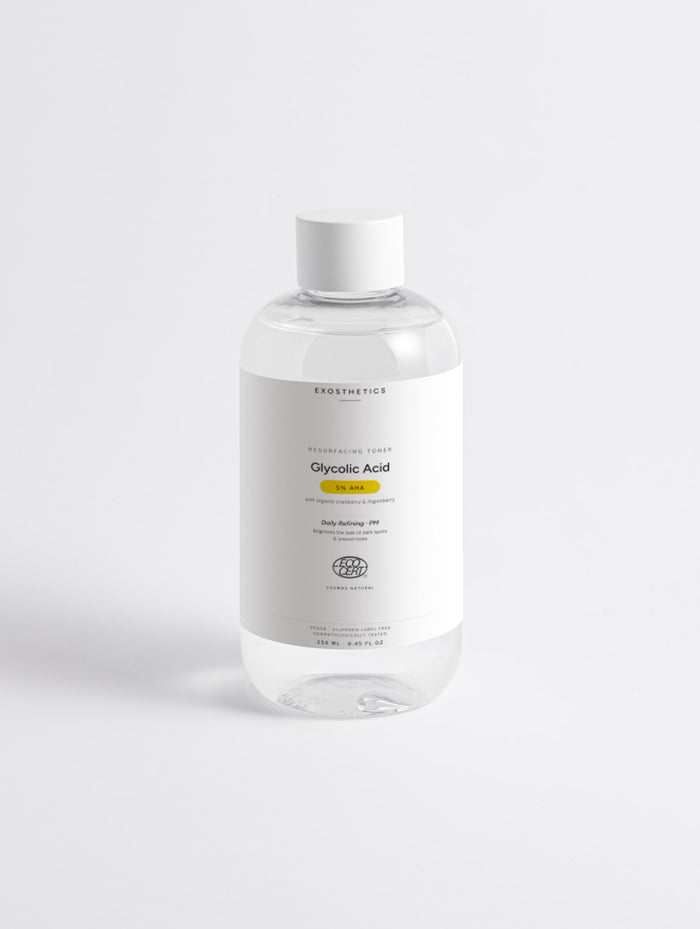
For facial hyperpigmentation and post-procedure recovery on the face specifically, we built The 5% Toner around this exact concern — clinical concentration with an Allergen Label Free formulation that supports rather than compromises recovering skin.
Frequently Asked Questions
Is darkening after microneedling on inner thighs normal?
Temporary darkening in the exact treatment zone after microneedling is a common post-inflammatory response, especially in medium to darker skin tones. It typically begins resolving within 2-8 weeks with proper aftercare. If it worsens beyond 8 weeks or spreads past the treatment area, contact your provider.
How long does inner thigh hyperpigmentation take to fade after treatment?
Results timelines vary by treatment type and individual factors, but most people begin seeing improvement 4-12 weeks after a procedure, with full results developing over 3-6 months. Topicals alone typically require 3-6 months of consistent use before visible changes.
Can exosomes help with post-procedure darkening on inner thighs?
Exosome-based recovery products are used in post-treatment protocols for their potential to support cellular healing and calm inflammation during the recovery phase. They are not a standalone treatment for hyperpigmentation but may optimize your healing environment when used as part of a comprehensive aftercare plan guided by your provider.
When should I see a doctor about dark inner thighs?
Seek medical evaluation if your darkening is accompanied by skin thickening or firmness, excessive hair growth over the patches, rapid progression, lumps or nodules, or any systemic symptoms like swollen lymph nodes or unexplained fatigue. These features may indicate conditions requiring medical workup beyond cosmetic treatment.
Is inner thigh hyperpigmentation a sign of diabetes?
Darkened skin in body folds can sometimes be associated with insulin resistance, but inner thigh darkening alone is not diagnostic of diabetes. Studies have documented associations between hyperpigmented skin findings and insulin-dependent diabetes in specific genetic syndromes (Prendiville et al., 2007). If you have concerns, blood sugar testing provides a definitive answer.
Can I prevent inner thigh darkening from coming back after laser?
Prevention of recurrence requires addressing the underlying triggers - primarily friction, moisture, and any hormonal contributors. Consistent use of maintenance-phase topicals, friction-reducing strategies, and proper post-treatment care all contribute to longer-lasting results after laser procedures.
References
Hamad A, Elwaheidi H, Salameh F, Alyahya M, El Fakih R, Aljurf M. H syndrome: A histiocytosis-lymphadenopathy plus syndrome. A comprehensive review of the literature. Hematol Oncol Stem Cell Ther. 2024;17(3):159-167. doi:10.4103/hemoncstem.HEMONCSTEM-D-24-00004. PMID: 39412751.
Jaouadi H, Zaouak A, Sellami K, et al. H syndrome: Clinical, histological and genetic investigation in Tunisian patients. J Dermatol. 2018;45(8):978-985. doi:10.1111/1346-8138.14359. PMID: 29808591.
Ventura-Espejo L, Gracia-Darder I, Escribá-Bori S, Amador-González ER, Martín-Santiago A, Ramakers J. Patient with H syndrome, cardiogenic shock, multiorgan infiltration, and digital ischemia. Pediatr Rheumatol Online J. 2021;19(1):104. doi:10.1186/s12969-021-00586-2. PMID: 34193201.
Prendiville J, Rogers M, Kan A, et al. Pigmented hypertrichotic dermatosis and insulin dependent diabetes: manifestations of a unique genetic disorder? Pediatr Dermatol. 2007;24(2):101-107. doi:10.1111/j.1525-1470.2007.00352.x. PMID: 17461801.
Wang W, Lou YF, Yang LF, Zhou P. Salvage of preputial flap necrosis in penile glans melanosis using Integra dermal regeneration template and split-thickness skin graft: A case report. Medicine (Baltimore). 2026;105(20):e48843. doi:10.1097/MD.0000000000048843. PMID: 42152403.

The first week
Everything in this guide, in two products
Exosome Serum for the night of. 72-Hour+ Cream from day three. $99 together, ships from the US — arrives before it gets bad.
See the Kit — $99Table of Contents

Targeted 1% kojic acid for the look of dark spots.