
Vaginal hyperpigmentation is one of the most commonly searched yet widely misunderstood skin concerns affecting people of all ages, skin tones, and backgrounds. Whether you're noticing gradual darkening in your intimate areas, dealing with post-procedure changes, or simply trying to understand what's normal versus what warrants a doctor's visit, you deserve honest, medically grounded answers about hyperpigmentation - not marketing hype or shame-driven messaging.
This guide breaks down everything you need to know about genital skin darkening: what causes it, when it's perfectly normal, when it needs evaluation, and what treatment options realistically look like in terms of results, timelines, and aftercare. We'll be straightforward about what the science supports and what remains in the "we need more research" category - because your intimate health deserves that level of honesty.
Vulva vs. Vagina: Anatomy Terms That Prevent Confusion
Before we go further, let's clear up a terminology issue that creates confusion in nearly every conversation about this topic. When most people say "vaginal hyperpigmentation," they're actually referring to darkening of the vulva - the external genital skin you can see. The vagina is the internal canal, and its tissue behaves very differently from outer skin.
Here's why this distinction matters for treatment:
➡️ The vulva includes the labia majora, labia minora, mons pubis, clitoral hood, and perineum. These are external structures with varying degrees of keratinization (skin thickness and toughness).
➡️ The vaginal canal is internal mucosal tissue - it does not develop "hyperpigmentation" in the way external skin does.
➡️ Treatment approaches differ dramatically based on sub-area. Keratinized skin on the mons pubis can tolerate ingredients and procedures that would be harmful to the delicate mucosal borders of the labia minora.
Throughout this article, when we say "genital hyperpigmentation," we're primarily referring to the external vulvar skin and surrounding areas including the groin folds and inner thighs - the areas people are actually concerned about and seeking treatment for.
What Is Vaginal Hyperpigmentation
Vaginal hyperpigmentation - more accurately called vulvar or genital hyperpigmentation - describes increased visible pigmentation in the skin of the genital and surrounding areas compared to a person's own baseline skin tone. It is not a diagnosis. It is a description of what you're seeing, and the underlying cause determines whether it's a cosmetic variation or something requiring medical attention.
Think of it this way: "hyperpigmentation" simply means "more pigment than expected in this area." Your skin produces melanin through specialized cells called melanocytes, and various triggers can cause these cells to produce more pigment or distribute it differently. In genital skin, this process is influenced by a unique combination of factors - hormonal sensitivity, friction patterns, moisture levels, and the inherent characteristics of skin in this region.
What hyperpigmentation is NOT: it is not a disease, it is not inherently dangerous, and it is not something that requires treatment unless you personally want to address it for cosmetic reasons - after confirming with a clinician that what you're seeing is indeed cosmetic variation and not something else.

Genital Skin Hyperpigmentation Explained
To understand why genital skin behaves differently from, say, the skin on your forearm, you need to appreciate its unique biological environment. Genital skin is thinner in many areas, has higher blood flow, contains more hormone receptors, and exists in a semi-occluded environment with constant moisture and friction.
Pigmentation in any skin area is influenced by biological pathways involving oxidative stress, inflammatory signaling, and cellular communication. Research into compounds like epigallocatechin-gallate (EGCG) has demonstrated that antioxidant and anti-inflammatory mechanisms play significant roles in skin cell health and pigment-related pathways. A comprehensive review by Rovaldi et al. (2025) documented EGCG's effects on oxidative stress modulation, inflammatory pathway regulation, and cellular signaling - all processes relevant to how skin produces and distributes pigment (PMID: 41009815).
However - and this is important - understanding that these biological pathways exist does not mean we have direct clinical evidence for treating vulvar hyperpigmentation specifically. The genital area's unique characteristics (occlusion, moisture, hormonal density, friction) mean that findings from facial or body skin cannot be automatically applied here.
Does Hyperpigmentation Make Your Skin Darker
Yes, by definition. Hyperpigmentation means the skin appears darker than your own personal baseline in that area. But "darker" is far more nuanced than it sounds, and perception of darkening varies significantly based on several factors:
🔹 Lighting conditions - skin can appear dramatically different under warm versus cool light, natural versus artificial illumination
🔹 Hydration status - well-moisturized skin often appears lighter or more even than dry, flaky skin
🔹 Hormonal state - pigmentation can fluctuate throughout menstrual cycles, pregnancy, and with medication changes
🔹 Inflammation - active irritation causes temporary redness or darkening that resolves
🔹 Temperature - increased blood flow during exercise or warmth can alter skin appearance
For post-procedure patients, this is especially critical to understand: treated skin often appears temporarily darker during the healing phase due to inflammatory responses, micro-crusting, or oxidation of treated pigment. This is a normal part of the healing cascade, not evidence that your treatment failed or made things worse. The timeline for this temporary darkening to resolve varies by treatment type and individual healing speed.
Research confirms that hormonal factors significantly influence pigmentary conditions. Abdeen et al. (2026) reviewed the relationship between hormone replacement therapy and melasma development, demonstrating that hormonal shifts can directly modulate pigment behavior in skin (PMID: 41603615). While this research focused on facial melasma, it supports the broader principle that hormonal changes alter how skin produces and retains pigment - a principle that applies to hormonally-sensitive genital skin as well.
Is Hyperpigmentation Dark Spots
Not always - and this distinction matters more than most people realize. Hyperpigmentation can present in several patterns, and the pattern itself provides clues about cause and appropriate response:
➡️ Diffuse darkening: A broad, relatively even darkening across a larger area (like both labia or both groin folds). This bilateral, symmetric pattern is most commonly associated with hormonal influence, chronic friction, or normal developmental changes.
➡️ Patchy or mottled: Irregular areas of varying darkness, often seen after inflammatory events, product reactions, or uneven healing.
➡️ Focal dark spots: Discrete, defined darker areas. These require the most attention, particularly if they're new, asymmetric, changing, or have irregular borders.
Here's the key clinical principle: stable, bilateral, symmetric darkening that developed gradually is far less concerning than a single new, asymmetric, irregularly-bordered dark lesion. Research into clinicopathological features of female genital tract conditions demonstrates that visual assessment alone is insufficient for diagnosis of genital tract changes - some findings that appear benign can represent processes requiring clinical evaluation (Lu et al., 2024; PMID: 39077828). This doesn't mean that every dark spot is dangerous. It means that new or changing focal lesions deserve professional assessment before you apply any lightening product or undergo cosmetic treatment.
Difference Between Hyperpigmentation And Post Inflammatory Hyperpigmentation
Understanding this distinction is especially important if you're considering treatment or recovering from a procedure, because treatment itself can sometimes cause the very thing you're trying to resolve.
"Hyperpigmentation" is an umbrella term covering any excess pigmentation in skin - regardless of cause. It includes hormonal pigmentation, sun-induced changes, genetic patterns, and age-related shifts.
"Post-inflammatory hyperpigmentation" (PIH) is a specific subtype that develops after an inflammatory event. The inflammation triggers melanocytes to overproduce pigment, which then deposits in the epidermis or dermis as the inflammation resolves. Common triggers include:
🔹 Procedures - microneedling, laser treatments, chemical peels all create controlled inflammation. PIH is a known possible outcome, particularly in medium to deeper skin tones.
🔹 Infections or dermatitis - any condition causing redness, irritation, or tissue damage can leave PIH behind after healing.
🔹 Product reactions - irritant or allergic contact dermatitis from topical products.
🔹 Physical trauma - aggressive hair removal (waxing, shaving irritation), friction injuries.
For post-procedure patients, this is the critical takeaway: if your treated area looks darker in the days or weeks following treatment, you may be experiencing PIH as part of the inflammatory-remodeling cycle. This is typically self-limiting, meaning it will fade - but the timeline can range from weeks to several months depending on depth, your skin tone, and aftercare quality. PIH from your treatment does not equal treatment failure. It is part of the process that needs patience and proper management.

Genital Hyperpigmentation Causes
Understanding what drives genital darkening helps you make informed decisions about whether to pursue treatment, what type might be appropriate, and what expectations are realistic. Causes fall into several categories:
Hormonal and Systemic Factors
Hormonal fluctuations represent one of the most significant drivers of genital pigmentation changes. Pregnancy, oral contraceptives, hormone replacement therapy, menopause transitions, and endocrine conditions can all shift melanin production. Abdeen et al. (2026) confirmed the connection between hormonal therapies and pigmentary conditions, establishing that exogenous and endogenous hormonal shifts modulate melanogenesis (PMID: 41603615).
Local and Mechanical Factors
Chronic friction from clothing, exercise, sexual activity, or body composition creates repetitive low-grade inflammation that can stimulate pigment production over time. Moisture and occlusion in skin folds amplify this effect. Post-inflammatory changes from prior procedures, infections, or contact dermatitis also fall in this category.
Developmental and Genetic Factors
Puberty-related darkening of genital skin is extremely common and represents normal melanocyte activation during hormonal maturation. Baseline genital pigmentation varies enormously across individuals and skin types - there is no single "normal" color for genital skin.
Medical Factors Requiring Evaluation
In rare cases, genital skin changes can represent underlying conditions. Research has documented that hereditary genetic conditions can present with genital tract manifestations - including cases where genital findings were the first clinical sign of a broader condition requiring management (Jiang et al., 2025; PMID: 40699255). This reinforces the principle: if pigmentation change is new, rapid, unilateral, symptomatic, or associated with a family history of concern, clinician evaluation should precede any cosmetic treatment.
Dark Pigmentation Around The Pubic Area
The pubic area - including the mons pubis, upper inner thighs, and groin folds - is one of the most common locations for noticeable pigmentation difference. This area sits at the intersection of multiple darkening triggers: it's a high-friction zone where skin surfaces contact each other, it's occluded by clothing for most of the day, it's subject to hair removal trauma, and it's densely populated with hormone receptors.
For many people, darkening in this region develops gradually during and after puberty and remains stable throughout adult life. This is normal variation. The mons pubis and groin folds commonly appear one to several shades darker than adjacent abdominal or thigh skin - this contrast is simply how melanocytes in these areas respond to their local environment.
Shaving and waxing-related darkening deserves specific mention because it is one of the most frequent concerns. Repeated hair removal creates cycles of low-grade inflammation, micro-trauma, and healing - a recipe for PIH over time. If this is your primary concern, reducing hair removal frequency, switching methods, or using proper pre- and post-removal care may be the most effective intervention before considering any lightening treatment.
Rapid change, pain, ulceration, bleeding, or new discrete lesions in this area always warrant clinical evaluation before cosmetic treatment.
Hyperpigmentation In The Pubic Area
Different sub-areas within the pubic region have different sensitivities, healing characteristics, and tolerance for treatment interventions. Understanding this anatomy helps set appropriate expectations:
➡️ Mons pubis: Keratinized, relatively thick skin. Tolerates the widest range of topical interventions and procedures. Hair-bearing in most individuals. Recovery from treatments tends to be straightforward.
➡️ Labia majora: Transitional skin - thinner than the mons, still hair-bearing, but more sensitive. Products and procedures need to be applied more conservatively here.
➡️ Groin folds (inguinal creases): High-friction, high-moisture environment with constant occlusion. This combination increases absorption of topical products (potentially increasing irritation risk) while also making the area prone to maceration and secondary infection if over-treated.
➡️ Labia minora and mucosal borders: The most sensitive tissue in this region. Many depigmenting agents and procedures are NOT formulated or studied for this tissue. Treatment in this area requires extreme caution and specialist guidance.
For post-procedure aftercare, this sub-area variation means that a single uniform protocol may not serve you well. The groin folds may need more barrier protection while the mons pubis tolerates active ingredients more readily. Your provider should give area-specific guidance.
Genital Hyperpigmentation In Pregnancy
Pregnancy is one of the most dramatic hormone-driven pigmentation events in human biology. Elevated estrogen, progesterone, and melanocyte-stimulating hormone (MSH) during pregnancy commonly cause darkening of the linea alba (becoming linea nigra), areolae, and genital skin. This is widely observed and considered a normal physiological response to pregnancy hormones.
The evidence connecting hormonal shifts to pigmentary changes is well-documented. Abdeen et al. (2026) established that hormonal states - including exogenous hormone administration - modulate pigmentary conditions, with melanogenesis responding directly to hormonal signaling (PMID: 41603615). Pregnancy represents perhaps the most intense version of this hormone-pigment connection.
Key points for pregnant individuals concerned about genital darkening:
🔹 Many pregnancy-related pigment changes partially or fully reverse postpartum, though the timeline is highly individual - ranging from months to over a year.
🔹 Most active depigmenting agents (hydroquinone, retinoids, high-concentration acids) are not recommended during pregnancy. Conservative care only is appropriate during this time.
🔹 Document changes with photos in consistent lighting if you plan to pursue treatment postpartum. This gives you and your provider a baseline for comparison.
🔹 Do not initiate new aggressive treatments during pregnancy. The hormonal environment is temporary, and treatment during this time is both potentially unsafe and likely ineffective against an actively driven process.

Dark Skin Discoloration In The Groin Area During Pregnancy
Groin fold darkening during pregnancy deserves specific attention because it often distresses patients while being among the most expected and benign pregnancy-related changes. The groin folds experience a compound effect during pregnancy: hormonal pigment stimulation plus weight-related changes in friction plus increased moisture from pregnancy-related changes in thermoregulation.
Practical management during pregnancy should focus entirely on comfort and protection rather than correction:
🔹 Wear breathable, moisture-wicking fabrics that reduce friction in groin folds
🔹 Apply fragrance-free barrier creams or zinc-based products to reduce irritation from skin-on-skin contact
🔹 Avoid introducing new harsh topicals, exfoliants, or "brightening" products to the area during pregnancy
🔹 Use gentle, fragrance-free cleansing - no harsh soaps or scrubs
🔹 Monitor for unusual symptoms: if you notice ulceration, asymmetry, rapid change in a single discrete spot, pain, or bleeding, bring this to your obstetric provider's attention
The reassurance here is genuine: pregnancy-related groin darkening is among the most reversible forms of hyperpigmentation because once the hormonal driver resolves, the pigment typically fades significantly over time without intervention.
Genital Hyperpigmentation In Men
While this topic is more commonly discussed in the context of female anatomy, genital pigmentation variation and concerns exist across all sexes. Scrotal darkening, penile shaft pigmentation, and groin fold hyperpigmentation are frequently reported concerns among men.
The same foundational principles apply: stable, bilateral, symmetric darkening that has been present since puberty or developed gradually over years is overwhelmingly likely to be benign variation. The scrotum, in particular, commonly appears significantly darker than surrounding skin - this is normal melanocyte behavior in scrotal tissue.
What warrants evaluation in male genital skin follows the same red-flag pattern: new, changing, asymmetric, irregularly-bordered lesions, or any change accompanied by symptoms (pain, itching, bleeding, ulceration, mass). The principle of medical evaluation before cosmetic treatment applies regardless of sex.
Treatment evidence is equally limited for male genital hyperpigmentation - very few clinical studies have directly evaluated lightening interventions on male genital skin. Conservative approaches with proven safety profiles remain the most prudent starting point.
Is Genital Hyperpigmentation Normal
In the vast majority of cases - yes. Genital skin being darker than adjacent body skin is one of the most common pigmentation patterns in humans across all ethnicities and skin types.
"Normal" in this context includes:
🔹 Bilateral darkening of labia, groin folds, or scrotal skin relative to inner thigh or abdominal skin
🔹 Gradual darkening during puberty that stabilizes in young adulthood
🔹 Temporary intensification during pregnancy, contraceptive use, or hormonal transitions
🔹 Mild fluctuations with menstrual cycle, weight changes, or activity levels
What warrants evaluation rather than reassurance:
🔹 Rapid onset (weeks rather than months or years)
🔹 Unilateral change (one side significantly different from the other)
🔹 Irregular borders on a specific lesion
🔹 Associated symptoms: pain, itching, bleeding, ulceration, discharge, or palpable mass
🔹 Family history of genital tract malignancy or hereditary conditions with genital manifestations
Research has documented that some genital tract findings that may initially appear benign can represent early pathology, including in patients with hereditary conditions like Peutz-Jeghers syndrome where genital tract changes may be presenting features (Jiang et al., 2025; PMID: 40699255). This is rare, but it underscores why "normal" should be a conclusion reached after evaluation - not a substitute for evaluation.
Genital Herpes And Hyperpigmentation
Post-herpetic pigmentation change is a common concern among individuals who have experienced genital herpes outbreaks. The mechanism is straightforward PIH: herpes simplex virus (HSV) causes vesicular and ulcerative lesions, these lesions heal through an inflammatory process, and that inflammation can leave residual pigment behind - particularly in individuals with medium to deeper skin tones.
Important considerations:
🔹 Self-diagnosis of herpes based solely on the appearance of dark spots is unreliable. Herpes diagnosis requires clinical assessment and often laboratory confirmation (viral culture, PCR, or type-specific serology).
🔹 Post-herpetic PIH typically fades gradually over weeks to months as part of normal skin turnover, though it may persist longer in some individuals.
🔹 Aggressive lightening treatments should not be applied to areas with active or recent herpes outbreaks. Treatment can trigger reactivation, worsen inflammation, or impair healing.
🔹 If you're experiencing recurrent outbreaks that leave progressive pigmentation, discuss suppressive antiviral therapy with your provider - reducing outbreak frequency reduces cumulative PIH.
How To Treat Genital Hyperpigmentation
This is where we shift from understanding to action - and where honesty about limitations becomes most important. Treating genital hyperpigmentation requires a methodical approach that prioritizes safety in a sensitive area.
The Treatment Decision Framework
Step 1 ➡️
Is this new, changing, or symptomatic? If yes, clinician evaluation first. Do not treat cosmetically until pathology is excluded.
Step 2 ➡️
Has a clinician confirmed the cosmetic/benign nature? If not, get a baseline evaluation. You need to know what you're treating.
Step 3 ➡️
Choose your approach based on goals, risk tolerance, budget, and downtime capacity. Options range from conservative topical care (lowest risk, slowest results) to professional procedures (moderate risk, potentially faster) to combination approaches (requires coordinated planning).
Step 4 ➡️
Commit to post-treatment protocol. Results from any treatment require protection and maintenance through barrier support, gentle aftercare, sun protection (even in typically covered areas if you're swimming or sunbathing), and monitoring.
The realistic expectation: most treatments improve hyperpigmentation rather than eliminate it entirely. A 30-60% improvement in contrast is considered a good clinical outcome for most modalities. Complete color matching to surrounding skin is often not achievable and should not be promised.
Hyperpigmentation Treatment For The Private Area
Treatment selection for intimate areas must account for the unique characteristics of genital skin: thinner barrier, higher absorption rates, occlusion by clothing, friction, moisture, and hormonal sensitivity. What works on facial hyperpigmentation cannot be directly transferred to genital skin without modification.
Professional Treatment Options
🔹 Chemical peels (modified for intimate skin): Very superficial peels using mandelic acid, lactic acid, or low-concentration TCA. Must be performed by providers experienced with genital skin. Higher risk of irritation and PIH than facial application.
🔹 Microneedling: Creates controlled micro-injuries to promote collagen remodeling and allow product penetration. Aftercare in intimate areas requires special attention to hygiene, barrier protection, and avoiding friction during healing. Microneedling aftercare for this area means avoiding tight clothing, sexual activity, and harsh products for longer than you would for facial treatment.
🔹 Laser and light-based therapies: Various wavelengths can target pigment. Requires extreme caution and provider expertise with genital skin. Higher PIH risk in darker skin tones.
🔹 Exosome-based recovery support: An emerging modality used post-procedure to support tissue recovery, reduce inflammation, and potentially improve healing quality. Research into photobiomodulation and tissue recovery from treatment reactions demonstrates that supportive therapies during healing can modify outcomes (Gomes et al., 2025; PMID: 41704470). While this specific research involved a cancer treatment reaction, the principle of supporting tissue recovery through targeted interventions is being explored across multiple post-procedure contexts including aesthetic recovery.
When to Resume Activities After Treatment
🔹 Sexual activity: Typically 5-7 days minimum for superficial treatments, 2-4 weeks for more intensive procedures. Follow your specific provider's guidance.
🔹 Exercise: Avoid high-friction activities (cycling, running) for at least 48-72 hours post-treatment. Sweat and friction can compromise healing skin.
🔹 Tight clothing: Loose, breathable garments for at least the first week post-procedure.
🔹 Hair removal: Wait until fully healed - typically 2-4 weeks depending on the treatment performed.
Home Remedies For Genital Hyperpigmentation
Conservative home care represents the lowest-risk starting point and is appropriate as maintenance alongside professional treatments or as a standalone approach for mild concerns.
What works as practical daily care:
🔹 Consistent gentle moisturization: Maintaining barrier integrity reduces irritation-driven pigmentation. Fragrance-free, pH-appropriate products formulated for sensitive skin are essential.
🔹 Friction reduction: Proper-fitting underwear, moisture-wicking fabrics, and anti-chafe products for active lifestyles reduce the chronic micro-inflammation that drives darkening over time.
🔹 Gentle exfoliation: Very mild chemical exfoliation (low-concentration lactic acid or PHA-based products) can support skin turnover without the irritation risk of physical scrubs. Frequency should be conservative - 2-3 times per week maximum for most people.
🔹 Antioxidant support: Topical antioxidants may help manage oxidative stress in skin. Research confirms that compounds like EGCG demonstrate antioxidant and anti-inflammatory properties relevant to skin biology (Rovaldi et al., 2025; PMID: 41009815). While direct evidence for EGCG treating genital hyperpigmentation doesn't exist, antioxidant-rich formulations may support overall skin health in the area.
What to avoid at home:
🔹 Lemon juice, baking soda, or undiluted essential oils - these can cause chemical burns on delicate genital skin
🔹 High-concentration peeling agents without professional guidance
🔹 Products marketed for "intimate whitening" with undisclosed or unsafe ingredients (mercury, high-dose steroids)
🔹 Aggressive physical exfoliation (loofahs, sugar scrubs) on sensitive areas
Genital Hyperpigmentation Lighteners And Ingredients
Ingredient safety for intimate areas differs significantly from facial or body product safety. The occlusive environment, thinner skin, mucosal proximity, and higher absorption rates mean that concentrations tolerated elsewhere may cause irritation, sensitization, or systemic absorption concerns here.
Ingredients With Established Safety Profiles for Sensitive Areas
🔹 Niacinamide (vitamin B3): Well-tolerated, anti-inflammatory, supports barrier function. Typically used at 2-5% concentration for intimate areas (lower than facial formulations).
🔹 Azelaic acid: Anti-inflammatory with pigment-modulating properties. Generally well-tolerated but should be introduced gradually.
🔹 Kojic acid: Tyrosinase inhibitor. Use at low concentrations and monitor for sensitization.
🔹 Alpha arbutin: Gentler alternative to hydroquinone. Considered safer for sensitive areas at appropriate concentrations.
🔹 Tranexamic acid (topical): Emerging ingredient for pigmentation. Limited data on genital skin specifically, but generally well-tolerated in sensitive areas.
Ingredients Requiring Caution
🔹 Hydroquinone: Effective pigment inhibitor but carries risks with prolonged use (ochronosis) and may be too irritating for intimate skin without supervision.
🔹 Retinoids: Powerful but highly irritating. If used, must be extremely low concentration with careful introduction schedule. Contraindicated in pregnancy.
🔹 Glycolic acid (high concentration): Effective exfoliant but high irritation potential on thin genital skin. Professional application preferred over at-home use at high percentages.
Ingredients to Avoid
🔹 Mercury-containing products (often found in unregulated "whitening" creams)
🔹 High-potency topical steroids without medical supervision (can cause skin atrophy)
🔹 Undisclosed ingredient formulations marketed through unregulated channels
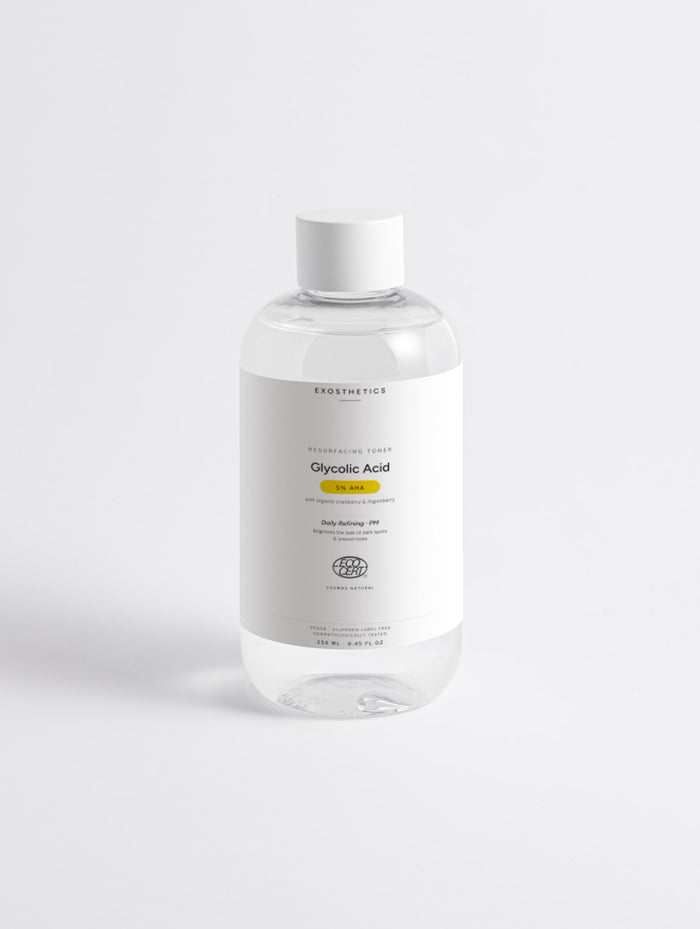
Note: for facial hyperpigmentation — where glycolic acid at clinical concentration is well-tolerated — we make The 5% Toner. It is not intended for genital application.
Genital Hyperpigmentation Laser Treatment
Laser and energy-based treatments represent the most intensive - and potentially most effective - approach to genital hyperpigmentation, but they also carry the highest risk profile when applied to intimate skin.
Common laser types discussed for pigmentation include Q-switched lasers, fractional lasers, and intense pulsed light (IPL). Each has different depth penetration, pigment targeting specificity, and side effect profiles. The choice of device depends on your skin tone, the type and depth of pigmentation, and your provider's experience with genital skin treatment.
Critical Considerations for Laser Treatment in Intimate Areas
🔹 Provider expertise matters enormously. Genital skin responds differently than facial skin to the same settings. A provider experienced specifically with intimate area treatments is essential - not just someone who offers "body treatments."
🔹 Skin tone assessment is critical. Darker skin tones face higher PIH risk from laser treatment, and this risk is amplified in genital skin. Conservative settings with test patches are essential.
🔹 Multiple sessions are typically required. Single treatments rarely achieve desired results. Expect 3-6 sessions spaced 4-6 weeks apart for most protocols.
🔹 Post-laser aftercare in intimate areas requires avoiding friction, heat, tight clothing, sexual activity, and harsh products for specified periods. The treated skin is vulnerable during healing and needs protection.
🔹 Realistic expectations: Laser can reduce contrast and improve evenness, but rarely achieves complete color uniformity with surrounding skin. Discuss expected percentage improvement with your provider before committing.
Genital Hyperpigmentation Treatment Results And Timeline
Perhaps the most important section for anyone considering or recovering from treatment - because unrealistic timelines are one of the biggest sources of anxiety and premature treatment abandonment.
Typical Timelines by Treatment Type
🔹 Topical products alone: Earliest visible improvement at 6-8 weeks. Meaningful improvement at 3-6 months. Continued improvement up to 12 months with consistent use. This is the slowest but safest approach.
🔹 Chemical peels (series): Visible improvement after 2-3 sessions (spaced 3-4 weeks apart). Optimal results after 4-6 sessions. Total timeline: 3-6 months.
🔹 Microneedling (series): Initial improvement at 4-6 weeks post-first session. Progressive improvement with each session. Full results assessed 3-6 months after completing a series of 3-6 treatments.
🔹 Laser (series): Variable by device and settings. Some Q-switched treatments show results within 2-4 weeks per session. Fractional treatments require 2-3 months between assessments. Full course results: 4-9 months.
The Post-Procedure Timeline (What Normal Healing Looks Like)
Days 1-3: Redness, mild swelling, sensitivity. Area may appear darker or pinker depending on treatment type.
Days 4-7: Initial redness resolves. Micro-crusting may develop. Skin feels tight or dry. Continue gentle barrier care.
Weeks 2-4: The "worse before better" phase for many patients. PIH may temporarily intensify. This is the hardest phase psychologically but is normal healing.
Weeks 4-8: Gradual lightening begins. New, healthier skin replaces treated skin. Improvements become visible.
Months 2-6: Progressive improvement with ongoing skin turnover cycles. Each cycle brings treated pigment closer to the surface for natural shedding.
Scar Tissue vs. Hyperpigmentation
A common point of confusion post-procedure: textural changes (scarring) and color changes (hyperpigmentation) are different issues that may coexist but require different management approaches. If treated skin feels raised, indurated, or texturally different, this is a tissue remodeling concern rather than a pure pigment concern - bring this to your provider's attention at follow-up.
Emotional and Psychological Impact
We would be doing you a disservice to discuss genital hyperpigmentation purely as a clinical topic without acknowledging its emotional dimension. Concerns about intimate area appearance intersect with body image, sexual confidence, cultural messaging, relationship dynamics, and personal identity in ways that go far beyond "cosmetic concern."
If genital darkening causes you significant distress, affects your sexual wellness, or creates avoidance behaviors - those feelings are valid and worth addressing alongside (or even before) any physical treatment. Some patients find that education about what's normal resolves most of their distress. Others benefit from psychological support during treatment journeys that take months to show results.
Sexual wellness during recovery from intimate area treatments also deserves frank discussion: many procedures require abstinence periods, and navigating this with partners requires communication and planning. Your provider should discuss this openly during consultation.
When To See A Doctor: Red Flags That Need Evaluation
Throughout this article, we've emphasized the importance of clinical evaluation before cosmetic treatment. Here is a consolidated list of signs that require professional assessment:
🚨 Any new, single, asymmetric dark lesion with irregular borders
🚨 Rapid darkening over days to weeks (rather than gradual change over months/years)
🚨 Associated symptoms: pain, itching, burning, bleeding, ulceration, discharge, or palpable mass
🚨 Darkening that doesn't match expected patterns (unilateral, following a dermatome, in an unusual location)
🚨 Family history of genital tract malignancy, melanoma, or hereditary conditions affecting the genital tract
🚨 Any lesion that was previously treated and is recurring or changing
🚨 Pigment change accompanied by systemic symptoms (weight loss, fatigue, other new skin findings)
Research has documented that genital tract pathology can present in ways that overlap visually with benign conditions (Lu et al., 2024; PMID: 39077828), and that hereditary conditions may first manifest through genital tract findings (Jiang et al., 2025; PMID: 40699255). These situations are uncommon, but ruling them out provides peace of mind and ensures your cosmetic treatment is safe to proceed.
Frequently Asked Questions
Can microneedling make genital hyperpigmentation worse?
Microneedling creates controlled inflammation, and in some individuals - particularly those with darker skin tones - this can temporarily worsen pigmentation through post-inflammatory hyperpigmentation (PIH). This is usually temporary and resolves within 4-8 weeks with proper aftercare, but it's a known risk that should be discussed before treatment.
How long after treatment should I avoid intimacy?
Most providers recommend 5-7 days minimum for superficial treatments like mild peels, and 2-4 weeks for more intensive procedures like microneedling or laser. Friction and moisture from sexual activity can compromise healing skin and increase infection or PIH risk.
Is genital darkening permanent?
It depends on the cause. Hormonal darkening (pregnancy, contraceptives) often partially reverses when the hormonal trigger resolves. Friction-related darkening can improve with lifestyle changes. Long-standing developmental darkening present since puberty is typically stable and requires active treatment to change.
Can I use hydroquinone on my genital area?
Hydroquinone can be used on keratinized genital skin (mons pubis, groin folds) under dermatologic supervision at appropriate concentrations, but it should not be applied to mucosal tissue, should not be used long-term without breaks, and is contraindicated in pregnancy. Professional guidance is essential.
Why did my intimate area get darker after shaving?
Repeated shaving creates micro-inflammation and irritation in hair follicles and surrounding skin. Over time, this chronic low-grade inflammation triggers melanocytes to deposit excess pigment - a classic post-inflammatory hyperpigmentation pattern. Reducing shaving frequency or switching methods can help prevent progression.
Is vaginal bleaching safe?
The term "vaginal bleaching" is a misnomer - treatments target external vulvar or groin skin, not the vagina itself. Safety depends entirely on the specific products and procedures used, the provider's expertise, and the patient's individual skin characteristics. Regulated professional treatments performed by experienced providers carry significantly less risk than unregulated at-home products with undisclosed ingredients.
How do I know if dark spots on my genitals are normal or cancerous?
You cannot determine this through self-assessment alone. Stable, symmetric, bilateral darkening present for years is overwhelmingly likely to be benign. However, any new, changing, asymmetric, or symptomatic lesion should be evaluated by a dermatologist or gynecologist who can perform proper examination and biopsy if indicated.
Do exosomes help with post-treatment recovery in intimate areas?
Exosome-based therapies are an emerging area of post-procedure recovery support being explored for their potential to reduce inflammation and support tissue healing. While promising, direct clinical evidence for their use specifically in intimate area post-procedure recovery is still developing, and they should be considered supplementary rather than primary treatment.
References
Lu LH, Chen YQ, Li J, Shao SS, Ma FH, Ning Y, Shi Y, Wang C. Clinicopathological features and prognostic analysis of synchronous mucinous metaplasia and neoplasia of the female genital tract. Zhonghua Zhong Liu Za Zhi. 2024 Dec 23;46(12):1195-1208. doi: 10.3760/cma.j.cn112152-20240518-00201. PMID: 39077828.
Jiang A, Ye Y, Tan H, Tao X, Ma F, Wang H, Xu C, Kang Y. Gastric-type endocervical adenocarcinoma in situ as the presenting feature in a mosaic STK11 pathogenic variant carrier with a Peutz-Jeghers syndrome child. Fam Cancer. 2025 Jul 23;24(3):58. doi: 10.1007/s10689-025-00485-5. PMID: 40699255.
Rovaldi E, Di Donato V, Paolino G, Bruno M, Medei A, Nisticò SP, Pellacani G, Kiss N, Azzella G, Banvolgyi A, Cantisani C. Epigallocatechin-Gallate (EGCG): An Essential Molecule for Human Health and Well-Being. Int J Mol Sci. 2025 Sep 22;26(18):9253. doi: 10.3390/ijms26189253. PMID: 41009815.
Abdeen S, Shao E, Lim D. Does Hormone Replacement Therapy Influence Melasma Development? A Review of the Evidence and Management Guidelines. Dermatol Surg. 2026 Jan 28. doi: 10.1097/DSS.0000000000005032. PMID: 41603615.
Gomes P, de Abreu WC, Dos Reis RG, Guerra ENS, Ferreira EB, Dos Reis PED. Photobiomodulation therapy approach to a rare phenomenon of radiation recall reaction triggered by cisplatin in a cervical cancer patient: a case report and scoping review. Front Oncol. 2025;15:1700942. doi: 10.3389/fonc.2025.1700942. PMID: 41704470.

The first week
Everything in this guide, in two products
Exosome Serum for the night of. 72-Hour+ Cream from day three. $99 together, ships from the US — arrives before it gets bad.
See the Kit — $99Table of Contents

Targeted 1% kojic acid for the look of dark spots.