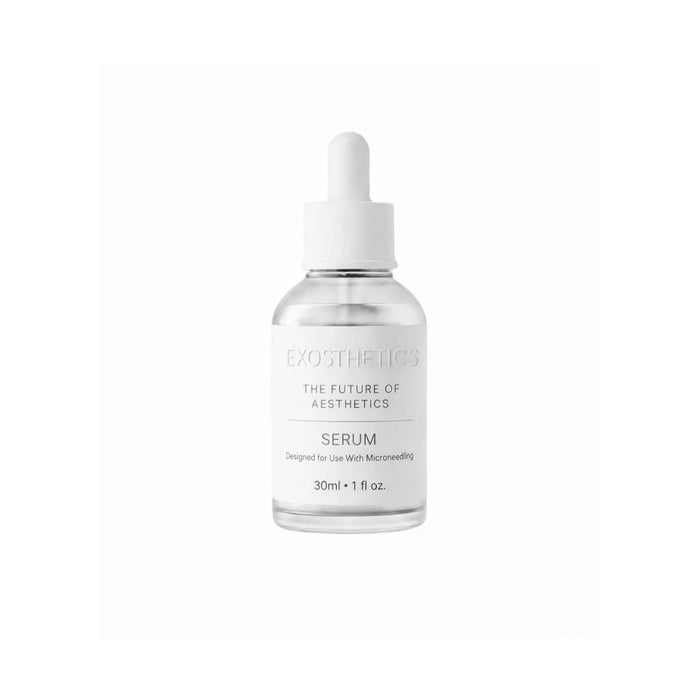

Microneedling lips has steadily gained attention as a minimally invasive approach to improving lip texture, fine lines, and surface irregularities. But unlike most facial procedures, lip treatments carry unique anatomical considerations that make post-treatment care and microneedling aftercare absolutely essential to getting safe, realistic outcomes. This guide examines what current dermatological research actually supports - and what it doesn't - so you can make informed decisions rather than chase hype.
📌 Important note: This guide draws from five peer-reviewed studies. While the evidence supports general microneedling principles, research specifically targeting lip tissue remains limited. Claims are kept proportional to the available data.
Don't guess your recovery. Download FREE Clinical Microneedling Protocol Here
What Is Microneedling? Mechanism, Rationale, and Dermatologic Uses
At its core, microneedling is a controlled injury. Fine needles puncture the epidermis, creating micro-wounds that trigger the body's natural wound-healing cascade. This process releases growth factors such as platelet-derived growth factor (PDGF), transforming growth factor alpha and beta (TGF-α, TGF-β), and fibroblast growth factor (FGF), which collectively stimulate collagen and elastin remodeling (Singh & Yadav, 2016).
The result? Over time, new collagen type I and III is deposited, replacing damaged tissue with healthier, more organized fibers. Histological studies have shown up to a 400% increase in collagen and elastin deposition after multiple sessions performed one month apart, with improvements visible at six months post-treatment (Singh & Yadav, 2016).
Beyond collagen induction, microneedling also enhances transdermal drug delivery by temporarily disrupting the stratum corneum - the skin's outermost barrier. This allows topical agents to penetrate more effectively, which is why the procedure is often combined with serums and active ingredients (Iriarte et al., 2017).
Can You Do Microneedling On Lips At All?
This is the first question most people ask, and the honest answer is: yes, but with significant caveats.
Lip tissue is fundamentally different from the surrounding facial skin. The vermilion border (the visible red part of the lips) lacks a fully developed stratum corneum - the protective outer layer that facial skin relies on for barrier defense. Lips also have higher vascularity, greater nerve density, and faster epithelial turnover compared to cheek or forehead skin (Singh & Yadav, 2016).
What does this mean practically?
|
Feature |
Facial Skin |
Lip Tissue |
|
Stratum corneum |
Fully developed |
Thin or absent |
|
Vascularity |
Moderate |
High |
|
Nerve density |
Standard |
Elevated |
|
Barrier recovery |
Predictable |
Less established |
|
Infection risk |
Lower |
Higher |
Because of these differences, microneedling lips demands adapted technique - shallower depths, conservative pressure, and heightened infection prevention protocols. The risk-benefit ratio differs meaningfully from standard facial microneedling, and what works safely on cheeks or forehead cannot simply be transferred to the lip area without modification (Austen et al., 2024).
A practitioner's understanding of lip anatomy directly influences treatment safety. This is not a "one technique fits all" procedure.
Does Microneedling Your Lips Work?
The answer depends entirely on what "work" means to you.
If your goal is subtle texture refinement, improved surface smoothness, and better hydration retention, the evidence from general microneedling research supports that these outcomes are achievable. Controlled micro-injuries stimulate superficial dermal remodeling, and when combined with appropriate topical agents, the skin's surface quality can improve noticeably over multiple sessions (Alster & Graham, 2018; Atiyeh et al., 2021).
However, if you're expecting visible volume increase or structural lip augmentation, the current literature does not support those outcomes. Any immediate "plumping" effect observed after microneedling is attributable to temporary inflammation and localized edema - not genuine tissue growth or filler-like volumization (Alster & Graham, 2018).
What the evidence supports ✅
-
Surface texture improvement
-
Superficial line softening
-
Enhanced penetration of hydrating topicals
What the evidence does NOT confirm ❌
-
Permanent size increase
-
Structural lip augmentation
-
Filler replacement
Setting realistic expectations before treatment is arguably the most important factor in patient satisfaction.

Microneedling Lips Benefits
When performed correctly by a trained professional, microneedling lips can offer several potential benefits, though all should be understood within their limitations:
- Improved surface smoothness. The collagen remodeling process triggered by micro-injuries can gradually refine lip texture. This is consistent with findings across facial microneedling studies, where surface quality improvements are among the most reliably reproduced outcomes (Singh & Yadav, 2016).
- Enhanced topical penetration. One of microneedling's most well-documented effects is its ability to increase absorption of topically applied substances. The temporary micro-channels created by the needles allow low-molecular-weight actives - including hyaluronic acid serums - to reach deeper skin layers than they otherwise would (Iriarte et al., 2017).
- Temporary hydration boost. The combination of micro-injury response and enhanced serum absorption can create a temporary improvement in lip hydration and fullness. This effect is real but transient, driven by the inflammatory response and improved moisture retention rather than structural change.
⚠️ Important nuance: Benefits from microneedling lips are subtle and cumulative. They are also highly technique-dependent - the depth, device, and post-treatment protocol all influence outcomes significantly. A single session is unlikely to produce noticeable results.

Microneedling Upper Lip Lines
Microneedling Upper Lip Wrinkles
Perioral rhytides - those fine vertical lines that radiate from the lip border - are among the most frustrating signs of aging. They resist many topical treatments because they involve dermal-level collagen breakdown, not just surface dehydration.
Microneedling addresses these lines through its core mechanism: stimulating collagen remodeling in the superficial dermis. Research on perioral rhytides specifically has demonstrated visible improvement after multiple sessions performed at monthly intervals, with before-and-after imaging showing meaningful softening of fine dynamic lines (Alster & Graham, 2018).
However, it's essential to distinguish between fine dynamic lines and deep structural wrinkles:
→ Fine lines (superficial, more visible when skin moves): Respond relatively well to microneedling over 3-6 sessions
→ Deep static wrinkles (visible at rest, etched into tissue): Respond poorly to microneedling alone
For deep structural wrinkles, microneedling is generally insufficient as a standalone treatment. Combination approaches - pairing microneedling with laser resurfacing, chemical peels, or neuromodulators - are typically more effective for significant perioral aging (Alster & Graham, 2018).
The takeaway? Microneedling can soften upper lip lines, but it's a gradual, multi-session process that works best on earlier-stage fine lines rather than deeply established wrinkles.
Microneedling Lips Before And After
Microneedling Lips In Pictures
Managing expectations around before-and-after results is critical. Here's what realistic outcomes look like and what to watch for when evaluating photos.

What you should realistically expect to see:
-
Improved lip surface texture (smoother, less rough)
-
Reduced appearance of dryness and flaking
-
Subtle softening along the vermilion border
-
Slight improvement in overall lip "finish"

What you should NOT expect to see:
-
Dramatic volume increase
-
Sharp border reshaping
-
Filler-like transformation
When evaluating before-and-after images - whether from a clinic or online - pay close attention to:
-
Lighting consistency. Different lighting angles can make lips appear fuller or smoother without any actual change.
-
Timing of the "after" photo. Images taken within 24-48 hours post-treatment will show swelling that mimics volume gain. This is not a permanent result.
-
Makeup or gloss application. Subtle cosmetic differences can dramatically alter lip appearance in photographs.
Evidence-based before-and-after comparisons should show subtle, cumulative improvements rather than dramatic overnight transformations (Atiyeh et al., 2021). If results look too dramatic, question what you're actually seeing.
What If My Lips Have Filler?
This is a safety-critical question that deserves careful attention - and honest transparency about evidence gaps.
Here's what we know: microneedling increases vascular permeability temporarily and creates micro-channels in the treated tissue. When performed over areas containing hyaluronic acid (HA) dermal fillers, theoretical concerns include localized inflammation, filler migration, or altered filler behavior in the tissue (Austen et al., 2024).
Current evidence suggests:
-
There is no published evidence that microneedling dissolves or degrades HA fillers
-
There is theoretical risk of triggering inflammatory responses if microneedling is performed too soon after filler injection
-
Adequate spacing between procedures is essential
⚠️ Evidence gap warning: The published research specifically examining microneedling over filled lips is extremely limited. Most guidance on this topic comes from clinical experience and extrapolation from general microneedling safety data rather than dedicated studies. This means recommendations should be treated as precautionary rather than definitive.
Practical guidance:
-
Always inform your practitioner if you have lip fillers before any microneedling procedure
-
Allow adequate time between filler injection and microneedling - most practitioners recommend several weeks minimum
-
Monitor for unusual swelling, nodularity, or pain following treatment
-
When in doubt, prioritize caution and consult the practitioner who placed your filler
Microneedling Lips Cost
The cost of professional lip microneedling varies considerably depending on geographic location, practitioner credentials, and the specific device and protocol used. While prices are not standardized in the literature, several factors legitimately influence what you pay:
Factors that justify higher cost:
-
Board-certified dermatologist or trained practitioner
-
Medical-grade, single-use needle cartridges
-
Proper sterilization and infection control protocols
-
Depth-controlled, professional devices
-
Comprehensive pre-treatment assessment and post-treatment follow-up
What to be cautious about:
-
Extremely low-cost providers who may cut corners on sterility or training
-
Package deals that pressure you into more sessions than needed
-
Claims of guaranteed results
The cost discussion is ultimately a safety discussion. Lip tissue's unique vulnerability means the margin for error is smaller than facial microneedling. Investing in qualified, experienced practitioners with proper equipment is not optional - it's the baseline for safe treatment (Singh & Yadav, 2016).
Microneedling Lips At Home
This section requires directness: the evidence base for safe at-home lip microneedling is essentially nonexistent.
While home-use dermarollers and pen devices exist on the consumer market, the available clinical literature does not include studies validating the safety of at-home microneedling specifically on lip tissue. This is an important distinction - it doesn't mean it's been proven unsafe, but it means there is no published data confirming it is safe either (Singh & Yadav, 2016).
Evidence-based risks of home lip microneedling include:
-
Infection. Non-sterile devices applied to the thin, highly vascular lip tissue create a direct pathway for bacterial entry. Unlike facial skin, lips lack the robust barrier that provides some protection even with imperfect technique.
-
Excessive barrier disruption. Without proper depth control, home devices can damage already-thin lip tissue beyond what healthy wound healing can repair.
-
Pigmentation changes. Uncontrolled micro-injury can trigger post-inflammatory hyperpigmentation or hypopigmentation, particularly in individuals with darker skin tones (Austen et al., 2024).
-
Scarring. Over-aggressive or improperly sterilized needling risks scar formation on tissue that heals differently from facial skin.
🚫 The available dermatological literature supports professional treatment with proper depth control and sterility over home-use devices, particularly for anatomically sensitive areas like the lips.
Microneedling Lips Side Effects
Understanding expected versus concerning side effects helps you distinguish normal healing from problems that need attention.
Expected side effects (typically resolve within 24-72 hours):
-
Temporary sensitivity to touch, temperature, and certain foods
-
Minor tenderness
Concerning side effects (seek professional evaluation):
-
Pain that persists beyond 48-72 hours or worsens over time
-
Crusting, blistering, or weeping
-
Visible pigment changes (darkening or lightening)
-
Signs of infection - increasing redness, warmth, pus, or fever
-
Nodularity or hard lumps under the skin
The most common adverse effects reported across microneedling literature are transient erythema, edema, and mild pain - these are expected procedural outcomes that resolve spontaneously in the vast majority of cases (Austen et al., 2024). Severe complications are rare when performed by trained practitioners using sterile, depth-controlled equipment.
Microneedling Lips With Hyaluronic Acid
Combining microneedling with topical hyaluronic acid (HA) is one of the most commonly discussed enhancement strategies, and the rationale is sound: microneedling creates micro-channels that significantly increase the penetration of topically applied substances, and HA is a proven humectant that binds moisture in the skin (Atiyeh et al., 2021).
How it works:
-
Low-molecular-weight HA applied immediately after microneedling can penetrate through the temporary micro-channels
-
Once in the superficial dermis, HA attracts and retains water molecules
-
This produces a temporary hydration boost and improved surface plumpness
The critical distinction 💡
Topical HA delivered via microneedling is NOT the same as injectable HA filler. The hydration effect is temporary and superficial - it improves skin quality and moisture, but does not create the structural volume that injected filler provides. This distinction matters because confusing the two leads to unrealistic expectations.
The combination of microneedling plus HA can be a useful adjunct for lip texture improvement and short-term hydration, but it should never be marketed or expected as a filler alternative.
Microneedling Lips For Pigmentation
Pigmentation irregularities on and around the lips - including darkening from sun exposure, post-inflammatory changes, or uneven melanin distribution - are a growing area of interest for microneedling treatment.
What the evidence suggests:
-
Microneedling may assist with superficial dyschromia by stimulating epidermal turnover and enhancing the delivery of depigmenting agents (Atiyeh et al., 2021)
-
The mechanism likely involves downregulation of hyperproliferative keratinocytes and improved penetration of topical treatments such as tranexamic acid
-
For facial skin, microneedling has shown promising results in melasma management when combined with topical therapies (Iriarte et al., 2017)
What the evidence does NOT support:
-
Treatment of deep pigment disorders through microneedling alone
-
Reliable, predictable depigmentation of lip tissue specifically (no lip-specific pigmentation studies were identified)
Risk to consider: Post-inflammatory hyperpigmentation (PIH) is a documented risk of microneedling, particularly in individuals with Fitzpatrick skin types III-VI. Given the lip area's heightened sensitivity and unique healing profile, this risk deserves serious consideration before pursuing microneedling for lip pigmentation (Austen et al., 2024).
Who Should Avoid Microneedling Lips?
While not always highlighted in marketing materials, certain individuals should avoid lip microneedling entirely or postpone treatment:
-
Active oral herpes (HSV-1) outbreak or history of frequent cold sores without prophylactic antiviral coverage
-
Active skin infections, inflammation, or eczema in the lip area
-
Immunocompromised status or current immunosuppressive therapy
-
History of keloid or hypertrophic scarring
-
Current use of isotretinoin (Accutane) or recent discontinuation
-
Pregnancy or breastfeeding (precautionary)
-
Uncontrolled diabetes or blood clotting disorders
Anyone with a history of cold sores should discuss prophylactic antiviral medication with their dermatologist before microneedling the lip area, as the procedure can trigger reactivation.
Treatment Frequency, Cumulative Effects, and Over-Treatment Risks
One of the most underappreciated aspects of microneedling is that more frequent treatment does NOT equal better results. In fact, over-treatment is a real and documented risk.
The wound-healing cascade triggered by microneedling requires adequate time to complete. Collagen remodeling occurs over weeks to months - the initial inflammatory phase transitions to proliferative repair, then to mature collagen deposition. Interrupting this process with premature re-treatment can lead to chronic inflammation rather than regeneration (Singh & Yadav, 2016; Alster & Graham, 2018).
Over-treatment risks include:
-
Disrupted barrier recovery
-
Chronic low-grade inflammation
-
Paradoxical texture worsening
-
Increased sensitivity and reactivity
-
Pigmentation irregularities
Evidence supports spacing sessions at minimum monthly intervals for facial skin, with potentially longer intervals advisable for lip tissue given its thinner barrier and reduced recovery capacity. Conservative treatment calendars produce better cumulative results than aggressive scheduling.
Aftercare, Healing Timeline, and Outcome Modifiers
Proper microneedling aftercare is arguably as important as the procedure itself - particularly for lip tissue where barrier recovery is less robust than facial skin.
Healing timeline
|
Timeframe |
What to expect |
|
0-24 hours |
Peak swelling, redness, warmth, sensitivity |
|
24-48 hours |
Swelling begins subsiding, tightness may increase |
|
48-72 hours |
Significant reduction in visible inflammation |
|
3-7 days |
Barrier normalization begins, mild dryness or peeling possible |
|
2-4 weeks |
Initial texture improvements may become visible |
|
4-12 weeks |
Collagen remodeling continues, cumulative benefits emerge |
Post-treatment care essentials:
-
Apply only practitioner-approved barrier repair products (like specialized microneedling serum)
-
Avoid spicy foods, very hot beverages, and potential irritants for 24-48 hours
-
Use broad-spectrum sun protection diligently
-
Avoid active skincare ingredients (retinoids, acids, vitamin C) until cleared
-
Do not apply lipstick, lip gloss, or non-sterile cosmetics for at least 24 hours
-
Stay hydrated and avoid alcohol for 24 hours post-treatment
Healing outcomes are modified by individual factors including age, skin type, smoking status, nutrition, and adherence to aftercare protocols (Austen et al., 2024).
Pros vs Cons Summary
|
✅ Pros |
❌ Cons |
|
Minimally invasive with limited downtime |
Limited evidence specific to lip tissue |
|
Subtle, cumulative texture improvement |
No volumizing or augmentation effect |
|
Enhances topical product efficacy |
Higher sensitivity risks than facial skin |
|
Low risk of hyperpigmentation vs ablative methods |
Requires multiple sessions for visible results |
|
Can complement other treatments |
Home-use safety is unvalidated |
|
Relatively quick recovery |
Results are subtle, not dramatic |
Red Flags, Do's and Don'ts
🚩 Red Flags - Seek Immediate Professional Evaluation
-
Severe or worsening pain beyond 48 hours
-
Signs of infection (increasing warmth, pus, fever)
-
Persistent or spreading inflammation
-
Visible pigment changes that don't resolve
-
Nodule formation or unusual tissue hardening
✅ Do's
-
Choose medical-grade sterility and trained practitioners
-
Use conservative needle depths appropriate for lip tissue
-
Allow adequate recovery intervals between sessions
-
Discuss all medications, fillers, and medical history before treatment
-
Follow aftercare instructions precisely
🚫 Don'ts
-
Use DIY or home microneedling devices on lips
-
Over-treat by scheduling sessions too frequently
-
Microneedle over active infections, cold sores, or inflamed skin
-
Apply non-sterile cosmetics immediately after treatment
-
Expect filler-like volume results
Conclusion
Microneedling lips may offer modest improvements in texture, hydration, and superficial line softening when performed conservatively by trained professionals with appropriate Microneedling aftercare. The existing dermatological evidence supports the underlying mechanisms - collagen induction, enhanced topical delivery, and controlled wound healing - while acknowledging that lip-specific research remains limited.
Expectations must stay realistic. Current evidence does not support volumization, dramatic structural change, or filler replacement. The defining factors of success are safety, anatomy-specific technique, conservative treatment frequency, and rigorous post-treatment care.
When in doubt, consult a board-certified dermatologist who can evaluate your individual anatomy, goals, and risk factors before recommending treatment.
FAQ
What does microneedling your lips do?
Microneedling lips creates controlled micro-injuries that stimulate superficial wound healing, collagen remodeling, and temporarily increase absorption of topical products. The effects are primarily texture and hydration improvements rather than volume changes. Results are cumulative and require multiple sessions.
Does microneedling lips hurt?
Discomfort is typically mild to moderate due to the lips' high nerve density. Most professional practitioners apply topical numbing agents before treatment, which significantly reduces pain. Sensitivity varies by individual, but the procedure is generally well-tolerated.
Does microneedling lips make them bigger?
No. Current dermatological evidence does not support true lip enlargement from microneedling. Any temporary fullness observed immediately after treatment is caused by localized swelling and inflammation, not permanent tissue growth. This effect subsides within days.
Is microneedling lips safe?
Microneedling lips can be safe when performed by trained professionals using sterile, depth-controlled, medical-grade devices. Risks increase significantly with improper technique, non-sterile equipment, or home-use devices. Lips require more conservative parameters than standard facial microneedling due to their unique anatomy.
How often can you microneedle your lips?
Evidence supports conservative spacing between sessions - typically no more frequently than once per month, with potentially longer intervals for lip tissue. Over-frequent treatments can impair barrier recovery and trigger chronic inflammation rather than beneficial collagen remodeling.
🔗 References
Singh A, Yadav S. Microneedling: Advances and widening horizons. Indian Dermatology Online Journal. 2016;7(4):244-254. doi:10.4103/2229-5178.185468. PMCID: PMC4976400.
Iriarte C, Awosika O, Rengifo-Pardo M, Ehrlich A. Review of applications of microneedling in dermatology. Clinical, Cosmetic and Investigational Dermatology. 2017;10:289-298. doi:10.2147/CCID.S142450. PMCID: PMC5556180.
Atiyeh BS, Abou Ghanem O, Chahine F. Microneedling: Percutaneous Collagen Induction (PCI) Therapy for Management of Scars and Photoaged Skin - Scientific Evidence and Review of the Literature. Aesthetic Plastic Surgery. 2021;45(1):296-308. doi:10.1007/s00266-020-01927-4. PMCID: PMC10291768.
Austen WG Jr, et al. Micro-Coring: A Novel Approach to Perioral Rejuvenation. Aesthetic Surgery Journal Open Forum. 2024. PMCID: PMC11635455.
Hou A, Cohen B, Haimovic A, Elbuluk N. Microneedling: A Comprehensive Review. Dermatologic Surgery. 2017;43(3):321-339. doi:10.1097/DSS.0000000000000924.
Alster TS, Graham PM. Microneedling: A Review and Practical Guide. Dermatologic Surgery. 2018;44(3):397-404. doi:10.1097/DSS.0000000000001248. PMCID: PMC5556180.
Alsaif QA, Alqahtani AS, Albalawi HM, et al. Evaluation of the efficacy of the microneedling technique in enhancing the cleft lip scars. Journal of Stomatology, Oral and Maxillofacial Surgery. 2023;124(1):101235. doi:10.1016/j.jormas.2022.08.013. ScienceDirect: S2212555822001685.

The first week
Everything in this guide, in two products
Exosome Serum for the night of. 72-Hour+ Cream from day three. $99 together, ships from the US — arrives before it gets bad.
See the Kit — $99