
Why the Neck Ages Differently (and Why That Matters)
The neck tells a story your face might hide. While facial skin gets most of the attention in aesthetic discussions, microneedling neck treatments have emerged as one of the most requested - yet most misunderstood - procedures in dermatology. Here's why understanding the difference matters: the neck has thinner dermis, fewer sebaceous glands, and significantly lower collagen density than facial skin. This unique anatomy makes outcomes more subtle and recovery more delicate.
Clinical recovery depends on peptides, growth factors, and hyaluronic acid. These ingredients support epidermal repair and barrier restoration.
But here's what most people don't realize: post-treatment care isn't just important for your neck - it's critical. The same aggressive aftercare routine you might use on your face can trigger complications on neck skin. Improper microneedling aftercare drives the majority of adverse outcomes we see clinically, from prolonged inflammation to post-inflammatory hyperpigmentation. The neck simply doesn't forgive mistakes the way facial skin does.
Microneedling on neck works through controlled dermal injury and wound-healing cascades, not surface exfoliation. This distinction matters because it sets realistic expectations: you're triggering your body's natural repair mechanisms, which means results unfold over months, not days. The inflammatory, proliferative, and remodeling phases each play distinct roles in the final outcome (PMC9472661).
Understanding these anatomical and physiological differences isn't just academic - it determines whether your treatment succeeds or disappoints. The neck requires precision, not aggression. Conservative depths, longer recovery intervals, and evidence-based protocols separate impressive results from regrettable complications (PMC9332435).
Don't guess your recovery. Download FREE Clinical Microneedling Protocol Here
Who Should NOT Get Microneedling on Their Neck ⚠️
Before we discuss what microneedling can do, let's address who shouldn't pursue this treatment. Clinical contraindications exist for important safety reasons.
Absolute Contraindications:
-
Active skin infections (bacterial, viral, fungal)
-
Active acne or rosacea in the treatment area
-
History of keloid or hypertrophic scarring
-
Currently on anticoagulant therapy or blood thinners
-
Uncontrolled diabetes
-
Active cancer or immunosuppression
Fitzpatrick Skin Type Considerations:
The risk of post-inflammatory hyperpigmentation (PIH) increases significantly in Fitzpatrick skin types IV-VI. This doesn't mean these patients can't receive treatment - it means protocols must be adjusted: more conservative depths (0.25-0.5mm maximum), longer intervals between sessions (8-12 weeks rather than 4-6), and strict sun protection compliance. The neck's reactive nature combined with higher melanin activity creates a perfect storm for PIH if overtreated (PMC12187034).
Relative Contraindications:
-
Recent isotretinoin use (wait 6-12 months)
-
Eczema or psoriasis in treatment area
-
Unrealistic expectations about lifting or tightening
If you fall into any of these categories, consult with a board-certified dermatologist before proceeding. The neck's unique vulnerabilities demand this precaution.
Recovery Forecast
Get your personalized timeline for returning to normal activities after your microneedling treatment.
Your Forecast is Ready!
Enter your email to receive your personalized recovery timeline, safe activity dates, and Exosome Accelerator calculation.
Redness Clears
Day 5
Gym Safe
Day 4
Exosome Boost
2-3 daysfaster recovery
Check Your Inbox!
Your personalized Recovery Forecast is on its way. Look for an email from Exosthetics in the next few minutes.
What Does Microneedling Your Neck Do?
Let's demystify the mechanism. Microneedling creates controlled mechanical injury using fine needles that penetrate the dermis. This isn't about exfoliation - you're deliberately triggering a wound-healing response that unfolds in three scientifically documented phases:
Phase 1: Inflammatory Response (Days 0-3) The initial needle penetration activates your immune system, releasing growth factors and cytokines. You'll see redness and feel sensitivity - this is your body recognizing "injury" and mobilizing repair mechanisms.
Phase 2: Proliferative Phase (Days 4-14) Fibroblast cells migrate to the treatment site and begin producing new collagen and elastin. Type I and III collagen synthesis accelerates, along with angiogenesis (new blood vessel formation). This phase happens beneath the surface - you won't see dramatic changes yet.
Phase 3: Remodeling Phase (Weeks 2-6 months) The newly deposited collagen reorganizes and matures. This is when you actually see results: texture refinement, fine line softening, and improved skin quality (PMC9472661).
What Microneedling Does for Your Neck:
✅ Improves overall skin texture and smoothness
✅ Softens fine lines and superficial wrinkles
✅ Enhances mild laxity appearance through dermal thickening
✅ Improves skin tone uniformity
✅ Increases topical product penetration for adjunctive treatments
What Microneedling Does NOT Do:
❌ Replace surgical neck lifting
❌ Remove severe skin excess or significant sagging
❌ Eliminate deep platysmal bands (vertical neck bands)
❌ Provide instant results
❌ Work after a single session
The science is clear: microneedling stimulates neocollagenesis, but it cannot reverse severe anatomical changes like muscle banding or substantial tissue descent. Setting these boundaries upfront prevents disappointment (PubMed 33656167).
Microneedling Neck Lines
Those horizontal "necklace lines" that crease across your neck are among the most common aesthetic concerns - and one area where microneedling shows genuine promise.

What Science Shows:
Horizontal neck lines form from repetitive movement, dermal thinning, and collagen degradation. Microneedling addresses the dermal component specifically. Clinical observations show the best response in superficial linear rhytides (fine horizontal lines) rather than deep etched creases. Improvement is gradual and session-dependent - typically requiring 3-6 treatments spaced 4-8 weeks apart (PubMed 33656167).
The Reality Check:
Deep static lines show partial softening, not erasure. If your neck lines are visible even when your neck is in a neutral position and don't soften when you tilt your head back, they're static lines with significant dermal atrophy. Microneedling can improve them by 20-40%, but it won't eliminate them entirely. Think "softer" and "less prominent," not "gone" (PMC12187034).
Treatment Frequency for Lines:
-
Initial series: 3-4 sessions
-
Spacing: 6-8 weeks between treatments
-
Maintenance: 1-2 sessions annually
-
Depth range: 0.5-1.0mm depending on skin thickness
Microneedling Neck Wrinkles
Let's differentiate between types of wrinkles, because not all wrinkles respond equally.

Fine Wrinkles vs. Deep Wrinkles
Fine wrinkles (those barely-there crinkles you see in certain lighting) respond significantly better than etched folds. The determining factor is whether the wrinkle originates from superficial dermal changes or involves deeper structural loss.
Dynamic vs. Static Wrinkles
Dynamic wrinkles (those that appear with movement) show less improvement than you'd expect because microneedling doesn't address the underlying muscle activity. Static wrinkles (always visible) respond better because they're primarily dermal issues - exactly what microneedling targets (PMC9472661).
The Collagen Remodeling Timeline:
Here's what frustrates many patients: wrinkle improvement from microneedling peaks at 3-6 months post-treatment, not immediately. The collagen remodeling process takes time. You're not filling wrinkles - you're thickening the dermis beneath them, which creates a subtle lifting and smoothing effect (PMC9332435).
Realistic Improvement Benchmarks:
-
Fine wrinkles: 40-60% improvement
-
Moderate wrinkles: 20-35% improvement
-
Deep wrinkles: 10-20% improvement
-
Etched folds: Minimal visible change
Microneedling Neck and Chest
The neck and chest are often treated together because they share similar photodamage patterns and collagen loss mechanisms. Both areas show sun damage, textural changes, and crepey skin from cumulative UV exposure and natural aging (PMC12187034).

Why Combined Treatment Makes Sense:
Treating both areas creates visual continuity. Nothing looks stranger than a rejuvenated neck that stops abruptly at the décolletage. Plus, you're already committing to the downtime - might as well address connected concerns.
The Critical Difference:
Chest skin tolerates deeper needle penetration than neck skin. While chest treatments can safely reach 1.0-1.5mm depths, the neck requires conservative 0.5-1.0mm approaches. The chest has slightly thicker dermis and better tolerance for inflammation. Your practitioner should adjust depth and technique between these areas, not use identical settings.
Treatment Protocol Differences:
|
Area |
Depth Range |
Pass Count |
Pressure |
|
Neck |
0.5-1.0mm |
2-3 passes |
Light |
|
Chest |
1.0-1.5mm |
3-4 passes |
Moderate |
Microneedling Turkey Neck
Let's address the elephant in the room: "turkey neck" is the colloquial term for skin laxity combined with visible platysmal muscle banding. This combination creates that loose, sagging appearance beneath the jawline.
What Microneedling CAN Do:
✅ Improve crepey skin texture
✅ Enhance overall skin quality
✅ Create modest dermal thickening
✅ Improve superficial appearance of firmness
What Microneedling CANNOT Do:
❌ Correct platysmal muscle banding (those vertical cords)
❌ Significantly tighten loose skin excess
❌ Replace surgical intervention for moderate-severe cases
❌ Address submental fat accumulation
The platysmal bands are muscular, not dermal. Microneedling works on skin, not muscle. For true turkey neck with prominent banding, you're looking at Botox for bands, radiofrequency treatments, or surgical platysmaplasty - not microneedling alone (PMC9332435).
When Microneedling DOES Help with Mild Laxity:
If your concern is primarily skin texture and very mild looseness without prominent bands, microneedling can improve skin quality enough to create a modestly firmer appearance. Think early 40s with beginning crepiness, not advanced 60s with significant descent.
Microneedling for Neck Pigmentation
Hyperpigmentation on the neck - whether from sun damage, hormonal changes, or post-inflammatory responses - presents unique treatment challenges.
The Mechanism:
Microneedling promotes epidermal turnover and melanin dispersion through the wound-healing cascade. As new skin cells replace old ones during the proliferative and remodeling phases, hyperpigmented cells gradually shed while more evenly pigmented cells take their place (PMC12187034).
The Critical Risk - Post-Inflammatory Hyperpigmentation (PIH):
Here's the paradox: microneedling can improve pigmentation, but it can also worsen it if done incorrectly. The neck's reactive nature means aggressive treatment can trigger PIH, especially in Fitzpatrick skin types III-VI. Neck skin shows higher PIH risk than facial skin at equivalent treatment intensities (PubMed 33656167).
PIH Prevention Strategy:
-
Conservative depths (0.25-0.5mm for pigmentation)
-
Longer intervals (8-12 weeks minimum)
-
Strict sun protection (SPF 50+ daily, reapplication every 2 hours)
-
Pre-treatment with tyrosinase inhibitors if appropriate
-
Avoid treatment during high sun exposure seasons
Best Candidates for Pigmentation Treatment:
-
Light to moderate hyperpigmentation
-
Fitzpatrick types I-III (with caution for III)
-
Patients committed to sun protection
-
Realistic timeline expectations (6-12 months for visible improvement)
Benefits of Microneedling Your Neck
Texture Transformation
The most consistent benefit across studies is texture improvement. Crepey, rough neck skin becomes smoother and more refined through collagen remodeling. This improvement is both tactile (how skin feels) and visual (how it looks in various lighting).
Mild Tightening Appearance
Notice we said "appearance" - microneedling creates perceived firmness through dermal thickening, not actual skin contraction. The skin feels less loose because there's more collagen density supporting it from within (PMC9472661).
Skin Tone Uniformity
Reduction in mild pigmentation irregularities, redness variations, and overall tone becomes more homogeneous over multiple sessions.
Enhanced Topical Penetration
The microchannels created by needling temporarily increase penetration of serums and growth factors applied post-treatment. This creates synergy with quality topical products - which we'll discuss more in the recovery section.
Cumulative Improvement
Unlike some treatments that plateau quickly, microneedling shows cumulative benefits over multiple sessions. Your fourth treatment builds on your third, which built on your second. However, there are diminishing returns after 6-8 sessions.
Laxity, Lift or Tightness - What Science Actually Shows
The Scientific Reality:
Microneedling improves perceived firmness, not true lift. The tightness sensation and modest improvement in appearance comes from dermal remodeling and neocollagenesis, not from skin contraction or lifting. Your skin isn't being physically lifted or tightened - it's becoming thicker and more supported from within (PMC9332435).
What "Tightening" Actually Means:
Think of it like this: if your mattress loses its internal support and sags, you can't "tighten" the mattress cover to fix it. But if you rebuild some of that internal structure, the cover naturally sits better. That's what microneedling does for neck skin - it rebuilds internal dermal structure, which makes the overlying skin appear firmer.
Quantifying the Effect:
Studies don't show dramatic measurable lifting because true lifting requires either tissue removal (surgery) or thermal-induced collagen contraction (RF, ultrasound).
Microneedling's "lifting" effect is subjective and modest:
-
Patient satisfaction with firmness: Moderate improvement
-
Measurable lifting on imaging: Minimal to none
-
Visible improvement in photos: Subtle
-
Tactile firmness improvement: Noticeable
When to Choose Different Modalities:
-
For true lifting: Consider Ultherapy, surgical lifting
-
For skin contraction: Consider radiofrequency (RF) treatments
-
For quality improvement: Microneedling excels here
-
For comprehensive rejuvenation: Combination approaches
Microneedling Neck Depth Guide
Depth determines both efficacy and risk. Too shallow yields minimal results; too deep creates unnecessary complications.
Depth Ranges and Their Effects:
0.25-0.5mm - Superficial/Epidermal
→ Purpose: Texture refinement, product penetration
→ Collagen induction: Minimal
→ Downtime: 24-48 hours
→ Best for: Sensitive skin, pigmentation concerns, first-time treatments
0.5-1.0mm - Dermal Entry
→ Purpose: Collagen stimulation, fine line improvement
→ Collagen induction: Moderate
→ Downtime: 3-5 days
→ Best for: Most neck treatments, established patients
1.0mm+ - Deep Dermal
⚠️ Purpose: Aggressive collagen remodeling
⚠️ Collagen induction: Significant
⚠️ Downtime: 5-7 days
⚠️ Risk level: HIGH for neck
⚠️ Use: Rarely justified on neck, higher complication rates
The Evidence Gap:
Here's what studies won't tell you: there's limited strong evidence supporting aggressive depths specifically on neck skin. Most microneedling research focuses on facial skin, which has different tolerance thresholds. The neck studies we do have suggest conservative approaches yield better risk-benefit ratios (PubMed 33656167).
Practitioner Skill Matters More Than Depth:
A skilled practitioner using 0.5mm with proper technique will achieve better results than an aggressive 1.5mm treatment done incorrectly.
Factors beyond depth include:
-
Needle quality and sharpness
-
Pass quantity and pattern
-
Pressure applied
-
Skin preparation
-
Post-treatment protocol
Pain Management During Neck Microneedling
Let's talk about what nobody warns you about: neck microneedling hurts more than facial treatments. The neck has thinner skin, is more sensitive, and lacks the fatty cushioning found in facial areas.
Pain Scale Comparison:
-
Face (cheeks/forehead): 3-4/10 with topical anesthesia
-
Neck: 5-7/10 with topical anesthesia
-
Chest: 4-5/10 with topical anesthesia
Effective Pain Management Strategies:
Topical Anesthetics (Most common)
-
Lidocaine 4-5% cream applied 30-45 minutes before treatment
-
Occlusion with plastic wrap increases penetration
-
Effective for most patients at 0.5-1.0mm depths
Combination Approaches (For sensitive patients)
-
Topical anesthetic + vibration device to confuse nerve signals
-
Ice/cold air cooling before and during treatment
-
Breaking treatment into shorter intervals with breaks
Nerve Block (Rarely needed)
Reserved for extremely anxious patients or when combining with deeper treatments
Post-Procedure Pain
Most patients describe post-treatment sensation as sunburn-like: tight, sensitive, and mildly uncomfortable for 24-48 hours. Over-the-counter ibuprofen (if not contraindicated) helps, though some practitioners prefer avoiding NSAIDs immediately post-treatment to avoid potentially interfering with the inflammatory cascade.
Microneedling Neck Downtime
Downtime isn't just about redness - it's about understanding the full healing timeline so you can plan appropriately.
Typical Healing Timeline:
Day 0-2: Acute Inflammatory Phase 🔴
-
Significant redness (similar to moderate sunburn)
-
Warmth and tightness
-
Pinpoint bleeding immediately after (normal)
-
Social downtime: High - most people avoid public events
Day 3-5: Resolution Phase 🟠
-
Redness fading to pink
-
Sensitivity to touch remains
-
Possible flaking or dry patches
-
Social downtime: Moderate - can often be covered with makeup/scarf
Week 2-4: Invisible Remodeling 🟢
-
Surface appears normal
-
Collagen signaling happening beneath
-
Skin may feel slightly firmer
-
Social downtime: None
Month 2-6: Results Phase ✨
-
Gradual texture improvement
-
Fine line softening
-
Tone evening
-
This is when you see the "payoff"
Factors That Extend Downtime:
-
Deeper treatment depths (1.0mm+)
-
Darker skin tones (Fitzpatrick IV-VI)
-
Sensitive skin conditions
-
Aggressive technique
-
Poor aftercare compliance
Planning around events? Allow 7-10 days minimum before any important social or professional commitments (PMC9472661).
Recovery After Microneedling Your Neck
Recovery isn't passive - what you do in the days and weeks post-treatment significantly impacts your final results. The neck's unique physiology demands specific attention to three critical factors:
1. Barrier Repair Priority
Your stratum corneum (skin barrier) has been deliberately disrupted. Compromised barrier function leads to increased trans-epidermal water loss, inflammation persistence, and infection risk.
Barrier-Supportive Ingredients:
-
Ceramides
-
Hyaluronic acid
-
Niacinamide (after initial 48 hours)
-
Peptides
-
Growth factors
2. Hydration Protocol
Dehydrated healing skin develops complications. Keep treated areas adequately hydrated both internally (water intake) and externally (appropriate topicals).
Hydration Checklist:
-
✅ Gentle, non-foaming cleanser only
-
✅ Hyaluronic acid serum on damp skin
-
✅ Occlusive moisturizer to seal
-
✅ 2-3L water daily
3. Inflammation Control
While some inflammation drives collagen production, excessive inflammation drives scarring and PIH. The balance matters.
This is where quality post-procedure products make a tangible difference. Products specifically formulated to support skin recovery after microneedling - containing combinations of growth factors, peptides, and anti-inflammatory ingredients - can optimize the healing cascade without interfering with the beneficial inflammatory signals your body needs.
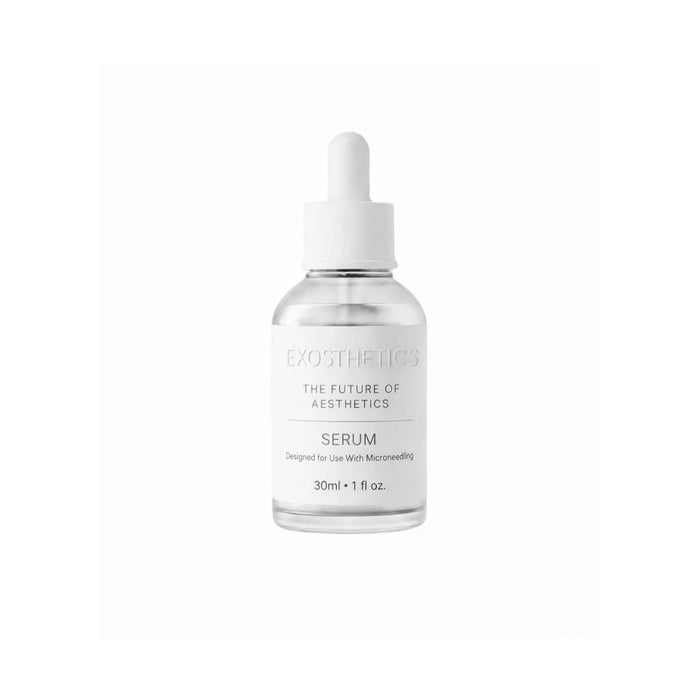
For instance, products like this microneedling serum contain ingredients commonly recommended by dermatologists post-procedure to support skin comfort and appearance during recovery. These aren't treatment products - they're supportive products that work alongside your body's natural healing processes.
What to Avoid During Recovery:
❌ Direct sun exposure (14 days minimum)
❌ Makeup (48-72 hours)
❌ Swimming pools/hot tubs (7 days)
❌ Intense exercise causing heavy sweating (48 hours)
❌ Harsh cleansers or scrubs (7 days)
❌ Retinoids, AHAs, BHAs (7-10 days)
The recovery phase isn't just about healing - it's about optimizing the collagen remodeling that determines your final results (PMC9472661).
Timeline to Visible Results - Setting Real Expectations
Perhaps the most important section for managing expectations: when will you actually see improvements?
The Brutal Truth About Timing:
You will not wake up the next day with improved neck skin. In fact, you'll look worse for several days. Here's the realistic timeline:
Week 0-2: The "Worse Before Better" Phase
Your neck looks red, feels sensitive, and may show some dryness or flaking. You're not seeing benefits yet - you're seeing controlled injury healing. This is normal and necessary.
Week 2-4: The "Questioning Your Decision" Phase
Everything has healed externally, but you don't see dramatic changes yet. Many patients worry they wasted money. Don't panic - nothing visible happens yet because collagen remodeling takes time.
Week 4-8: The "Subtle Shift" Phase
You notice skin feels slightly different - smoother, maybe a bit firmer. Changes are subtle enough that you might question if you're imagining them.
Week 8-12: The "Photo Proof" Phase
If you took good before photos, comparing them to 3-month photos shows clear texture and tone improvements. This is when most patients become believers.
Month 4-6: The "Peak Results" Phase
Maximum collagen remodeling has occurred. This represents your best outcome from that treatment session. Results plateau here (PMC9472661, PubMed 33656167).
For Best Results: Multiple Sessions Required
-
Session 1: 20-30% improvement
-
Session 2: 40-50% cumulative improvement
-
Session 3: 55-65% cumulative improvement
-
Session 4+: 65-75% cumulative improvement (diminishing returns)
Why Multiple Sessions?
Each treatment triggers another round of collagen synthesis. The effects are cumulative but not linear - you can't just do 5 sessions in 5 months and expect 100% improvement. Spacing allows full remodeling between treatments.
Combination Treatments - Maximizing Your Results
Microneedling doesn't exist in isolation. Strategic combination with other modalities can enhance outcomes.
Microneedling + Platelet-Rich Plasma (PRP)
PRP combines the mechanical collagen induction of microneedling with concentrated growth factors from your own blood. The theory: microchannels allow better PRP penetration while PRP accelerates healing and enhances neocollagenesis.
Evidence Status: Promising but limited specific neck data. Most PRP studies focus on facial treatments or hair restoration. The neck's different healing environment may respond differently.
Microneedling + Growth Factors (Non-PRP)
Topical growth factor serums applied immediately post-treatment leverage the enhanced penetration window. These typically contain:
-
Epidermal Growth Factor (EGF)
-
Transforming Growth Factor (TGF-β)
-
Fibroblast Growth Factor (FGF)
Evidence Status: The enhanced penetration through microchannels is well-documented (PMC9472661), but whether topical growth factors significantly improve outcomes versus quality basic serums remains debated.
Microneedling + Chemical Peels (Sequential, NOT Same Day)
Some practitioners combine superficial peels 2-4 weeks after microneedling to enhance texture and tone improvements. This is NOT the same as doing both simultaneously, which increases complication risks dramatically.
Strategic Combination Approach:
-
Month 1: Microneedling session
-
Month 2: Light chemical peel
-
Month 3: Microneedling session
-
Repeat cycle
Important Combination Warnings:
⚠️ Never combine aggressive treatments in the same session
⚠️ The neck tolerates combination approaches less well than the face
⚠️ Always prioritize conservative protocols over aggressive stacking
⚠️ More treatments ≠ better results (often equals more complications)
Microneedling Neck Results - What You'll Actually See
Let's move beyond marketing claims to documented outcomes.
Texture Improvements (Most Consistent)
-
Crepey skin becomes smoother
-
Surface irregularities diminish
-
Skin feels more refined to touch
-
Improvement range: 40-60% from baseline
Fine Line Softening (Moderate Consistency)
-
Superficial horizontal lines show 20-40% improvement
-
Dynamic lines improve less than static ones
-
Deep etched lines show minimal change
-
Results build over multiple sessions
Tone and Radiance (Variable)
-
Overall skin quality improves
-
"Healthier" appearance even without dramatic changes
-
Pigmentation shows modest improvement (if not overtreated)
-
Subjective "glow" reported by many patients
Laxity Improvements (Plateaus Quickly)
-
Mild improvements in early laxity (30s-40s)
-
Minimal improvements in moderate-severe laxity (50s+)
-
Results peak around 3-4 sessions
-
Further treatments show diminishing returns for laxity specifically
What Studies Show vs. What They Don't:
Available research demonstrates texture and quality improvements consistently. What studies DON'T robustly demonstrate: dramatic tightening, significant lifting, or transformation of severely aged neck skin (PubMed 33656167).
The Patient Satisfaction Factor:
Interestingly, patient satisfaction often exceeds objective measurements. Many patients report high satisfaction even with modest measurable improvements. Why? Because neck skin quality improvements - even subtle ones - make people feel better about this visible, aging-prone area.
Microneedling Neck in Images - Reading Before/After Photos Correctly
Before/after images flood social media and provider websites. Here's how to evaluate them critically:
Red Flags in Photos:
🚩 Different lighting between before/after (creates false improvement)
🚩 Different angles or neck position
🚩 Photos taken immediately before (red/swollen) vs. weeks after (normal + results)
🚩 Heavy filtering or editing on "after" photos
🚩 Dramatic "transformations" after one session
🚩 Claims of significant lifting or band elimination
What Legitimate Results Look Like:
✅ Subtle texture refinement visible in consistent lighting
✅ Modest tone evening
✅ Gradual improvement over multiple sessions
✅ Fine line softening, not elimination
✅ Realistic timeline (12+ weeks between before/after)
Photography Standards for Fair Assessment:
For your own tracking (because your perception changes daily):
-
Same lighting, same location, same time of day
-
Neutral neck position (not extended or flexed)
-
Same distance from camera
-
No makeup, filters, or editing
-
Multiple angles (front, side profiles)
-
Take photos BEFORE each session and at 3-month intervals
The goal isn't transformation - it's optimization. Expect your skin to look like a better version of itself, not like someone else's neck (PMC9332435).
Side Effects - What Can Go Wrong
Every procedure carries risks. The neck's reactive nature means complications can occur even with perfect technique:
Common and Expected:
Erythema (Redness) 🔴
-
Duration: 2-5 days
-
Management: Time, gentle skincare
-
Concern level: None unless persisting beyond 7 days
Transient Swelling
-
Duration: 24-48 hours
-
Management: Cold compresses (gently), elevation during sleep
-
Concern level: None unless severe or persisting
Skin Sensitivity
-
Duration: 3-7 days
-
Management: Gentle products only, avoid irritants
-
Concern level: None
Pinpoint Bleeding (During treatment)
-
Duration: Minutes
-
Management: Normal part of procedure
-
Concern level: None
Complications Requiring Attention:
- Prolonged Redness ⚠️
- Beyond 7-10 days suggests excessive inflammation
-
May indicate over-treatment or individual hyper-response
Post-Inflammatory Hyperpigmentation (PIH) ⚠️
-
Brown patches developing weeks post-treatment
-
Higher risk in Fitzpatrick III-VI
-
Prevention beats treatment: sun protection crucial
-
Management: Tyrosinase inhibitors, patience (can take months to resolve)
Track Marks or Permanent Scarring ⚠️⚠️
-
Rare but serious complication
-
Usually from excessive pressure, poor technique, or infection
-
Management: Requires dermatological intervention
Infection ⚠️⚠️
-
Extremely rare with proper sterile technique
-
Signs: Increasing pain, warmth, purulent discharge, fever
-
Management: Immediate medical attention, antibiotics
Acne Flare or Milia
-
Can occur if occlusive products used too soon
-
Management: Gentle extraction, adjust skincare routine
The Most Common "Side Effect": disappointment from unrealistic expectations. Managing expectations prevents this "complication" (PMC12187034).
Microneedling Neck Cost - What You're Really Paying For
Pricing varies wildly, and understanding why helps you evaluate value:
Typical Price Ranges:
-
Neck alone: $200-$600 per session
-
Neck + chest: $400-$1,000 per session
-
With PRP add-on: +$200-$500
-
Series packages (3-6 sessions): 10-20% discount typically
What Drives Cost Variations:
Device Quality
Professional-grade motorized devices (Dermapen, SkinPen) cost $300-$1,000+ for the device alone. Single-use cartridges add $15-$40 per patient. This is expensive infrastructure.
Practitioner Expertise
Board-certified dermatologist vs. aesthetician vs. nurse practitioner - training and liability insurance vary dramatically. You're paying for skill, not just time.
Geographic Location
Urban coastal areas: Higher pricing
Suburban/rural areas: Lower pricing
Medical spa vs. dermatology office: Different pricing structures
Session Count Included
Some practices bundle post-treatment visits, products, or touchups into initial pricing.
What You're NOT Paying For (But Should Consider):
-
The provider's ability to manage complications
-
Access to prescription interventions if needed
-
Years of experience knowing when NOT to treat
-
Realistic guidance vs. overpromising results
Insurance Coverage
Microneedling for aesthetic concerns is never covered by insurance. Some patients attempt to justify treatment for scarring or texture from previous conditions, but most insurers explicitly exclude cosmetic procedures.
Budgeting for Complete Treatment
-
Initial series (4 sessions): $800-$2,400
-
Annual maintenance (1-2 sessions): $200-$1,200/year
-
Quality post-care products: $50-$150
-
Total first year: $1,050-$3,750
The cheapest option isn't always the wisest investment when it involves your visible, reactive neck skin.
Advanced Modalities - RF Microneedling and Device Options
Standard microneedling has evolved into RF (radiofrequency) microneedling - combining mechanical injury with thermal energy. Let's separate marketing hype from clinical reality:
RF Microneedling for Neck - The Hybrid Approach
How It Works:
RF microneedling devices deliver radiofrequency energy through the needles into the dermis. This creates both mechanical (needle) and thermal (RF) injury - theoretically producing more collagen than either treatment alone.
Theoretical Advantages:
-
Thermal energy causes immediate collagen contraction
-
Deeper tissue heating than surface RF
-
Potential for better tightening than standard microneedling
Evidence Reality:
Most RF microneedling studies focus on facial acne scarring or facial skin laxity. Specific neck data remains limited. The neck's thinner dermis may not tolerate thermal injury as well as facial skin, requiring conservative energy settings that potentially minimize the "advantage" of RF (PMC9332435, PubMed 33656167).
When RF Adds Value:
-
Moderate laxity concerns (not just texture)
-
Patients who plateaued with standard microneedling
-
Those willing to accept longer downtime (5-7 days vs. 3-5 days)
-
Higher budget (typically 2-3x cost of standard microneedling)
When Standard Microneedling Suffices:
-
Primary concern is texture and tone
-
Sensitive skin or high PIH risk
-
Budget constraints
-
First-time treatments
Neck-Specific Considerations:
The versatility of Qure systems allows conservative protocols appropriate for neck anatomy. However, the device is only as good as the practitioner's judgment in settings selection.
Vivace Microneedling for Neck
Vivace combines microneedling with RF energy and LED light therapy in a single treatment. The robotic precision aims for consistent depth and energy delivery.
Claimed Advantages:
-
Precise needle insertion reduces trauma
-
Built-in LED therapy for added healing support
-
Less hand fatigue for practitioner = more consistent treatment
Neck Application Reality:
The device allows superficial treatment appropriate for neck, but again - limited published data specific to neck use. Most clinical experience comes from off-label application of facial protocols adapted conservatively.
Genius Microneedling for Neck
Genius uses RF microneedling with real-time impedance monitoring - theoretically adjusting energy delivery based on tissue response.
The Technology Promise:
Smart energy delivery prevents over-treatment by sensing when tissue has received adequate thermal dose.
The Evidence Gap:
While the technology is sophisticated, published outcomes specifically for neck treatments remain sparse. Most evidence comes from facial studies or unpublished practice experience.
Choosing Between Device Options - Practical Guidance
Question 1: Is your primary concern texture or laxity?
-
Texture primary → Standard microneedling often sufficient
-
Laxity primary → Consider RF microneedling
Question 2: What's your risk tolerance?
-
Low risk tolerance, sensitive skin → Standard microneedling
-
Can accept higher complication risk for potentially better results → RF option
Question 3: Budget reality?
-
Standard microneedling: $200-$600/session
-
RF microneedling: $600-$1,500/session
-
4-session series: $1,600-$6,000 difference
Question 4: What does research actually support?
For the neck specifically: Limited robust comparative data between modalities. Most of what we "know" comes from extrapolating facial studies and clinical experience (PMC9332435, PubMed 33656167).
The Honest Assessment:
Device marketing often exceeds evidence. A skilled practitioner using standard microneedling with excellent technique may achieve better outcomes than an inexperienced provider using the latest RF device. Technique > Technology.
Microneedling Neck at Home - Should You?
DIY dermarollers and stamp devices flood online markets, typically priced $20-$100. The promise: professional results at home for a fraction of the cost. The reality is more complex.
The Appeal is Obvious:
-
Massive cost savings
-
Privacy and convenience
-
Control over timing and frequency
The Risks Are Less Obvious:
Risk 1: Infection from Non-Sterile Technique ⚠️⚠️
Professional settings use:
-
Single-use sterile needle cartridges
-
Sterile gloves and draping
-
Proper skin antisepsis protocols
-
Medical-grade sterilization
Home users often:
-
Reuse needle devices (bacterial colonization)
-
Clean with alcohol (insufficient for device sterilization)
-
Touch the treatment area with ungloved hands
-
Skip proper antiseptic preparation
The neck's delicate skin + infection = potential for scarring and serious complications.
Risk 2: Depth Control Issues ⚠️
Professional devices have precise depth control and consistent penetration. Home devices have:
-
Variable needle lengths even within same device
-
Inconsistent penetration depth with pressure changes
-
Difficulty maintaining proper angle on curved neck surface
-
No real-time feedback on tissue response
Why This Matters More on Neck Than Face:
Remember, the neck has thinner dermis than the face. Misjudging depth by even 0.3mm can mean the difference between dermal stimulation and excessive trauma. The neck's curved anatomy makes consistent depth extremely difficult to achieve without professional equipment.
Risk 3: Uneven Treatment and Track Marks ⚠️
Professional treatments use systematic passing patterns to ensure even coverage. Home users often:
-
Miss areas or overlap excessively
-
Apply inconsistent pressure
-
Create visible track patterns from improper technique
Risk 4: Inability to Manage Complications
If something goes wrong (prolonged inflammation, infection, adverse reaction), home users have:
-
No immediate medical backup
-
No access to prescription interventions
-
Delayed recognition of complications
When Home Use MIGHT Be Considered (With Major Caveats):
If you're going to ignore all warnings and attempt this anyway:
-
0.25mm maximum depth (truly superficial, product penetration only)
-
Single-use cartridges ONLY (never reuse)
-
Medical-grade antiseptic prep
-
Conservative frequency (every 4-6 weeks MAXIMUM)
-
Immediate discontinuation if ANY adverse signs
-
Strong understanding that you're accepting all risks
The Science Doesn't Support Home Neck Microneedling:
The limited research on at-home microneedling focuses on facial treatments with superficial depths (0.15-0.25mm). No studies demonstrate safety or efficacy of home microneedling specifically on neck anatomy. The recommendation is professional treatment for neck microneedling (PMC12187034).
Cost-Benefit Reality Check:
Yes, professional treatment costs $200-$600 per session. But one complication requiring dermatological intervention - prescription medications, procedures to address scarring or PIH - can easily exceed $1,000+ to resolve. Factor in the weeks or months of distress and potential permanent marks.
For facial use with extremely conservative depths? There's an argument for home use in some cases. For the neck specifically? The risk-benefit calculation strongly favors professional treatment.
Microneedling Neck with Exosomes - Cutting Edge or Cutting Corners?
Exosomes represent one of the newest additions to aesthetic treatments - and one of the most hyped with the least evidence.
What Are Exosomes?
Exosomes are extracellular vesicles (tiny membrane-bound particles) containing proteins, RNA, and growth factors. They're involved in cell-to-cell communication and tissue repair processes. In aesthetics, they're marketed as "next-generation" regenerative treatment.
The Marketing Claims:
-
Superior to PRP
-
Accelerated healing
-
Enhanced collagen production
-
"Regenerative" properties
-
Better results than standard microneedling
What Science Actually Shows:
Established Fact: Microneedling creates microchannels that temporarily increase topical product penetration by up to 1000x (PMC9472661).
Potential: If exosomes contain beneficial growth factors and signaling molecules, the enhanced penetration could improve outcomes.
When Exosomes Make Sense (Maybe):
-
You've plateaued with standard treatments
-
Budget isn't a limiting factor
-
You want to try cutting-edge approaches
-
You understand evidence is preliminary
-
Provider uses high-quality, ethically-sourced exosomes
If you're considering exosomes, ask your provider:
-
Source and manufacturing standards of their exosome product
-
Published clinical data supporting neck use
-
Why they believe it justifies the added cost
-
What outcomes you should reasonably expect
FAQ - Your Most Common Questions Answered
Does microneedling work on the neck?
Yes, clinical evidence shows microneedling can improve neck skin texture, fine lines, and overall quality through collagen remodeling. Results are gradual, appearing over 3-6 months, and are more subtle than facial treatments due to the neck's thinner dermis. Multiple sessions (typically 3-6) spaced 4-8 weeks apart produce optimal outcomes.
Does microneedling tighten neck skin?
Microneedling improves the appearance of firmness through dermal thickening and collagen remodeling, but it doesn't create true skin tightening or lifting like surgical procedures. The perceived tightness comes from improved skin quality and structure, not actual skin contraction. Expect modest improvements in early laxity, not dramatic transformation.
Does microneedling help the sagging neck?
Microneedling may improve crepey texture and mild surface laxity but cannot correct significant sagging, platysmal muscle banding, or excess skin. For moderate-severe sagging ("turkey neck"), surgical intervention, RF treatments, or ultrasound therapy are more appropriate. Microneedling works best for skin quality issues, not structural descent.
Is microneedling your neck safe?
When performed by qualified professionals using conservative depths (0.5-1.0mm), proper sterile technique, and appropriate intervals, neck microneedling is generally safe. The neck requires more conservative protocols than facial skin due to thinner dermis and higher PIH risk. Contraindications include active infections, keloid tendency, anticoagulant use, and uncontrolled diabetes.
Can microneedling make the neck worse?
Yes, overly aggressive treatment can worsen pigmentation (PIH), cause scarring, increase sensitivity, or create track marks. The neck is more reactive than facial skin - more is NOT better. Risks increase with excessive depth, inadequate spacing between sessions, poor sterile technique, or treating Fitzpatrick skin types IV-VI without proper protocols.
How long until you see microneedling neck results?
Initial improvements appear around 4-8 weeks, with peak results at 3-6 months post-treatment as collagen fully remodels. Expect nothing visible during the first 2-4 weeks while healing occurs beneath the surface. Multiple sessions produce cumulative improvements, with each treatment building on previous results.
How many microneedling sessions for the neck?
Most patients need 3-6 initial sessions spaced 4-8 weeks apart for optimal results. Maintenance treatments (1-2 sessions yearly) help sustain improvements. Fitzpatrick skin types IV-VI require 8-12 week spacing to minimize PIH risk. Results show diminishing returns after 6-8 sessions for the same concern.
What's the difference between neck microneedling and RF microneedling?
Standard microneedling uses needles alone to create controlled injury. RF microneedling adds radiofrequency energy delivered through needles, creating both mechanical and thermal stimulation. RF may offer enhanced tightening but costs 2-3x more, requires longer downtime, and has limited specific neck research. Standard microneedling often suffices for texture concerns.
Conclusion - The Neck Requires Precision, Not Aggression
If you take nothing else from this comprehensive guide, remember this: the neck demands respect. Its thinner dermis, reactive nature, and visible location make it unforgiving of mistakes that facial skin might tolerate.
Microneedling can meaningfully improve neck skin texture, fine lines, and overall quality - but only with:
Conservative depth protocols (0.5-1.0mm maximum for most patients)
Fewer sessions than you think (3-6 initial treatments, not 10+)
Longer spacing than facial treatments (6-8 weeks, not 4 weeks)
Proper recovery protocols (barrier support, hydration, inflammation control)
Evidence-based expectations (improvement, not transformation)
The difference between impressive results and regrettable complications often comes down to patience and precision. Aggressive approaches don't produce proportionally better outcomes - they produce complications.
Microneedling isn't magic. It's applied wound-healing biology. It leverages your body's natural repair mechanisms to gradually rebuild dermal structure. This takes time, multiple sessions, and realistic expectations about what's possible.
If you're considering microneedling for your neck:
-
Consult with qualified providers - board-certified dermatologists or experienced medical professionals, not the cheapest option
-
Verify contraindications - ensure you're an appropriate candidate
-
Understand your Fitzpatrick type and associated risks
-
Commit to proper aftercare - recovery determines results
-
Plan appropriate timing - allow 7-10 days before important events
-
Budget for a series - one session rarely achieves meaningful improvement
-
Take good photos - you won't believe the gradual changes without documentation
The neck ages differently than the face. It deserves treatment protocols designed specifically for its unique anatomy and healing characteristics - not facial protocols hastily adapted to a more vulnerable area.
Done right, microneedling offers a scientifically sound approach to improving neck skin quality. Done wrong, it creates problems that take months to resolve and potentially leave permanent marks.
Choose precision. Choose patience. Choose evidence-based care.
Your neck will thank you.
References
PMC9472661 - Microneedling: Advances and widening horizons. Indian Dermatology Online Journal. https://pmc.ncbi.nlm.nih.gov/articles/PMC9472661/
PubMed 33656167 - Microneedling in All Skin Types: A Review. The Journal of Clinical and Aesthetic Dermatology. https://pubmed.ncbi.nlm.nih.gov/33656167/
PMC12187034 - Microneedling Therapy in Atrophic Facial Scars: An Evidence-Based Review. Journal of Cutaneous and Aesthetic Surgery. https://pmc.ncbi.nlm.nih.gov/articles/PMC12187034/
PMC9332435 - Platelet-Rich Plasma in Facial Rejuvenation - A Review of the Literature. International Journal of Molecular Sciences. https://pmc.ncbi.nlm.nih.gov/articles/PMC9332435/

The first week
Everything in this guide, in two products
Exosome Serum for the night of. 72-Hour+ Cream from day three. $99 together, ships from the US — arrives before it gets bad.
See the Kit — $99