
If you are comparing IPL vs microneedling, you are already asking the right question. These two treatments dominate the cosmetic procedure conversation, and for good reason. They both deliver real, visible results for a wide range of skin concerns. But here is the part most guides skip over entirely: the procedure itself is only half the equation. Your post-treatment care protocol - what you put on your skin, when you put it on, and how you support your skin's healing - is what separates a good result from a great one. Whether you are deep into your microneedling aftercare routine or still deciding between treatments, this guide was written to meet you exactly where you are.
Most articles on this topic read like medical textbooks. They walk you through mechanism after mechanism, toss around wavelength numbers and needle depths, and then leave you with a vague "consult your provider" sign-off. That is not what we are doing here. This guide is built for real people - people who either just had a procedure and want to know what is normal, or people who are weighing their options and want honest, evidence-based clarity before they commit.
This article does not contain invented statistics or fabricated clinical data. Where specific clinical claims require peer-reviewed support, we have noted that evidence is needed and have not filled those gaps with made-up numbers. Our goal is to be genuinely helpful, not performatively scientific. The explanations that follow are grounded in widely accepted dermatologic principles and mechanism-level understanding of these procedures.
Don't guess your recovery. Download FREE Clinical Microneedling Protocol Here
Quick-Reference Comparison Table: IPL vs Microneedling at a Glance
| Category | IPL (Intense Pulsed Light) | Microneedling (Collagen Induction Therapy) |
|---|---|---|
| Mechanism | Broad-spectrum light targets melanin and hemoglobin via selective photothermolysis | Controlled micro-injuries trigger the wound healing cascade and collagen remodeling |
| Best Indications | Sun spots, diffuse redness, visible vessels, mild photoaging | Atrophic acne scars, texture, enlarged pores, fine lines |
| Skin Type Suitability | Fitzpatrick I-III safest; IV+ requires caution | Broader range but PIH risk exists in darker skin with aggressive settings |
| Typical Downtime | Mild redness 1-3 days; pigmented spots may darken then flake | Redness 1-3 days; pinpoint bleeding day of treatment |
| Sessions Needed | 3-6 spaced 3-4 weeks apart | 3-6 spaced 4-6 weeks apart |
| Key Risks | Burns, PIH, blistering (especially darker or tanned skin) | Infection, prolonged redness, PIH, scarring if overly aggressive |
| Recovery Focus | Barrier repair, strict sun protection, anti-inflammatory support | Barrier repair, hydration, growth factor support, sun protection |
| Not Ideal For | Deep scars, active melasma, Fitzpatrick V-VI without expert protocols | Active inflammatory acne, keloid-prone skin, compromised immunity |
➡️ Key insight: Both procedures create controlled injury. The difference is the type of injury - thermal vs. mechanical - and therefore the type of recovery your skin needs.
IPL Skin Rejuvenation - How Does It Work?
IPL stands for Intense Pulsed Light, and despite what many people assume, it is not actually a laser. This is an important distinction. A laser emits a single, coherent wavelength of light. IPL emits a broad spectrum of wavelengths, typically ranging from about 500 to 1200 nanometers depending on the filters applied. This broader spectrum makes IPL versatile - it can target multiple chromophores in a single session - but also less precise than a true laser, which is why correct filter selection and energy settings are critical for safety.
Here is how it works in plain language. The IPL device delivers pulses of broad-spectrum light into the skin. That light is selectively absorbed by specific targets called chromophores. Melanin (brown pigment) and oxyhemoglobin (the red pigment in blood within vessels) are the two primary chromophores IPL addresses. When these structures absorb the light energy, it converts to heat. That heat damages the target structure - a sun spot, a visible vessel - while ideally sparing the surrounding tissue. This principle is called selective photothermolysis.
For pigmented lesions like sun spots and age spots, the melanin absorbs the light, the spot darkens over the following days, rises to the surface, and eventually flakes off. For vascular concerns like redness and broken capillaries, the hemoglobin in dilated vessels absorbs the light, the vessel coagulates, and the body gradually reabsorbs it.
Beyond direct pigment and vessel clearance, IPL also produces a secondary benefit. The thermal energy stimulates a mild collagen remodeling response in the superficial dermis, which can improve overall skin tone and fine texture over a series of treatments. This is what clinicians refer to as "photorejuvenation."
What IPL does NOT do well: it cannot restructure deep acne scars (it simply does not reach the dermal depth needed for significant remodeling), it cannot address meaningful skin laxity, and it is generally not recommended as a first-line treatment for active or unstable melasma because the thermal energy can paradoxically stimulate melanocyte activity and worsen the condition.

IPL Laser Treatment vs Microneedling
Let us clear up the terminology first, because this matters. The phrase "IPL laser treatment" is technically a misnomer. IPL is a light-based treatment, not a laser. However, the phrase is so commonly used by patients and even some clinics that it has become part of the everyday vocabulary. When people search for "IPL laser treatment vs microneedling," they are really asking: how does this light-based resurfacing approach compare to a needle-based collagen induction approach?
The fundamental difference comes down to mechanism of action. IPL works through thermal energy - light converts to heat, and that heat targets pigment and blood vessels. Microneedling works through mechanical energy - tiny needles physically puncture the skin to trigger the wound healing cascade. These are two completely different biological pathways, which is exactly why they treat different concerns most effectively and why they are sometimes combined in treatment plans.
IPL excels at surface-level color correction. If your primary concerns are brown spots, sun damage, diffuse redness, or visible capillaries, IPL addresses those targets directly. Microneedling excels at structural remodeling. If your primary concerns are texture, acne scars, enlarged pores, or fine lines, microneedling triggers the deep collagen production needed to physically change the architecture of the skin.
Think of it this way: IPL corrects color. Microneedling corrects structure. Some patients need one, some need the other, and many benefit from both - either in alternating sessions or as part of a phased treatment plan.
IPL Face Treatment vs Microneedling
When we narrow the comparison specifically to facial treatments, the decision becomes more nuanced because the face presents multiple concerns simultaneously. Very few people walk into a clinic with only one issue. You might have sun spots AND acne scars. Redness AND fine lines. Hyperpigmentation AND texture issues.
An IPL face treatment is often described as a "lunchtime procedure" because the downtime is relatively minimal for most people. You may look a bit flushed afterward, similar to a mild sunburn, and pigmented spots will likely darken before they flake off over the following week. The treatment itself typically takes 20 to 30 minutes for a full face. Most providers recommend a series of 3 to 6 sessions spaced about 3 to 4 weeks apart for optimal results.
A microneedling face treatment involves more visible downtime in the first 24 to 48 hours. Expect redness similar to a moderate sunburn, possible pinpoint bleeding immediately after the procedure, and a tight or slightly swollen feeling. The skin may feel rough or sandpaper-like for a few days as the microchannels heal. Professional treatments typically use needle depths between 1.0 and 2.5 mm on the face, depending on the area and concern being treated.
For the face specifically, your skin type plays a significant role in the decision. IPL carries a higher risk of adverse effects in Fitzpatrick skin types IV and above because the device targets melanin - and darker skin has more melanin throughout the epidermis, not just in the lesions you want to treat. Microneedling is generally considered safer across a broader range of skin types, though post-inflammatory hyperpigmentation (PIH) risk still exists with aggressive settings on darker skin tones.
The Recovery Window: Why What You Do After Matters More Than the Procedure Itself
This is the section most guides gloss over, and it is arguably the most important part of your entire treatment journey. Here is the biological reality that does not get enough airtime: both IPL and microneedling work by creating controlled damage. The improvement you see weeks later is not from the damage itself. It is from your skin's healing response to that damage.
If the healing environment is suboptimal - if inflammation runs unchecked, the barrier goes unprotected, or the wrong products are applied - the cascade that produces new collagen, clears pigment, and resolves redness gets disrupted. You do not just get slower results. You can get worse results, or complications like prolonged redness, post-inflammatory hyperpigmentation, and infection.
After microneedling, your skin has thousands of open microchannels penetrating into the dermis. Transepidermal water loss (TEWL) spikes dramatically. The barrier is physically breached. Anything applied in this window has significantly increased penetration - and that is either a therapeutic opportunity or a serious risk, depending on what you are applying. Clean, biocompatible recovery products (like exosome serums or growth factor formulations) can reach the dermis where fibroblast activation is happening. Conversely, fragranced moisturizers, active acids, or bacteria from dirty hands can cause real harm.
After IPL, the barrier is thermally stressed rather than punctured, but it is still compromised. Sensitivity to UV, heat, and chemical irritants is elevated for several days. Applying heavy makeup, skipping sunscreen, or using retinol too soon can trigger complications.
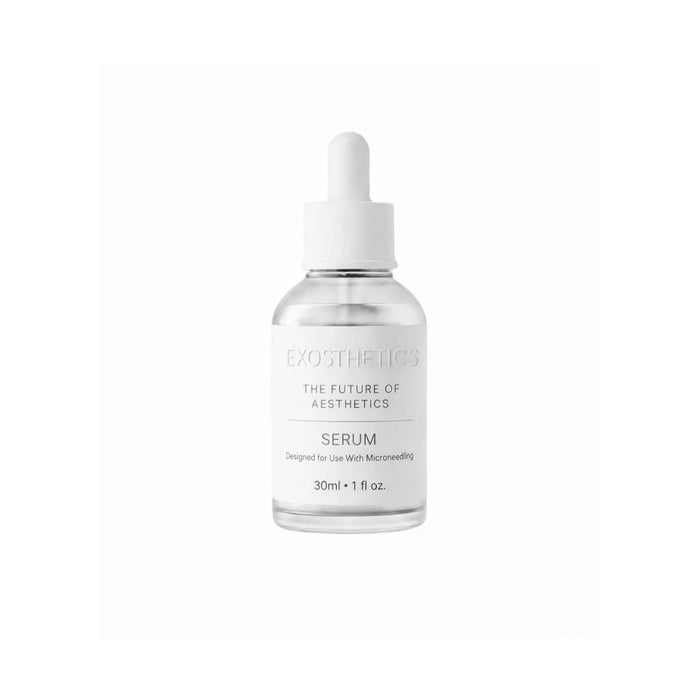
This is where exosome-based recovery products enter the conversation. Exosomes are extracellular vesicles derived from stem cells that carry bioactive cargo including growth factors, cytokines, mRNA, and microRNA. When applied topically after microneedling (while microchannels are still open), exosome serums deliver signaling molecules directly to the dermis where collagen synthesis and tissue repair are actively occurring. The science on topical exosomes for post-procedure recovery is still emerging, but the biological rationale is strong: you are delivering the exact type of molecular signals the wound healing cascade uses naturally, in concentrated form, at precisely the moment the skin can absorb them most effectively.

Day-by-Day Recovery: What to Expect
📋 After Microneedling:
→ Day 0 (treatment day): Redness, warmth, possible pinpoint bleeding. Skin feels tight. Apply only provider-approved serums (exosome serum, hyaluronic acid). No makeup, no actives, no retinol.
→ Days 1-2: Redness similar to sunburn. Skin may feel dry, tight, or slightly swollen. Continue gentle hydration and barrier support. Avoid touching your face unnecessarily. No exercise that causes heavy sweating.
→ Days 3-5: Redness fading. Skin may feel rough, dry, or "sandpapery" as microchannels close and superficial peeling begins. Resist the urge to pick or exfoliate. Continue gentle cleanser and barrier-supporting moisturizer. Sunscreen is essential if going outdoors.
→ Days 5-7: Most visible recovery complete. Skin begins to feel smoother. You can typically resume light makeup and gentle skincare.
→ Weeks 2-12: The invisible phase. Collagen remodeling is happening beneath the surface. Results build gradually. This is when you see texture, scarring, and fine line improvements emerge.
📋 After IPL:
→ Day 0: Mild redness and warmth. Pigmented spots may already begin darkening. Apply gentle moisturizer and avoid heat (hot showers, saunas, intense exercise).
→ Days 1-3: Dark spots become more visible (this is expected and means the treatment is working). Mild swelling possible. Continue gentle skincare, avoid sun exposure.
→ Days 4-7: Darkened spots begin to flake and shed. Do not pick or scrub them. Let them release naturally.
→ Days 7-14: Spots have largely cleared. Redness from vascular treatment continues to resolve. Skin tone looks more even.
→ Ongoing: Strict sun protection is essential after IPL to prevent new pigmentation. SPF 30+ daily is non-negotiable.
Skin Purging vs Breakouts After Treatment
This is one of the most common post-procedure concerns, and it causes unnecessary panic. After microneedling especially, some people experience what looks like a breakout. In many cases, this is actually "skin purging" - a temporary increase in cell turnover that brings existing microcomedones (tiny clogged pores you could not see) to the surface faster than they would have appeared on their own.
How to tell the difference: purging typically appears in areas where you normally break out, resolves within 1-2 weeks, and the individual blemishes cycle through faster than a typical pimple. A true breakout or reaction will appear in unusual areas, persist or worsen beyond two weeks, or be accompanied by signs of infection (increasing pain, pus, spreading redness, warmth).
If you are concerned, contact your provider. Do not self-treat with acne products during the acute recovery window.
"Microneedling Ruined My Skin" - Addressing the Fear
If you search this phrase, you will find forums full of anxious patients. Let us address it honestly. Microneedling, when performed by a trained professional using sterile technique and appropriate settings for your skin type and concern, has a strong safety profile. Complications - while real - are uncommon and are most often linked to overly aggressive settings, non-sterile devices (particularly at-home rollers), incorrect post-care, or treatment of contraindicated conditions like active inflammatory acne or keloid-prone skin.
Prolonged redness, PIH, and textural changes are the most commonly reported negative outcomes. Most resolve with time and appropriate care. If you are experiencing a concerning reaction, see your treating provider or a board-certified dermatologist - not Google, not Reddit.

IPL vs Microneedling Before and After
Before and after photos are often the deciding factor for patients weighing their options, and rightfully so. But there are a few important things to understand about interpreting them.
IPL before and after results are most dramatic for pigmentation and redness. You will see sunspots disappear, overall skin tone even out, and diffuse redness calm. These changes photograph well because they involve color correction, which cameras capture clearly. However, IPL before and afters can be significantly influenced by lighting, angles, and timing of the photos. Results are typically most visible 2-4 weeks after a session, once darkened spots have fully shed.
Microneedling before and after results are most dramatic for textural concerns - acne scars, pore size, fine lines. These changes are harder to capture in photos because they involve depth and texture, which require specific lighting (usually angled or cross-polarized) to visualize accurately. The best microneedling before and afters are taken with consistent lighting and at multiple time points, since collagen remodeling continues for 3-6 months post-treatment.
What you should look for in credible before and after photos: consistent lighting, consistent angles, unedited or minimally edited images, and appropriate time intervals between shots. Be skeptical of dramatic one-session transformations - both procedures typically require a series for optimal results.
IPL vs Microneedling Cost
Cost is a practical consideration that influences most people's treatment decisions, so let us talk about it openly.
IPL sessions typically range from $300 to $600 per session for a full face, depending on your geographic location, the specific device used, and the provider's expertise. A complete series of 3-6 sessions puts the total investment roughly between $900 and $3,600. Some providers offer package pricing that reduces the per-session cost.
Microneedling sessions typically range from $200 to $700 per session. The wide range reflects the difference between standard microneedling and RF (radiofrequency) microneedling, which costs more due to the added technology. A series of 3-6 standard microneedling sessions runs approximately $600 to $4,200. Adding PRP (platelet-rich plasma) or exosome serum typically adds $200-$500 per session.
When comparing cost, consider the total investment over a complete treatment series rather than per-session price. Also factor in your post-care products - proper recovery serums and sunscreen are not optional expenses, they are part of the treatment cost. Skimping on post-care to save money after spending hundreds on the procedure itself is a false economy that can compromise your results.
Neither treatment is typically covered by insurance, as both are considered cosmetic procedures.
Related: BBL laser recovery and microneedling vs HydraFacial
Microneedling vs IPL Pain - Which One Is Worse?
Pain tolerance is highly individual, so take any comparison with a grain of salt. That said, here is what most patients report.
IPL feels like a rubber band snapping against the skin, followed by a brief flash of warmth. Most people rate it between 3 and 5 out of 10 on a pain scale. Bony areas (forehead, nose bridge) tend to be more sensitive. Most providers do not use numbing cream for IPL, though some offer cooling devices or cold air during treatment.
Microneedling with a topical numbing cream (applied 30-45 minutes before treatment) is generally tolerable for most patients, rated around 2-4 out of 10. Without numbing, the experience is significantly more uncomfortable - particularly at deeper needle settings and in sensitive areas like the temples, upper lip, and around the nose. RF microneedling adds a deeper heating sensation that some patients describe as more intense than standard microneedling.
The post-procedure discomfort also differs. IPL tends to feel like mild sunburn for a few hours. Microneedling leaves the skin feeling tight, raw, and sensitive for 1-2 days. Neither should be severely painful; if a procedure causes significant pain, communicate with your provider immediately.
IPL vs Microneedling for Acne
This is an important distinction: we are talking about active acne here, not acne scarring (that is the next section).
IPL can help with certain types of acne. Specific wavelength filters can target the porphyrins produced by P. acnes bacteria, and the vascular-targeting capability can reduce the redness and inflammation associated with inflammatory acne. Some patients see improvement in mild to moderate inflammatory acne with a series of IPL sessions. However, IPL is not a first-line acne treatment and is typically used as an adjunct to a comprehensive skincare and medical regimen.
Microneedling is generally NOT recommended for active inflammatory acne. The needles can spread bacteria, worsen active lesions, and increase the risk of scarring. If you have active breakouts, they should be controlled before starting a microneedling series. Once acne is under control, microneedling becomes an excellent tool for addressing the scars left behind.
➡️ Bottom line: If you have active acne, address it first with appropriate medical treatment. IPL may play a supporting role. Microneedling should wait until active lesions are resolved.
IPL vs Microneedling for Acne Scars
This is where microneedling truly shines, and where the comparison becomes fairly one-sided.
Microneedling is one of the most well-studied and effective treatments for atrophic acne scars - the depressed, indented scars that result from collagen loss during inflammatory acne healing. The wound healing cascade triggered by microneedling directly addresses the underlying structural deficit by stimulating new collagen deposition in the dermal layer where the scarring exists.
Rolling scars (broad, undulating depressions) and boxcar scars (wider depressions with defined edges) respond best to microneedling. Ice pick scars (narrow, deep, V-shaped) are more resistant and typically require additional interventions like TCA CROSS (chemical reconstruction of skin scars) or punch excision before microneedling can improve the surrounding texture.
IPL does not effectively treat acne scars. The light energy does not reach the dermal depth where structural remodeling needs to occur. IPL may improve the residual redness or post-inflammatory erythema (PIE) that often accompanies acne scars, giving the appearance of improvement - but the scar architecture itself remains unchanged.
For the best results with acne scarring, many providers recommend microneedling combined with exosome or PRP application during the procedure. The open microchannels created by the needles allow these growth-factor-rich preparations to penetrate directly to the remodeling zone, potentially enhancing the collagen response.
Microneedling vs IPL for Old Acne Scarring
Old acne scars - the ones you have been living with for years or even decades - present a specific challenge. The collagen in mature scars has had time to organize into dense, fibrous tissue that is more resistant to remodeling than newer scars.
The good news: microneedling can still improve old acne scars. The wound healing cascade does not care how old the scar is. It responds to the controlled injury by producing new collagen regardless of scar age. However, expectations should be calibrated accordingly. Old, established scars typically require more sessions (often 4-6 or more) and may benefit from deeper needle settings or the addition of RF energy to achieve clinically meaningful improvement.
IPL remains ineffective for old acne scarring for the same reasons as newer scars - it does not address the structural deficit.
For stubborn old scarring, a combination approach often works best. Microneedling for overall texture improvement, subcision for tethered scars (where fibrous bands pull the scar down), TCA CROSS for ice pick scars, and exosome or growth factor support during recovery to optimize each session's remodeling potential.
IPL vs Microneedling for Melasma
Melasma deserves its own careful discussion because it is one of the most treatment-resistant pigmentation conditions, and choosing the wrong approach can make it dramatically worse.
IPL for melasma is controversial and generally not recommended as a primary treatment. Here is why: melasma involves overactive melanocytes that are hyper-responsive to stimulation. The thermal energy delivered by IPL can trigger these already-sensitized melanocytes to produce even more pigment, causing a rebound darkening that is worse than the original condition. Some providers use carefully calibrated low-fluence IPL protocols for melasma, but this requires significant expertise and carries meaningful risk.
Microneedling for melasma is also approached with caution, but the risk profile is different. Because microneedling works through mechanical injury rather than thermal energy, it does not directly stimulate melanocytes the way heat-based treatments can. Low-to-moderate depth microneedling may help by creating channels for the delivery of brightening agents (like tranexamic acid or vitamin C) and by promoting turnover of pigment-laden keratinocytes. However, overly aggressive microneedling can still trigger PIH in melasma-prone skin.
➡️ The current clinical consensus for melasma prioritizes topical treatments (hydroquinone, tranexamic acid, azelaic acid, retinoids), strict sun protection, and trigger avoidance (heat, hormones) as first-line therapy. Procedures like microneedling are typically considered adjunctive, used to enhance the delivery of topical agents rather than as standalone treatments.
IPL vs Microneedling for Rosacea
Rosacea is a condition where IPL has a clear advantage.
IPL directly targets the vascular component of rosacea - the dilated blood vessels, diffuse background redness, and telangiectasia (visible broken capillaries) that characterize the condition. The hemoglobin in these vessels absorbs the light energy, causing the vessels to coagulate and gradually be reabsorbed by the body. Multiple studies support IPL as one of the most effective treatments for the erythematotelangiectatic subtype of rosacea.
Microneedling is not a primary treatment for rosacea. While some providers use gentle microneedling to improve overall skin texture in rosacea patients, the inflammatory nature of the condition means that the procedure must be approached very conservatively. Aggressive microneedling on rosacea-prone skin can trigger a flare. Microneedling does not address the vascular component of rosacea at all.
For rosacea patients, IPL is typically the better choice, often combined with appropriate medical management (topical anti-inflammatories, trigger avoidance, gentle skincare). Post-IPL recovery in rosacea patients requires extra attention to barrier repair and anti-inflammatory support, as rosacea skin is inherently more reactive.
IPL vs Microneedling for Wrinkles
Both treatments can improve fine lines, but through different mechanisms and with different strengths.
IPL addresses wrinkles indirectly. The thermal energy stimulates a mild collagen remodeling response in the superficial dermis, which can soften fine lines and improve overall skin quality over a series of treatments. However, IPL's wrinkle-reducing capability is modest compared to dedicated resurfacing treatments. Think of it as a pleasant side benefit rather than the primary indication.
Microneedling addresses wrinkles more directly. The controlled micro-injuries trigger robust collagen and elastin production in the dermis - exactly the structural proteins whose decline causes wrinkles in the first place. For fine lines and early wrinkles, a series of microneedling sessions can produce meaningful improvement. For deeper, established wrinkles (like deep nasolabial folds or forehead lines), microneedling alone is usually insufficient and may need to be combined with other modalities.
RF microneedling (discussed in more detail below) adds thermal energy at controlled dermal depths, which enhances the collagen-tightening response and makes it a stronger option for wrinkles and early laxity compared to standard microneedling.
Microneedling vs IPL for Hyperpigmentation
Hyperpigmentation is a broad term, and the best treatment depends on what type you have.
For sun-induced hyperpigmentation (solar lentigines, age spots, sun spots), IPL is typically more effective and more efficient. The light energy directly targets the excess melanin deposits, causing them to darken, rise, and shed. Results are visible relatively quickly, often within 1-2 weeks of treatment.
For post-inflammatory hyperpigmentation (PIH) - the dark marks left behind after acne, injuries, or other skin inflammation - the approach is more nuanced. IPL can help, but it carries risk of worsening PIH, particularly in darker skin tones. Microneedling at conservative settings, combined with targeted brightening ingredients delivered through the microchannels, can be effective for PIH while carrying lower risk of paradoxical darkening.
For melasma-related hyperpigmentation, see the dedicated melasma section above. Neither treatment is first-line, and both carry risks.
Regardless of which treatment you choose for hyperpigmentation, post-procedure sun protection is absolutely critical. UV exposure after either procedure can trigger new pigment formation that undoes the treatment benefits entirely.
IPL vs Microneedling with PRP
PRP - platelet-rich plasma - involves drawing a small amount of your blood, centrifuging it to concentrate the platelets and their growth factors, and applying the resulting preparation to your skin during or immediately after microneedling. This combination is often called the "vampire facial."
The rationale is sound: PRP delivers concentrated growth factors (PDGF, TGF-beta, VEGF, EGF) directly into the open microchannels where the wound healing cascade is actively occurring. The idea is to amplify the biological signals that drive collagen production and tissue repair.
IPL is not typically combined with PRP because there are no open channels for the PRP to enter. The skin surface is intact after IPL - thermally stressed, but not punctured. Applying PRP topically to intact skin after IPL has no established mechanism for enhanced delivery.
Microneedling with PRP has more clinical support than microneedling alone for certain indications, particularly acne scarring. However, PRP has inherent variability - the concentration of growth factors depends on the individual patient's blood, the centrifugation protocol, and the preparation method. Results are not standardized from patient to patient.
This is where exosomes offer a compelling alternative. Unlike PRP, exosome preparations are standardized - each batch contains a consistent concentration of growth factors and signaling molecules. They do not require a blood draw, eliminate the variability issue, and can be applied in the same post-microneedling window. For patients who want growth factor support without the inconsistency of PRP, exosome-based serums represent the next generation of post-procedure recovery science.
IPL vs RF Microneedling
RF microneedling is a distinct category from standard microneedling, and comparing it to IPL requires separate consideration.
RF microneedling combines the mechanical micro-injury of needles with radiofrequency energy delivered at the needle tip. The RF energy creates thermal coagulation zones at controlled dermal depths - meaning you get both the wound healing cascade from the needles AND targeted thermal tightening from the RF energy. This dual mechanism makes RF microneedling more effective than standard microneedling for skin tightening, deeper wrinkles, and acne scars.
Compared to IPL, RF microneedling is a fundamentally different treatment addressing different concerns. IPL remains superior for surface pigment and vascular lesions. RF microneedling is superior for structural remodeling, tightening, and scar revision. There is very little clinical overlap between the two.
RF microneedling devices include Morpheus8, Genius, Potenza, and Scarlet, among others. Each has different needle configurations, RF energy delivery patterns, and depth capabilities. The recovery from RF microneedling is typically slightly longer than standard microneedling (expect 3-5 days of more pronounced redness and swelling) due to the added thermal component.
Post-procedure care for RF microneedling follows the same principles as standard microneedling but with even more emphasis on anti-inflammatory support and barrier repair, given the combined mechanical and thermal injury. Exosome serums applied immediately post-treatment can help address both the wound healing needs of the micro-injuries and the inflammatory response from the thermal energy.
Lumecca IPL vs Microneedling
Lumecca is a specific IPL device manufactured by InMode that has gained significant popularity for its high peak power output. Lumecca delivers approximately 2-3 times more energy in the 500-600 nm range compared to most standard IPL devices, which means it can often achieve more dramatic results in fewer sessions for pigmentation and vascular concerns.
Many patients report noticeable improvement after just one Lumecca session for sun damage and redness, whereas standard IPL devices typically require 2-3 sessions before results become clearly visible. This efficiency is appealing, but the higher energy output also means the treatment requires skilled calibration - the risk of burns and adverse effects increases with more powerful devices, particularly in patients with darker skin tones or recent sun exposure.
Comparing Lumecca specifically to microneedling follows the same logic as standard IPL vs microneedling. Lumecca is excellent for pigment and vascular correction. Microneedling is excellent for structural remodeling. They address different aspects of skin quality. Some treatment plans use Lumecca first to clear pigmentation and redness, then follow with a microneedling series for texture and scar improvement - addressing both color and structure in a phased approach.
How Exosomes Fit Into Your Post-Procedure Recovery
We have referenced exosomes throughout this guide, and this is where we connect all the dots. Exosomes are not a procedure - they are a recovery tool. They do not replace IPL or microneedling. They enhance the results of either treatment by optimizing what happens after.
Here is the core concept: your procedure creates the controlled injury. Your body's healing response creates the result. Exosome-based serums support and optimize that healing response by delivering concentrated, standardized growth factors and signaling molecules directly to the tissue during its most active repair phase.
When microneedling serum containing exosomes is applied immediately after microneedling (through open microchannels), exosomes can reach the dermal layer where fibroblast activation, collagen synthesis, and tissue remodeling are occurring. They deliver molecular signals that support the wound healing cascade rather than leaving it entirely to your body's endogenous supply.
After IPL, exosome serums support barrier recovery and anti-inflammatory signaling in the thermally stressed epidermis and superficial dermis. While absorption is less dramatic than through microchannels, the barrier-compromised post-IPL skin still benefits from targeted recovery support.
The science on topical exosomes is still building, but the biological rationale - delivering concentrated regenerative signals to actively healing tissue - aligns with everything we know about how the wound healing cascade works. For patients who want to maximize their investment in professional procedures, incorporating exosome-based recovery into the post-treatment care protocol is a logical step.
Frequently Asked Questions
Is it normal to break out after microneedling?
Yes, mild breakouts or "skin purging" in the first 1-2 weeks after microneedling are common and typically resolve on their own. The treatment accelerates cell turnover, which can bring existing clogged pores to the surface faster. If breakouts persist beyond two weeks or show signs of infection, contact your provider.
How long will I be red after IPL?
Most people experience mild redness for 1-3 days after IPL. Pigmented spots will darken before flaking off over 7-14 days, which is a normal and expected part of the treatment process. Significant or worsening redness beyond 3-4 days should be evaluated by your provider.
Can microneedling make acne scars worse?
When performed correctly by a trained professional at appropriate settings, microneedling should not make acne scars worse. Complications are most often linked to overly aggressive settings, non-sterile devices, or treating active inflammatory acne. Always ensure your provider is experienced with scar treatment protocols.
What should I put on my face after microneedling?
Immediately after microneedling, apply only provider-approved products - typically a hyaluronic acid serum, exosome serum, or growth factor preparation. Avoid retinol, vitamin C (in acidic formulations), fragrance, and active exfoliants for at least 48-72 hours. Gentle cleanser and barrier-supporting moisturizer are your essentials during recovery.
When can I wear makeup after microneedling or IPL?
Most providers recommend waiting at least 24-48 hours after microneedling before applying makeup, as the microchannels need time to close. After IPL, mineral makeup can typically be applied the next day. In both cases, ensure brushes and products are clean to minimize infection risk.
What are exosomes and do they help after microneedling?
Exosomes are tiny extracellular vesicles derived from stem cells that carry growth factors and signaling molecules. When applied topically after microneedling through open microchannels, they deliver concentrated regenerative signals to the dermis where collagen production and tissue repair are actively occurring, potentially accelerating recovery and enhancing results.
When can I use retinol again after IPL or microneedling?
Most providers recommend waiting 5-7 days after either procedure before reintroducing retinol. Your skin barrier needs time to recover, and retinol can cause irritation on compromised skin. Restart with a lower frequency than your usual routine and build back up gradually.
Can I do microneedling at home between professional sessions?
At-home derma rollers (0.25 mm or less) may help with product absorption, but they do not replicate the collagen-inducing effects of professional treatments at 1.0-2.5 mm depth. At-home devices also carry higher infection risk if not properly sterilized. Professional treatments remain the standard for meaningful clinical results.
IPL burned my skin - what should I do?
Contact your treating provider immediately. In the meantime, apply a gentle barrier-repair product, avoid sun exposure completely, and do not apply any active ingredients. Minor thermal reactions often resolve with proper care, but blistering or persistent burns should be evaluated promptly to prevent scarring or permanent pigment changes.
How do I reduce redness faster after microneedling or IPL?
Focus on barrier repair and anti-inflammatory support. Apply a clean hyaluronic acid or exosome-based serum, keep skin hydrated, avoid heat and strenuous exercise for 24-48 hours, and use a mineral sunscreen when outdoors. Avoid anything that increases blood flow to the face (hot showers, alcohol, spicy food) during the first 24 hours.
Conclusion: Choosing the Right Treatment and Recovering Smarter
The ipl vs microneedling decision is not really about which treatment is "better." It is about which treatment matches your specific skin concern, your skin type, and your goals. IPL excels at correcting color - sun damage, redness, visible vessels, and overall tone. Microneedling excels at correcting structure - acne scars, texture, pores, and fine lines. Many patients ultimately benefit from both, either in sequence or as part of a comprehensive treatment plan.
But here is what we hope you take away from this guide above all else: the procedure is the stimulus, not the result. Your recovery is where the result is built. Every decision you make in the days and weeks after treatment - what you apply, what you avoid, how you protect your skin - directly influences how much benefit you actually receive from the time, money, and trust you invested in the procedure itself.
Exosome-based recovery is not a trend or a marketing gimmick. It is the logical application of regenerative biology to the post-procedure window, delivering concentrated healing signals to tissue that is actively repairing itself. Whether you choose IPL, microneedling, RF microneedling, or a combination approach, optimizing your recovery protocol is the single highest-leverage thing you can do to improve your outcomes.
Your skin already knows how to heal. Give it the right tools, at the right time, and the results will speak for themselves.
References
This article was written based on widely accepted dermatologic principles regarding the mechanisms of IPL photothermolysis, microneedling-induced collagen induction therapy, wound healing cascade biology, and post-procedure barrier recovery. Specific clinical studies were not available for citation in this version. Readers seeking peer-reviewed evidence are encouraged to consult PubMed and the Journal of the American Academy of Dermatology for systematic reviews on IPL efficacy, microneedling for acne scarring, and emerging research on exosome-based topical applications in wound healing and dermal remodeling.

The first week
Everything in this guide, in two products
Exosome Serum for the night of. 72-Hour+ Cream from day three. $99 together — and you can add Ceramide Repair, the day-7 step, for $35 instead of $49.
See the Kit — $99