
When it comes to skin rejuvenation, few comparisons generate as much interest as microdermabrasion vs microneedling. Both treatments promise clearer, more youthful skin, but they achieve their results through fundamentally different mechanisms. Understanding these differences—backed by peer-reviewed clinical research—is essential for anyone considering either procedure.
This comprehensive guide relies exclusively on published scientific studies to explain what each treatment does, how they compare, and which conditions they address most effectively. We'll also cover essential microneedling aftercare protocols and post-treatment care strategies that can significantly impact your results. Whether you're a first-time patient exploring options or a skincare enthusiast seeking deeper knowledge, this article provides the clinical foundation you need to make an informed decision.
What sets this guide apart is its commitment to evidence. Every scientific claim draws from specific peer-reviewed studies, which are cited throughout. No marketing language, no unsubstantiated promises—just dermatological science translated into practical understanding.
Don't guess your recovery. Download FREE Clinical Microneedling Protocol Here
What Is Microneedling?
Microneedling, also known as percutaneous collagen induction therapy, represents one of the most significant advances in minimally invasive dermatological treatment. At its core, the procedure involves using fine needles to create thousands of controlled micro-injuries in the skin's surface. While the concept of intentionally wounding the skin might seem counterintuitive, it harnesses the body's natural healing cascade to achieve therapeutic results.
The Science of Controlled Wounding
When microneedles penetrate the epidermis and reach into the dermis, they trigger a three-phase wound healing response. The initial inflammatory phase brings platelets and neutrophils to the treatment area, releasing growth factors that signal tissue repair. This transitions into the proliferative phase, where fibroblasts begin producing new collagen and elastin—the structural proteins responsible for skin firmness and elasticity. Finally, the remodeling phase involves the maturation and organization of this new collagen over weeks to months.
Reference: Singh A, Yadav S. Microneedling: Advances and widening horizons. Indian Dermatol Online J. 2016;7(4):244-254. (PMC5556180)
This mechanism is what makes microneedling particularly effective for conditions involving collagen loss or disorganization. The controlled nature of the injury allows clinicians to target specific depths and densities depending on the treatment goal, whether addressing superficial texture irregularities or deeper scarring.
Conditions Commonly Treated
Clinical applications of microneedling have expanded considerably since its introduction. The procedure is frequently employed for skin texture irregularities, where the stimulation of new collagen can smooth uneven surfaces. Atrophic acne scars—the indented scars left after inflammatory acne—respond well to the remodeling effects. Photodamage, including fine lines and mild sun-induced pigmentation changes, also falls within microneedling's therapeutic scope.
One particularly relevant application is the treatment of stretch marks (striae distensae). A comparative study examining both microneedling and microdermabrasion for this condition provides direct evidence of how these treatments perform against each other—a study we'll examine in detail later in this guide.
Recovery Forecast
Get your personalized timeline for returning to normal activities after your microneedling treatment.
Your Forecast is Ready!
Enter your email to receive your personalized recovery timeline, safe activity dates, and Exosome Accelerator calculation.
Redness Clears
Day 5
Gym Safe
Day 4
Exosome Boost
2-3 daysfaster recovery
Check Your Inbox!
Your personalized Recovery Forecast is on its way. Look for an email from Exosthetics in the next few minutes.
What Is Microdermabrasion?
Microdermabrasion takes an entirely different approach to skin renewal. Rather than creating puncture wounds, this procedure mechanically removes the outermost layer of skin—the stratum corneum—through controlled abrasion. Think of it as precision exfoliation elevated to clinical standards.
The stratum corneum consists of dead, flattened cells (corneocytes) held together by lipids. While this layer serves important barrier functions, its accumulation can contribute to dull appearance, uneven texture, and impaired penetration of topical products. By selectively removing this superficial layer, microdermabrasion creates immediate improvements in skin brightness and texture while triggering underlying biological responses.
What Research Reveals About Microdermabrasion
Multiple clinical studies have investigated microdermabrasion's effects at both the molecular and clinical levels, providing a detailed picture of what this treatment actually accomplishes.
Molecular and Immune Activation: Research by Karimipour and colleagues examined the immediate molecular changes following aggressive microdermabrasion. Their findings revealed increased expression of cytokines and matrix metalloproteinases (MMPs) shortly after treatment. These molecular signals represent the skin's wound-healing response being activated—even though the treatment only affects the superficial epidermis. This suggests that microdermabrasion's benefits extend beyond simple mechanical exfoliation to include biological signaling that promotes tissue renewal.
Reference: Karimipour DJ, et al. Molecular analysis of aggressive microdermabrasion. Arch Dermatol. 2005.
Dermal Remodeling Over Time: El-Domyati and colleagues conducted histological examinations of skin before and after repeated microdermabrasion sessions. Their analysis demonstrated increased collagen density and improved organization of dermal fibers following a treatment series. This finding is significant because it confirms that superficial treatment can influence deeper skin structures—the dermis—where collagen resides.
Reference: El-Domyati M, et al. Microdermabrasion: a clinical, histometric, and histopathologic study. J Cosmet Dermatol. 2016. (PubMed 27357600)
Surface Parameter Changes: Davari and colleagues investigated how repeated microdermabrasion affects measurable skin parameters. After multiple treatment sessions, they documented decreased sebum levels, suggesting the procedure may benefit those with oily or congested skin. Changes in skin hydration and pH were also observed, indicating broader effects on skin physiology beyond simple exfoliation.
Reference: Davari P, et al. Skin effect of serial microdermabrasion. J Dermatolog Treat. 2008. (PubMed 18412873)
Clinical Improvements: Spencer and colleagues documented visible improvements in pigmentation irregularities and fine lines after six microdermabrasion sessions. These clinical outcomes align with the histological and molecular findings—the biological changes translate into observable improvements that patients and clinicians can appreciate.
Reference: Spencer JM, et al. Clinical outcomes of microdermabrasion series. J Am Acad Dermatol. 2006. (PubMed 17083587)

Types of Microdermabrasion
While the scientific studies referenced in this article examined microdermabrasion as a general category, patients will encounter different device types in clinical settings. Understanding these variations helps set appropriate expectations, though the fundamental mechanism—controlled removal of the stratum corneum—remains consistent across methods.
Diamond Tip Microdermabrasion
Diamond tip devices use a wand coated with diamond particles to mechanically abrade the skin surface. The clinician controls abrasion intensity by adjusting pressure and the number of passes over each area. Suction simultaneously removes the exfoliated cells. This method allows precise control over treatment depth and is particularly useful around delicate areas like the eyes where crystal dispersion from older systems could pose risks.
Hydro Microdermabrasion
Hydro (or hydradermabrasion) devices combine exfoliation with simultaneous infusion of water or specialized serums. While not directly studied in the approved scientific papers for this article, hydro systems operate on the same principle of superficial exfoliation. The added hydration component may provide additional benefits for dry or dehydrated skin types, though this requires further clinical validation.
Clinical Note: Regardless of device type, the biological effects documented by Karimipour, El-Domyati, Spencer, and Davari apply to the general mechanism of controlled superficial abrasion. Device-specific comparative studies would be needed to determine whether one type produces superior outcomes.
Biological Effects of Microdermabrasion: A Deeper Dive
Understanding microdermabrasion requires looking beyond the visible exfoliation to appreciate the cascade of biological events the procedure triggers. Here's what peer-reviewed research reveals about the treatment's effects on skin biology:
🔬 Immune and Wound-Healing Activation
-
Karimipour et al. demonstrated that even superficial abrasion triggers molecular signals associated with wound healing
-
Increased cytokine activity was observed in treated skin, indicating immune system engagement
-
Matrix metalloproteinase (MMP) expression rose following treatment—these enzymes play crucial roles in tissue remodeling
-
These molecular changes occurred shortly after treatment, suggesting rapid biological response
🧬 Collagen and Dermal Remodeling
-
El-Domyati et al. found measurably increased collagen density after repeated treatment sessions
-
Dermal fibers showed improved organization—moving from disorganized to more structured arrangements
-
Histological analysis confirmed changes occurred in the dermis, not just the treated epidermis
-
Benefits accumulated with repeated treatments, suggesting optimal results require a series
💧 Surface and Physiological Changes
-
Davari et al. documented decreased sebum levels after multiple passes—potentially beneficial for oily skin
-
Skin hydration parameters showed changes following treatment series
-
pH levels were affected, indicating alterations to the skin's acid mantle
-
These physiological shifts suggest effects beyond mechanical exfoliation
✨ Visible Clinical Improvements
-
Spencer et al. observed reduced pigmentation irregularities after completing a treatment series
-
Fine lines showed improvement—consistent with collagen remodeling findings
-
Six sessions produced measurable clinical outcomes
-
Results correlated with underlying biological changes documented in other studies
Microdermabrasion vs Microneedling: Which Is Better?
This question drives countless online searches, yet answering it responsibly requires acknowledging what the scientific evidence actually shows—and where it's limited.
The Only Direct Comparison
Among the approved studies for this article, only one provides a direct head-to-head comparison of these treatments. This comparative study examined both microneedling and microdermabrasion for treating stretch marks (striae distensae). The findings were noteworthy:
-
Microneedling demonstrated greater effectiveness in improving the appearance of stretch marks compared to microdermabrasion
-
Microdermabrasion showed better tolerability —patients found it more comfortable during and after treatment
-
The effectiveness-tolerability tradeoff suggests treatment selection should match patient priorities and condition severity
Reference: Comparative study of microneedling vs microdermabrasion for stretch marks. (ResearchGate)
Understanding the Fundamental Differences
Even without extensive comparative trials, the mechanisms of each treatment illuminate why outcomes differ.
Depth of Action: Microneedling penetrates through the epidermis into the dermis, where collagen and elastin reside. The depth can be adjusted based on needle length, typically ranging from 0.5mm to 2.5mm depending on treatment goals. Microdermabrasion, conversely, affects only the superficial stratum corneum and uppermost epidermis—it doesn't directly reach the dermal layer.
Type of Injury: Microneedling creates columnar wounds that trigger the full wound-healing cascade. Microdermabrasion produces surface abrasion without creating actual wounds in the traditional sense. Both trigger biological responses, but the nature and extent differ significantly.
Collagen Induction: While both treatments can influence collagen (as El-Domyati's microdermabrasion research showed), microneedling's direct dermal penetration creates a more robust collagen-induction stimulus. This is why microneedling is specifically termed "collagen induction therapy."
The Bottom Line: Neither treatment is universally "better." Microneedling offers greater efficacy for conditions requiring deeper remodeling but demands more recovery. Microdermabrasion provides gentler improvement with minimal downtime. The right choice depends on your specific condition, tolerance for recovery, and treatment goals.
Microdermabrasion vs Microneedling Results Comparison
The following table synthesizes key differences based on the scientific evidence reviewed.
|
Factor |
🔬 Microneedling |
💎 Microdermabrasion |
|---|---|---|
|
📏 Depth |
Epidermis through to dermis (0.5-2.5mm) |
Superficial stratum corneum only |
|
⚙️ Primary Mechanism |
Controlled micro-injuries triggering wound healing cascade (PMC5556180) |
Mechanical exfoliation with secondary molecular signaling (Karimipour) |
|
🧬 Collagen Effects |
Direct dermal stimulation; primary collagen induction therapy |
Increased collagen density with repeated sessions (El-Domyati) |
|
😊 Tolerability |
Less tolerable; more discomfort (Comparative Study) |
More tolerable; generally comfortable procedure |
|
📊 Stretch Mark Efficacy |
More effective (Comparative Study) |
Less effective but still beneficial |
|
🎯 Best For |
Deeper concerns: scars, significant texture issues, stretch marks |
Surface concerns: dullness, mild texture, fine lines (Spencer) |
Microdermabrasion vs Microneedling Cost
Cost considerations inevitably factor into treatment decisions. While this section contains no scientific claims (pricing wasn't examined in the clinical studies), understanding typical cost structures helps with planning.
General Cost Ranges
Microdermabrasion: Typically ranges from $75 to $200 per session. The lower price point reflects the procedure's less intensive nature and shorter treatment times. Many clinics offer package pricing for the recommended series of 4-6 sessions.
Microneedling: Generally ranges from $200 to $700 per session. The higher cost reflects the more intensive nature of the procedure, specialized equipment, and typically longer appointment times. Professional-grade devices with adjustable depth settings command premium pricing.
Factors Affecting Cost
-
Geographic location: Metropolitan areas typically command higher prices than suburban or rural locations
-
Provider credentials: Board-certified dermatologists may charge more than medical spas or aestheticians
-
Device quality: FDA-cleared professional devices typically cost more than lower-grade alternatives
-
Treatment area: Full-face treatments cost more than targeted areas
-
Add-on treatments: PRP (platelet-rich plasma), growth factors, or specialized serums increase the total cost
Value Consideration: When comparing costs, consider the total investment required for your goals. If microdermabrasion requires more sessions to achieve similar results, the cumulative cost may approach that of fewer microneedling sessions.
Microdermabrasion and Microneedling Together
Theoretical Considerations
From a mechanistic standpoint, some practitioners suggest that mild microdermabrasion could serve as preparation for microneedling by removing dead surface cells before creating micro-channels. The logic follows that cleaner skin surfaces might allow more uniform needle penetration and potentially enhance serum absorption through the created channels.
However, this theory remains unvalidated by controlled studies. The wound-healing cascade described in the microneedling literature (PMC5556180) emphasizes that the controlled injury itself triggers the therapeutic response. Whether pre-treatment exfoliation enhances this cascade is speculative.
How Long After Microneedling Can I Have Microdermabrasion?
This is a timing question that reflects a smart instinct: you understand that these procedures affect your skin differently and that layering them too close together could be problematic. You are right to think about this carefully.
The evidence in our included studies does not provide a specific day-count recommendation for spacing microneedling and microdermabrasion sessions. What the evidence does establish is the conceptual framework for why timing matters. Microneedling creates micro-channels that temporarily disrupt the skin barrier (Tijani et al., 2023), and performing a second procedure - especially one involving physical exfoliation - on skin whose barrier has not fully recovered could increase the risk of irritation, sensitivity, or complications.
The combination treatment literature, including Piaserico et al. (2022), discusses the principle that clinicians layer procedures cautiously and with attention to sequencing. While that review focuses on photodynamic therapy combinations for actinic keratoses rather than cosmetic procedures, the underlying logic applies: when you combine treatments that each affect the skin barrier, the order and timing of those treatments influence both safety and outcomes. Your provider should determine the appropriate interval based on your individual healing response, the depth of your microneedling session, and how your skin has recovered. As a general principle, waiting until your skin barrier has fully recovered from microneedling before introducing any additional exfoliation procedure is the conservative and evidence-aligned approach. (Tijani et al., 2023; Piaserico et al., 2022)
Sequencing Principles
If combining treatments, general sequencing principles suggest that microdermabrasion would precede microneedling within a session (if done same-day), and that microdermabrasion should not be performed during the active healing phase following microneedling. The inflammatory and proliferative phases documented in wound-healing research indicate skin is actively repairing for days to weeks post-microneedling—disrupting this with additional abrasion could theoretically impair results.
Important: Any combination protocol should be discussed with a qualified dermatologist or licensed provider. Without clinical evidence supporting specific combination approaches, individual assessment is essential.
Microdermabrasion vs Microneedling for Acne Scars
Acne scars represent one of the most common concerns driving patients to consider these treatments. Understanding what the evidence supports—and where gaps exist—is crucial for setting realistic expectations.
The Evidence Landscape
The approved studies for this article do not include a direct comparison of microneedling versus microdermabrasion specifically for acne scars. However, we can draw reasonable inferences from related evidence and mechanism analysis.
The comparative stretch mark study found microneedling more effective than microdermabrasion for that condition. Stretch marks and atrophic acne scars share important characteristics: both involve disrupted collagen architecture in the dermis, both create textural depression in the skin surface, and both require dermal remodeling for meaningful improvement. While not directly transferable, this parallel suggests microneedling's superiority might extend to similar scar types.
Mechanistic Analysis
For Microneedling: The collagen induction mechanism documented in PMC5556180 directly addresses the pathology of atrophic scars. By penetrating to dermal depths where scar tissue exists, microneedling stimulates new collagen formation that can fill depressed areas and reorganize disrupted tissue architecture. The wound-healing cascade includes fibroblast activation and collagen deposition precisely where scar remodeling is needed.
For Microdermabrasion: El-Domyati's research demonstrated increased collagen density with repeated sessions, and Spencer documented clinical improvement in skin texture. For superficial scars or the roughened texture surrounding deeper scars, these surface-level improvements may provide benefit. However, microdermabrasion cannot physically reach the dermal depth where most acne scars reside.
What Is Better for Acne Scars: Microdermabrasion or Microneedling?
Given the evidence reviewed, microneedling appears more appropriate for most acne scar presentations, though this conclusion requires qualification.
The Case for Microneedling
-
Direct dermal penetration reaches the tissue layer where atrophic scars form
-
Collagen induction therapy was more effective in the one direct comparison available (stretch marks)
-
Wound-healing cascade (PMC5556180) describes mechanisms directly relevant to scar remodeling
-
Adjustable depth allows customization to scar severity and location
When Microdermabrasion May Still Help
-
Very superficial textural irregularities
-
Post-inflammatory hyperpigmentation accompanying scars (based on Spencer's pigmentation findings)
-
Patients who cannot tolerate microneedling's discomfort
-
As a maintenance treatment between more intensive interventions
Evidence Limitation: The absence of direct acne scar comparison studies in our approved literature means these recommendations rest on mechanism extrapolation and the stretch mark comparison. Patients should discuss their specific scar type with a dermatologist who can assess depth and characteristics firsthand.
Condition-Specific Comparisons
The following sections address common conditions that lead patients to consider these treatments. For each, we note what the approved evidence supports and where limitations exist.

Microdermabrasion vs Microneedling for Hyperpigmentation
Hyperpigmentation—whether from sun damage, inflammation, or hormonal changes—presents a nuanced treatment challenge. Spencer et al. documented reduced pigmentation irregularities after microdermabrasion, providing direct evidence for this indication. The mechanical removal of pigment-containing surface cells, combined with the accelerated cellular turnover that follows, helps even skin tone.
Microneedling's relationship with pigmentation is more complex. The wound-healing response can help remodel areas of discoloration, but improper technique or inadequate sun protection post-treatment can potentially worsen pigmentation, particularly in darker skin tones. No direct pigmentation comparison exists in our approved studies, so neither treatment can be declared definitively superior for this indication.
Microdermabrasion vs Microneedling for Wrinkles
Fine lines represent early collagen loss and skin thinning. Spencer's microdermabrasion research showed improvement in fine lines after a treatment series, while El-Domyati confirmed increased collagen density histologically. For surface-level fine lines, microdermabrasion offers documented benefit.
Deeper wrinkles—true furrows caused by repeated muscle movement and significant dermal volume loss—likely require deeper intervention. Microneedling's dermal collagen induction (PMC5556180) theoretically offers more substantial remodeling potential for these concerns. However, our approved studies don't include a direct wrinkle comparison, so definitive superiority claims aren't supported by this evidence base.
Microdermabrasion vs Microneedling for Stretch Marks
This is the one condition where direct comparative evidence exists. The ResearchGate comparative study specifically examined both treatments for stretch marks and found microneedling more effective than microdermabrasion. This makes biological sense: stretch marks result from rapid dermal stretching that disrupts collagen and elastin fibers—repair requires reaching that dermal level.
Patients should note, however, that the same study found microneedling less tolerable. For those with lower pain thresholds or those seeking gradual improvement, microdermabrasion may still play a role—just with tempered expectations about the degree of improvement possible.
Microdermabrasion vs Microneedling vs Chemical Peel
Chemical peels introduce a third mechanism: controlled chemical exfoliation using acids (glycolic, salicylic, TCA, phenol) at various depths. While no direct three-way comparison exists in our approved studies, understanding the basic differences helps contextualize options:
-
Microdermabrasion: Mechanical exfoliation of stratum corneum; minimal downtime; surface-level improvements
-
Microneedling: Physical wound creation at controlled depths; moderate downtime; collagen induction
-
Chemical peels: Chemical dissolution of skin layers; variable depth and downtime depending on peel strength
Each treatment offers distinct advantages depending on the condition being addressed, skin type, and recovery tolerance. This comparison is provided for general orientation only, as chemical peels were not included in the approved clinical studies for this article.
Microdermabrasion vs Microneedling for Pores
Enlarged pores result from multiple factors including sebum production, loss of surrounding collagen support, and accumulated debris. Davari's research documented decreased sebum levels after microdermabrasion, which may indirectly benefit pore appearance by reducing sebaceous congestion. The surface exfoliation also clears pore openings of built-up material.
Microneedling may address the structural component—by stimulating collagen around pore walls, the supporting tissue can become firmer, potentially reducing apparent pore size. Neither treatment can physically shrink pore anatomy, but both may improve appearance through their respective mechanisms. No direct comparison for this indication exists in our approved literature.
Microdermabrasion vs Microneedling for Melasma
Melasma presents unique challenges due to its hormonal component and tendency to recur. The approved studies do not specifically address melasma, requiring particular caution in making recommendations. Spencer's pigmentation improvements applied to general irregularities, not the distinct pathology of melasma.
Both treatments carry theoretical risks for melasma patients: the inflammation following either procedure could potentially trigger melanocyte activity and worsen the condition. Microneedling's deeper penetration poses particular concern in this regard. Patients with melasma should seek specialized dermatological guidance before pursuing either treatment.
Microdermabrasion vs Microneedling for Dark Spots
Dark spots (solar lentigines, post-inflammatory hyperpigmentation) generally reside in the epidermis or upper dermis. Spencer's documentation of reduced pigmentation irregularities with microdermabrasion supports its use for surface-level discoloration. The mechanical removal of pigmented cells combined with accelerated turnover can gradually fade spots over a treatment series.
Microneedling may help remodel deeper pigment deposits through the wound-healing response, but aggressive treatment risks post-inflammatory hyperpigmentation, particularly in darker skin tones. Without direct comparison data, treatment selection should consider spot depth, skin type, and provider experience with each modality.
Microdermabrasion vs Microneedling for Blackheads
Blackheads (open comedones) form when pores become clogged with sebum and debris. Neither microdermabrasion nor microneedling specifically targets comedone extraction, though both may provide indirect benefits.
Microdermabrasion's mechanical exfoliation removes surface debris and may help clear superficial pore congestion. Davari's finding of decreased sebum levels suggests potential benefit for oily, congestion-prone skin. Microneedling doesn't directly address comedones but may improve overall skin texture that makes blackheads less prominent. For active blackhead management, neither treatment replaces proper extraction and comedolytic skincare.
Microdermabrasion vs Microneedling for Bumps
"Bumps" encompasses various conditions—milia, keratosis pilaris, closed comedones, or textural irregularities—each with different causes and appropriate treatments. This ambiguity limits evidence-based recommendations from the approved studies.
For textural bumps related to rough skin surface, both treatments may help. Microdermabrasion's exfoliation smooths surface irregularities (consistent with Spencer's texture findings), while microneedling's collagen remodeling addresses deeper textural concerns. Specific bump types (milia, keratosis pilaris) may respond differently and weren't specifically studied in the approved literature. Dermatological assessment of bump type should guide treatment selection.
Recovery, Safety, and Post-Treatment Care
Successful outcomes depend not just on the procedure itself but on proper aftercare. Understanding the biological processes occurring during recovery helps patients support their skin's healing and maximize results.
Microneedling Recovery: What to Expect
The wound-healing cascade described in the microneedling literature (PMC5556180) provides the framework for understanding recovery. Immediately following treatment, the inflammatory phase brings redness, warmth, and mild swelling—typically resembling a sunburn. This phase, lasting 1-3 days, represents essential immune activity preparing the tissue for repair.
The proliferative phase follows, with fibroblasts producing new collagen and extracellular matrix components. During this period (days 3-14), skin may appear dry or flakey as surface cells turn over. The remodeling phase continues for weeks to months, during which new collagen matures and organizes—this is why full results take time to manifest.
Microneedling Aftercare Essentials
-
Gentle cleansing only for the first 24-48 hours—avoid exfoliating products, acids, or retinoids
-
Hydration is essential—the micro-channels benefit from appropriate moisture support
-
Sun protection is non-negotiable—healing skin is highly susceptible to UV damage
-
Avoid makeup for 24-48 hours to prevent introducing bacteria into open channels
-
Skip strenuous exercise for 24-72 hours—sweating can irritate treated skin
Microdermabrasion Recovery
Karimipour's research documented post-abrasion inflammation at the molecular level, though this typically manifests as mild redness lasting hours rather than days. The less invasive nature of microdermabrasion means most patients experience minimal visible recovery signs.
Post-treatment care emphasizes sun protection (the fresh skin surface is more vulnerable to UV damage) and gentle moisturization. Most patients can apply makeup and return to normal activities immediately, though some experience temporary tightness or sensitivity.
Supporting Recovery with Targeted Serums
The immediate post-procedure window presents a unique opportunity for product penetration. The micro-channels created by microneedling or the fresh surface following microdermabrasion can allow enhanced absorption of topical formulations. Many clinicians incorporate regenerative serums during this window to support the healing process.
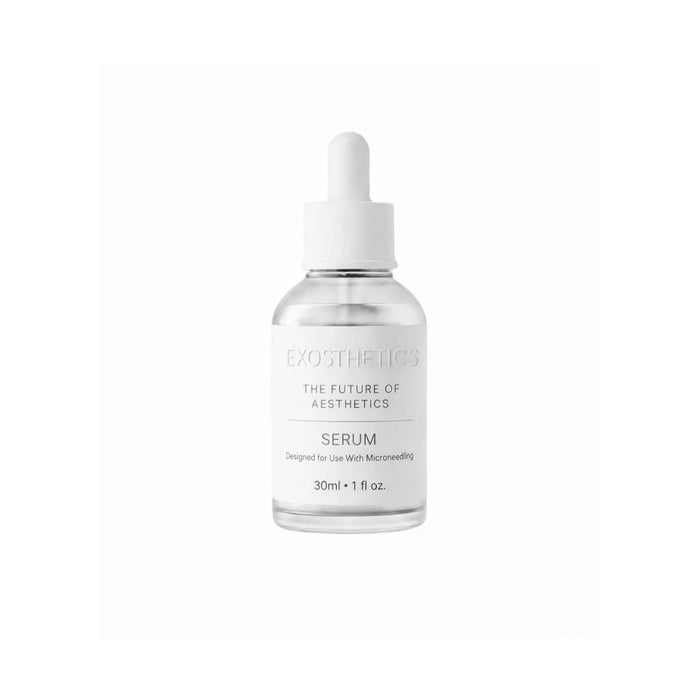
For enhanced recovery support, many clinicians incorporate regenerative serums containing growth factors or signaling molecules. A popular option is exosome-enriched formulations such as exosome serums, applied after the skin begins its initial recovery phase. Exosomes—tiny extracellular vesicles—carry bioactive molecules that may support cellular communication during tissue repair. While research on exosome topicals continues to evolve, the concept aligns with the wound-healing biology documented in the microneedling literature: supporting the signaling environment during the recovery cascade. There are now special microneedling serums available too.
Timing Note: Any post-procedure serums should be discussed with your provider and applied according to their protocol. Not all products are appropriate immediately post-treatment—some active ingredients may irritate compromised skin.
Red Flags: When to Seek Medical Attention
While both treatments have established safety profiles, complications can occur. Contact your provider if you experience:
-
Pus, discharge, or signs of infection
-
Fever following treatment
-
Severe or prolonged pain beyond normal discomfort
-
Unusual scarring or texture changes
-
Spreading discoloration or hyperpigmentation
Do's and Don'ts Summary
|
✅ DO |
❌ DON'T |
|---|---|
|
Apply SPF 30+ daily during healing |
Use active ingredients (retinol, AHAs) for 3-5 days |
|
Keep skin hydrated with gentle moisturizers |
Pick, scratch, or exfoliate peeling skin |
|
Follow provider's specific aftercare protocol |
Expose treated skin to direct sunlight |
|
Contact provider if concerning symptoms arise |
Swim, sauna, or hot tub for 48-72 hours |
|
Allow adequate time between treatment sessions |
Apply makeup immediately after microneedling |
Frequently Asked Questions
What is more effective, microneedling or microdermabrasion?
Effectiveness depends on the condition being treated. The only direct comparison in our approved studies examined stretch marks, finding microneedling more effective but less tolerable than microdermabrasion. For deeper concerns requiring collagen remodeling (scars, significant texture issues), microneedling's dermal penetration offers greater therapeutic potential. For surface-level improvements (mild dullness, fine lines, pigmentation irregularities), microdermabrasion provides documented benefits with minimal downtime.
Can you combine microneedling and microdermabrasion?
No clinical studies in the approved literature examined combined protocols. Theoretically, gentle microdermabrasion could prepare skin for microneedling by removing surface debris, but this remains unvalidated. What's clear from the wound-healing literature: microdermabrasion should not be performed during the active healing phase after microneedling, as this could disrupt the repair cascade. Consult a qualified provider before combining any treatments.
Is there anything better than microneedling?
"Better" depends entirely on goals, condition, and individual factors. For some concerns, ablative lasers, radiofrequency devices, or surgical interventions may produce superior results—though with increased cost, downtime, and risk. Microneedling occupies a valuable middle ground: more effective than superficial treatments like microdermabrasion for deeper concerns, but less intensive than ablative procedures. The "best" treatment is the one appropriately matched to your specific condition and circumstances.
What should you do first, microneedling or microdermabrasion?
If pursuing both treatments, microdermabrasion would logically precede microneedling within a session (should your provider recommend same-day combination). For sequential scheduling, allow microneedling's healing cascade to complete—typically 4-6 weeks—before microdermabrasion. However, the question of whether combining provides additive benefit remains unstudied in the approved literature. Many patients may benefit from choosing one treatment based on their primary concern rather than combining both.
🔗 References
Singh A, Yadav S. Microneedling: Advances and widening horizons. Indian Dermatol Online J. 2016;7(4):244-254. doi:10.4103/2229-5178.185468 (PMC5556180)
Karimipour DJ, Kang S, Johnson TM, et al. Microdermabrasion: A Molecular Analysis Following a Single Treatment. J Am Acad Dermatol. 2005;52(2):215-223.
El-Domyati M, Hosam W, Abdel-Azim E, Abdel-Wahab H, Mohamed E. Microdermabrasion: a clinical, histometric, and histopathologic study. J Cosmet Dermatol. 2016;15(4):503-513. (PubMed 27357600)
Davari P, Gorouhi F, Hashemi P, Gadami A, Firooz A. Comparison of different parameters of skin elasticity in photoaging. J Dermatolog Treat. 2008;19(5):286-290. (PubMed 18412873)
Spencer JM, Kurtz ES. Approaches to document efficacy of microdermabrasion. J Am Acad Dermatol. 2006;54(3 Suppl 2):S218-S223. (PubMed 17083587)
Piaserico, S., Mazzetto, R., Sartor, E., & Bortoletti, C. (2022). Combination-based strategies for the treatment of actinic keratoses with photodynamic therapy: An evidence-based review. Pharmaceutics, 14(8), 1726. https://doi.org/10.3390/pharmaceutics14081726
Tijani, A. O., Dandekar, A. A., Karve, T., Banga, A. K., & Puri, A. (2023). Transdermal delivery of naloxone hydrochloride using minimally invasive physical ablation techniques. International Journal of Pharmaceutics, 642, 123159. https://doi.org/10.1016/j.ijpharm.2023.123159
Comparative Study: Microneedling versus Microdermabrasion for Stretch Marks. ResearchGate publication.

The first week
Everything in this guide, in two products
Exosome Serum for the night of. 72-Hour+ Cream from day three. $99 together, ships from the US — arrives before it gets bad.
See the Kit — $99