

The promise is seductive: smoother skin, faded scars, a youthful glow—all from tiny needles creating microscopic wounds. But here's what most influencer posts won't tell you: one microneedling session isn't a magic eraser. It's the opening chapter of a biological story that unfolds over weeks, not hours.
If you're researching before and after microneedling treatment, you're likely trying to separate science from hype. You want to know what actually happens beneath your skin after those needles do their work. You're wondering if the redness, the investment, and the recovery are worth it for just one session.
This guide strips away the filtered Instagram claims and gets down to the dermatological truth. We'll walk through the wound healing cascade your skin initiates, the realistic timeline for visible changes, and what post-treatment care actually means for your results. Everything here is grounded in peer-reviewed research—because when it comes to procedures that deliberately wound your face, you deserve more than marketing speak.
Don't guess your recovery. Download FREE Clinical Microneedling Protocol Here
What Is Microneedling and How It Works
Microneedling Explained: Mechanism of Action
Think of microneedling as controlled architectural demolition. Fine needles—typically 0.5 to 2.5mm long—create thousands of microscopic channels in your skin. Your body interprets these as injuries (because they are), triggering an ancient, elegant repair system that's been perfected over millennia.
The wound healing cascade unfolds in four distinct phases:
- Hemostasis kicks in immediately as platelets rush to seal the microchannels. Within hours, your skin has essentially closed the entry points, but the real work is just beginning.
- Inflammation follows within 24-48 hours. Before you panic about the word "inflammation," understand this: it's not damage—it's deliberate signaling. Neutrophils and macrophages flood the area, releasing growth factors that tell your fibroblasts (collagen-producing cells) to get to work.
- Proliferation begins around day 3-5. Keratinocytes migrate to resurface the epidermis while fibroblasts start synthesizing new collagen—specifically Type I and Type III, the structural proteins that give skin its firmness and resilience.
- Remodeling is the long game, lasting weeks to months. Your body reorganizes the new collagen fibers, creating a more structured dermal architecture. This is why results improve over time rather than appearing instantly.
The scientific term for this process is "collagen induction therapy"—and it's precisely why microneedling works for certain skin concerns but requires patience and realistic expectations.
What Microneedling Treats and Why
Microneedling has earned its place in dermatology because it addresses issues that stem from collagen loss, irregular texture, or dysfunctional skin turnover:
Acne scars respond because the needling breaks down rigid scar tissue while stimulating new collagen formation in depressed areas. The mechanical disruption combined with growth factor signaling helps remodel the abnormal architecture that creates atrophic scarring.
Photoaging and fine lines improve through collagen remodeling and increased epidermal turnover. Sun-damaged skin has fragmented collagen fibers and sluggish cell renewal—microneedling jumpstarts both processes.
Dyschromia (uneven pigmentation) can soften as accelerated epidermal turnover helps disperse melanin deposits more evenly. However, this is where technique matters enormously—improper treatment can worsen pigmentation, especially in darker skin tones.
Skin laxity and texture irregularities benefit from the dermal thickening that occurs as new collagen accumulates. Think of it as reinforcing the structural foundation beneath your skin's surface.
Here's the critical caveat: one treatment initiates these processes but rarely completes them. Collagen remodeling is cumulative—it builds with each properly spaced session.
Pre-Treatment Phase (Critical for Results)
What to Do Before Microneedling
Your pre-treatment preparation isn't just protocol—it's outcome insurance. The condition of your skin when those needles make contact significantly impacts your inflammatory response and healing trajectory.
2 weeks before:
-
Discontinue retinoids, retinols, and strong exfoliating acids. These compromise your barrier function, which can amplify inflammation and increase adverse effects.
-
Avoid direct sun exposure and tanning. UV-stressed skin heals poorly and carries higher risk for post-inflammatory hyperpigmentation (PIH).
1 week before:
-
Stop using physical scrubs or harsh cleansers. Over-exfoliation creates microscopic fissures that compound the intentional trauma you're about to introduce.
-
Begin barrier optimization with gentle, hydrating products. Well-hydrated skin responds better to controlled injury.
48 hours before:
-
Avoid alcohol, NSAIDs, and blood-thinning supplements (fish oil, vitamin E, ginkgo) unless medically necessary. These increase bruising and can prolong erythema.
This isn't paranoia—it's biology. Skin priming directly correlates with healing efficiency and complication risk. The studies on wound healing cascades consistently show that baseline skin health determines outcome quality.
What Happens After One Microneedling Session
Immediate Biological Response (0–24 Hours)
Step off the treatment table and your face tells a story: bright red, warm to touch, slightly swollen. This isn't damage—it's your vascular system dilating to rush resources to the "wounded" areas.
Within 4-6 hours, those thousands of microchannels have essentially closed. Your stratum corneum (outermost skin layer) has re-sealed, which is why the infection risk drops dramatically after the first day—assuming proper sterile technique was used.
But beneath the surface, the real action is ramping up. Inflammatory mediators are flooding your dermis, essentially programming your fibroblasts with instructions: "Make more collagen. Rebuild this structure. Make it better than before."
Why Skin May Look Better or Worse Initially
Here's where expectations get tricky. Within 24-48 hours, many people notice their skin looks plumper, smoother, more luminous. They assume this is "the result."
It's not. It's edema—controlled swelling that temporarily fills in fine lines and makes texture appear more even. It's the inflammation-induced blood flow creating that coveted "glow."
This distinction matters enormously: temporary plumping from inflammation is not the same as structural collagen remodeling. The former fades within days. The latter develops over 4-6 weeks.
Some people's skin initially looks worse—more red, more textured, even slightly bumpy. This often indicates a robust inflammatory response, which can actually predict better long-term collagen synthesis. But in the moment, it's understandably concerning.
Understanding this biological reality prevents the disappointment cycle: dramatic immediate improvement → rapid fade → feeling like the treatment "failed."
Day-by-Day Healing Breakdown
Day 1 After First Treatment
Your face is at peak redness—anywhere from sunburned pink to deep crimson depending on needle depth and your individual response. Warmth and tightness are normal as your skin experiences increased transepidermal water loss (TEWL).

This is the most critical day for post-treatment care. Your barrier function is compromised, making your skin vulnerable to irritation, infection, and environmental insult.
Social downtime reality: Most people can't comfortably appear in professional settings. Zoom calls are manageable with good lighting; in-person meetings are challenging. Plan accordingly.
Day 2 After First Treatment
Erythema begins subsiding, though you may still have noticeable redness. Some mild flaking or dryness emerges as keratinocyte migration accelerates—your skin is resurfacing faster than usual.

Return-to-work checkpoint: With mineral makeup (not liquid foundation yet), many people can return to work. Remote work is easier; customer-facing roles may still be uncomfortable.
Day 3 After First Treatment
Your epidermis is actively recovering. The visible redness has typically diminished by 60-70%, though sensitive individuals may still show pink undertones.

Collagen signaling is happening deep in your dermis, but you can't see it yet. This is the phase where many people feel anxious—the dramatic initial plumping has faded, and "real" results haven't appeared.
Makeup timeline: Most people can return to their normal makeup routine, though mineral products remain gentler on healing skin.
Days 4-7
Surface healing is essentially complete. Any residual redness is mild and easily covered. Behind the scenes, your fibroblasts are synthesizing new collagen, but the structural changes won't manifest visibly for weeks.

Full social clearance: By day 5-7, virtually no one can tell you had a procedure. This is when the psychological challenge begins—waiting for the biological results to catch up with the healed appearance.
Recovery Forecast
Get your personalized timeline for returning to normal activities after your microneedling treatment.
Your Forecast is Ready!
Enter your email to receive your personalized recovery timeline, safe activity dates, and Exosome Accelerator calculation.
Redness Clears
Day 5
Gym Safe
Day 4
Exosome Boost
2-3 daysfaster recovery
Check Your Inbox!
Your personalized Recovery Forecast is on its way. Look for an email from Exosthetics in the next few minutes.
Expected Results After One Treatment
Can You See Results After One Microneedling Treatment?
Yes and no—and the distinction is crucial.
Texture and radiance improvements are often visible within 1-2 weeks. Accelerated cell turnover creates a fresher, more refined surface. The temporary inflammation-induced collagen swelling can make skin appear slightly firmer for a brief window.
Structural changes—the real collagen remodeling that addresses deeper concerns like acne scars, significant wrinkles, or laxity—require time and repetition. One session initiates the cascade but rarely completes the architectural renovation your skin needs.
Clinical studies consistently show that meaningful improvement in atrophic scarring, moderate photoaging, and substantial texture issues requires 3-6 treatments spaced 4-6 weeks apart. Single sessions produce subtle, incremental change—not transformation.
Skin Tightening After 1 Treatment
Let's be direct: if you're seeking significant skin tightening from one microneedling session, you'll be disappointed.
The temporary "tightening" people notice in the first week is primarily inflammation and edema creating a subtle filling effect. True dermal tightening requires accumulated collagen synthesis across multiple treatment cycles.
That said, some people do notice a modest improvement in skin firmness by week 4-6 after their first treatment—not dramatic tightening, but a slight improvement in overall skin quality and resilience. This reflects the initial collagen remodeling completing its first cycle.
Investment reality check: A single professional microneedling session typically ranges from $200-500, depending on location and provider credentials. For subtle texture refinement and maintenance, this can be worthwhile. For corrective goals, budget for a series and view single treatments as down payments on cumulative results.
Area-Specific Outcomes
Microneedling Before and After 1 Treatment: Face

The face responds relatively quickly because facial skin has higher fibroblast density and better vascularization than most body areas. Texture refinement and radiance improvements often appear within 2-3 weeks.
However, specific concerns dictate realistic expectations: fine forehead lines may soften subtly, while deeper nasolabial folds show minimal change after one session.
Microneedling Before and After 1 Treatment: Neck

Neck skin is thinner and has fewer sebaceous glands, making healing slightly slower and results more subtle. Expect a longer timeline for visible improvement—often 6-8 weeks for initial changes. This area almost always requires multiple treatments for meaningful correction.
Microneedling Before and After 1 Treatment: Under Eyes

The periorbital area demands extremely conservative treatment—shallower needles, lighter pressure. Because the skin here is so thin, you may see faster initial improvement in fine lines, but results remain subtle and require gentle, repeated treatments.
Critical note: This is not a DIY-friendly area. Professional treatment only.
Microneedling Before and After 1 Treatment: Stomach

Body microneedling—particularly for stretch marks or lax abdominal skin—requires the most realistic expectations. Thicker skin and lower fibroblast activity mean slower, more subtle results. One treatment may improve texture slightly but won't meaningfully address significant concerns like post-pregnancy skin laxity.
Microneedling Before and After 1 Treatment: Acne Scars

Shallow, rolling scars may soften by 10-15% after one treatment as minor collagen remodeling begins.
Deep, boxcar or ice-pick scars show minimal to no improvement after single treatments. These require disruption of dense scar tissue and significant collagen accumulation—a process demanding 4-6+ sessions.
If your primary goal is acne scar revision, understand that one treatment is reconnaissance, not resolution.
Microneedling Before and After 1 Treatment: Wrinkles

Fine, superficial lines—the kind from dehydration or early sun damage—may appear temporarily softened from inflammation-induced plumping and improved hydration retention.
Deeper expression lines and static wrinkles won't meaningfully change after one treatment. These require substantial dermal thickening that develops only across multiple sessions.
Microneedling Before and After 1 Treatment: Black Skin

This deserves particular attention because the stakes are higher. Properly performed microneedling is safe and effective for darker skin tones (Fitzpatrick IV-VI), but the risk of post-inflammatory hyperpigmentation increases significantly with improper technique or aggressive treatment.
Critical protective factors:
-
Conservative needle depth (start with 0.5-1.0mm)
-
Meticulous post-treatment inflammation management
-
Strict UV avoidance for 4-6 weeks post-treatment
-
Consideration of pre-treatment brightening agents (hydroquinone, kojic acid, vitamin C) in some cases
After one treatment on black skin, expect subtle texture improvement within 2-3 weeks if healing proceeds smoothly. Watch carefully for any signs of hyperpigmentation developing (dark spots appearing in treated areas) and address immediately with your provider.
The key is choosing a provider experienced with treating darker skin tones who understands the critical importance of inflammation control.
Advanced Modalities: Amplifying Results
Microneedling with Exosomes Before and After 1 Treatment
Exosomes—tiny vesicles containing growth factors, proteins, and genetic material—represent the frontier of regenerative aesthetics. Applied during or immediately after microneedling, they theoretically enhance cellular signaling and accelerate healing.
The science is emerging but promising. Early studies suggest exosomes may intensify the proliferative phase of wound healing, potentially producing more robust collagen synthesis after single treatments than standard microneedling alone.
Microneedling with PRP Before and After 1 Treatment
Platelet-Rich Plasma (PRP)—your own blood processed to concentrate growth factors—has more established evidence. When combined with microneedling, PRP enhances collagen synthesis and accelerates healing response.
After one PRP microneedling treatment, people often notice more pronounced glow and texture improvement compared to standard microneedling. The growth factors appear to amplify the fibroblast response, creating slightly more visible change from single sessions.
Cost consideration: Expect to add $150-400 to standard microneedling fees. The ROI depends on your goals—likely worthwhile for significant concerns, possibly overkill for maintenance.
RF Microneedling Before and After 1 Treatment
Radiofrequency (RF) microneedling combines mechanical needling with controlled thermal energy delivered to the dermis. This creates deeper dermal coagulation and more aggressive collagen contraction.
The tradeoff: More downtime (5-7 days of significant redness), higher discomfort during treatment, but notably stronger tightening effects—even after single treatments. By 4-6 weeks post-treatment, many people see more dramatic improvement in skin firmness than they would with standard microneedling.
Who benefits: Those seeking maximum tightening with tolerance for more aggressive treatment. Not ideal for first-timers or those needing quick recovery.
Microneedling Before and After 1 Treatment: Comparison Matrix
|
Modality |
Downtime |
Visible Results Timeline |
Single-Treatment Impact |
Typical Cost |
Best For |
|
Standard Microneedling |
3-5 days (social) |
2-3 weeks (subtle) |
Texture, radiance |
$200-500 |
First-timers, maintenance, texture refinement |
|
Microneedling + PRP |
3-5 days |
2-4 weeks (moderate) |
Enhanced glow, faster healing |
$400-800 |
Acne scars, photoaging, accelerated results |
|
Microneedling + Exosomes |
2-4 days |
2-3 weeks (variable) |
Emerging evidence |
$500-1,000+ |
Those prioritizing cutting-edge regenerative approaches |
|
RF Microneedling |
5-7 days |
3-6 weeks (significant) |
Notable tightening |
$600-1,200 |
Moderate laxity, deeper wrinkles, maximum single-treatment impact |
When Things Go Wrong
Microneedling Before and After 1 Treatment: Gone Wrong
Most complications stem from three sources: improper technique, inadequate post-care, or unrealistic treatment aggression.
Red flags requiring immediate provider contact:
Persistent erythema beyond 7 days suggests excessive trauma or potential low-grade infection. Normal healing shouldn't produce redness lasting more than a week.
Post-inflammatory hyperpigmentation (PIH) appears as dark spots or patches in treated areas, most common in darker skin tones or those who didn't avoid sun exposure. Early intervention with brightening agents and strict UV protection is critical.
Infection signs—increased warmth, pus, spreading redness, or fever—are rare with proper sterile technique but require immediate medical attention.
Over-treatment indicators: If your skin looks worse at 2-3 weeks than it did before treatment—increased texture irregularity, prolonged dryness, heightened sensitivity—you may have been treated too aggressively for your skin's capacity.
Prevention is everything: Choose experienced providers who use proper sterile technique, respect your skin's limitations, and prioritize conservative approaches, especially for first treatments.
Post-Treatment Care (Critical Section)
What to Do Before and After Microneedling
Your post-treatment routine isn't optional—it's outcome-determining. Compromised barrier function means your skin is vulnerable and requires specific support.
Days 1-3: Barrier Protection Phase
-
Gentle cleansing with tepid water only (no cleansers for 24 hours)
-
Immediate application of barrier-supporting serums containing hyaluronic acid, panthenol, or ceramides
-
Absolute UV avoidance (stay indoors or use physical zinc-based SPF 30+)
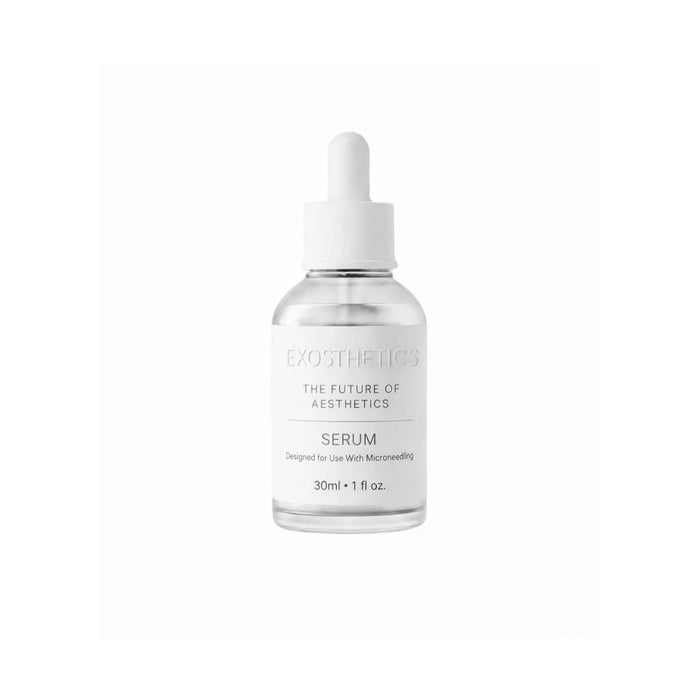
A sterile, growth-factor supportive serum such as a specialized microneedling serum can support recovery without irritating compromised skin—look for formulations specifically designed for post-procedure use.
Days 4-14: Active Recovery Phase
-
Resume gentle cleansers
-
Continue intensive hydration and barrier support
-
Mineral makeup allowed (avoid liquid foundations until day 5+)
-
Physical sunscreen mandatory—no chemical filters yet
-
NO retinoids, acids, or active exfoliation
Weeks 3-6: Collagen Development Phase
-
Gradually reintroduce active ingredients (retinoids, vitamin C, gentle acids)
-
Maintain consistent UV protection
-
Support collagen synthesis with antioxidants
-
Consider collagen-boosting supplements (vitamin C, copper peptides)
What to Use Before and After Microneedling
Immediately post-treatment (first 72 hours):
-
Hyaluronic acid serums (deeply hydrating without irritation)
-
Panthenol/pro-vitamin B5 (reduces inflammation, accelerates healing)
-
Ceramide-rich formulations (rebuilds barrier function)
What to absolutely avoid:
-
Retinoids for 7-14 days
-
Glycolic, salicylic, or lactic acids for 7-10 days
-
Vitamin C (can be irritating on compromised skin—wait 5-7 days)
-
Benzoyl peroxide (too harsh during healing)
-
Fragranced products of any kind
Frequency, Cumulative Effects & Realistic Expectations
Is One Session of Microneedling Worth It?
For glow, texture refinement, and skin quality maintenance: Absolutely. Single treatments provide subtle but genuine improvement that many find worthwhile.
For significant correction of scars, deep wrinkles, or substantial laxity: Not really. These concerns demand cumulative collagen remodeling across multiple properly-spaced sessions.
Is Microneedling Effective After One Treatment?
Biologically? Yes—the wound healing cascade initiates, collagen synthesis begins, and epidermal turnover accelerates.
Visually? Limited. Expect subtle refinement, not transformation. The biological effectiveness doesn't always translate to dramatic visible change after single treatments.
Does Doing It More Often Help?
Strategic spacing matters more than frequency. Optimal collagen remodeling requires 4-6 week intervals between treatments—enough time for complete healing and collagen maturation, but not so long that momentum is lost.
Over-treatment backfires: Treating more frequently than every 4 weeks can create chronic inflammation, impair healing, and ultimately produce worse results than properly spaced treatments. More isn't better—strategic is better.
Most dermatologists recommend 3-6 treatment series for corrective goals, then maintenance treatments every 6-12 months.
FAQ
How long after first microneedling to see results?
Immediate glow and texture improvement: 5-10 days. Actual collagen remodeling manifesting as structural change: 4-6 weeks. Peak results from that single treatment: 8-12 weeks.
Can microneedling help with Bell's palsy?
No strong clinical evidence supports microneedling for Bell's palsy recovery. This is a nerve condition requiring medical management—microneedling addresses dermal structure, not neurological function.
Is one session enough?
For maintenance and subtle refinement in already healthy skin: possibly. For correction of acne scars, significant photoaging, or moderate-to-severe concerns: no. View single treatments as down payments on cumulative results.
How much does one microneedling treatment cost?
Standard professional microneedling: $200-500. With PRP: $400-800. With exosomes: $500-1,000+. RF microneedling: $600-1,200. Cost varies by location, provider credentials, and treatment area size.
🔗 References
-
Iriarte C, Awosika O, Rengifo-Pardo M, Ehrlich A. Review of applications of microneedling in dermatology. Clin Cosmet Investig Dermatol. 2017. https://pmc.ncbi.nlm.nih.gov/articles/PMC3921236/
-
Alster TS, Graham PM. Microneedling: A Review and Practical Guide. Dermatol Surg. 2018. https://pubmed.ncbi.nlm.nih.gov/30214664/
-
Singh A, Yadav S. Microneedling: Advances and widening horizons. Indian Dermatol Online J. 2016. https://pmc.ncbi.nlm.nih.gov/articles/PMC11046016/
-
Ramaut L, Hoeksema H, Pirayesh A, Stillaert F, Monstrey S. Microneedling: Where do we stand now? A systematic review of the literature. J Plast Reconstr Aesthet Surg. 2024. https://pmc.ncbi.nlm.nih.gov/articles/PMC12621213/

The first week
Everything in this guide, in two products
Exosome Serum for the night of. 72-Hour+ Cream from day three. $99 together, ships from the US — arrives before it gets bad.
See the Kit — $99


