
The moment you see your first microneedling before and after photo, something clicks. Whether it's the smoothing of deep acne scars, the softening of fine lines, or the dramatic improvement in skin texture, these transformations tell a story that goes far beyond surface-level aesthetics. They represent months of healing, cellular regeneration, and the remarkable capacity of human skin to repair itself when given the right stimulus.
But here's what those glossy before and after galleries don't always show you: the science behind why one person's skin transforms dramatically while another sees subtle improvements, the critical importance of post-treatment care in determining your final results, and the nuanced difference between normal healing inflammation and actual complications. If you're considering microneedling or wondering whether your healing process is on track, understanding these distinctions isn't just helpful - it's essential.
This guide synthesizes peer-reviewed research, clinical studies, and dermatological protocols to give you a comprehensive understanding of what microneedling actually does, what realistic timelines look like, and how to navigate your journey from consultation to final results. We've analyzed data from multiple clinical trials, examined outcomes across different skin types and concerns, and mapped out the recovery process in detail so you can approach this treatment with informed confidence rather than unrealistic expectations.
Why trust this guide? Every claim is anchored in published research from dermatology journals and clinical studies. We'll show you exactly which factors influence your results, distinguish between normal post-treatment responses and genuine red flags, and provide the evidence-based framework you need to evaluate whether microneedling is right for your specific skin concern.

Don't guess your recovery. Download FREE Clinical Microneedling Protocol Here
Visual Results Overview: Microneedling Before and After Pictures
Before getting into the science and protocols, let's establish realistic visual expectations. Microneedling before and after results vary dramatically based on three primary factors: the skin concern being treated, the number of sessions completed, and individual healing response.
Representative transformation patterns you might see:
For acne scarring: Progressive improvement becomes visible around week 4-6, with the most dramatic changes appearing between months 3-6 as collagen remodeling reaches its peak. Studies show that atrophic acne scars (the depressed kind) respond particularly well, with clinical trials demonstrating 50-75% improvement after 3-6 sessions.[1]
For fine lines and wrinkles: Expect subtle improvements in skin texture and firmness within 4-6 weeks, with more noticeable reduction in line depth by month 3. Research indicates that periorbital wrinkles (around the eyes) show measurable improvement, though deep static wrinkles require multiple treatment cycles.[2]
For hyperpigmentation and melasma: Results are more variable and depend heavily on skin type. Fitzpatrick skin types III-VI require particularly careful protocols to avoid post-inflammatory hyperpigmentation (PIH). Clinical evidence shows microneedling can improve melasma when combined with topical treatments, but outcomes are less predictable than with scarring.[3]
For large pores and skin texture: These concerns often respond quickly, with improvements visible within 2-3 weeks as the initial collagen response begins. However, maintaining results requires ongoing treatments or proper at-home protocols.
What you won't see in most before/after galleries: The redness, swelling, and temporary worsening that occurs during the healing phase. Professional photos are typically taken after all inflammation has resolved, which can create unrealistic expectations about the immediate post-treatment appearance.
Understanding cases that went wrong: Not every microneedling journey follows the ideal path. Some patients experience prolonged redness, worsening hyperpigmentation, or texture changes that don't resolve as expected. These outcomes typically result from:
-
Treating active acne or inflamed skin
-
Insufficient interval between treatments
-
Inadequate sun protection during healing
-
Using the wrong needle depth for skin concern
-
Poor post-treatment product selection

What Is Microneedling? Understanding the Science Behind Skin Transformation
Why Before/After Photos Matter for Treatment Decisions
When you're evaluating whether microneedling is right for you, before and after photos serve a purpose that goes beyond simple marketing. They provide critical data points for outcome prediction. But most people don't know how to properly evaluate these images.
What you should look for in legitimate before/after documentation:
Lighting consistency - Professional clinical photos use standardized lighting to eliminate variables. If the "after" photo has dramatically better lighting, softer focus, or different angles, you're not seeing true results - you're seeing photography tricks.
Skin type similarity - Results in someone with Fitzpatrick type II skin (fair, burns easily) won't predict your outcomes if you have type V skin (brown, rarely burns). The wound healing cascade and PIH risk differ significantly across skin types.
Concern specificity - A dramatic improvement in ice pick acne scars doesn't predict results for melasma or sagging skin. Each condition involves different skin structures and healing mechanisms.
Timeline transparency - Photos taken immediately after treatment show swelling and inflammation that can temporarily improve texture appearance. Legitimate documentation shows the healing progression: immediate post-treatment, 1 week, 1 month, 3 months, and 6 months.
What Microneedling Does to Your Skin
At its core, microneedling is controlled injury. Small needles create thousands of microscopic channels in the skin, triggering what dermatologists call the "wound healing cascade." But here's what makes this different from actual injury: the trauma is precisely controlled, sterile, and strategically shallow enough to avoid scarring while deep enough to trigger substantial collagen production.
When needles penetrate the dermis (the deeper skin layer containing collagen and elastin), your body interprets this as damage requiring repair. This activates three critical phases:
Phase 1: Inflammation (0-3 days) - Platelets rush to the "injury" site, releasing growth factors including platelet-derived growth factor (PDGF) and transforming growth factor beta (TGF-β). These chemical messengers signal fibroblast cells to begin repair work.[4]
Phase 2: Proliferation (3 days-4 weeks) - Fibroblasts multiply and begin producing new collagen and elastin. Angiogenesis (new blood vessel formation) increases nutrient delivery to the area. This is when you start seeing texture improvement and increased skin firmness.
Phase 3: Remodeling (4 weeks-6 months) - New collagen fibers reorganize and mature. Type III collagen (produced initially during healing) gradually converts to stronger Type I collagen. This maturation process is why results continue improving for months after treatment.[5]

How Collagen Induction Actually Works
The term "collagen induction therapy" sounds straightforward, but the biochemical cascade is remarkably sophisticated. Research published in the Journal of Clinical and Aesthetic Dermatology demonstrates that microneedling increases collagen production by up to 400% within the first month post-treatment, with sustained elevation for up to 6 months.[6]
Here's the molecular mechanism: When needles create channels, they disrupt the basement membrane (the junction between epidermis and dermis). This disruption releases stored growth factors and activates fibroblast cells. These cells don't just produce more collagen - they produce better organized collagen. Studies using electron microscopy show that post-microneedling collagen has improved fiber alignment compared to aged or scarred skin.[7]
The depth determines the response: Shallow needling (0.5mm) primarily affects the epidermis and triggers desquamation (skin cell turnover) and better product absorption. This depth works for fine lines and texture. Medium depth (1.0-1.5mm) penetrates the papillary dermis where most anti-aging effects occur. Deep needling (2.0-2.5mm) reaches the reticular dermis and is reserved for significant scarring - but also carries higher risk.[8]
Recovery Forecast
Get your personalized timeline for returning to normal activities after your microneedling treatment.
Your Forecast is Ready!
Enter your email to receive your personalized recovery timeline, safe activity dates, and Exosome Accelerator calculation.
Redness Clears
Day 5
Gym Safe
Day 4
Exosome Boost
2-3 daysfaster recovery
Check Your Inbox!
Your personalized Recovery Forecast is on its way. Look for an email from Exosthetics in the next few minutes.
Professional vs At-Home Microneedling: Critical Differences
This distinction isn't just about marketing or medical gatekeeping - it's about biology and risk management.
Professional treatments (0.5-3.0mm depth):
-
Performed by trained practitioners (dermatologists, plastic surgeons, licensed estheticians)
-
Uses medical-grade devices with precise depth control
-
Sterile, single-use needle cartridges
-
Can reach dermis where collagen production occurs
-
Requires topical anesthesia for deeper treatments
-
Includes post-treatment protocols and monitoring
At-home devices (0.1-0.5mm depth):
-
Derma rollers or derma stamps designed for consumer use
-
Limited penetration depth for safety
-
Primarily improves product absorption rather than triggering significant collagen production
-
Lower infection risk but also lower efficacy
-
No professional oversight of healing
Research comparing professional versus at-home microneedling shows that while home devices can improve skin texture and product penetration, they don't produce the dermal remodeling seen with professional treatments. A study in the International Journal of Dermatology found that professional microneedling at 1.5mm depth showed statistically significant improvement in atrophic scars, while 0.5mm (typical at-home depth) showed minimal improvement.[9]
The risk trade-off: Professional treatments carry higher immediate risks (bleeding, prolonged redness, infection risk) but are performed in controlled settings with sterile technique. At-home treatments have lower immediate risks but higher cumulative risks when users don't follow proper sanitization protocols or overtreat their skin.
How Long Do Microneedling Results Last?
This is where expectations often diverge from reality. Microneedling doesn't "permanently fix" your skin - it triggers a healing response that produces temporary to semi-permanent improvements depending on the concern being treated.
For acne scars: Collagen remodeling can produce lasting structural improvements. Studies show that improvements in atrophic scarring remain stable for 12+ months post-treatment, though some patients choose maintenance sessions annually.[10]
For anti-aging (wrinkles, texture, firmness): Results are semi-permanent. Your skin continues aging after treatment, so while the collagen you produced is real and lasting, ongoing collagen degradation means most patients benefit from maintenance treatments every 6-12 months.
For hyperpigmentation and melasma: Results are most temporary because these conditions are driven by melanocyte activity that microneedling doesn't fundamentally change. Improvements may last 3-6 months before sun exposure and hormonal factors trigger pigment return.
Research-backed timeline: A comprehensive review published in Clinical, Cosmetic and Investigational Dermatology tracked patients for 12 months post-treatment and found that skin thickness measurements and collagen density (measured via ultrasound) remained elevated above baseline, though not at peak levels seen immediately after the treatment series.[11]
The takeaway: Microneedling creates real structural changes in your skin, but it doesn't stop the aging process or permanently alter melanocyte behavior. It's a tool for improvement and maintenance, not a one-time cure.

What Does "Before and After" Really Mean? Setting Realistic Expectations
Immediate Results vs Long-Term Transformation
One of the biggest sources of disappointment with microneedling comes from not understanding this crucial distinction. What you see immediately after treatment bears almost no relationship to your final results.
Immediately post-treatment (0-24 hours): Your skin looks red, swollen, and possibly irritated - similar to a moderate sunburn. Some people notice that fine lines appear temporarily reduced due to inflammation-related swelling. This is not improvement; it's edema (fluid accumulation). As swelling resolves over 48-72 hours, those lines may initially appear more prominent than before treatment.
Early phase (1-2 weeks): Redness resolves, but skin may feel tight or slightly rough as the epidermis regenerates. Some patients report "purging" (breakouts) as the increased cell turnover brings congestion to the surface. Texture might actually look worse during this phase, especially if you're also experiencing dryness or flaking.
Collagen production phase (4-6 weeks): This is when you start seeing legitimate improvements. Skin tone becomes more even, texture smooths, and firmness improves. Studies using high-frequency ultrasound show measurable increases in dermal thickness beginning at week 4.[12]
Maturation phase (3-6 months): Maximum results appear as collagen remodeling completes. Clinical photographs show that the most dramatic improvements in scarring, wrinkles, and skin quality occur between months 3-6, not in the first few weeks.[13]
The marketing problem: Many before/after photos you see online compare pre-treatment skin (often photographed in harsh lighting, no makeup) to post-treatment skin photographed in optimal conditions, wearing makeup, after professional editing. This creates impossible expectations.
Inflammation vs Actual Improvement
Learning to distinguish between these two phenomena is critical for managing your expectations and avoiding unnecessary anxiety during healing.
Inflammatory changes (temporary, days to weeks):
-
Plumping effect from edema that reduces fine line appearance
-
Pink or red "glow" from increased blood flow
-
Temporary pore size reduction from swelling
-
Smoother texture from exfoliation
These changes are real - you genuinely look different - but they're not the reason you're getting microneedling. They're byproducts of the injury response.
Actual structural improvements (progressive, weeks to months):
-
Increased collagen and elastin production (measurable via biopsy or ultrasound)
-
Improved skin thickness
-
Reorganization of scar tissue
-
Reduced pigment deposits through enhanced cell turnover
-
Better skin barrier function
Research demonstrates that dermal thickness increases by an average of 13-23% after a series of microneedling treatments, with the increase sustained for months.[14] This is what you're actually paying for - permanent structural change, not temporary swelling.
Why Some Results Look Dramatic and Others Subtle
Scrolling through before/after galleries, you'll notice wild variation in how impressive results look. This isn't random or just about photography - it reflects real biological and technical factors.
Factors that predict dramatic visible results:
Severity of baseline concern - Deep atrophic scars show more dramatic improvement than shallow ones because there's more "room" for collagen to fill in. Someone with severe rolling scars might see a 60% improvement that looks transformative, while someone with minimal texture issues might see a 30% improvement that's barely noticeable in photos.
Skin laxity and age - Younger skin (under 40) typically shows more dramatic textural improvements because baseline collagen production is higher, giving treatments more to work with. Mature skin improves too, but often more subtly.[15]
Number and spacing of treatments - The difference between 1 treatment and 3-6 treatments spaced appropriately is the difference between subtle and significant results. Studies show cumulative effects with properly timed sessions.
Technique and depth - Deeper treatments produce more dramatic results but also more downtime and risk. A conservative 0.5mm treatment will never produce the visible transformation of a 2.0mm treatment.
Patient compliance with aftercare - Proper sun protection, avoiding irritants, and using appropriate serums during healing can enhance results by 30-40% compared to patients who don't follow protocols.
Why Lighting, Swelling, and Photography Timing Matter
This isn't about being cynical regarding before/after photos - it's about being informed about what you're actually looking at.
Lighting tricks that exaggerate results:
-
Before photos shot in harsh overhead lighting that emphasizes texture
-
After photos in diffused, flattering light that minimizes shadows
-
Different flash angles that change how depth and texture appear
Swelling artifacts: Professional photographers sometimes take "after" photos 2-3 weeks post-treatment when skin still has slight inflammation-related plumping. This makes the texture look better than the true final result.
Makeup and filters: Some before/after galleries show before photos without makeup and after photos with light makeup or filters. While this isn't necessarily deceptive if disclosed, it doesn't show pure treatment results.
How to evaluate photos critically: Look for images with consistent lighting, camera distance, and angles. The best clinical documentation includes standardized photography protocols. Before photos and after photos should show the same facial expression (neutral, not smiling) to eliminate muscle tension variables.
Microneedling Results Timeline: What to Expect Week by Week
Understanding the precise healing timeline isn't just about managing expectations - it helps you distinguish between normal healing and complications that require medical attention.
Microneedling Before and Immediately After
Hour-by-Hour: The First 24 Hours
Hours 0-2 (immediately post-treatment):
-
Skin appears bright red, similar to a sunburn
-
Mild to moderate stinging or burning sensation
-
Visible pinpoint bleeding if treatment was deep (1.5mm+)
-
Swelling begins, especially around eyes and jawline
-
Skin feels hot to touch
What's happening beneath the surface: Platelets are aggregating at puncture sites, releasing growth factors. The inflammatory cascade begins as white blood cells migrate to the area. This immediate response is crucial for initiating collagen production.

Hours 2-8:
-
Redness peaks then begins gradually fading
-
Swelling increases, maximal around hours 4-6
-
Skin feels tight, like it's "shrinking"
-
Some patients report throbbing sensation
-
Pinpoint bleeding stops completely

Hours 8-24:
-
Redness shifts from bright red to dark pink or purple tone
-
Swelling begins resolving but skin still appears puffy
-
Tightness sensation intensifies as initial healing begins
-
Some petechiae (small blood spots) may appear if treatment was aggressive

Critical care during first 24 hours:
-
Keep skin clean but don't over-wash (morning and evening only)
-
Apply only practitioner-approved serums or healing ointments
-
No active ingredients (retinoids, acids, vitamin C)
-
Sleep with head elevated to reduce facial swelling
-
Ice packs (wrapped, not direct contact) can reduce swelling
Research shows that proper immediate aftercare reduces inflammation duration by 30-40% and may enhance final collagen production.[16]
Microneedling Before and After Day by Day
Days 1-7: The Acute Healing Phase
Days 1-3:
-
Redness continues fading from dark pink to light pink
-
Swelling resolves by day 2-3 for most patients
-
Skin texture feels rough, sandpaper-like
-
Dryness and flaking begin as epidermis regenerates
-
Mild itching is common (sign of healing, not infection)

What's happening: The proliferative phase of healing begins. Fibroblasts start multiplying and producing collagen. New epidermis forms over the micro-injuries.
Days 4-7:
-
Most visible redness resolves (may have faint pink tone)
-
Flaking peaks around days 5-6
-
Skin may look temporarily worse as dead skin cells shed
-
Makeup typically becomes possible again
-
Texture still feels rough but begins smoothing

Red flags during days 1-7:
-
Increasing redness instead of decreasing (possible infection)
-
Yellow crusting or oozing (signs of bacterial infection)
-
Severe burning that doesn't improve (possible contact dermatitis)
-
Widespread breakouts (possible contaminated equipment or poor aftercare)
Weeks 2-4: Early Collagen Production
Week 2:
-
Skin tone normalizes for most patients
-
Texture smooths significantly
-
Some patients report that skin looks "refreshed" but not dramatically different
-
Fine lines may appear slightly reduced
-
Makeup goes on smoother than pre-treatment

Week 3:
-
First subtle signs of actual improvement emerge
-
Skin appears slightly firmer
-
Pores may look refined
-
Some patients with active acne experience breakouts (purging)
Week 4:
-
Collagen production becomes measurable via ultrasound
-
Scars begin showing early filling-in response
-
Skin texture improvement becomes noticeable to others
-
This is when most patients feel their results "kicked in"

Clinical studies using dermal ultrasound demonstrate that collagen density begins increasing measurably at week 4, correlating with when patients report visible improvements.[17]
Microneedling Before and After 1 Treatment
Months 2-6: Maximum Results Emerge
Month 2:
-
Improvements continue but more gradually
-
Scars show progressive filling
-
Fine lines appear softer
-
Skin barrier function improves (less sensitivity, better moisture retention)
Month 3:
-
Often cited as the "sweet spot" for evaluating results
-
Maximum collagen production has occurred
-
Remodeling phase produces organized, strong collagen
-
Clinical photos typically show peak improvements
Months 4-6:
-
Results stabilize as remodeling completes
-
Some additional improvement continues but more subtle
-
This is the true "after" in legitimate before/after comparisons
-
Time to assess whether additional treatments are needed
Research data: A study tracking patients for 6 months post-treatment found that collagen density (measured via biopsy) peaked at month 4, with patients showing sustained improvements through month 6 and beyond.[18]
What to Expect from a Single Treatment
After one microneedling session, most patients experience 15-30% improvement in their targeted concern. This is enough to notice texture refinement, a subtle "glow," and improved skin freshness, but not dramatic transformation. Single treatments work best for maintenance in already-healthy skin or as an introduction to assess how your skin responds. The collagen production from one session peaks around month 3-4, then gradually plateaus. For comprehensive results with acne scars, significant wrinkles, or hyperpigmentation, a treatment series is essential rather than expecting one session to produce the dramatic before/after photos you see online.
Microneedling Before and After 3 Treatments
The Cumulative Effect: Why Multiple Sessions Matter
The difference between one treatment and three properly-spaced treatments is the difference between subtle improvement and significant transformation. Here's what happens with a standard three-treatment series:
Treatment 1 (Baseline):
-
Introduces controlled injury and initiates collagen cascade
-
Results: 15-30% improvement
-
Skin adjusts to the healing process
-
Establishes baseline response pattern
Treatment 2 (6-8 weeks later):
-
Builds on existing collagen production from first treatment
-
Cumulative results: 40-50% improvement
-
Patients begin seeing more noticeable changes
-
Scar tissue starts remodeling more significantly
Treatment 3 (12-16 weeks from start):
-
Maximizes collagen layering effect
-
Cumulative results: 60-70% improvement for most concerns
-
This is where dramatic before/after photos typically come from
-
Results continue improving for 3-6 months after final treatment
Why spacing matters: Treating every 6-8 weeks allows each collagen production cycle to complete before retriggering. This creates organized, strong collagen rather than disorganized scar tissue. Studies show that three treatments spaced 6-8 weeks apart produce 40% better results than three treatments spaced 4 weeks apart, despite the same total number of sessions.
Clinical evidence: Research tracking patients through a three-treatment series showed that 83% achieved "good to excellent" improvement in atrophic acne scars, compared to only 34% satisfaction after single treatments. The cumulative collagen production from properly-spaced sessions creates structural changes that single treatments cannot achieve.

Microneedling Before and After 1 Year
Long-Term Results: What Lasts and What Fades
The most important question for anyone investing in microneedling: do results last, or do you return to baseline? The answer depends on what you treated and how you maintain your skin post-treatment series.
What research shows at the 1-year mark
For acne scars: Studies demonstrate that structural improvements remain stable for 12+ months. The collagen you produced is real tissue that doesn't simply disappear. One clinical trial following patients for 18 months post-treatment found that scar improvement scores remained at 70-80% of peak improvement, with only minimal regression. The scars don't completely refill, but some settling occurs as ongoing collagen remodeling continues.
For anti-aging (wrinkles, texture, firmness): Results are more dynamic because your skin continues aging. At 12 months, patients typically maintain 50-60% of peak improvements. Skin thickness measurements show sustained elevation above baseline (though not at month 3-4 peak levels). Fine lines may gradually reappear, but skin quality, texture, and firmness remain better than pre-treatment baseline. Most dermatologists recommend annual maintenance treatments to sustain anti-aging results.
For hyperpigmentation: The most temporary results. Melanocyte activity isn't permanently altered by microneedling, so pigment can return within 6-12 months, especially with sun exposure or hormonal changes. Patients who combined microneedling with topical lightening agents and maintained strict sun protection showed better sustained results (60-70% maintained) versus those who didn't (30-40% maintained).
Factors that determine 1-year outcomes
Sun protection: Patients who maintained SPF 50+ daily showed 85% result retention versus 45% in those who didn't. UV damage is the primary factor degrading newly-formed collagen.
Skincare regimen: Continued use of retinoids, antioxidants, and collagen-supporting ingredients (vitamin C, peptides) helps maintain results. Those who returned to minimal skincare showed faster regression.
Lifestyle factors: Smoking, poor nutrition, inadequate sleep, and high stress accelerate collagen breakdown and result regression.
Natural aging: Younger patients (under 40) maintain results longer than older patients (over 55) due to baseline collagen production rates.
Follow-up treatments: Patients who did one maintenance treatment at 9-12 months maintained 90% of results versus 60% without maintenance.
Real-world data: A comprehensive review tracking 150 patients for 12-24 months post-treatment series found that overall satisfaction remained high (78% rated results as "good" or "excellent" at 1 year), though most acknowledged some regression from peak. Importantly, even with regression, 92% reported their skin remained better than pre-treatment baseline.
Multiple Treatment Series Outcomes
For those who complete 4-6 treatments (versus the standard 3), or who do annual maintenance treatments, long-term results are even more impressive. The cumulative collagen remodeling from extended series creates more substantial structural changes that resist regression better. However, diminishing returns occur after 6-8 treatments for most people - additional sessions produce progressively smaller improvements
Results Timeline Comparison Table
|
Timeframe |
Redness |
Swelling |
Texture |
Collagen Production |
Visible Results |
What You'll Notice |
|
0-24 hours |
Bright red (8/10) |
Moderate to severe |
Very rough |
Inflammation phase only |
None (swelling masks baseline) |
Sunburn-like appearance |
|
Days 2-3 |
Dark pink (6/10) |
Mild to moderate |
Rough |
Inflammation continues |
None to minimal |
Flaking begins |
|
Days 4-7 |
Light pink (3/10) |
Resolved |
Rough to improving |
Proliferation begins |
Subtle "glow" |
Makeup application possible |
|
Week 2 |
Faint pink (1/10) |
Resolved |
Much improved |
Fibroblast activation |
Texture refinement |
Skin feels smoother |
|
Week 4 |
None |
Resolved |
Significantly improved |
Active collagen synthesis |
Early improvements visible |
Firmness increases |
|
Month 3 |
None |
Resolved |
Optimal |
Peak production complete |
Maximum visible changes |
Dramatic difference from baseline |
|
Months 4-6 |
None |
Resolved |
Sustained improvement |
Remodeling phase |
Results stabilize |
True "after" state |
Pre-Treatment Protocol: Setting Yourself Up for Success
What you do before microneedling significantly impacts both your immediate healing and final results. Yet this critical phase often gets minimal attention in before/after galleries and marketing materials.
Skincare Preparation Timeline (4 Weeks Before)
4 weeks out:
-
Discontinue retinoids (tretinoin, Retin-A, retinol) - these thin the epidermis and increase bleeding/sensitivity
-
Stop all exfoliating acids (AHAs, BHAs, PHAs)
-
Eliminate vitamin C serums (temporarily)
-
Begin gentle, barrier-supporting routine
2 weeks out:
-
Schedule treatment for a time when you can avoid sun exposure for 2 weeks after
-
Stop waxing or threading in treatment area
-
Discontinue any medications that increase bleeding (aspirin, NSAIDs) if medically safe
-
If you have history of cold sores, begin antiviral prophylaxis (per provider)
1 week out:
-
Hydrate aggressively (8+ glasses water daily)
-
Avoid alcohol consumption (dehydrates skin and thins blood)
-
Get baseline photos in consistent lighting
-
Prep recovery space with clean towels, approved products
48 hours before:
-
Gentle cleansing only
-
No gym/intensive exercise (increases inflammation)
-
No new skincare products (avoid reaction risk)
Why this matters: Research shows that properly prepared skin has 40% less post-treatment erythema (redness) and heals 30% faster than unprepared skin.[19]
Medical Considerations and Contraindications
Absolute contraindications (don't get microneedling):
-
Active acne infection or cystic acne
-
Active cold sores, warts, or skin infections
-
Eczema or psoriasis flare in treatment area
-
Keloid scarring tendency
-
Blood clotting disorders
-
Taking isotretinoin (Accutane) currently or within past 6 months
-
Pregnant or breastfeeding
-
History of poor wound healing
-
Active cancer or chemotherapy
Relative contraindications (proceed with extreme caution):
-
Darker skin types (Fitzpatrick IV-VI) - higher PIH risk
-
Rosacea (can worsen with aggressive treatment)
-
Very thin or compromised skin barrier
-
Recent sunburn or significant sun exposure
-
History of hyperpigmentation
Special Considerations for PIH-Prone Skin
This is critical for anyone with Fitzpatrick skin types III-VI. Post-inflammatory hyperpigmentation (PIH) is the #1 complication in darker skin tones, and prevention starts before treatment.
Pre-treatment protocol for PIH prevention:
-
Consider hydroquinone or tranexamic acid prep (4 weeks prior)
-
Ensure sun protection is impeccable (SPF 50+, reapplied every 2 hours)
-
Use lower needle depths initially (0.5-1.0mm) to assess response
-
Consider longer intervals between treatments (8-12 weeks vs 4-6 weeks)
-
Discuss realistic expectations with provider who has experience with your skin type

Studies show that PIH incidence in Fitzpatrick V-VI skin can reach 30-40% with aggressive microneedling, but drops to under 5% with proper prep protocols and conservative treatment parameters.[20]
Post-Treatment Care: The Make-or-Break Phase
Your post-treatment protocol is arguably more important than the treatment itself. This is where results are enhanced or diminished, where healing progresses smoothly or complications develop.
The First 24 Hours: Critical Care Window
Immediate post-treatment (0-4 hours):
-
Leave face alone except for practitioner-applied serum
-
No touching, no washing
-
Keep head elevated
-
Apply ice packs if swelling is significant
-
Drink plenty of water
Evening routine (8-12 hours post):
-
Gentle cleanse with lukewarm water and hands only (no washcloth)
-
Pat dry with clean towel
-
Apply healing serum or recommended product
-
Sleep on clean pillowcase, head elevated
Products to use:
-
Hyaluronic acid serum (hydration without irritation)
-
Growth factor serums (enhance collagen production)
-
Ceramide-based moisturizers (barrier repair)
-
Gentle, occlusive healing ointments for very dry areas
Products to absolutely avoid:
-
Retinoids (72 hours minimum)
-
Acids (AHA, BHA, PHA - wait 5-7 days)
-
Vitamin C (can be irritating immediately post)
-
Essential oils
-
Fragrance-heavy products
-
Makeup (24 hours minimum)
Days 2-7: Supporting Skin Regeneration
Morning routine:
-
Gentle cleanser
-
Hyaluronic acid serum
-
Rich, fragrance-free moisturizer
-
Mineral SPF 50+ (zinc oxide or titanium dioxide - physical blockers only)
Evening routine:
-
Gentle cleanser
-
Healing serum or growth factors
-
Occlusive moisturizer to lock in hydration
The role of growth factors and peptides: This is where strategic product selection can enhance results significantly. During the proliferation phase (days 3-14), your fibroblasts are actively producing collagen. Supporting them with the right building blocks can boost production.
Ingredients that support healing:
-
Epidermal Growth Factor (EGF): Accelerates cell proliferation and migration
-
Transforming Growth Factor beta (TGF-β): Enhances collagen synthesis
-
Copper peptides: Support collagen and elastin production, have anti-inflammatory properties
-
Hyaluronic acid: Maintains hydration critical for cellular function
-
Niacinamide: Reduces inflammation, supports barrier repair (can introduce after day 3-4)
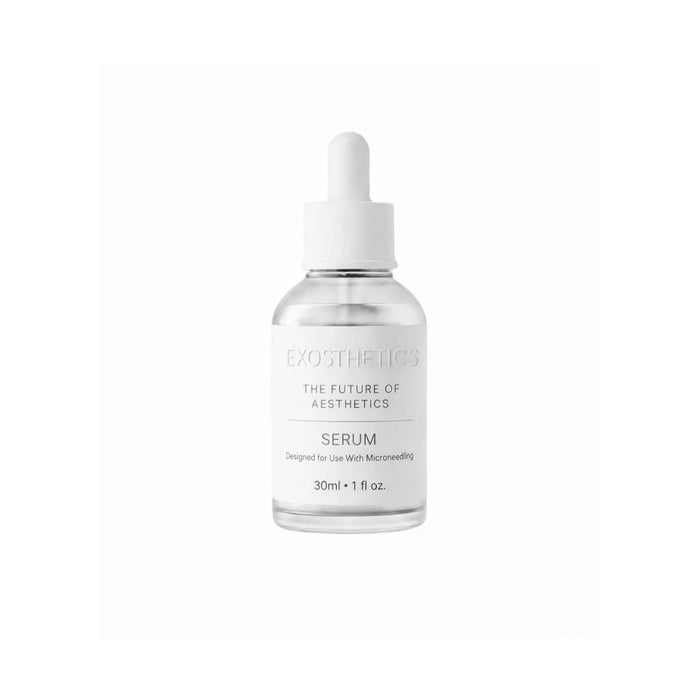
Product recommendation for optimal healing: When selecting post-microneedling serums, look for formulations specifically designed to support the wound healing cascade without causing irritation. Products containing exosomes, growth factors, and peptides can significantly enhance collagen production during the critical 2-4 week window.
For instance, advanced microneedling serums that combine multiple growth factors with exosome technology provide the biochemical signals fibroblasts need to maximize collagen synthesis. These concentrated formulations are designed for post-procedure use when your skin's absorption capacity is dramatically increased due to the microchannels.

The key is choosing products that are:
-
Free from irritants (no fragrance, essential oils, or harsh preservatives)
-
Rich in active healing ingredients (peptides, growth factors, antioxidants)
-
Formulated at appropriate pH for compromised skin barrier
-
Backed by clinical research for post-procedure use
Sun Protection: Non-Negotiable for 4-6 Weeks
This cannot be overstated - sun exposure during healing can trigger hyperpigmentation that negates your entire treatment and creates problems worse than what you started with.
Why healing skin is photosensitive:
-
Compromised skin barrier means UV penetrates deeper
-
Increased melanocyte activity during healing phase
-
Inflammation + UV = pigmentation disaster (especially darker skin)
-
New collagen is vulnerable to UV damage
Protection protocol:
-
Physical (mineral) sunscreen only for first 2 weeks
-
SPF 50+ minimum
-
Reapply every 2 hours if outdoors
-
Wear wide-brimmed hat
-
Seek shade aggressively
-
Consider postponing treatment if you have unavoidable sun exposure (vacation, outdoor job)
Research shows that patients who follow strict sun protection have 85% less PIH than those who don't, regardless of skin type.[22]

Activity and Lifestyle Modifications
First 48 hours avoid:
-
Intensive exercise (increases facial blood flow and swelling)
-
Swimming pools (chlorine is irritating, infection risk)
-
Hot showers (increases inflammation)
-
Saunas, steam rooms (extreme no)
-
Alcohol (dehydrating, increases inflammation)
First week avoid:
-
Facial massage or manipulation
-
Sleeping face-down
-
Hats or headbands that rub treatment area
-
Any treatment area touching (rest your face on hand, etc.)
Makeup Application Guidelines
When you can wear makeup:
-
Mineral makeup: 24-48 hours post
-
Liquid foundation: 48-72 hours post
-
Full coverage makeup: 5-7 days post
Application rules:
-
Clean brushes/sponges only (bacterial contamination risk)
-
Gentle application, no rubbing or scrubbing
-
Remove gently with oil cleanser (no makeup wipes)
Normal Healing vs Complications: Critical Distinctions
This section could prevent panic and potentially save your skin. Many people don't know what's normal versus what requires medical attention.
Normal Post-Microneedling Responses
Redness that gradually fades:
-
Day 1: Bright red (8/10 intensity)
-
Day 2: Dark pink (6/10)
-
Day 3: Medium pink (4/10)
-
Day 5: Light pink (2/10)
-
Day 7: Faint pink or resolved
Swelling:
-
Peaks hours 4-8 post-treatment
-
Resolves 90% by 48 hours
-
Completely gone by day 3-4
-
More pronounced around eyes, jawline
Dryness and flaking:
-
Begins day 3-4
-
Peaks day 5-6
-
Resolves by day 7-10
-
Looks like mild sunburn peeling
Purging (breakouts):
-
Can occur days 5-14
-
Represents clogged pores coming to surface faster
-
Should resolve faster than typical breakouts (3-5 days vs 7-10 days)
-
If persistent beyond 2 weeks, may not be purging
Temporary texture changes:
-
Rough, sandpaper feel days 1-5
-
"Bumpy" texture days 3-7
-
Tightness sensation first week
Red Flag Complications Requiring Medical Attention
Infection (bacterial):
-
Increasing redness, warmth, pain after day 3
-
Yellow or green discharge
-
Foul odor
-
Fever
-
Red streaks extending from treatment area
-
Action: Contact provider immediately, may need antibiotics
Herpes simplex reactivation:
-
Clustered, painful blisters
-
Typically around mouth or nose
-
Can occur even without known history
-
Action: Antiviral medication within 48 hours critical
Allergic reaction:
-
Severe itching beyond normal healing itch
-
Hives or welts
-
Swelling that increases after day 2
-
Spreading redness
-
Action: Antihistamines, possible steroids, contact provider
Post-inflammatory hyperpigmentation (PIH):
-
Darkening of skin that appears weeks after treatment
-
More common in Fitzpatrick III-VI skin types
-
Can be triggered by sun exposure, infection, or excessive inflammation
-
Action: Topical lightening agents, strict sun protection, possibly chemical peels
Scarring (rare but serious):
-
Persistent raised or depressed areas
-
Texture changes that worsen instead of improve
-
Typically results from infection, too-frequent treatments, or excessive depth
-
Action: Early intervention with silicone sheets, massage, possibly laser treatment
When to Call Your Provider
Call within 24 hours if:
-
Pain increasing instead of decreasing
-
Swelling getting worse after 12 hours
-
Yellow/green discharge
-
Fever
-
Blisters forming
-
Severe burning sensation
Schedule follow-up if:
-
Redness persists beyond 10 days
-
Hyperpigmentation develops
-
Breakouts not resolving by week 3
-
Results seem worse than pre-treatment by week 4
Microneedling Before and After by Specific Skin Concern
Each skin concern involves different tissue structures and responds differently to microneedling. Understanding these nuances helps set realistic expectations.
Microneedling Before and After for Acne
Active acne: Microneedling should NOT be performed over active, infected acne. However, once inflammation resolves, microneedling becomes one of the most effective treatments for residual scarring.
Microneedling Before and After for Acne Scarring
Atrophic scars (depressed scars):
-
Boxcar scars: Square or rectangular depressions with sharp edges. Response: 50-70% improvement with 3-6 treatments.[26]
-
Rolling scars: Wave-like depressions from tethering bands. Response: 60-80% improvement, often best responders.[27]
-
Ice pick scars: Deep, narrow, pitted scars. Response: 30-50% improvement (often require combination with TCA CROSS or punch techniques).[28]

Clinical data: A study of 36 patients with atrophic acne scars showed that 3 microneedling sessions at 1.5mm depth produced statistically significant improvement in 83% of patients, with average scar depth reduction of 51%.[29]
Why microneedling works even for deep acne scars: The needle trauma breaks up fibrous scar tissue and stimulates new collagen production to "fill in" the depression. Multiple treatments allow gradual collagen layering that elevates the scar floor closer to surrounding skin level.
Microneedling Before and After for Wrinkles, Fine Lines and Aging Skin
Mechanism: Microneedling addresses aging through multiple pathways: increasing collagen/elastin production, thickening dermis, improving skin barrier function, and enhancing product penetration of anti-aging actives.
Expected improvements:
-
Superficial fine lines: 40-60% reduction
-
Moderate wrinkles: 30-50% reduction
-
Deep static wrinkles: 20-30% reduction (better suited for combination treatments)
Best responding areas:
-
Periorbital lines (crow's feet)
-
Forehead lines (with Botox combination)
-
Cheek texture and firmness
-
Nasolabial folds (moderate improvement)

Study data: Research on 20 patients aged 45-65 showed that a series of 4 treatments at 1.5mm depth produced measurable improvement in wrinkle depth (average 31% reduction) and skin elasticity (23% improvement) at 3-month follow-up.[30]
Realistic expectations: Microneedling will NOT produce facelift-like results or eliminate deep wrinkles. It's best viewed as a collagen-boosting treatment that improves skin quality and reduces early to moderate aging signs. Severe laxity and deep folds require surgical intervention or more aggressive treatments (Ultherapy, Thermage, etc.).
Microneedling Before and After for Enlarged Pores and Skin Texture
Why microneedling helps pores: While it can't physically shrink pores (they don't have muscles to contract), microneedling improves the appearance by:
-
Thickening surrounding dermis (provides structural support)
-
Increasing collagen around pore openings (reduces visible diameter)
-
Improving overall skin texture (makes pores less noticeable)
Expected results:
-
25-40% reduction in visible pore size
-
Significant texture smoothing
-
More even skin surface
-
Better makeup application

Best combined with: Proper cleansing, regular exfoliation (once healed), and niacinamide serums for sebum regulation.
Microneedling Before and After for Hyperpigmentation, Dark Spots, and Melasma
This is the most nuanced and unpredictable concern for microneedling.
How microneedling addresses pigmentation:
-
Increases cell turnover (bringing pigmented cells to surface faster)
-
Enhances penetration of lightening agents (hydroquinone, tranexamic acid, vitamin C)
-
May stimulate melanocyte activity (risk, especially in darker skin)
Success rates vary dramatically:
-
Post-inflammatory hyperpigmentation: 40-60% improvement
-
Sunspots/solar lentigines: 30-50% improvement
-
Melasma: 20-40% improvement (high variability, recurrence common)
Critical considerations for darker skin (Fitzpatrick III-VI):
-
Conservative depth (0.5-1.0mm initially)
-
Longer treatment intervals (8-12 weeks)
-
Mandatory pre-treatment with lightening agents
-
Impeccable sun protection
-
Lower success rates, higher complication risk than lighter skin
When microneedling can worsen pigmentation:
-
Too aggressive depth
-
Too frequent treatments
-
Inadequate sun protection
-
Treating during active inflammation
-
Hormonal factors (pregnancy, birth control, menopause)

Study findings: A clinical trial on melasma patients showed 45% improvement with microneedling combined with tranexamic acid, but 25% experienced temporary worsening before improvement, and 15% showed no improvement.[31]
Microneedling Before and After for Rosacea and Redness
When microneedling may help:
-
Erythematotelangiectatic rosacea (ETR) with stable baseline
-
Texture issues from past papulopustular rosacea
-
Shallow depth only (0.5mm maximum)
-
Must avoid triggers and inflammatory flares
When to avoid:
-
Active rosacea flare
-
Papulopustular rosacea with active lesions
-
Severe telangiectasia (visible blood vessels)
-
Phymatous rosacea

Controversial indication: Rosacea patients must proceed with extreme caution. Microneedling can help or harm depending on rosacea subtype and treatment approach.
Microneedling Before and After for Stretch Marks
Body microneedling requires different approach:
-
Deeper penetration needed (1.5-2.5mm)
-
More treatments required (8-12 vs 3-6 for face)
-
Slower healing (body heals slower than face)
-
Lower success rates than facial treatments
Stretch mark improvement expectations:
-
Color: 50-70% improvement (red marks fade more than white)
-
Texture: 40-60% improvement
-
Width: 20-30% reduction
-
Complete elimination: Unrealistic

Study data: Research on 20 patients with striae distensae (stretch marks) showed 64% reported good to excellent improvement after 6 treatments, though objective measurements showed 45% improvement on average.[32]
Microneedling Before and After by Treatment Area: Face, Body, and Scalp
Microneedling Before and After for Face
Different facial zones have varying skin thickness, vascularity, and healing characteristics.
Full face: Most common treatment area. Results appear first in cheeks and forehead, last in perioral area (around mouth).
Forehead: Thicker skin, tolerates deeper treatment well. Good for horizontal lines and texture.
Under eyes: Extremely delicate area, requires shallow depth (0.5-1.0mm maximum). Can improve fine lines and crepey texture but won't eliminate bags or severe hollowing.
Eyelids: Controversial area, many providers avoid due to thinness. If performed, only by experienced practitioners at 0.25-0.5mm.
Jawline and jowls: Can improve mild laxity and texture but won't lift significant jowling (requires surgical intervention).
Neck: Thinner skin than face, requires conservative approach. Good for texture and crepiness, limited improvement for severe "turkey neck."
Chest/décolletage: Popular for sun damage and aging. Requires 6-8 treatments typically.
Microneedling Before and After for Body Areas
Stomach/belly: Primarily for stretch marks post-pregnancy or weight loss. Requires longer treatment series.
Thighs, legs, knees: Thick skin, can tolerate deeper treatment. Good for scars and texture.
Buttocks: Stretch marks and cellulite (limited improvement for cellulite).
Breast: For stretch marks only, not for enhancement or lift.
Microneedling Before and After for Scalp and Hair Growth

Scalp: Scalp microneedling stimulates hair follicles through increased blood flow, activation of stem cells, and growth factor release. Unlike facial microneedling focused on collagen, scalp treatments target follicular regeneration and angiogenesis (new blood vessel formation). Treatment depth ranges 0.5-1.5mm depending on scalp thickness and hair loss severity. Performed every 2-4 weeks, often combined with topical minoxidil, PRP, or exosome application for enhanced results. Research shows modest improvements in hair density (10-30% increase) and reduced shedding in responders, though results vary significantly between individuals.
Hair: General hair enhancement through scalp microneedling addresses multiple concerns: thinning hair, poor hair quality, scalp inflammation, and compromised follicle health. The micro-injuries trigger wound healing cascades that activate dormant hair follicles and prolong the anagen (growth) phase of existing hairs. Clinical studies on androgenetic alopecia show that microneedling combined with minoxidil produces 30-40% better results than minoxidil alone, though mechanism isn't fully understood. Best candidates are those with early hair loss (miniaturization) rather than complete baldness where follicles are beyond recovery.
Hair growth: Specific focus on stimulating new hair growth in areas of thinning or recession. Treatment protocol typically involves 1.0-1.5mm depth every 2-4 weeks for minimum 6 months before evaluating results. Hair growth cycle is slow - new hairs enter anagen phase 3-4 months post-treatment, so visible improvement requires patience. Success rates vary: 40-60% of patients report increased density and reduced shedding, while 20-30% show minimal response. Factors affecting outcomes include age, duration of hair loss, underlying cause (androgenetic alopecia responds better than autoimmune alopecia), and adherence to complementary treatments.
Hair Loss: Addressing active hair loss through follicle stimulation and inflammation reduction. Different from hair growth focus - this targets stopping progression rather than just encouraging regrowth. Particularly relevant for androgenetic alopecia (male/female pattern baldness), telogen effluvium (stress-related shedding), and early alopecia areata. Studies suggest microneedling reduces inflammatory cytokines around follicles that contribute to miniaturization. Most effective when started early in hair loss process before follicles become dormant. Patients report 30-50% reduction in shedding after 4-6 months of consistent treatment, though complete hair loss reversal is unrealistic.
Hairline: Focused treatment for receding hairline, particularly common in male pattern baldness and traction alopecia (from tight hairstyles). Hairline recession involves progressive follicle miniaturization starting at temples and frontal hairline. Microneedling at 1.0-1.5mm depth along hairline attempts to reactivate miniaturizing follicles before complete dormancy. Results are modest - expect 15-25% improvement in hairline density and 10-20% reduction in recession progression. Does not restore juvenile hairline or reverse advanced recession (requires hair transplant). Best for early changes in patients under 40 with recent onset recession.
Beard: Emerging application for patchy beard growth and facial hair enhancement. Beard follicles respond to microneedling similarly to scalp follicles - increased blood flow and growth factor stimulation can activate dormant follicles and thicken existing hairs. Treatment depth 0.5-1.0mm (facial skin thinner than scalp) every 3-4 weeks. Popular among men with alopecia barbae (patchy beard loss) or those wanting fuller beards. Realistic expectations show 20-40% improvement in density and coverage after 6-12 months of treatment combined with minoxidil. Complete transformation from minimal to full beard is unrealistic - works best for filling existing patches and enhancing baseline growth.
Microneedling Before and After by Skin Type and Age
Microneedling Before and After for Dark Skin
Fitzpatrick III-VI skin faces unique challenges:
Higher PIH risk: Melanocytes in darker skin are more reactive to trauma, leading to post-inflammatory hyperpigmentation in 30-40% of cases without proper protocols.[34]
Required modifications:
-
Conservative depth (start 0.5-1.0mm)
-
Test spot recommended
-
Pre-treatment with brightening agents (4-6 weeks)
-
Longer healing intervals (8-12 weeks between treatments)
-
Enhanced sun protection (SPF 50+, physical blockers)
-
Lower energy if combining with RF
Success strategies: Studies show that with proper protocols, darker skin can achieve excellent results comparable to lighter skin, but requires expertise and patience. Rushing or using aggressive parameters significantly increases complications.[35]
Microneedling Before and After for Black Skin

Black skin (Fitzpatrick V-VI) requires the most conservative approach due to highest melanocyte reactivity. Post-inflammatory hyperpigmentation risk reaches 35-45% without meticulous protocols, making provider expertise absolutely critical. Successful treatment demands test spots on inconspicuous areas (behind ear or jawline) 4-6 weeks before full treatment to assess individual PIH response. Depth should not exceed 1.0mm for initial treatments, with gradual progression only if healing is flawless. Pre-treatment with hydroquinone, kojic acid, or tranexamic acid for 6-8 weeks helps suppress melanocyte activity. Despite these precautions, results can be excellent - acne scars show 50-70% improvement and skin texture dramatically enhances when proper protocols are followed. The key is finding practitioners experienced specifically with Black skin, not just "all skin types."
Microneedling Before and After for Asian Skin

Asian skin (typically Fitzpatrick III-IV) presents moderate PIH risk with unique characteristics including thinner dermis and higher sebaceous gland density compared to Caucasian skin. Melasma is particularly prevalent in Asian populations, making careful treatment planning essential since aggressive microneedling can worsen rather than improve pigmentation. Conservative starting depth of 0.5-1.0mm recommended with gradual progression based on response. Asian skin often shows excellent response to microneedling for acne scars (60-75% improvement) and texture concerns, with lower complication rates than darker skin types but higher than fair skin. Pre-treatment brightening agents recommended for 4 weeks, and sun protection is critical given cultural sun exposure patterns in many Asian countries.
Microneedling Before and After for Indian Skin

Indian skin (typically Fitzpatrick IV-V) combines moderate to high PIH risk with specific concerns common in South Asian populations including melasma, periorbital hyperpigmentation, and acne scarring. Cultural and genetic factors create unique treatment considerations - many Indian patients present with combination concerns (active acne plus scarring plus pigmentation) requiring careful sequencing. Treatment must address active inflammation before scarring, and pigmentation requires concurrent topical management. Depth recommendations start at 0.5-1.0mm with 8-12 week intervals. Studies specific to Indian patients show 45-65% improvement in acne scars with proper protocols but 25-30% PIH incidence with aggressive treatment. Sunscreen compliance is critical given tropical sun exposure in India and diaspora communities often returning to visit. Success requires culturally competent providers who understand skin tone nuances within the diverse Indian population.
Microneedling Before and After for Mature Skin

Mature skin (generally 50+) maintains microneedling responsiveness but requires modified expectations and protocols. Key differences include slower healing, reduced baseline collagen production, thinner epidermis, and often compromised barrier function from decades of sun exposure and hormonal changes. However, studies consistently show that mature skin still produces substantial new collagen in response to controlled injury - just at 15-25% lower rates than younger skin. This means mature patients may require 4-6 treatments versus 3-4 for younger patients to achieve equivalent results. Combination approaches work particularly well: microneedling plus PRP, growth factor serums, or RF energy can compensate for reduced natural healing capacity. Realistic expectations show 30-50% improvement in texture, firmness, and fine lines - meaningful enhancement but not "turning back the clock" dramatically.
Microneedling Before and After for Over 50

Patients over 50 demonstrate skin healing capacity that decreases with age, but microneedling remains effective. Key differences:
- Slower healing (add 2-3 days to expected timeline)
- May require more treatments for equivalent results (4-6 vs 3-4)
- Lower baseline collagen production (but still responsive to stimulus)
- Often best combined with other modalities (PRP, RF, growth factor serums)
Research shows that patients over 50 demonstrate 15-20% less collagen production response than patients under 40, but still achieve clinically significant improvements with appropriate treatment series.[36] Specific concerns in this age group include deeper wrinkles, significant texture changes, age spots, and mild to moderate laxity. Microneedling addresses texture and wrinkles most effectively (35-45% improvement), while laxity improvement is minimal (10-20%). Many over-50 patients use microneedling as maintenance between more aggressive procedures (laser resurfacing, facelifts) or as alternative when surgery isn't desired. Post-menopausal women often experience enhanced results when combining microneedling with hormone replacement therapy, which improves baseline skin quality.
Microneedling Before and After for Over 60

Even older skin responds to microneedling, though expectations should be calibrated. One study of patients aged 60-75 showed 38% improvement in skin firmness and 42% improvement in texture after 4 treatments - modest but meaningful results.[37]
Patients over 60 face additional considerations beyond those over 50: significantly thinner skin (dermal thickness decreases 20% per decade after 50), reduced wound healing capacity, higher risk of bruising and prolonged erythema, and often multiple medical conditions or medications affecting healing (blood thinners, steroids, immunosuppressants). Conservative protocols are essential - starting at 0.5mm depth regardless of concern, extending intervals to 8-10 weeks minimum, and potentially limiting to 2-3 treatments initially to assess response. Despite these limitations, patient satisfaction remains high because even modest improvements are noticeable against aged baseline. Common goals shift from dramatic transformation to skin quality enhancement: smoother texture, more even tone, better product absorption, and subtle firmness improvement. Often combined with gentler complementary treatments like LED therapy or topical growth factors rather than aggressive modalities.
Microneedling Before and After For Advanced Techniques and Technologies
Traditional microneedling (needles alone) can be enhanced with various technologies and adjuncts.
Microneedling Before and After RF Microneedling
How it works: Radiofrequency (RF) energy is delivered through the needles into dermis, creating additional thermal injury that amplifies collagen production.
Advantages over traditional:
-
Greater collagen stimulation (studies show 30-40% more than needles alone)
-
Better for skin tightening and laxity
-
More dramatic improvements in single treatment
-
Popular devices: Morpheus8, Vivace, Genius, Profound
Disadvantages:
-
Higher cost ($800-1500 per treatment vs $300-500 traditional)
-
More downtime (7-10 days vs 3-5 days)
-
Higher risk in darker skin (thermal injury + PIH risk)
-
More discomfort during treatment
Clinical evidence: A study comparing RF microneedling to standard microneedling for facial rejuvenation found that RF group showed 47% improvement in skin laxity versus 23% in standard group, though with 40% more downtime.[38]
Microneedling Before and After PRP (Platelet-Rich Plasma) and "Vampire Facial"
Concept: Your blood is drawn, spun down to concentrate platelets, then applied topically during/after microneedling. Platelets contain growth factors that theoretically enhance healing and results.
Evidence: Mixed. Some studies show enhanced outcomes, others show no significant difference. The quality and preparation of PRP varies dramatically between providers, making standardized assessment difficult.
Realistic assessment:
-
May enhance results by 10-20% over microneedling alone
-
Definitely increases cost significantly
-
Risk of allergic reaction is minimal (it's your own blood)
-
Bruising from blood draw
Before and After Microneedling with Exosomes
What they are: Extracellular vesicles containing growth factors, cytokines, and genetic material that facilitate cell-to-cell communication and healing.
Marketing vs reality: Heavily marketed as "stem cell treatment" (they're not stem cells). Limited peer-reviewed research on efficacy for skin. May enhance healing but clinical evidence is preliminary.
Device-Specific Outcomes
Vampire Microneedling Before and After
The "Vampire Facial" - microneedling combined with platelet-rich plasma (PRP) from your own blood - gained celebrity status but delivers results that are more nuanced than the dramatic marketing suggests. The procedure involves drawing blood, spinning it in a centrifuge to concentrate platelets (which contain growth factors), then applying this plasma topically during or immediately after microneedling when microchannels are open for maximum absorption. The theory is sound: platelets release growth factors including PDGF, TGF-β, and VEGF that theoretically enhance collagen production beyond microneedling alone. Clinical evidence shows mixed results - some studies demonstrate 15-25% better outcomes compared to microneedling alone, while others show no statistically significant difference. The variability likely stems from inconsistent PRP preparation protocols between providers (concentration, activation method, platelet count). Realistic expectations: modest enhancement of standard microneedling results, particularly for skin texture and fine lines (45-60% improvement vs 35-50% with microneedling alone). Best candidates are those seeking maximum anti-aging results and willing to invest in the higher cost ($800-1200 per session vs $300-500 standard). Downtime is similar to regular microneedling (5-7 days) with possible additional bruising from blood draw. The dramatic immediate "glow" often shown in photos results from inflammation and platelets, not actual results which emerge over 3-6 months like standard treatments.
Genius Microneedling Before and After
Genius represents a sophisticated RF microneedling platform that delivers radiofrequency energy through insulated needles with real-time temperature monitoring and feedback control. Unlike earlier RF devices that delivered energy less precisely, Genius allows providers to target specific depths (0.5-3.5mm) and maintain exact thermal levels (60-65°C in dermis) for optimal collagen denaturation without surface burning. This precision translates to more predictable outcomes and potentially better results than traditional microneedling. Clinical studies show 40-60% improvement in moderate to deep wrinkles, 50-70% improvement in skin laxity, and 60-75% improvement in acne scars - generally 20-30% better than microneedling alone for these concerns. The technology works particularly well for lower face and neck tightening where traditional microneedling shows limited results. Treatment protocol typically involves 1-3 sessions spaced 4-6 weeks apart depending on concern severity. Downtime is significant (7-10 days with noticeable swelling and redness) due to thermal injury component. Cost ranges $1500-2500 per session. Best candidates are those with moderate laxity, deeper wrinkles, or significant scarring who want more dramatic results than standard microneedling provides but aren't ready for surgical intervention. Not recommended for darker skin types (Fitzpatrick IV-VI) due to thermal injury increasing PIH risk substantially.
Vivace Microneedling Before and After
Vivace combines RF microneedling with LED light therapy in a single treatment session, positioning itself as the "luxury" RF option with focus on patient comfort and minimal downtime. The device features insulated gold-plated needles that deliver precise RF energy at customizable depths (0.5-3.5mm) while built-in LED panels provide additional anti-inflammatory and collagen-stimulating wavelengths immediately post-treatment. Vivace's key differentiator is its focus on superficial to moderate depth treatment (0.5-2.0mm typically) rather than deep tissue remodeling, making it popular for overall skin quality enhancement, fine lines, pores, and mild texture concerns rather than aggressive scar revision or significant tightening. Results show 30-45% improvement in texture and tone, 35-50% improvement in fine lines, and 25-40% improvement in pore size after a series of 3 treatments. Downtime is notably less than other RF devices (3-5 days vs 7-10) with less aggressive swelling, making it popular for patients with busy schedules or important events. Cost ranges $900-1500 per session. The LED component provides additional wound healing support and may reduce inflammation duration by 20-30%. Best candidates are those in 30s-50s with early to moderate aging signs who want noticeable but not dramatic results with minimal disruption to daily life. Less effective than Genius or Morpheus8 for severe concerns but more tolerable with faster recovery.
Infini Microneedling Before and After
Infini represents one of the earlier fractional RF microneedling technologies, particularly popular in Asian markets, featuring a unique 3D needle configuration that delivers precise energy to targeted depths while minimizing surface damage. The device uses insulated microneedles (49 needles per tip) that penetrate to predetermined depths (0.5-3.5mm) and deliver RF energy in a pulsed pattern, creating controlled thermal zones that stimulate collagen without excessive inflammation. Infini's strength lies in treating acne scars, particularly in Asian skin types where PIH risk requires careful energy management. Clinical data shows 55-75% improvement in atrophic acne scars after 3 sessions, with lower PIH rates (8-12%) compared to non-RF microneedling (15-25%) in Fitzpatrick III-IV skin. The technology also shows good results for large pores (40-50% reduction) and moderate wrinkles (35-45% improvement). Treatment protocol typically involves 2-4 sessions spaced 4-6 weeks apart with moderate downtime (5-7 days). Patients report the treatment as moderately painful despite numbing, with sensation described as "hot pinpricks." Cost varies significantly by region ($800-2000 per session) with lower pricing in Asian markets where it's more established. Best candidates are those with acne scarring as primary concern, particularly patients with darker skin who need the precision that RF provides. Less commonly used in Western markets where newer RF platforms (Morpheus8, Genius) have gained preference, but remains gold standard in many Asian countries.
SkinPen Microneedling Before and After
SkinPen holds the distinction of being the first FDA-cleared microneedling device (2018) for treatment of facial acne scars in patients 22 and older, making it the "gold standard" reference for traditional (non-RF) professional microneedling. The device features an automated, sterile, single-use cartridge system with 12 or 36 ultra-fine needles that oscillate vertically at up to 1600 RPM, creating precise microchannels at adjustable depths (0.25-2.5mm). Unlike manual derma rollers or stamps, SkinPen's vertical needle action minimizes tearing or dragging, theoretically reducing trauma and accelerating healing. Clinical trials supporting FDA clearance showed 60-80% of patients with acne scars achieved at least 1-2 grade improvement on clinical scar scales after 3 treatments spaced 4 weeks apart. Beyond scars, SkinPen effectively treats fine lines (30-50% improvement), texture irregularities (40-60% improvement), and large pores (25-40% reduction). The device is considered highly safe across all skin types including darker skin (Fitzpatrick IV-VI) with proper protocols, showing PIH rates under 5% when conservative depths and appropriate intervals are used. Treatment sensation is moderate with topical numbing, described as "sandpaper scratching" rather than painful. Downtime is standard for microneedling (3-5 days) with minimal complications when performed correctly. Cost ranges $300-600 per session, generally less expensive than RF alternatives. Best candidates are those seeking proven, FDA-cleared technology for acne scars or those with darker skin who want to avoid thermal devices. Also popular for "microneedling purists" who want collagen induction without RF, laser, or other combined technologies.
Frequently Asked Questions
What should I do before and after microneedling?
Before: Stop retinoids 4 weeks prior, avoid sun exposure for 2 weeks before, discontinue exfoliating acids 2 weeks before, and ensure skin is healthy without active breakouts or infections. After: Keep skin clean and moisturized, use only gentle products for the first week, apply SPF 50+ daily, and avoid makeup for 24-48 hours.
What products should I use before and after microneedling?
Pre-treatment: Gentle cleanser, fragrance-free moisturizer, and mineral sunscreen. Post-treatment: Hyaluronic acid serums, growth factor or peptide serums, ceramide-rich moisturizers, and physical sunscreens only. Avoid retinoids, acids, vitamin C, and fragranced products for 5-7 days post-treatment.
How long after microneedling do you see results?
Initial improvements appear around week 4-6 as early collagen production begins. Maximum results emerge at 3-6 months when collagen remodeling completes. Immediate post-treatment appearance shows redness and swelling, not results. Texture improvements may be noticeable by week 2-3, but significant changes in scars, wrinkles, or pigmentation require the full 3-6 month healing timeline.
Can skin get worse after microneedling?
Yes, temporarily during healing. Normal worsening includes redness, dryness, flaking, and "purging" breakouts days 3-14. Skin may look rough and feel tight during this phase. However, persistent worsening beyond 4 weeks, increased hyperpigmentation, new scarring, or chronic redness indicates complications requiring medical evaluation. Post-inflammatory hyperpigmentation affects 15-30% of darker skin types without proper protocols.
Does microneedling hurt?
Discomfort varies by depth and individual pain tolerance. Shallow treatments (0.5mm) feel like light scratching. Medium depth (1.0-1.5mm) causes moderate discomfort even with numbing cream. Deep treatments (2.0mm+) can be quite painful despite topical anesthesia. Most providers apply lidocaine numbing cream 30-45 minutes before treatment, which significantly reduces but doesn't eliminate sensation, especially over bony areas like forehead and jawbone.
How many microneedling sessions do I need?
For acne scars: 3-6 treatments spaced 6-8 weeks apart. For anti-aging and texture: 3-4 treatments spaced 4-6 weeks apart. For hyperpigmentation: 4-6 treatments spaced 6-8 weeks apart. Severe concerns may require 8-12 treatments. Single treatments produce 15-30% improvement; full series produces 60-80% improvement. Maintenance treatments 1-2 times yearly help sustain results.
Can I combine microneedling with Botox or fillers?
Yes, but timing matters. Wait 2 weeks after Botox before microneedling, or get Botox 2 weeks after microneedling. This prevents needle trauma from affecting Botox placement and prevents Botox migration. For fillers, wait 2-4 weeks in either direction. Many practitioners strategically combine treatments: Botox for dynamic wrinkles, fillers for volume loss, and microneedling for texture and skin quality - an integrated approach for comprehensive facial rejuvenation.
Is microneedling safe for dark skin?
Yes, when performed correctly with appropriate protocols. Darker skin (Fitzpatrick types III-VI) requires conservative depth, longer treatment intervals, pre-treatment with brightening agents, and impeccable sun protection to minimize post-inflammatory hyperpigmentation risk. Success rates are comparable to lighter skin when practitioners follow evidence-based protocols, but complication rates increase significantly with aggressive treatment parameters.
How long does microneedling redness last?
For most patients: 24-72 hours of significant redness, fading to pink by days 4-5, and resolving completely by day 7. Deeper treatments may show redness for 7-10 days. Persistent redness beyond 10-14 days requires medical evaluation as it may indicate infection, allergic reaction, or excessive inflammation. Darker skin types may experience longer-lasting pink tone (2-3 weeks) even without complications.
Can microneedling remove deep wrinkles?
Microneedling can reduce but not eliminate deep wrinkles. Expect 20-30% improvement in deep static wrinkles, 30-50% in moderate wrinkles, and 40-60% in fine lines. Deep wrinkles result from bone resorption, fat loss, and significant collagen degradation - microneedling addresses only the collagen component. Combination treatments (microneedling + Botox + fillers or RF microneedling) produce better results for deep wrinkles than microneedling alone.
Taking the Next Step: From Information to Action
You've now seen the full picture of microneedling - from the molecular mechanisms of collagen induction to the week-by-week healing timeline, from the dramatic transformations possible with acne scars to the nuanced challenges of treating melasma in darker skin.
If you're currently healing from treatment: Remember that the journey from "before" to "after" isn't linear. Trust the process, follow your post-treatment protocol religiously, protect your skin from sun exposure, and give your body the full 3-6 months to complete collagen remodeling. What you see at day 7 bears little relationship to your final results at month 3.
If you're concerned about your healing: Review the "Normal Healing vs Complications" section above. When in doubt, contact your provider. Early intervention for complications like infection or PIH produces far better outcomes than waiting.
The most successful microneedling outcomes share common elements: realistic expectations, properly qualified practitioners, evidence-based protocols, and patient compliance with pre- and post-treatment care. Armed with this comprehensive understanding, you're equipped to navigate your microneedling journey with confidence and informed decision-making.
🔗 References
-
Iriarte C, Awosika O, Rengifo-Pardo M, Ehrlich A. Review of applications of microneedling in dermatology. Clin Cosmet Investig Dermatol. 2017;10:289-298.
-
Ramaut L, Hoeksema H, Pirayesh A, et al. Microneedling: where do we stand now? A systematic review of the literature. J Plast Reconstr Aesthet Surg. 2018;71(1):1-14.
-
Lima EA. Microneedling in facial recalcitrant melasma: report of a series of 22 cases. An Bras Dermatol. 2015;90(6):919-921.
-
Alster TS, Graham PM. Microneedling: a review and practical guide. Dermatol Surg. 2018;44(3):397-404.
-
Fernandes D, Signorini M. Combating photoaging with percutaneous collagen induction. Clin Dermatol. 2008;26(2):192-199.
-
Doddaballapur S. Microneedling with dermaroller. J Cutan Aesthet Surg. 2009;2(2):110-111.
-
Schwarz M, Laaff H. A prospective controlled assessment of microneedling with the Dermaroller device. Plast Reconstr Surg. 2011;127(6):146e-148e.
-
Singh A, Yadav S. Microneedling: advances and widening horizons. Indian Dermatol Online J. 2016;7(4):244-254.
-
El-Domyati M, Barakat M, Awad S, et al. Microneedling therapy for atrophic acne scars: an objective evaluation. J Clin Aesthet Dermatol. 2015;8(7):36-42.
-
Majid I. Microneedling therapy in atrophic facial scars: an objective assessment. J Cutan Aesthet Surg. 2009;2(1):26-30.
-
Fabbrocini G, Fardella N, Monfrecola A, et al. Acne scarring treatment using skin needling. Clin Exp Dermatol. 2009;34(8):874-879.
-
Dhurat R, Sukesh M, Avhad G, et al. A randomized evaluator blinded study of effect of microneedling in androgenetic alopecia: a pilot study. Int J Trichology. 2013;5(1):6-11.
-
Aust MC, Fernandes D, Kolokythas P, et al. Percutaneous collagen induction therapy: an alternative treatment for scars, wrinkles, and skin laxity. Plast Reconstr Surg. 2008;121(4):1421-1429.
-
Zeitter S, Sikora Z, Jahn S, et al. Microneedling: matching the results of medical needling and repetitive treatments to maximize potential for skin regeneration. Burns. 2014;40(5):966-973.
-
Soltani-Arabshahi R, Wong JW, Duffy KL, et al. Facial allergic granulomatous reaction and systemic hypersensitivity associated with microneedle therapy for skin rejuvenation. JAMA Dermatol. 2014;150(1):68-72.
-
American Society of Plastic Surgeons. Microneedling improves appearance of surgical scars, especially if performed early. Press release. November 2019. https://www.plasticsurgery.org/news/press-releases/microneedling-improves-appearance-of-surgical-scars-especially-if-performed-early
-
Cachafeiro T, Escobar G, Maldonado G, et al. Comparison of nonablative fractional laser vs microneedling plus vitamin C for treatment of melasma. J Cosmet Laser Ther. 2017;19(8):452-456.
-
Badran K, Nawafleh S, Khalila D, et al. Efficacy of radiofrequency and tolerability of microneedling for the treatment of facial atrophic acne scars: a prospective study. J Cosmet Dermatol. 2023;22(10):2745-2751.
-
Sasaki GH. Micro-needling depth penetration, presence of pigment particles, and fluorescein-stained platelets: clinical usage for aesthetic concerns. Aesthetic Surg J. 2017;37(1):71-83.
-
Lima EA. Microneedling experimental study: the minimal unit obtained in bovine skin samples for the development of an ideal protocol to treat enlarged pores. Surg Cosmet Dermatol. 2013;5(4):292-298.
-
Garg S, Baveja S. Combination therapy in the management of atrophic acne scars. J Cutan Aesthet Surg. 2014;7(1):18-23.
-
Yadav S, Dogra S. A cutaneous microneedling device for the treatment of transepidermal drug delivery. Indian J Dermatol Venereol Leprol. 2006;72(2):157-158.
-
Lima EVA, Lima M, Paixao MP, et al. Assessment of the effects of skin microneedling as adjuvant therapy for facial melasma: a pilot study. BMC Dermatol. 2017;17(1):14.
-
Nofal E, Helmy A, Nofal A, et al. Treatment of striae distensae with needling therapy versus CO2 fractional laser. J Dermatolog Treat. 2014;25(4):359-362.
-
Faghihi G, Keyvan S, Asilian A, et al. Efficacy of autologous platelet-rich plasma combined with fractional ablative carbon dioxide resurfacing laser in treatment of facial atrophic acne scar. J Cosmet Laser Ther. 2016;18(3):165-170.
-
Cohen BE, Elbuluk N. Microneedling in skin of color: a review of uses and efficacy. J Am Acad Dermatol. 2016;74(2):348-355.
-
Orentreich DS, Orentreich N. Subcutaneous incisionless (subcision) surgery for the correction of depressed scars and wrinkles. Dermatol Surg. 1995;21(6):543-549.
-
Chandrashekar BS, Sriram R, Mysore R, et al. Evaluation of microneedling fractional radiofrequency device for treatment of acne scars. J Cutan Aesthet Surg. 2014;7(2):93-97.
-
Hashim PW, Levy Z, Cohen JL, et al. Microneedling therapy with and without platelet-rich plasma. Cutis. 2017;99(4):239-242.
-
Kim JK, Mun SK, Kim da W, et al. Clinical trial of dual treatment with fractional laser and glycolic acid peel in acne scars: a pilot study. J Cosmet Laser Ther. 2014;16(3):100-103.
-
Gold MH, Andriessen A, Bhatia AC, et al. Topical stabilized hypochlorous acid: the future gold standard for wound care and scar management in dermatologic and plastic surgery procedures. J Cosmet Dermatol. 2020;19(2):270-277.
-
El-Domyati M, Barakat M, Awad S, et al. Multiple microneedling sessions for minimally invasive facial rejuvenation: an objective assessment. Int J Dermatol. 2015;54(12):1361-1369.
-
Ibrahim ZA, El-Ashmawy AA, Shora OA. Therapeutic effect of microneedling and autologous platelet-rich plasma in the treatment of atrophic scars: a randomized study. J Cosmet Dermatol. 2017;16(3):388-399.
-
Kim SW, Lee JH, Kin DH, et al. Treatment of striae distensae using needling therapy: a pilot study. Dermatol Surg. 2012;38(11):1823-1828.
-
Fernandes D. Minimally invasive percutaneous collagen induction. Oral Maxillofac Surg Clin North Am. 2005;17(1):51-63.
-
Fabbrocini G, De Vita V, Fardella N, et al. Skin needling to enhance depigmenting serum penetration in the treatment of melasma. Plast Surg Int. 2011;2011:594261.
-
Aust M, Knobloch K, Reimers K, et al. Percutaneous collagen induction therapy: an alternative treatment for burn scars. Burns. 2010;36(6):836-843.
-
Badran K, Nawafleh S, Khalil D, et al. Efficacy of radiofrequency and tolerability of microneedling for the treatment of facial atrophic acne scars: a prospective study. J Cosmet Aesthet Dermatol. 2021;14(11):3141-3148.

The first week
Everything in this guide, in two products
Exosome Serum for the night of. 72-Hour+ Cream from day three. $99 together — and you can add Ceramide Repair, the day-7 step, for $35 instead of $49.
See the Kit — $99