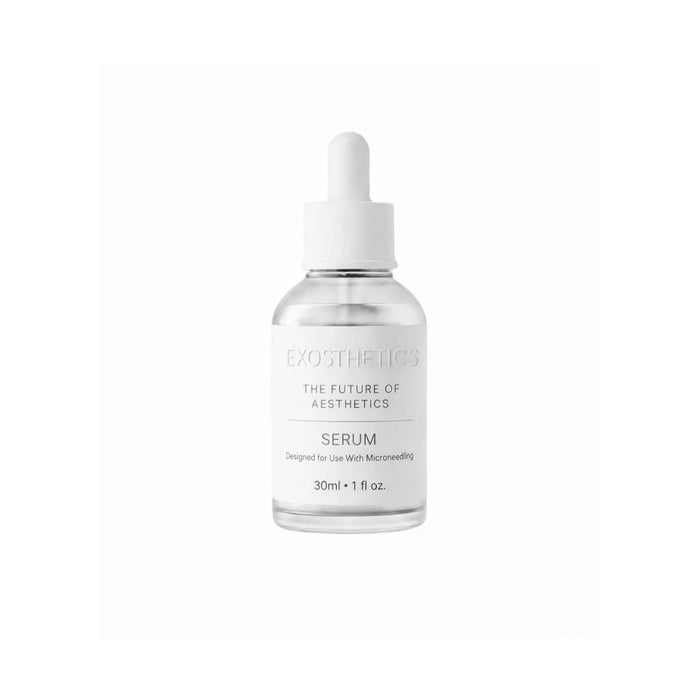

If you've been scrolling through microneedling before and after photos for hyperpigmentation, you've probably noticed something: the results look wildly different from person to person. Some show dramatic fading of dark spots. Others show... well, not much change at all. And occasionally, you'll see cases where the pigmentation actually looks worse.
Here's the truth that most aesthetic clinics won't tell you upfront: microneedling before and after hyperpigmentation results depend almost entirely on technique, skin type, and post-treatment care. Those glossy before-and-after galleries rarely show you the full story - the preparation that happened beforehand, the strict sun avoidance protocols, or the cases where things didn't go as planned.
This isn't another article hyping microneedling as a miracle cure for dark spots. Instead, we're diving into the dermatological reality: what microneedling can genuinely improve, what risks exist (especially for darker skin tones), and what you should realistically expect from treatment. Because when it comes to pigmentation, the difference between improvement and worsening often comes down to understanding the science and respecting your skin's inflammatory response.
Don't guess your recovery. Download FREE Clinical Microneedling Protocol Here
Understanding Hyperpigmentation - Why It Forms and Why It's Hard to Treat
Before we discuss how microneedling affects dark spots, let's clarify what we're actually dealing with.
Hyperpigmentation is essentially your melanocytes (pigment-producing cells) working overtime. When these cells become overactive, they deposit excess melanin in specific areas, creating those stubborn dark patches that seem impossible to fade.
The main types relevant to microneedling include:
-
Post-inflammatory hyperpigmentation (PIH) - Dark marks left behind after acne, injuries, or other skin trauma
-
Melasma - Hormone-triggered pigmentation, often appearing as brown patches on the cheeks, forehead, or upper lip
-
Sun-induced dyschromia - Age spots and sun damage from cumulative UV exposure
Here's what makes hyperpigmentation so frustratingly difficult to treat: inflammation plays a dual role. Your skin needs controlled inflammation to trigger repair and renewal. But too much inflammation - or inflammation in the wrong circumstances - actually stimulates more pigment production.[1] This is why aggressive treatments can backfire spectacularly, especially in darker skin tones.
Understanding this inflammatory tightrope is crucial because microneedling is, by design, an inflammatory procedure.
What Is Microneedling and How It Biologically Affects Pigmentation
Microneedling creates controlled micro-injuries in your skin using fine needles that penetrate to specific depths. This isn't about causing random damage - it's about triggering a precise wound-healing cascade.[2]
When those tiny needles puncture your skin, several things happen:
-
Cytokine signaling (your body's chemical messengers) rush to the site
-
Growth factors release, promoting collagen production and tissue remodeling
-
Epidermal turnover accelerates, bringing newer skin cells to the surface faster
This mechanism explains both microneedling's benefits and its risks for pigmentation. The accelerated cell turnover can help fade existing dark spots by bringing them to the surface faster. The collagen remodeling can improve texture issues that make pigmentation more noticeable.
But - and this is critical - if the inflammatory response becomes excessive or if melanocytes get overstimulated during healing, you can end up with new pigmentation or worsened existing spots.[2]
The depth of needle penetration matters enormously. Shallow treatments (0.5-1mm) primarily affect the epidermis where pigment sits. Deeper treatments (1.5-2mm) reach the dermis and can potentially disrupt pigment-producing cells in unpredictable ways.
Recovery Forecast
Get your personalized timeline for returning to normal activities after your microneedling treatment.
Your Forecast is Ready!
Enter your email to receive your personalized recovery timeline, safe activity dates, and Exosome Accelerator calculation.
Redness Clears
Day 5
Gym Safe
Day 4
Exosome Boost
2-3 daysfaster recovery
Check Your Inbox!
Your personalized Recovery Forecast is on its way. Look for an email from Exosthetics in the next few minutes.
Does Microneedling Help with Hyperpigmentation?
The short answer: yes, conditionally.
Clinical studies show that microneedling can improve post-inflammatory hyperpigmentation when several factors align properly:[3]

✓ Needle depth is carefully controlled (typically 0.5-1.5mm for pigmentation concerns)
✓ Treatment sessions are appropriately spaced (usually 4-6 weeks apart)
✓ Sun protection is non-negotiable before and after treatment
✓ Post-treatment care focuses on barrier support rather than aggressive actives
What microneedling excels at improving:
-
Texture irregularities that accentuate pigmentation
-
Shallow post-inflammatory hyperpigmentation from acne or minor injuries
-
Overall skin tone evenness through improved cell turnover
What microneedling does NOT do:
-
Destroy or "break up" melanocytes
-
Bleach pigment directly
-
Provide instant results (improvement takes weeks to months)
The evidence suggests microneedling works best for PIH specifically, showing gradual softening of dark spots over multiple sessions when combined with appropriate skincare.[3] However, outcomes vary significantly based on pigment depth, skin tone, and individual healing responses.
One key finding from clinical research: patients with lighter pigmentation (Fitzpatrick types I-III) tend to show more consistent improvement than those with darker skin, though this doesn't mean darker skin can't benefit - it just requires more cautious protocols.[4]
Can Microneedling Make Hyperpigmentation Worse?
This is the question that keeps dermatologists cautious about recommending microneedling for pigmentation concerns. And the honest answer is: yes, absolutely - if done incorrectly.
Hyperpigmentation can worsen due to:
⚠️ Excessive needle depth - Going too deep triggers an inflammatory response that melanocytes interpret as a signal to produce more pigment
⚠️ Too-frequent sessions - Not allowing adequate healing time between treatments keeps inflammation chronically elevated
⚠️ Inadequate photoprotection - UV exposure on healing skin is practically guaranteed to cause or worsen pigmentation
⚠️ Poor post-treatment care - Using harsh actives, over-exfoliating, or skipping moisture and barrier support
The risk of treatment-induced post-inflammatory hyperpigmentation (PIH) is real and well-documented.[5] What makes this particularly tricky is distinguishing between:
Temporary post-inflammatory darkening - Normal healing response that fades within 2-4 weeks
True treatment-induced worsening - New or deepened pigmentation that persists beyond healing
In darker skin tones (Fitzpatrick IV-VI, which tan easily and rarely burn), the risk multiplies because melanocytes are naturally more reactive to inflammatory triggers.[5] This doesn't mean people with darker skin should avoid microneedling - it means protocols need to be more conservative and aftercare more rigorous.
Before and After Hyperpigmentation on Dark Skin - Critical Safety Considerations
Let's address this directly: darker skin tones face a higher risk of developing new pigmentation from microneedling, but they can still benefit safely when treatment is approached thoughtfully.[4]

The key difference in treating Fitzpatrick IV-VI skin isn't whether to do microneedling - it's how:
Conservative depth protocols:
-
Starting at shallower depths (0.5-1.0mm) and only progressing deeper if skin tolerates it well
-
Never assuming "deeper is better" for pigmentation
-
Prioritizing texture improvement over aggressive remodeling
Extended spacing between sessions:
-
6-8 weeks minimum between treatments (vs 4 weeks for lighter skin)
-
Allowing complete resolution of post-treatment erythema before the next session
-
Being willing to stop at fewer total sessions if skin shows signs of reactivity
Strict sun avoidance is non-negotiable:
-
Daily SPF 50+ application, even indoors
-
Physical sun protection (hats, seeking shade)
-
Avoiding treatment during high-UV seasons when possible
Perhaps most importantly: practitioner experience matters exponentially more when treating darker skin for pigmentation. A clinician who understands melanocyte behavior and has successfully treated similar skin tones before makes the difference between improvement and disaster.
Clinical data confirms that when these protocols are followed, darker-skinned patients can achieve significant improvement in PIH without developing treatment-induced hyperpigmentation.[4] But the margin for error is smaller, making proper patient selection and education critical.
What Happens Before Microneedling - Preparation That Determines Outcomes
Most people focus on what happens during and after microneedling. But dermatologists know that preparation before treatment often determines whether pigmentation improves or worsens.
Essential pre-treatment assessment:
🔍 Skin barrier status - Compromised barriers increase inflammation risk. If your skin is already irritated, sensitized, or dehydrated, you're setting up for problems.
🔍 Active inflammation check - Never microneedle over active acne, eczema flares, or other inflammatory conditions. This seems obvious but happens more than it should.
🔍 Sun exposure history - Recent sunburn or tanning indicates your melanocytes are already in overdrive. Microneedling at this point is asking for trouble.
Why pre-treatment preparation matters more for pigmentation than wrinkles?
When treating wrinkles and texture, some inflammation and redness is expected and even desirable - it signals collagen remodeling. But for pigmentation, that same inflammation is your enemy. Any factor that amplifies inflammatory response increases the risk of triggering or worsening dark spots.[6]
Some practitioners recommend a "priming" period with gentle barrier-supporting ingredients before microneedling. While specific priming protocols vary, the goal is consistent: ensure skin is in its healthiest, least reactive state before intentionally injuring it.
Timeline: What to Expect From Microneedling for Hyperpigmentation ⏱️
Hours to 48 hours post-treatment:
-
Immediate erythema (redness) - completely normal
-
Increased melanocyte signaling risk during acute inflammation[2]
-
Pigment may actually look darker initially due to oxidation and inflammation
-
Skin feels sensitive, tight, possibly warm to touch
What helps recovery during this phase:
-
Gentle, fragrance-free moisturizers with ceramides and peptides to support barrier recovery or exosome powered specialized microneedling serums
-
Strict sun avoidance (not just sunscreen - actual avoidance)
-
Cool compresses for discomfort
-
Zero active ingredients (no retinoids, acids, vitamin C for now)
Days 3-7:
-
Erythema begins fading
-
Light flaking or peeling as cell turnover accelerates
-
Temporary darkening may persist or even intensify (this is normal PIH response, not treatment failure)
Weeks 2-4:
-
New skin emerges with improved texture
-
Initial pigmentation assessment becomes possible
-
If darkness persists beyond 4 weeks without improvement, reassess treatment depth/technique
Weeks 4-8:
-
True pigmentation changes begin showing
-
Gradual softening of dark spots in responsive cases
-
Some areas may improve while others lag (uneven response is common)
Multiple session progression:
The pattern over 3-6 sessions typically follows cumulative remodeling rather than dramatic single-session changes:[2][3] Each treatment builds on previous improvements through continued collagen remodeling and accelerated cell turnover. However, more frequent sessions don't equal better results - over-treatment increases inflammation and pigmentation risk.
Most studies show optimal results appear 3-6 months after completing a treatment series, as deeper remodeling continues even after sessions end.[3]
RF Microneedling Before and After for Hyperpigmentation - Advanced Considerations
Radiofrequency (RF) microneedling adds thermal energy to the mechanical injury of traditional needling. The needles deliver RF energy into deeper layers, creating heat-based tissue remodeling.
The theoretical advantage: Deeper collagen remodeling without increasing surface inflammation as much as deeper needle penetration alone.[4]
The pigmentation reality: RF microneedling shows promise but requires even more cautious protocols for hyperpigmentation cases.
The added thermal component can:
✓ Achieve deeper remodeling at shallower depths (potentially beneficial)
✗ Increase heat-induced pigment disruption if improperly calibrated
✗ Create unpredictable melanocyte responses in darker skin
Clinical studies show RF microneedling can safely treat darker skin tones when energy levels are conservative and technique is precise.[4] However, it's not inherently superior to standard microneedling for pigmentation - it's simply a different tool with its own risk-benefit profile.
When RF microneedling might be considered:
-
When texture improvement is the primary goal alongside pigmentation
-
When deeper remodeling is needed without increasing needle depth
-
When treating lighter skin tones with less reactive melanocytes
When standard microneedling is likely safer:
-
First-time treatment for reactive skin
-
Darker skin tones (Fitzpatrick IV-VI)
-
When pigmentation is the sole or primary concern
What Does Not Help - Common Mistakes and Myths 🚫
❌ Over-exfoliating post-treatment
Your skin just experienced controlled injury. Adding acids, scrubs, or aggressive cleansing compounds inflammation and disrupts healing. Yet patients often think they need to "help" the process along.[5]
❌ Chasing redness as a sign of efficacy
More inflammation does not equal better results for pigmentation. This isn't strength training where "more pain, more gain" applies. With pigmentation, excessive inflammation is the enemy.
❌ Excessive session frequency
Booking treatments every 2-3 weeks because you're impatient for results. Healing and remodeling take time. Rushing sessions keeps inflammation chronically elevated and increases PIH risk exponentially.[5]
❌ Adding aggressive actives too soon
Retinoids, high-percentage vitamin C, and acids should be avoided for at least 3-5 days post-treatment (some practitioners recommend longer). Introducing them prematurely compromises barrier recovery.
❌ Skipping sunscreen "just this once"
UV exposure on healing, inflamed skin is essentially guaranteed to cause or worsen pigmentation. There are no exceptions to this rule.[6]
Realistic vs Unrealistic Expectations for Hyperpigmentation
Managing expectations prevents disappointment and helps you make informed decisions about whether microneedling is right for your situation.
✅ What microneedling can realistically improve:
-
Shallow to moderate PIH from acne or minor injuries
-
Texture irregularities that make pigmentation more noticeable
-
Overall skin tone evenness over time
-
Surface-level sun damage and age spots
❌ What microneedling struggles with:
-
Hormonal melasma (notoriously treatment-resistant)
-
Deep dermal pigmentation (pigment below where needles effectively reach)
-
Genetic hyperpigmentation conditions
-
Pigmentation requiring melanin-targeting mechanisms (which microneedling doesn't provide)
Melasma-Specific Considerations
Melasma deserves special mention because it's fundamentally different from PIH. While PIH responds to accelerated cell turnover, melasma is hormonally driven and incredibly stubborn.[2]
Why melasma resists microneedling:
-
Melanocytes are in chronic overproduction mode due to hormonal triggers
-
Inflammation from treatment can paradoxically worsen melasma
-
Pigment often extends deeper than microneedling effectively reaches
Some patients see temporary improvement in melasma appearance due to texture changes, but true fading is uncommon. Melasma typically requires combination approaches: topical tyrosinase inhibitors, chemical peels, laser treatments, and strict sun avoidance.[2] Microneedling alone rarely achieves significant melasma improvement.
When microneedling might be considered for melasma:
-
As part of a broader treatment strategy (not standalone)
-
With extremely conservative depth (0.5-1.0mm maximum)
-
Only after confirming melasma is under control with topicals
Pros and Cons of Microneedling for Hyperpigmentation
|
Pros |
Cons |
|
Improves texture and mild-to-moderate PIH |
Risk of treatment-induced PIH if protocols aren't followed |
|
Safe across skin tones when done correctly |
Results are gradual (months, not weeks) |
|
Minimal downtime compared to lasers |
Requires strict sun avoidance and aftercare |
|
Stimulates collagen for overall skin quality |
Not effective for all pigmentation types (especially melasma) |
|
Can enhance penetration of topical brightening agents |
Multiple sessions needed for visible results |
Red Flags - When Microneedling Should Be Delayed or Avoided 🚩
Postpone or avoid treatment if you have:
-
Active inflammatory skin conditions (acne, rosacea flare, eczema)
-
Recent sunburn or significant tan (within 2-4 weeks)
-
History of severe PIH from minor injuries
-
Active keloid or hypertrophic scarring tendency
-
Unrealistic expectations about speed or degree of improvement
-
Inability to commit to strict post-treatment sun protection
Additionally, certain medications (oral retinoids like isotretinoin) require stopping months before microneedling. If you're taking medication that affects healing or increases photosensitivity, discuss timing with your provider.[5]
Conclusion - Microneedling as a Tool, Not a Cure
If there's one takeaway from this deep dive into microneedling before and after hyperpigmentation results, it's this: microneedling is a tool with specific applications and limitations, not a universal solution for dark spots.
When protocol is conservative, skin preparation is thorough, post-treatment care is disciplined, and expectations are realistic, microneedling can meaningfully improve certain types of hyperpigmentation - particularly PIH in appropriate skin types.
But success requires respecting the inflammatory tightrope. Too little controlled injury and you won't trigger meaningful remodeling. Too much inflammation and you risk worsening the very pigmentation you're trying to treat.
The best candidates for microneedling and hyperpigmentation are those who:
-
Understand the gradual nature of results
-
Can commit to rigorous sun protection
-
Have realistic expectations about what will and won't improve
-
Work with experienced practitioners who customize protocols to skin type
For some people, microneedling becomes a valuable part of their pigmentation management strategy. For others, alternative treatments (chemical peels, specific lasers, topical regimens) prove more effective. The key is individualized assessment rather than assuming one treatment works for everyone.
FAQ
How to treat hyperpigmentation after microneedling?
Focus on barrier repair with gentle, fragrance-free moisturizers containing ceramides and peptides. Strict sun protection with SPF 50+ is non-negotiable. Avoid active ingredients like retinoids and acids for at least 3-5 days. Temporary darkening is normal and usually fades within 2-4 weeks as inflammation resolves.
Is hyperpigmentation normal after microneedling?
Temporary darkening immediately post-treatment is common due to inflammation and oxidation. This typically resolves within 2-4 weeks. Persistent or worsening pigmentation beyond 4 weeks suggests excessive treatment depth, inadequate sun protection, or improper aftercare requiring protocol adjustment.
How many microneedling sessions are needed for hyperpigmentation?
Most clinical studies show 3-6 sessions spaced 4-8 weeks apart produce optimal results. Lighter skin may respond to 4-week intervals while darker skin requires 6-8 weeks between treatments. Improvement is gradual and cumulative rather than dramatic after single sessions.
How long does it take for microneedling to help hyperpigmentation?
Visible improvement typically emerges 4-8 weeks after initial treatment as epidermal turnover and collagen remodeling occur. Optimal results appear 3-6 months after completing a treatment series. Immediate improvement is unrealistic - patience is essential for pigmentation concerns.
Is microneedling best for hyperpigmentation?
Microneedling is effective for post-inflammatory hyperpigmentation (PIH) but less successful for melasma. It works best as part of a comprehensive strategy including topical treatments and sun protection. Other options (chemical peels, specific lasers, topical regimens) may be more appropriate depending on pigmentation type and depth.
🔗 References
Davis EC, Callender VD. Postinflammatory hyperpigmentation: a review of the epidemiology, clinical features, and treatment options in skin of color. J Clin Aesthet Dermatol. 2010;3(7):20-31. PubMed PMID: 20725554; PMCID: PMC10588557.
Iriarte C, Awosika O, Rengifo-Pardo M, Ehrlich A. Review of applications of microneedling in dermatology. Clin Cosmet Investig Dermatol. 2017;10:289-298. PubMed PMID: 29543377; PMCID: PMC10456105.
Fabbrocini G, De Vita V, Fardella N, et al. Skin needling to enhance depigmenting serum penetration in the treatment of melasma. Plast Surg Int. 2011;2011:594261. PubMed PMID: 32897944.
Chandrashekar BS, Sriram R, Mysore R, Bhaskar S, Shetty A. Evaluation of microneedling fractional radiofrequency device for treatment of acne scars. J Cutan Aesthet Surg. 2014;7(2):93-97. PubMed PMID: 34299100.
Goh CL, Abad-Casintahan F, Chow SK, et al. South Asian consensus on the use of topical therapies for hyperpigmentation and melasma. J Dermatol Treat. 2017;28(2):97-107. PubMed PMID: 27755171.
Alster TS, Graham PM. Microneedling: A review and practical guide. Dermatol Surg. 2018;44(3):397-404. PubMed PMID: 29543377.

The first week
Everything in this guide, in two products
Exosome Serum for the night of. 72-Hour+ Cream from day three. $99 together — and you can add Ceramide Repair, the day-7 step, for $35 instead of $49.
See the Kit — $99