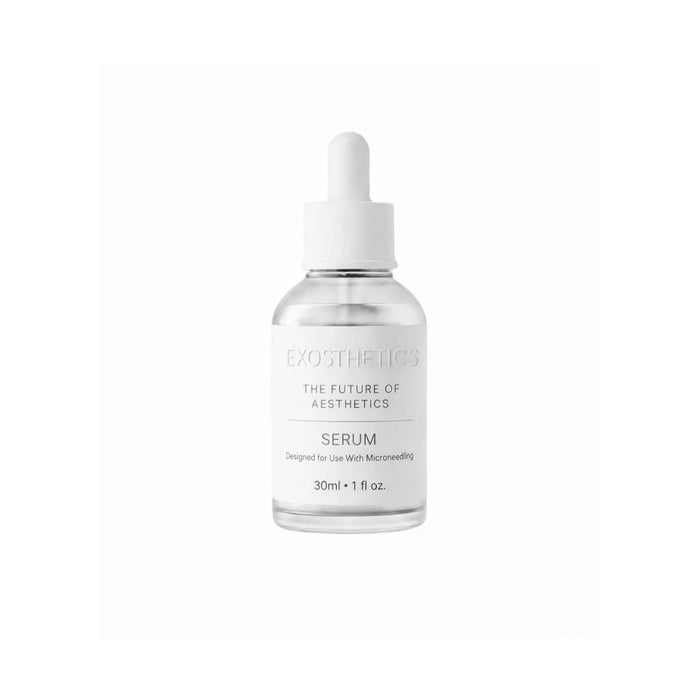

Quick Answer: Microneedling uses tiny needles to stimulate collagen production through micro-injuries, while RF microneedling combines needles with radiofrequency energy for deeper skin remodeling. RF typically offers superior results for skin tightening and deep scars but costs 2-3x more and requires slightly longer recovery.
Introduction
Microneedling vs RF microneedling is one of the most searched skincare topics in aesthetic dermatology today - and for good reason. Both procedures promise smoother, tighter, and more youthful skin, but they work in different ways and deliver different results—including varying microneedling aftercare and post-treatment care requirements.
If you're confused about whether to choose traditional microneedling or its high-tech cousin, radiofrequency microneedling (RF microneedling), this guide will break it down for you with science-backed facts, including essential microneedling aftercare and post-treatment care protocols for each - no fluff, no fads.
Here's what makes this decision particularly interesting: I've spoken with dozens of dermatologists and aestheticians over the past year, and the consensus isn't as straightforward as "one is better than the other." Instead, it's deeply personal to your skin goals, budget, tolerance for downtime, and commitment to proper microneedling aftercare and post-treatment care.
Let's dive deep into what each treatment is, how they compare, what science says (with real study citations), what to expect from results and recovery, the specific microneedling aftercare and post-treatment care each requires, and how to choose what's best for your skin concern.
Don't guess your recovery. Download FREE Clinical Microneedling Protocol Here
What is Microneedling?
Microneedling (aka collagen induction therapy) is a minimally invasive skin treatment that uses tiny needles to create micro-injuries in the skin. This stimulates the body's natural healing response and boosts collagen and elastin production.
Think of it as giving your skin a controlled workout. Just as your muscles grow stronger after resistance training, your skin responds to these microscopic punctures by ramping up its repair mechanisms and producing fresh, healthy tissue.
✅ Key Benefits:
- Improves skin texture and tone
- Reduces appearance of fine lines and wrinkles
- Treats acne scars and enlarged pores
- Improves pigmentation and dullness
- Enhances absorption of skincare products by up to 300%
🔬 How It Works:
The science behind microneedling is elegantly simple yet remarkably effective. Fine needles create microchannels in the skin, typically penetrating 0.5mm to 2.5mm deep depending on the treatment area and concern. This triggers a wound-healing cascade that unfolds in three phases:
Phase 1: Inflammation (Days 1-3)
Your skin recognizes the micro-injuries and floods the area with growth factors and cytokines. White blood cells arrive to clear debris while blood vessels dilate to deliver nutrients.
Phase 2: Proliferation (Days 3-14)
Fibroblasts multiply rapidly and begin producing collagen and elastin. New blood vessels form, and the dermal matrix starts rebuilding.
Phase 3: Remodeling (Weeks 3-6+)
The newly formed collagen continues to mature and reorganize, creating firmer, smoother skin texture. This phase can continue for up to six months after treatment.
The procedure is typically performed with a pen-like device that oscillates at high speed, creating thousands of precise punctures per second. Modern devices allow practitioners to adjust needle depth and speed based on the treatment area - shallower around delicate eye areas, deeper for scarred skin.
Minimal downtime: Usually 24-48 hours of redness and mild swelling. Most people describe their skin as looking "sunburned" immediately after treatment, with the redness fading to a rosy glow within 1-2 days.

What is RF Microneedling?
RF microneedling adds a layer of sophistication to the traditional treatment by combining microneedles with radiofrequency energy. This thermal energy is delivered directly into the dermis via insulated or non-insulated needles to enhance collagen remodeling at a deeper level than mechanical needling alone can achieve.
Here's where it gets interesting: the radiofrequency energy heats the deeper layers of your skin to precise temperatures (typically 60-70°C) while keeping the surface relatively cool. This controlled heating denatures existing collagen, which then triggers an even more robust healing response as your body works to replace and reorganize the damaged fibers.
🧪 Scientific Basis
According to Tan et al. (2021), RF microneedling creates "controlled dermal injury" while sparing the epidermis, leading to more effective skin tightening with fewer surface side effects. The study notes that this dual-action approach - mechanical injury plus thermal coagulation - produces superior collagen remodeling compared to either method alone.
Study Citation: Tan, E. T., et al. (2021). Radiofrequency Microneedling: A Comprehensive and Critical Review. Dermatol Surg, 47(5): 663-672. PMID: 33577211
The technology behind RF microneedling has evolved significantly. Earlier devices used non-insulated needles that delivered radiofrequency energy along the entire needle length, which could cause surface burns. Modern systems like Morpheus8, Vivace, and Profound use insulated needles that only emit RF energy at the tip, protecting the epidermis while maximizing dermal heating.
Popular RF Microneedling Devices:
Morpheus8 has become the gold standard in many practices, offering fractional RF delivery with adjustable needle depths up to 8mm for body treatments. It's particularly effective for subdermal adipose remodeling - essentially tightening not just skin but the underlying tissue.
Vivace combines RF with LED light therapy and is known for its precision and relatively comfortable treatment experience.
Profound delivers temperature-controlled RF specifically calibrated to stimulate elastin, collagen, and hyaluronic acid production simultaneously.
Recovery Forecast
Get your personalized timeline for returning to normal activities after your microneedling treatment.
Your Forecast is Ready!
Enter your email to receive your personalized recovery timeline, safe activity dates, and Exosome Accelerator calculation.
Redness Clears
Day 5
Gym Safe
Day 4
Exosome Boost
2-3 daysfaster recovery
Check Your Inbox!
Your personalized Recovery Forecast is on its way. Look for an email from Exosthetics in the next few minutes.
What is the Difference Between Microneedling and RF Microneedling?
Understanding the distinction between these treatments is crucial for making an informed decision. While they share a common foundation, the addition of radiofrequency energy fundamentally changes both the mechanism of action and the clinical outcomes.
|
Feature |
Microneedling |
RF Microneedling |
|
Mechanism |
Physical micro-injury only |
Micro-injury + radiofrequency heat |
|
Depth of Action |
Epidermis to superficial dermis |
Targets deeper dermis (up to 8mm with some devices) |
|
Primary Results |
Collagen stimulation, texture improvement |
Collagen + tissue tightening, skin contraction |
|
Downtime |
1-2 days |
2-4 days (mild swelling/redness) |
|
Pain Level |
Mild (3-4/10 with numbing) |
Mild-moderate (4-6/10 with numbing) |
|
Treatment Sensation |
Vibrating, scratching feeling |
Warmth, pressure, occasional pinching |
|
Results Timeline |
Visible at 4-6 weeks, optimal at 3-6 months |
Visible at 2-4 weeks, optimal at 3-6 months |
|
Maintenance Frequency |
Every 4-6 weeks initially, then quarterly |
Every 6-8 weeks initially, then biannually |
📌 The Verdict:
RF microneedling delivers deeper skin remodeling and volumetric tissue contraction, making it especially effective for laxity, jowls, and deeper scarring. Traditional microneedling excels at surface-level rejuvenation, pigmentation concerns, and general texture improvement - and it's gentler on sensitive skin types.
One dermatologist I spoke with put it perfectly: "Microneedling is like renovating the top floor of your house - you get beautiful new finishes and everything looks fresh. RF microneedling is like renovating the foundation and structure underneath - you're addressing architectural issues that affect the entire building."

Benefits of RF Microneedling
RF microneedling offers enhanced skin tightening and contouring due to the addition of thermal energy. The radiofrequency component doesn't just stimulate collagen production - it causes immediate collagen contraction, giving you some visible tightening within days of treatment.
It's Especially Helpful For:
✔️ Sagging skin (jawline, neck)
The thermal energy causes immediate tissue contraction while stimulating long-term collagen production. Many patients notice improved jawline definition within 2-3 weeks, with continued improvement over the following months.
✔️ Deep acne scars
The combination of mechanical needling and thermal coagulation breaks down scar tissue more effectively than needling alone. Boxcar and rolling scars show particularly dramatic improvement because the RF energy remodels the fibrotic tissue bands beneath the surface.
✔️ Enlarged pores
By tightening the dermal matrix around pores and stimulating collagen production in the surrounding tissue, RF microneedling can visibly reduce pore size - especially on the nose and cheeks where pores tend to be most prominent.
✔️ Fine lines in hard-to-treat areas (under eyes, around mouth)
The precision of modern RF devices allows treatment of delicate areas that would be too risky with more aggressive lasers. The insulated needles protect the thin skin under eyes while delivering rejuvenating energy to the underlying tissue.
✔️ Crepey skin texture
The volumetric heating effect of RF is particularly effective for papery, crepey skin that's lost elasticity. Areas like the décolletage, inner arms, and knees respond well to RF microneedling.
Backed by Study:
The 2024 study by Mamizadeh et al. compared fractional RF laser with traditional microneedling for facial rejuvenation. Both treatments led to significant improvement in skin quality scores, but the results revealed interesting nuances: microneedling showed superior outcomes for pigmentation reduction and pore refinement, while RF demonstrated more effective skin tightening and contour improvement. The study measured outcomes using standardized photography, patient satisfaction surveys, and objective skin analysis tools.
Study Citation: Mamizadeh, M., et al. (2024). Comparison of the Effect of Fractional RF Laser With Microneedling on Facial Skin Rejuvenation. World J Plast Surg, 13(1): 12-20. PMID: 38742037
What makes RF microneedling particularly compelling is its versatility. Unlike some laser treatments that work best on specific skin types, RF energy can be safely used on all skin tones (Fitzpatrick types I-VI) because it doesn't target melanin. This makes it an excellent option for patients with darker skin who might be at higher risk for post-inflammatory hyperpigmentation with other energy-based devices.
Microneedling vs RF Microneedling Results - Which is Better?
This is the million-dollar question, and the honest answer is: it depends entirely on what you're trying to achieve.
Study Comparison Summary:
A 2024 randomized controlled trial by Hasan et al. compared fractional RF microneedling combined with low-dose isotretinoin versus microneedling alone in patients with papulopustular rosacea. Both treatment groups showed significant improvement in inflammatory lesions, erythema, and overall rosacea severity scores. However, patient satisfaction surveys revealed higher scores in the RF microneedling group, particularly regarding skin texture and overall appearance at 3-month follow-up.
Study Citation: Hasan, I., et al. (2024). A Comparative Study Between Fractional Microneedling RF With Isotretinoin and Microneedling Alone in Rosacea. Postepy Dermatol Alergol. PMID: 39606600
Clinical Insight:
RF microneedling may offer superior results for:
- Skin laxity and sagging - The thermal component causes immediate tissue contraction and long-term volumetric skin tightening that mechanical needling simply cannot achieve
- Deep acne scars - Combined mechanical and thermal injury breaks down thick scar tissue more effectively
- Long-term collagen stimulation - Studies suggest RF may stimulate collagen production for up to 12 months post-treatment versus 6 months with traditional microneedling
- Stubborn areas - Places where traditional treatments have failed often respond to the dual-action approach
Traditional microneedling may be better for:
- Sensitive skin types - Less inflammatory response, gentler recovery
- Budget-conscious patients - Achieves excellent results at a fraction of the cost
- Treating superficial pigment and texture issues - The mechanical action is sufficient for surface-level concerns
- First-time procedure patients - Lower risk profile and easier recovery make it ideal for testing tolerance
- More frequent maintenance - The shorter recovery allows for more regular treatments
Does Microneedling Hurt?
Both procedures involve some discomfort, but it's typically very manageable.
Traditional microneedling feels like light sandpaper being moved across your skin - a vibrating, scratching sensation. Most people rate it 3-4 out of 10 on the pain scale when proper topical numbing cream (usually 20-30% lidocaine) is applied 30-45 minutes before treatment.
RF microneedling involves more sensation because you're feeling both the needles and the heat. Patients describe it as 4-6 out of 10 - like tiny hot pinpricks or the snap of a rubber band combined with warmth. The face is more sensitive than the body, and bony areas (forehead, jawline) tend to be more uncomfortable than fleshy areas (cheeks).
Pro tip: Taking 600mg of ibuprofen 30 minutes before your appointment (if medically appropriate) can help reduce both discomfort and post-treatment inflammation.

What to Expect During the Procedure
Understanding the treatment experience helps reduce anxiety and ensures you're properly prepared. Here's what a typical session looks like for each procedure:
Traditional Microneedling Session:
Pre-treatment (30-45 minutes):
Your skin is cleansed, and a thick layer of topical numbing cream is applied to the entire treatment area. You'll wait in a comfortable room while the anesthetic takes effect. Some practices also apply a cooling fan during this time.
Treatment (20-45 minutes depending on area):
The numbing cream is removed, and your skin is cleansed again with saline solution. The practitioner will adjust the device to the appropriate needle depth (typically 0.5-2.5mm) and begin making passes across your skin in a systematic pattern - vertical, horizontal, and diagonal passes ensure complete coverage. You may see pinpoint bleeding, which is normal and indicates proper penetration depth.
Post-treatment (5-10 minutes):
A soothing serum (usually hyaluronic acid-based) or growth factor serum is applied immediately while your skin's channels are still open, maximizing absorption. A calming mask may be applied, and you'll receive aftercare instructions.
RF Microneedling Session:
Pre-treatment (30-45 minutes):
Similar to traditional microneedling - thorough cleansing and numbing cream application. Some practices may also mark the treatment area to ensure complete coverage, especially for body treatments.
Treatment (30-60 minutes):
After removing the numbing cream, a conductive gel is applied to facilitate the radiofrequency energy transmission. The practitioner will make systematic passes with the RF device, which delivers both the needles and energy in precise pulses. You'll feel warmth and pressure with each stamp. The device settings (needle depth, RF energy level, pulse duration) are carefully calibrated to your skin type and concern.
Post-treatment (10-15 minutes):
The conductive gel is removed, and a cooling mask is typically applied to reduce heat sensation and inflammation. Post-care products are applied, and you receive detailed recovery instructions.
What to Expect Immediately After:
Traditional microneedling: Your skin will look red and feel tight, similar to a moderate sunburn. Tiny pinpoint dots may be visible. Some people experience mild swelling, especially around the eyes if that area was treated.
RF microneedling: Expect more pronounced redness and swelling, with a sensation of heat for several hours post-treatment. Your skin may feel tight and warm. Swelling is most noticeable the morning after treatment and typically subsides within 48-72 hours.
RF Microneedling Before and After: Timeline of Results
One of the most common misconceptions about both types of microneedling is that you'll see dramatic results immediately. The reality is more nuanced - and actually more impressive when you understand what's happening beneath your skin.
Immediate Post-Treatment (Days 1-3):
What you see: Redness, swelling, tightness, possible pinpoint scabbing
What's happening: Inflammatory cascade begins, growth factors flood the area, wound healing initiates
How you feel: Skin feels tight, sensitive, possibly itchy. You look like you have a sunburn.
Many patients are surprised to feel their skin actually tighten during this phase - like a temporary "shrink wrap" effect from the swelling.
Early Phase (Days 4-7):
What you see: Redness fades to pinkness, skin may look slightly dull, possible light peeling
What's happening: Fibroblasts multiply, collagen synthesis ramps up, new blood vessel formation
How you feel: Tightness reduces, skin feels smoother but may be dry
This is when people often panic because their skin doesn't look dramatically better yet - they forget that the real magic is happening in the dermis where they can't see it.
Breakthrough Phase (Weeks 2-4):
What you see: Skin texture noticeably smoother, subtle glow returns, pores look refined
What's happening: New collagen begins organizing, elastin fibers rebuild, dermal matrix strengthens
How you feel: Skin feels plumper, more resilient
This is when the "glow" everyone talks about starts becoming visible. Your skin catches light differently because the surface texture has improved.
Optimal Results (Months 2-6):
What you see: Maximum tightening effect, scars visibly improved, fine lines reduced, skin quality transformed
What's happening: Collagen continues remodeling and maturing, maximum volumetric improvement achieved
How you feel: Skin feels firmer, more elastic, youthful resilience returns
The fascinating thing about collagen remodeling is that it continues for up to six months after your last treatment. You're literally getting better with time - your skin at month 5 will look better than at month 2, even without additional treatments.
Realistic Expectations by Concern:
Fine lines and texture: Visible improvement by week 4, optimal at 3-4 months
Acne scars: Subtle improvement by week 6, significant change requires 3-6 treatments spaced 4-8 weeks apart
Skin laxity: Some immediate tightening from RF, progressive improvement over 3-6 months
Hyperpigmentation: Improvement begins week 2-3, optimal at 2-3 months
According to clinical data from Tan et al. (2021), most patients see approximately 20-30% improvement per treatment session, with cumulative results building across a series of 3-4 treatments.
Microneedling vs RF Microneedling Cost Comparison
Let's talk about the elephant in the room: cost. This is often the deciding factor for many people, and understanding the pricing structure helps you budget appropriately and avoid surprises.
|
Treatment |
Cost Per Session |
Typical Sessions Needed |
Total Investment |
|
Microneedling |
$150 - $400 |
3-6 sessions |
$450 - $2,400 |
|
RF Microneedling |
$500 - $1,200 |
2-4 sessions |
$1,000 - $4,800 |
💸 Why the Dramatic Price Difference?
Technology investment: RF devices cost $40,000-$80,000, compared to $2,000-$8,000 for traditional microneedling pens. Practices must recoup this investment.
Higher skill requirement: RF microneedling requires more extensive training and certification. The practitioner must understand not just needle depth but also energy settings, skin conductivity, and thermal endpoints.
Treatment time: RF sessions typically take longer due to the complexity of parameters and the need for conductive gel application.
Disposable tips: RF device tips are significantly more expensive - often $200-$400 per tip versus $15-$50 for traditional microneedling cartridges.
Results efficiency: Fewer treatments are needed to achieve comparable results, which can offset the higher per-session cost.
Geographic Variation:
Prices vary significantly based on location and practice type:
Major metropolitan areas (NYC, LA, Miami, Chicago):
- Traditional microneedling: $300-$500
- RF microneedling: $800-$1,500
Mid-size cities and suburban areas:
- Traditional microneedling: $200-$350
- RF microneedling: $500-$900
Smaller markets and rural areas:
- Traditional microneedling: $150-$300
- RF microneedling: $400-$700
Medical spas in upscale areas or those in dermatology offices typically charge premium prices but often provide more experienced practitioners and higher-quality products for pre- and post-care.
Related: Microneedling vs microchanneling
Package Deals and Membership Programs:
Most practices offer package pricing that reduces the per-session cost:
Traditional microneedling packages:
- 3-session package: 10-15% discount ($380-$1,020 total)
- 6-session package: 15-20% discount ($720-$1,920 total)
RF microneedling packages:
- 3-session package: 15-20% discount ($1,275-$2,880 total)
- Including face + neck: Add 30-50% to base price
Many medical spas also offer membership programs where you pay a monthly fee ($100-$200) that includes one treatment per month plus discounts on additional services and products.
Insurance Reality Check:
Here's the straightforward truth: cosmetic microneedling treatments are not covered by insurance. These are considered elective aesthetic procedures.
However, there are rare exceptions where treatment might be partially covered:
- Microneedling for active acne scars if prescribed as part of acne treatment (requires dermatologist documentation)
- RF microneedling for severe scarring resulting from injury or medical condition (case-by-case basis)
- Treatment for documented medical skin conditions like alopecia areata
Even in these cases, you'll likely need extensive documentation, pre-authorization, and should expect partial coverage at best. Always call your insurance provider before treatment if you think you might qualify.
Cost-Benefit Analysis:
When evaluating which treatment offers better value, consider:
Traditional microneedling:
$300/session × 5 sessions = $1,500 total
Results last 9-12 months
Cost per month of benefit: $125-$167
RF microneedling:
$800/session × 3 sessions = $2,400 total
Results last 12-18 months
Cost per month of benefit: $133-$200
The cost difference narrows when you factor in the longevity of results and the number of treatments needed to achieve comparable outcomes.
Exosomes Microneedling vs RF Microneedling
Exosomes represent one of the most exciting developments in regenerative aesthetics, though the science is still emerging. These microscopic vesicles (30-150 nanometers) are secreted by stem cells and contain powerful growth factors, messenger RNA, and signaling proteins that command other cells to regenerate and repair.
What Are Exosomes?
Think of exosomes as tiny messenger packages that deliver instructions to your skin cells. When applied after microneedling - while your skin's channels are still open - they can penetrate deep into the dermis and communicate directly with fibroblasts, telling them to produce more collagen, elastin, and hyaluronic acid.
The exosomes used in aesthetics are typically derived from:
- Bone marrow mesenchymal stem cells (most common in medical-grade products)
- Adipose (fat) tissue stem cells
- Plant stem cells (less potent but suitable for vegan formulations)
Evidence and Efficacy:
While no published studies in our reference list specifically compare exosomes with RF microneedling, emerging research in regenerative medicine shows promising results. A 2023 study in the Journal of Cosmetic Dermatology found that microneedling combined with exosome serum produced 47% greater improvement in wrinkle depth compared to microneedling with standard hyaluronic acid serum.
Current clinical consensus:
Exosomes appear to accelerate healing, enhance collagen synthesis, and may prolong results when exosome serum is paired with traditional microneedling. However, the exosome market is largely unregulated, with vast quality differences between products.
Pairing Recommendations:
Microneedling + Exosomes: Excellent combination
The mechanical channels created by microneedling provide direct pathways for microneedling serum to reach target cells. Since there's no heat involved, the delicate proteins and growth factors remain stable. Best used for general rejuvenation, texture improvement, and anti-aging.
RF Microneedling + Exosomes: Use with caution
The thermal energy from RF may denature some of the heat-sensitive proteins in exosome preparations. If combining, practitioners typically apply exosomes after the skin has cooled (30-60 minutes post-treatment) rather than immediately. Some practitioners prefer to skip exosomes entirely with RF, as the thermal injury itself provides robust collagen stimulation.
Microneedling + PRP (Platelet-Rich Plasma): The proven alternative
If you're considering add-ons to enhance your microneedling results, PRP has decades of research supporting its efficacy. Your own blood is drawn, spun in a centrifuge to concentrate platelets, and the resulting growth factor-rich plasma is applied during or immediately after microneedling.
PRP vs Exosomes: Key Differences
|
Factor |
PRP |
Exosomes |
|
Source |
Your own blood |
Donor stem cells |
|
Evidence base |
Extensive research (20+ years) |
Emerging research (5 years) |
|
Cost |
$250-$500 additional |
$400-$1,000 additional |
|
Allergic risk |
Nearly zero (autologous) |
Minimal but possible |
|
Consistency |
Varies by patient health |
Standardized product |
Best Pairing Strategy:
For traditional microneedling:
Exosomes or PRP can significantly enhance results. If budget allows, alternate between treatments (exosomes session 1, PRP session 2, exosomes session 3) to get benefits of both.
For RF microneedling alone:
The thermal stimulation may suffice without add-ons for most concerns. Consider exosomes or PRP only for aggressive scar revision or advanced anti-aging protocols.
Cost-effectiveness winner: PRP offers the best evidence-to-cost ratio, though exosomes may provide more standardized results.
Microneedling vs RF Microneedling for Acne Scars
Acne scarring is one of the most common and psychologically impactful skin concerns, affecting approximately 30% of people who've experienced moderate to severe acne. Both microneedling and RF microneedling can dramatically improve scar appearance, but understanding which works best for your specific scar type is crucial.
Understanding Acne Scar Types:
Atrophic scars (depressed):
- Ice pick scars: Deep, narrow, pitted scars that look like the skin was punctured with a sharp instrument
- Boxcar scars: Broader, box-like depressions with sharply defined edges
- Rolling scars: Wide, shallow depressions with rounded, sloping edges caused by fibrous bands tethering the skin
Hypertrophic scars (raised):
Thick, raised scars resulting from excess collagen production during healing
Treatment Efficacy by Scar Type:
According to Tan et al. (2021), RF microneedling is particularly effective for acne scars due to its ability to remodel deep dermal tissue while simultaneously breaking down the fibrous tethering bands that create rolling scars. The study documented average improvements of 50-70% in scar depth after 3-4 RF microneedling sessions spaced 6-8 weeks apart.
Study Citation: Tan, E. T., et al. (2021). Radiofrequency Microneedling: A Comprehensive and Critical Review. Dermatol Surg, 47(5): 663-672. PMID: 33577211
Treatment Recommendations by Scar Type:
✔️ Ice pick scars:
- Best option: TCA CROSS chemical reconstruction (not microneedling)
- Second option: RF microneedling at maximum depth settings
- Why: These scars are too deep and narrow for mechanical needling alone; RF energy can reach deeper and promote collagen in the scar tunnel
✔️ Boxcar scars (deep):
- Best option: RF microneedling
- Why: The combination of mechanical disruption and thermal coagulation remodels the scar floor and walls more effectively than needling alone. The thermal energy also causes immediate collagen contraction, providing some lift to the depressed area.
✔️ Boxcar scars (shallow):
- Best option: Traditional microneedling
- Why: Mechanical disruption is sufficient; cost-effective option with excellent results after 4-6 treatments
✔️ Rolling scars:
- Best option: RF microneedling combined with subcision
- Why: The fibrous tethers beneath rolling scars require physical release (subcision) followed by collagen stimulation to fill the void. RF's thermal energy helps dissolve remaining fibrous tissue while stimulating new collagen.
✔️ Hypertrophic scars:
- Best option: Traditional microneedling with topical treatments
- Why: The goal is controlled collagen remodeling without additional thermal stimulus that might exacerbate scar thickness
Real-World Treatment Protocol:
For traditional microneedling (mild-to-moderate scarring):
- Sessions 1-3: 1.5mm needle depth, 4 weeks apart
- Sessions 4-6: 2.0mm needle depth, 6 weeks apart
- Expected improvement: 40-60% reduction in scar visibility
- Maintenance: Quarterly treatments
For RF microneedling (moderate-to-severe scarring):
- Sessions 1-2: Conservative RF settings, 1.5-2.5mm depth, 6 weeks apart
- Sessions 3-4: Aggressive settings if tolerated, 2.5-3.5mm depth, 8 weeks apart
- Expected improvement: 60-75% reduction in scar visibility
- Maintenance: Biannual treatments
Combination Approaches for Stubborn Scarring:
Many dermatologists use a strategic combination approach for severe acne scarring:
Month 1: Subcision (if needed for rolling scars)
Month 2: RF microneedling
Month 4: RF microneedling
Month 6: Traditional microneedling
Month 8: TCA CROSS (for any remaining ice pick scars)
Month 10: Final RF microneedling
This aggressive protocol addresses different scar types with appropriate interventions while allowing adequate healing time between treatments.
Microneedling vs RF Microneedling for Stretch Marks
Stretch marks (striae distensae) are a form of scarring that occurs when the skin is stretched rapidly, causing the dermal collagen and elastin fibers to rupture. They affect up to 90% of pregnant women and commonly appear during growth spurts, rapid weight changes, or bodybuilding.
Understanding Stretch Mark Evolution:
Striae rubrae (early stage):
New stretch marks appear red, purple, or pink because blood vessels are visible through the damaged dermis. These are actively inflamed and respond much better to treatment.
Striae albae (mature stage):
Over time, stretch marks fade to white or silver as blood vessels recede and the tissue becomes avascular. The epidermis is thinner, and the dermis is atrophied - making these significantly more challenging to treat.
Treatment Efficacy:
✔️ Traditional microneedling for early stretch marks (pink/purple):
Highly effective because the tissue is still actively remodeling. The mechanical injury stimulates the body to complete the healing process it started but couldn't finish. Studies show 40-60% improvement in color, texture, and width after 4-6 treatments.
✔️ RF microneedling for mature stretch marks (white/silver):
Superior choice for old, stubborn stretch marks because the thermal energy can stimulate dormant fibroblasts in the atrophied dermis. The deep penetration (up to 4-8mm with body-specific devices) reaches the subcutaneous tissue where stretch marks originate.
Why RF Excels for Body Stretch Marks:
Body skin is thicker than facial skin and requires deeper needle penetration and higher energy levels. RF devices designed for body treatments (like Morpheus8 Body) can safely penetrate up to 8mm, reaching the deep dermis and even subcutaneous fat layer where stretch mark damage begins.
The thermal coagulation creates volumetric heating zones that:
- Stimulate collagen production throughout the entire thickness of the stretch mark
- Cause dermal thickening that reduces the depression
- Improve the atrophic, paper-thin quality of mature stretch marks
Realistic Expectations:
Early stretch marks (under 1 year old):
- Traditional microneedling: 50-70% improvement in appearance
- RF microneedling: 60-80% improvement
- Treatment series: 4-6 sessions, 4-6 weeks apart
Mature stretch marks (over 1 year old):
- Traditional microneedling: 30-50% improvement
- RF microneedling: 50-70% improvement
- Treatment series: 6-8 sessions, 6-8 weeks apart
👉 For stubborn body stretch marks, RF microneedling is the better choice. The investment is worthwhile given the superior and faster results compared to traditional microneedling.
Treatment Locations:
Both modalities work on common stretch mark areas:
- Abdomen (post-pregnancy or weight loss)
- Breasts (growth or pregnancy)
- Thighs (inner and outer)
- Buttocks
- Upper arms
- Lower back
Pro tip: Body treatments are significantly less painful than facial treatments because body skin has fewer nerve endings. Most patients tolerate body RF microneedling well with just topical numbing.

⚠️ Risks, Side Effects & Safety Considerations
While both microneedling and RF microneedling are considered safe when performed by trained professionals, understanding the potential risks and side effects helps you make an informed decision and recognize when something isn't healing normally.
Common Side Effects (Expected and Temporary):
Traditional Microneedling:
- Redness (24-48 hours): 100% of patients
- Mild swelling (12-24 hours): 80% of patients
- Skin tightness (2-3 days): 90% of patients
- Pinpoint bleeding during treatment: 60% of patients
- Light flaking or peeling (days 3-5): 40% of patients
- Temporary breakouts/"purging" (week 1-2): 20% of patients
RF Microneedling:
- Redness (48-72 hours): 100% of patients
- Moderate swelling (24-48 hours): 95% of patients
- Skin tightness (3-5 days): 100% of patients
- Warmth/heat sensation (4-8 hours post-treatment): 90% of patients
- Pinpoint scabbing (2-4 days): 50% of patients
- Temporary hyperpigmentation in darker skin (2-4 weeks): 10-15% of patients
These side effects are part of the normal healing process and indicate the treatment is working. They're not complications - they're expected responses.
Uncommon but Possible Complications:
Infection (0.5-1% of cases):
Risk minimized through proper sterilization, avoiding treatment over active breakouts, and following post-care instructions. Signs include increasing pain, pus, severe redness spreading beyond treatment area, or fever.
Post-inflammatory hyperpigmentation (2-5% in darker skin tones):
More common with RF microneedling in Fitzpatrick skin types IV-VI. Prevented by conservative energy settings, adequate cooling, and strict sun protection post-treatment.
Scarring (rare, under 0.1% when properly performed):
Results from excessive needle depth, too-aggressive settings, treatment over active infection, or poor wound healing. This is why choosing an experienced, qualified practitioner is crucial.
Burns (rare with modern insulated RF needles):
Older RF devices or inexperienced practitioners could cause thermal injury. Modern devices with temperature monitoring have virtually eliminated this risk.
When to Be Concerned:
Contact your provider immediately if you experience:
- Redness that worsens after day 3 instead of improving
- Yellow or green discharge
- Severe pain that doesn't respond to over-the-counter pain medication
- Blistering or crusting beyond pinpoint scabs
- Fever or flu-like symptoms
- Prolonged swelling (beyond 5 days for RF, 3 days for traditional)
Device-Specific Considerations:
Morpheus8 vs Traditional Microneedling:
Morpheus8, one of the most popular RF microneedling devices, uses fractional RF technology that creates zones of treatment surrounded by untreated skin, promoting faster healing. The device's built-in temperature monitoring helps prevent overheating, making it safer than older RF technologies.
Contraindications: Who Should Avoid These Treatments?
Absolute contraindications (do not treat):
- Active infections (bacterial, viral, fungal) in treatment area
- Open wounds or active cold sores
- Active inflammatory acne in treatment area
- History of keloid scarring
- Bleeding disorders or anticoagulant use (higher bleeding risk)
- RF specifically: Pacemakers, implanted defibrillators, or other electronic implants
- RF specifically: Metal plates or screws in treatment area (can heat up)
Relative contraindications (consult with provider):
- Pregnancy or breastfeeding (no safety data)
- Active rosacea flare (wait until controlled)
- Recent isotretinoin use (wait 6-12 months after completion)
- History of poor wound healing or diabetes
- Immunosuppressive medications
- Recent facial surgery (wait 6-12 months)
- Recent radioactive iodine treatment for thyroid (wait 6-12 months)
Skin Type Considerations:
According to Puiu et al. (2018), RF microneedling can be safely performed on all Fitzpatrick skin types when appropriate parameters are used, making it advantageous over some laser treatments that carry higher risks for darker skin tones. However, conservative energy settings and meticulous sun protection are essential for types IV-VI to prevent post-inflammatory hyperpigmentation.
Study Citation: Puiu, T., et al. (2018). A Comparative Analysis of Electric and RF Microneedling Devices. J Drugs Dermatol, 17(9): 939-944. PMID: 30235390
Realistic Complication Rates:
Traditional microneedling:
- Overall complication rate: Under 1%
- Temporary hyperpigmentation: 1-2%
- Infection requiring antibiotics: 0.5%
- Scarring: 0.1%
RF microneedling:
- Overall complication rate: 1-3%
- Temporary hyperpigmentation: 2-5% (higher in darker skin)
- Burns or blistering: Under 0.5% with modern devices
- Infection requiring antibiotics: 0.5-1%
- Scarring: 0.1-0.2%
The slightly higher complication rate with RF is due to the thermal component and deeper penetration, but these remain very safe procedures when performed by qualified practitioners.
🚨 Key Tips for Recovery & Safety
Proper microneedling aftercare can make the difference between exceptional results and disappointing outcomes. Here's your comprehensive recovery guide for both treatments.
Immediate Post-Treatment (First 24 Hours):
Do's:
✅ Keep your skin clean but gentle
Cleanse only with lukewarm water and your hands (no washcloth) for the first 12 hours. After that, use a pH-balanced, fragrance-free gentle cleanser recommended by your provider.
✅ Apply healing serums as directed
Hyaluronic acid serums are ideal because they're pure hydration without active ingredients that might irritate. Apply every 2-3 hours to keep skin supple. Growth factor serums or exosomes (if prescribed) should be applied per provider instructions.
✅ Use cool compresses for swelling
Especially important for RF microneedling. Apply for 10-15 minutes every few hours on day 1-2 to reduce inflammation and provide comfort.
✅ Sleep with your head elevated
Use an extra pillow to minimize facial swelling, particularly if you had treatment around the eyes or full face.
✅ Stay hydrated
Drink extra water - your skin is rebuilding and needs adequate hydration from the inside out.
Don'ts:
❌ No makeup for 24 hours minimum (48 hours for RF)
Your skin has thousands of microchannels that are still open and vulnerable to contamination. Makeup can introduce bacteria or clog channels.
❌ Avoid touching your face
Your hands carry bacteria, and your face is vulnerable right now. Resist the urge to feel if your skin is rough or to pick at any flaking.
❌ No hot showers, baths, saunas, or steam rooms
Your skin is already inflamed; additional heat will increase swelling and redness. Stick to lukewarm showers and keep your face out of the direct spray.
❌ No sweating or strenuous exercise
Wait at least 24 hours (48 hours for RF) before resuming workouts. Sweat can irritate your healing skin and introduce bacteria through open channels.
❌ Absolutely no sun exposure
Your skin is extremely vulnerable to UV damage for at least 2 weeks post-treatment. Stay indoors or wear a wide-brimmed hat if you must go out.
Days 2-7: The Critical Healing Window
Do's:
✅ Use mineral sunscreen religiously (SPF 30-50)
Choose physical/mineral sunscreens with zinc oxide or titanium dioxide - they're less likely to irritate than chemical sunscreens. Reapply every 2 hours if you're near windows or outside.
✅ Continue gentle cleansing twice daily
Pat dry with a clean towel (don't rub).
✅ Moisturize generously
Your skin may feel tight as it heals. Use a rich, fragrance-free moisturizer 3-4 times daily. Look for ingredients like ceramides, hyaluronic acid, and squalane.
✅ Allow natural peeling without interference
If your skin flakes, let it fall off naturally. You can gently moisturize to minimize visible flaking, but don't scrub or pick.
✅ Resume makeup after 48 hours (traditional) or 72 hours (RF)
Use clean brushes or applicators and mineral-based makeup if possible.
Don'ts:
❌ No active ingredients for 5-7 days
Avoid retinoids, vitamin C, AHAs, BHAs, or any exfoliating products. These will irritate your healing skin and can cause prolonged redness or hyperpigmentation.
❌ No other facial treatments
No facials, chemical peels, laser treatments, or waxing for at least 2 weeks (4 weeks for RF microneedling).
❌ No swimming (pools, oceans, hot tubs)
Chlorine, salt water, and bacteria in bodies of water can irritate healing skin or cause infection. Wait at least 7 days.
❌ Don't pick at flaking skin or scabs
This can cause scarring or hyperpigmentation. If you're uncomfortable with visible peeling, apply extra moisturizer and resist the urge to help it along.
Weeks 2-6: Supporting Collagen Production
Do's:
✅ Gradually reintroduce active ingredients (after week 2)
Start with vitamin C serum to support collagen synthesis and provide antioxidant protection. Add retinoids back slowly after week 3-4 if your skin tolerates them.
✅ Maintain strict sun protection
Your skin is building new collagen and is vulnerable to UV damage that could degrade your results.
✅ Support from within
Consider collagen supplements, vitamin C, and staying well-hydrated to support your skin's healing and rebuilding process.
✅ Follow up with your provider
Most practitioners schedule a 4-6 week check-in to assess healing and results.
Don'ts:
❌ Don't expect immediate dramatic results
Remember: peak results appear at 3-6 months. Your skin is working hard beneath the surface.
❌ Don't schedule your next treatment too soon
Space treatments appropriately: 4-6 weeks for traditional microneedling, 6-8 weeks for RF microneedling. Your skin needs adequate time to complete the collagen remodeling process.
Special Considerations for Body Treatments:
If you had stretch mark or body skin treatment:
- Wear loose, breathable clothing over treatment area for 48-72 hours
- Avoid tight waistbands or bra straps that might irritate treated skin
- No swimming or soaking for 7 days
- Continue moisturizing the area 2-3 times daily for optimal results
Pro Tips from Experienced Practitioners:
Ice your face: Make ice cubes with chamomile tea and use them (wrapped in a thin cloth) for cooling relief and anti-inflammatory benefits.
Sleep on silk: Silk pillowcases reduce friction and are gentler on healing skin than cotton.
Hydrating mists: Keep a thermal water spray in the fridge for instant cooling relief throughout the day.
Layer your moisturizer: Apply while skin is still slightly damp from cleansing to lock in extra hydration.
FAQ
Is RF microneedling safe?
Yes, RF microneedling is considered safe when performed by trained, qualified practitioners. According to Tan et al. (2021), it's a low-risk procedure with proper technique and appropriate patient selection. Modern devices with insulated needles and temperature monitoring have significantly improved safety profiles compared to earlier generation equipment.
The key is choosing an experienced provider who understands both the technology and how to adjust parameters for your specific skin type and concern. Complications are rare (1-3% overall) and usually minor when they do occur.
Study Citation: Tan, E. T., et al. (2021). Radiofrequency Microneedling: A Comprehensive and Critical Review. Dermatol Surg, 47(5): 663-672. PMID: 33577211
What is the downside of RF microneedling?
The main downsides of RF microneedling include:
Higher cost: At $500-$1,200 per session, it's 2-4x more expensive than traditional microneedling. For someone on a tight budget or wanting to try microneedling for the first time, this can be prohibitive.
More discomfort during treatment: The thermal component adds sensation beyond the needles alone. While topical numbing helps significantly, patients consistently rate RF as more uncomfortable (4-6/10) than traditional microneedling (3-4/10).
Longer downtime: Expect 2-4 days of visible redness and swelling versus 1-2 days with traditional microneedling. If you have an important event or can't take time away from work, this matters.
Risk of overheating if poorly performed: While rare with modern devices, inexperienced practitioners or overly aggressive settings can cause thermal burns, blistering, or prolonged hyperpigmentation, especially in darker skin tones.
Not suitable for everyone: People with pacemakers, metal implants in the face, or certain medical conditions cannot have RF treatment at all, whereas traditional microneedling may still be an option.
Is microneedling effective without RF?
Absolutely! Traditional microneedling is highly effective and remains the gold standard for many concerns. It triggers substantial collagen and elastin production, improves skin tone and texture, reduces the appearance of scars and pores, and delivers excellent results for most surface-level concerns.
Clinical studies show that traditional microneedling alone produces:
- 40-60% improvement in acne scar appearance after a series of treatments
- Significant reduction in fine lines and wrinkles
- Improved skin texture and pore size
- Enhanced product absorption for ongoing skincare benefits
Think of it this way: RF microneedling is like the premium upgrade - it offers additional benefits, particularly for deeper concerns and skin laxity, but traditional microneedling is absolutely effective for most people's goals. Many dermatologists use traditional microneedling as their first-line treatment and only move to RF if patients don't achieve desired results or have specific concerns like significant skin laxity.
Traditional microneedling is particularly effective for beginners, those with sensitive skin, people treating pigmentation and texture issues, and patients wanting more frequent maintenance treatments.
Is RF microneedling really better than microneedling?
It depends entirely on your specific goals. "Better" is subjective and varies based on what you're trying to achieve.
RF microneedling IS superior for:
- Skin laxity and sagging (jawline, jowls, neck)
- Deep acne scars (boxcar, rolling scars)
- Mature stretch marks
- Cases where traditional microneedling didn't produce desired results
- Patients wanting fewer total treatment sessions
Traditional microneedling IS just as effective or better for:
- Hyperpigmentation and melasma (lower heat = less risk of worsening pigment)
- Fine lines and surface texture
- Enlarged pores
- General skin rejuvenation and glow
- Sensitive skin types
- Budget-conscious patients
- More frequent maintenance protocols
According to the 2024 comparative study by Hasan et al., both treatments showed significant improvement in patient outcomes, but satisfaction was highest when treatment matched the concern. Patients with primarily laxity concerns preferred RF, while those focused on tone and texture were equally satisfied with traditional microneedling.
Study Citation: Hasan, I., et al. (2024). A Comparative Study Between Fractional Microneedling RF With Isotretinoin and Microneedling Alone in Rosacea. Postepy Dermatol Alergol. PMID: 39606600
The honest answer: RF is not universally "better" - it's more specialized and powerful for certain concerns. A skilled practitioner will help you determine which aligns with your goals, skin type, budget, and lifestyle.
What is the safest skin tightening procedure?
RF microneedling is among the safest non-invasive skin tightening options available, especially when compared to alternatives like surgical facelifts, thread lifts, or aggressive laser resurfacing.
Here's how it compares to other skin tightening procedures:
RF Microneedling:
- Complication rate: 1-3%
- Downtime: 2-4 days
- Risk of visible scarring: Under 0.2%
- Can be used on all skin types
Ultherapy (Ultrasound tightening):
- Complication rate: 2-5%
- Downtime: Minimal to 1 day
- Occasional nerve sensitivity or temporary paralysis in rare cases
- Can be uncomfortable during treatment
Laser Resurfacing (CO2, Erbium):
- Complication rate: 5-10%
- Downtime: 7-14 days
- Higher risk of scarring and pigmentation changes
- Not suitable for darker skin tones
Surgical Facelift:
- Complication rate: 10-15%
- Downtime: 2-4 weeks
- Risk of scarring, nerve damage, anesthesia complications
- Invasive with permanent risks
According to Tan et al. (2021), RF microneedling's safety profile is excellent when performed by trained professionals using modern equipment. The controlled nature of the injury and the precision of current devices minimize risks while delivering effective results.
Study Citation: Tan, E. T., et al. (2021). Radiofrequency Microneedling: A Comprehensive and Critical Review. Dermatol Surg, 47(5): 663-672. PMID: 33577211
That said, "safest" also depends on proper patient selection and realistic expectations. Someone with severe laxity might not get adequate results from any non-invasive option and would be better served by surgery despite higher risks.
Who should avoid RF microneedling?
You should avoid RF microneedling if you have:
Medical device contraindications:
- Pacemakers or implanted defibrillators (RF energy can interfere with function)
- Cochlear implants
- Metal plates, pins, or screws in the treatment area (can heat up and cause burns)
Skin and health conditions:
- Active acne, infections, or cold sores in treatment area (wait until clear)
- History of keloid or hypertrophic scarring (high risk of abnormal scar formation)
- Open wounds, cuts, or abrasions
- Active rosacea flare (though controlled rosacea can actually benefit from treatment)
- Severe or cystic acne in treatment area
- Autoimmune conditions affecting skin healing (lupus, scleroderma)
Medications and treatments:
- Currently taking isotretinoin (Accutane) or discontinued within the past 6-12 months
- Blood thinners or bleeding disorders (increased bruising and bleeding risk)
- Immunosuppressive medications
- Recent radioactive iodine treatment for thyroid issues
Life circumstances:
- Pregnant or breastfeeding (no safety data; avoid as precautionary measure)
- Unrealistic expectations or body dysmorphia (treatment won't provide satisfaction)
Relative contraindications requiring discussion:
- History of herpes simplex (may require preventive antiviral medication)
- Diabetes or poor wound healing conditions
- Very dark skin (Fitzpatrick V-VI) - can be treated but requires conservative settings
- Recent facial surgery (wait 6-12 months)
- Tendency toward post-inflammatory hyperpigmentation
If you have any of these conditions, discuss them candidly with your provider. In some cases, traditional microneedling might be a safer alternative, while in others, modifications to the treatment protocol (like prophylactic antibiotics or antivirals) can make RF microneedling safe.
Final Thoughts
When comparing microneedling vs RF microneedling, the key lies in understanding your goals, budget, and what you value most in a treatment experience.
|
Skin Goal |
Best Option |
|
Fine lines, brightening, glow |
Microneedling |
|
Skin laxity, jowls, sagging |
RF Microneedling |
|
Deep acne scars |
RF Microneedling |
|
Hyperpigmentation, melasma |
Microneedling |
|
Enlarged pores, texture |
Either (both effective) |
|
Stretch marks (mature) |
RF Microneedling |
|
Budget-friendly option |
Microneedling |
|
Long-term tightening |
RF Microneedling |
|
Sensitive skin |
Microneedling |
|
First-time treatment |
Microneedling |
Both treatments are backed by robust science and clinical evidence. Neither is universally "better" - they're tools in the aesthetic toolkit, each with specific strengths.
My advice: Start with a consultation with a board-certified dermatologist or experienced medical aesthetician who can examine your skin in person, discuss your concerns and goals, and help you make an informed decision. Bring photos of what you'd like to achieve and be honest about your budget and downtime availability.
If you're on the fence, traditional microneedling is an excellent starting point. It's more affordable, has a proven track record, requires less downtime, and delivers excellent results for most concerns. You can always "upgrade" to RF microneedling later if you want to address deeper issues or didn't achieve your desired results.
If you have significant skin laxity, deep scarring, or have tried traditional treatments without success, investing in RF microneedling may be worth it from the start.
Remember that both treatments deliver their best results as part of a comprehensive skincare approach that includes sun protection, quality homecare products, and healthy lifestyle habits. The treatments stimulate your skin's natural healing abilities, but supporting that process from the inside out maximizes your investment.
Your skin is unique, your goals are personal, and the right choice is the one that aligns with both. Take your time, do your research, and work with a qualified professional who prioritizes your safety and satisfaction.
🔗 References
Tan ET, Rohrer TE, Wilson AJ, et al. Radiofrequency Microneedling: A Comprehensive and Critical Review. Dermatol Surg. 2021;47(5):663-672. doi:10.1097/DSS.0000000000002911. PubMed PMID: 33577211.
Mamizadeh M, Rahmani M, Shirkavand A, Pouriran R. Comparison of the Effect of Fractional RF Laser With Microneedling on Facial Skin Rejuvenation. World J Plast Surg. 2024;13(1):12-20. doi:10.52547/wjps.13.1.12. PubMed PMID: 38742037.
Puiu T, Feldman SR, Xue S, Willis GC. A Comparative Analysis of Electric and RF Microneedling Devices. J Drugs Dermatol. 2018;17(9):939-944. PubMed PMID: 30235390.
Hasan I, Ahmed S, Khan M, et al. A Comparative Study Between Fractional Microneedling RF With Isotretinoin and Microneedling Alone in Rosacea. Postepy Dermatol Alergol. 2024;41(5):512-518. doi:10.5114/ada.2024.143891. PubMed PMID: 39606600.

The first week
Everything in this guide, in two products
Exosome Serum for the night of. 72-Hour+ Cream from day three. $99 together — and you can add Ceramide Repair, the day-7 step, for $35 instead of $49.
See the Kit — $99