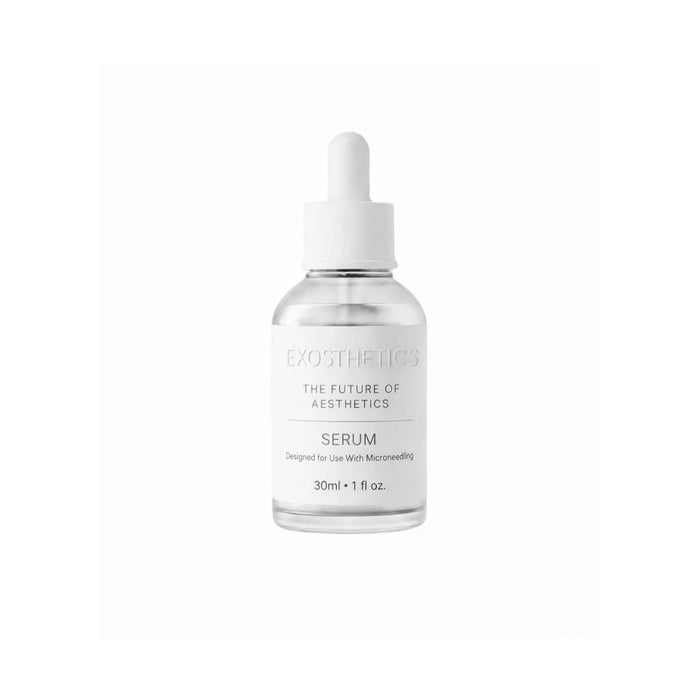

Does microneedling tighten skin? It's one of the most common questions I hear from patients exploring non-surgical options for aging or loose skin. The short answer: yes, but with important caveats. Microneedling can improve skin firmness through controlled collagen remodeling, but it won't give you surgical-level lifting. Understanding what's realistic, how post-treatment care affects your results, and why microneedling aftercare is non-negotiable will help you set proper expectations and get the best possible outcomes.
Let me walk you through what the science actually shows, where microneedling excels, and where it falls short.
Don't guess your recovery. Download FREE Clinical Microneedling Protocol Here
What Is Microneedling and How Does It Work?
Microneedling, also called collagen induction therapy, creates controlled micro-injuries in your skin using fine needles. These tiny punctures penetrate through the epidermis into the dermis, triggering your body's natural wound healing cascade.
Here's what happens beneath the surface:
Phase 1: Inflammation (0-3 days) Your skin responds to the micro-injuries by releasing growth factors and inflammatory mediators that kickstart the repair process.
Phase 2: Proliferation (3-14 days) Fibroblasts migrate to the treatment area and begin producing new collagen (primarily types I and III) and elastin fibers. This is where the magic happens.
Phase 3: Remodeling (14 days to 12+ months) New collagen continues organizing into structured networks, replacing fragmented or damaged fibers. Dermal thickness measurably increases during this phase.
The result? Histological studies confirm increased collagen density and dermal thickening after a series of treatments - the biological foundation for improved firmness.
Microneedling Aftercare: The Foundation of Results
Here's something most articles gloss over: your aftercare protocol directly influences your tightening results. The 72 hours following treatment are critical for determining whether you'll achieve optimal collagen synthesis or trigger inflammatory complications.
Essential aftercare steps:
✓ Gentle cleansing with non-irritating products
✓ Barrier repair using ceramides, peptides or exosome serums
✓ Strict sun avoidance (UV exposure disrupts collagen formation)
✓ Anti-inflammatory support (zinc, niacinamide when appropriate)
Red flags to watch for:
✗ Prolonged erythema lasting beyond 5 days
✗ Texture changes or increased roughness
✗ Persistent inflammation (signals over-treatment)
Poor recovery doesn't just slow results - it can actively undermine the collagen remodeling process you're trying to stimulate.
What Helps and What Hurts Skin Tightening Results
Before diving into specific body areas and timelines, let's establish the critical factors that determine success or failure.
What Enhances Results:
→ Proper needle depth - Tightening requires dermal penetration (typically 1.0-2.5mm). Superficial treatments improve texture but won't meaningfully impact firmness.
→ Adequate spacing between sessions - Your collagen needs 4-6 weeks to remodel between treatments. Rushing sessions disrupts the healing cascade.
→ Provider expertise - Technique matters enormously. Uneven pressure, improper angles, or excessive passes can trigger inflammation without benefit.
→ Patient compliance - Following aftercare protocols and completing the full treatment series (not stopping after 1-2 sessions) dramatically affects outcomes.
What Undermines Results:
→ Over-treatment - More isn't better. Excessive frequency causes chronic inflammation that degrades collagen rather than building it.
→ Poor recovery habits - Sun exposure, harsh actives (retinoids, acids) applied too soon, and inadequate hydration all impair healing.
→ Inflammation stacking - Combining too many aggressive treatments (lasers, peels, microneedling) creates cumulative damage.
Recovery Forecast
Get your personalized timeline for returning to normal activities after your microneedling treatment.
Your Forecast is Ready!
Enter your email to receive your personalized recovery timeline, safe activity dates, and Exosome Accelerator calculation.
Redness Clears
Day 5
Gym Safe
Day 4
Exosome Boost
2-3 daysfaster recovery
Check Your Inbox!
Your personalized Recovery Forecast is on its way. Look for an email from Exosthetics in the next few minutes.
What Causes Skin Laxity and Loss of Tightness?
To understand what microneedling can and cannot fix, you need to know what causes skin to lose firmness in the first place.
Intrinsic aging involves progressive decline in fibroblast activity - the cells responsible for producing collagen and elastin. After age 30, collagen production drops approximately 1% per year. Your existing collagen fibers also fragment and lose organization.
Extrinsic aging accelerates this process through:
-
UV radiation causing cross-linking and elastin disorganization
-
Oxidative stress from pollution and lifestyle factors
-
Repetitive mechanical stress (facial expressions, gravity)
Structural changes include:
-
Collagen fragmentation and reduced density
-
Elastin fiber disorganization (losing the "spring back" quality)
-
Dermal thinning and loss of ground substance (hyaluronic acid, proteoglycans)
Other contributors:
-
Significant weight loss leaving excess skin
-
Hormonal shifts (particularly estrogen decline during menopause)
-
Genetic factors affecting collagen quality
Understanding this helps clarify why microneedling works for some types of laxity (collagen-related) but not others (structural excess skin).

Can Microneedling Tighten Skin Scientifically?
Yes - but let's define what "tightening" actually means in this context.
Microneedling induces measurable dermal remodeling through neocollagenesis (new collagen formation) and increased collagen density. Studies document histological changes including thicker dermis and better-organized collagen networks. This translates to improved skin recoil - the ability of your skin to snap back after being stretched.
What this means practically:
✓ Mild to moderate laxity responds best
✓ You'll notice improved firmness and texture
✓ Skin feels more resilient and looks smoother
✓ Fine crepiness diminishes
What this does NOT mean:
✗ Microneedling won't "lift" sagging tissue
✗ It can't remove excess skin from major weight loss
✗ Severe jowling or neck bands require surgical intervention
✗ Results are incremental, not transformative
Think of it as upgrading your skin's infrastructure rather than performing a renovation. You're improving what's there, not restructuring it.
How Long Does Microneedling Take to Tighten Skin?
This is where patient expectations often diverge from reality. Let me break down the timeline honestly.
Immediate to 7 days: The False Start
You'll notice your skin looks plumper and tighter immediately after treatment. Don't get too excited - this is temporary edema (swelling) from the inflammatory response, not actual tightening. It resolves within a few days.
Week 2-4: The Quiet Phase
This feels like nothing is happening. Your fibroblasts are working beneath the surface, but visible changes haven't emerged yet. Many people get discouraged here.
Week 8-12: True Tightening Emerges
This is when you start seeing legitimate improvement. New collagen has formed and begun organizing into functional networks. Firmness becomes noticeable, texture smooths out.
Month 3-6: Peak Results
Collagen remodeling continues for months after your final treatment. Most patients see their best results 4-6 months post-series.
Treatment Series Protocol:
-
Typical series: 4-6 treatments
-
Spacing: 4-6 weeks between sessions
-
Total timeline: 6-9 months from first treatment to peak results
-
Maintenance: Single treatments every 6-12 months
Peak Collagen Production Windows: Your collagen synthesis peaks around 14-21 days post-treatment and continues for several weeks. This is why spacing matters - you need to allow each healing cycle to complete before introducing new micro-injuries.
Patient Compliance Factors: The biggest predictor of success? Completing the full series. I've seen countless patients stop after 2 treatments because they "didn't see results." They quit right before the remodeling phase would have delivered visible improvement.
How Much Can Microneedling Tighten Skin?
Clinical studies document modest but measurable improvement in skin firmness using objective assessment tools (elastometry, ultrasound imaging). The degree of tightening varies based on:
Best Response:
-
Thinner skin (face, neck)
-
Early laxity (preventative treatment)
-
Younger patients (more robust fibroblast response)
-
Well-vascularized areas (better nutrient delivery)
Limited Response:
-
Thick dermis (back, thighs)
-
Severe sagging requiring tissue repositioning
-
Older patients with significantly depleted collagen reserves
-
Areas with poor blood supply
Think 20-30% improvement in mild laxity, not dramatic transformation. You're refining and optimizing, not overhauling.
So Does Microneedling Tighten Skin: Before and After
Before treatment, patients typically present with:
-
Visible laxity and loss of definition
-
Crepey, textured surface
-
Reduced skin recoil (skin doesn't bounce back)
-
Dull appearance with poor light reflection
After a complete series, improvements include:
-
Measurably improved firmness (though subtle)
-
Smoother texture with better surface quality
-
Enhanced skin tone and reflectivity
-
More resilient feel when touched
Important caveat about before/after photos: Lighting, angles, facial expressions, and camera settings dramatically affect perceived results. Be skeptical of dramatic before/afters - they often involve optimized photography rather than extraordinary outcomes.
Related: Microneedling vs Ultherapy
Does Microneedling Tighten Skin on Face?
The face responds best to microneedling for several biological reasons.
Why facial skin is ideal:
-
High fibroblast density (more collagen-producing cells)
-
Excellent vascularization (robust nutrient delivery and waste removal)
-
Thinner dermis (needles reach target depth more effectively)
-
Rich in sebaceous glands (support healing)
Best facial areas:
-
✓ Cheeks (noticeable firmness improvement)
-
✓ Jawline (helps definition)
-
✓ Forehead (texture and fine lines respond well)
-
✓ Lower face (perioral area shows good improvement)
Facial microneedling delivers the most consistent results across all treatment areas.
Does Microneedling Tighten Skin Under Eyes?
The under-eye area requires special consideration. This skin is extremely thin (0.5mm vs 2mm on cheeks) and has minimal subcutaneous support.
The reality:
-
Limited clinical data specifically on periorbital tightening
-
Risk-benefit ratio is less favorable than other facial areas
-
Thin skin can respond paradoxically (increased crepiness if over-treated)
-
Requires extremely conservative depth and technique
When it might help:
-
Very mild crepiness
-
Primarily texture concerns rather than true laxity
-
Experienced provider using manual technique
I generally recommend considering this area only after successful facial treatments elsewhere, and only with a provider experienced in periorbital work.
Does Microneedling Tighten Skin on Neck?
Neck skin presents unique challenges. It has fewer sebaceous glands than facial skin, experiences constant movement, and shows significant gravity effects.
Realistic expectations:
-
Moderate improvement possible for mild neck laxity
-
Texture improvements often more noticeable than actual tightening
-
Slower and less dramatic collagen remodeling
-
Requires consistent series (often 5-6 treatments vs 4 on face)
Best candidates:
-
Early "tech neck" horizontal lines
-
Mild crepiness without significant sagging
-
Preventative treatment in 30s-40s
Severe platysmal bands or turkey neck typically require surgical intervention (neck lift) for meaningful correction.
Does Microneedling Tighten Skin Under Chin?
The submental area (under chin) responds conservatively to microneedling.
Why results are limited:
-
Fat deposits contribute more to appearance than skin laxity
-
Gravity works against you constantly
-
Thicker subcutaneous tissue reduces treatment impact
-
Submental laxity often involves platysma muscle, not just skin
What you can expect:
-
Mild improvement in skin quality
-
Minimal impact on actual jowl formation or turkey neck
-
Better suited for early prevention than correction
For significant submental laxity, consider Kybella (deoxycholic acid), ultrasound tightening, or surgical options as more effective alternatives.
Does Microneedling Tighten Skin After Weight Loss?
This is where expectations need serious recalibration.
The fundamental issue: Weight loss creates true excess skin - more tissue than your body needs for its current volume. Microneedling doesn't remove tissue; it only improves the quality of existing skin.
What microneedling CAN do:
-
Improve texture of loose skin
-
Enhance skin quality and resilience
-
Reduce crepiness and surface irregularities
-
Support overall skin health during weight maintenance
What it CANNOT do:
-
Remove significant excess skin (abdomen, arms, thighs)
-
Replace surgical intervention for major weight loss
-
Create dramatic contraction of stretched skin
Post-bariatric patients or those with 50+ pound weight loss need surgical consultation for body contouring. Microneedling can complement surgery but shouldn't be considered an alternative.
Does Microneedling Tighten Skin on Stomach?
Abdominal skin tightening via microneedling has sparse clinical evidence and generally disappointing results.
Why the stomach responds poorly:
-
Very thick dermis requires aggressive depth
-
Minimal vascularity compared to face
-
Constant mechanical stress (movement, stretching)
-
Often involves significant excess skin (pregnancy, weight loss)
Potential minor improvements:
-
Stretch mark texture (not color or depth)
-
Overall skin quality
-
Slight improvement in mild crepiness
For meaningful abdominal tightening, consider: RF-based devices, ultrasound technology, or abdominoplasty (tummy tuck) for significant laxity.
Does Microneedling Tighten Skin on Arms?
Upper arm laxity (the dreaded "bat wings") responds marginally to microneedling.
Realistic assessment:
-
Crepey texture may improve noticeably
-
Actual structural laxity (loose, hanging skin) largely unchanged
-
Best results in early laxity, not established sagging
The arms suffer from thin skin, limited subcutaneous support, and constant gravity effects. Many patients report improved texture but minimal change in actual looseness.
Does Microneedling Tighten Skin on Thighs?
Inner and outer thigh laxity shows limited response to traditional microneedling.
Contributing factors:
-
Thick dermis reduces needle penetration effectiveness
-
Poor vascularity (slower healing and collagen formation)
-
Significant gravity and mechanical stress
-
Often involves excess tissue, not just collagen loss
Better approach: Combining microneedling with energy-based modalities (radiofrequency) provides more meaningful results than mechanical needling alone. Still, expectations should remain modest.
Does Microneedling with PRP or Exosomes Tighten Skin Even More?
Adding biologics to microneedling has gained significant popularity, but does the science support enhanced tightening?
PRP (Platelet-Rich Plasma): Studies show PRP enhances collagen signaling through growth factors (particularly TGF-β, PDGF, VEGF). This may accelerate healing and potentially improve collagen density. Clinical observations suggest faster recovery and possibly enhanced firmness compared to microneedling alone.
Exosomes: Emerging technology with promising early data. Exosomes contain signaling molecules that may enhance cellular communication and tissue regeneration.
The honest assessment: PRP likely provides incremental benefit over microneedling alone, though perhaps not as dramatic as marketing suggests. Exosomes remain in the "promising" category for recovery and result enhancement specifically.
Types of Microneedling and Their Effect on Skin Tightening
Understanding different modalities helps you choose the right approach:
|
Type |
Tightening Potential |
Mechanism |
Best For |
|
Manual/Pen |
Low-Moderate |
Mechanical injury only |
Texture, mild firmness |
|
Automated |
Moderate |
Controlled depth and speed |
Consistent collagen induction |
|
RF Microneedling |
Higher |
Mechanical + thermal collagen contraction |
Best tightening results |
RF Microneedling Explained:
Radiofrequency microneedling (Morpheus8, Profound, Secret RF) delivers bipolar radiofrequency energy through the needles directly into the dermis. This creates two mechanisms of action:
-
Mechanical injury - traditional collagen induction
-
Thermal collagen contraction - heat causes immediate collagen fiber contraction plus long-term neocollagenesis
The thermal component provides superior tightening compared to mechanical needling alone. Studies demonstrate greater improvement in skin laxity with RF microneedling, making it the gold standard when tightening is the primary goal rather than just texture improvement.
Comparing Microneedling to Other Tightening Options
How does microneedling stack up against alternatives?
Microneedling vs. Laser Resurfacing:
-
Lasers: More aggressive, longer downtime, dramatic texture improvement
-
Microneedling: Gentler, suitable for darker skin tones, less risk of pigmentation
-
Tightening: Ablative lasers may provide slightly better tightening through more aggressive collagen remodeling
Microneedling vs. Ultherapy/Ultrasound:
-
Ultherapy: Targets deeper tissues (SMAS layer), provides more lift
-
Microneedling: Primarily dermal, better for texture than structural lifting
-
Tightening: Ultherapy superior for true tissue lifting, microneedling better for skin quality
Microneedling vs. Surgical Options:
-
Surgery (facelift, neck lift): Removes excess tissue, repositions structures
-
Microneedling: Improves existing skin without removal or repositioning
-
Tightening: Surgery provides definitive results for severe laxity; microneedling appropriate for prevention and mild correction
Bottom line: Microneedling occupies the middle ground - more effective than topicals, less invasive than surgery, best suited for early intervention rather than advanced correction.
Is There a Cumulative Effect or Can Too Much Make Skin Worse?
Yes to both questions.
Cumulative benefits exist: Collagen stimulation compounds across a proper treatment series. Your fourth treatment builds on the remodeling initiated by treatments 1-3, creating progressive improvement that peaks months after your final session.
But there's a ceiling: Beyond a certain point, additional treatments don't yield proportional benefits. Worse, excessive frequency disrupts the remodeling process rather than enhancing it.
Signs of over-treatment:
-
Persistent erythema beyond normal healing
-
Texture worsening (increased roughness)
-
Prolonged inflammation
-
Diminishing returns with each session
-
Thinning appearance rather than firming
The principle: Strategic stimulation promotes collagen synthesis. Chronic trauma triggers inflammation and degradation. More is not better - proper spacing and appropriate total treatment number matter more than frequency.
Pros and Cons of Microneedling for Skin Tightening
Pros:
-
✓ Non-surgical with minimal downtime
-
✓ Improves dermal quality measurably
-
✓ Suitable for most skin types (including darker tones)
-
✓ Can be combined with other treatments
-
✓ Relatively safe when properly performed
-
✓ Addresses multiple concerns simultaneously (texture, tone, firmness)
Cons:
-
✗ Limited tightening compared to surgical options
-
✗ Requires patience (results take months)
-
✗ Multiple sessions needed for visible improvement
-
✗ Not effective for severe laxity
-
✗ Results vary significantly between individuals
-
✗ Requires experienced provider for optimal outcomes
Conclusion
So, does microneedling tighten skin? Yes - within specific, biologically realistic parameters. It improves firmness through collagen remodeling, not by lifting or removing tissue. Best results occur with early laxity, proper technique, adequate treatment spacing, and diligent aftercare.
Microneedling excels at improving skin quality - texture, tone, resilience - and can provide modest tightening for mild to moderate laxity, particularly on the face. It's an excellent preventative treatment and maintenance option but not a replacement for surgical intervention when significant structural correction is needed.
Your outcomes depend on three factors: biology (your collagen-producing capacity), technique (provider skill and appropriate depth), and recovery (following aftercare protocols). Set realistic expectations, choose an experienced provider, and commit to the full treatment series for best results.
FAQ
Can microneedling cause sagging skin?
No credible evidence suggests properly performed microneedling causes sagging. Over-treatment or excessive depth may temporarily worsen texture or trigger inflammation, but this doesn't create true laxity. Following proper protocols prevents these issues.
Does microneedling really tighten skin?
Yes, microneedling improves firmness through collagen remodeling and increased dermal density. Results are modest and best suited for mild laxity rather than significant sagging. Expect refinement of existing skin quality, not dramatic lifting or transformation.
How many sessions are needed?
Most patients require 4-6 treatments spaced 4-6 weeks apart for optimal tightening results. Maintenance treatments every 6-12 months help preserve improvements. Individual needs vary based on age, skin quality, and treatment goals.
Does microneedling work for loose skin after pregnancy?
Microneedling improves skin texture and quality but cannot remove significant excess skin from pregnancy. It may help mild abdominal crepiness or stretch mark texture, but diastasis recti or substantial skin excess typically requires surgical correction for meaningful results.
Can you combine microneedling with other treatments?
Yes, microneedling combines well with PRP, certain peptides, and growth factors applied during treatment. It can also be part of a broader regimen including retinoids, vitamin C, and other treatments - though these should be paused immediately before and after sessions to avoid complications.
🔗 References
Alster TS, Graham PM. Microneedling: A Review and Practical Guide. Dermatol Surg. 2018;44(3):397-404. PMC4976400.
Gold MH, Andriessen A, Bhatia N, Bitter P, Chilukuri S, Cohen JL, Gallagher C. Techniques and Technologies for Personalized Microneedling Treatments. J Clin Aesthet Dermatol. 2024. PMC11993440.
Ramaut L, Hoeksema H, Pirayesh A, Stillaert F, Monstrey S. Microneedling: Where do we stand now? A systematic review of the literature. J Plast Reconstr Aesthet Surg. 2023. PMC11499218.
Singh A, Yadav S. Microneedling: Advances and widening horizons. Indian Dermatol Online J. 2023;14(2):244-251. PMC10084046.
Iriarte C, Awosika O, Rengifo-Pardo M, Ehrlich A. Review of applications of microneedling in dermatology. Clin Cosmet Investig Dermatol. 2024;17:1289-1295. PMC11181949.

The first week
Everything in this guide, in two products
Exosome Serum for the night of. 72-Hour+ Cream from day three. $99 together — and you can add Ceramide Repair, the day-7 step, for $35 instead of $49.
See the Kit — $99