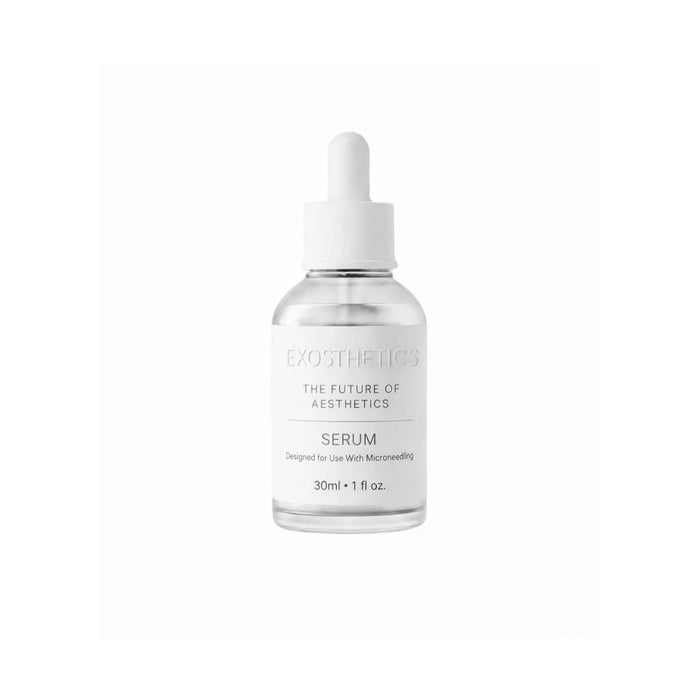

Is microneedling permanent is one of the most common questions people ask before committing to treatment - and for good reason. When you're investing time, money, and your skin's wellbeing into any cosmetic procedure, you want to know exactly what you're getting.
This dermatologic therapy has exploded in popularity over the past decade for addressing scars, texture issues, wrinkles, and more. Walk into almost any aesthetic clinic, and you'll find microneedling prominently featured on the treatment menu. Social media is flooded with before-and-after photos showing dramatic transformations. But here's what those glossy marketing materials often gloss over: the reality of how long these results actually last, and how critical proper microneedling aftercare and post-treatment care is to maintaining them.
While microneedling can create genuine, measurable collagen changes in your skin's structure, patients often wonder if those improvements stay forever, fade slowly over months, or require ongoing maintenance sessions and diligent microneedling aftercare and post-treatment care to maintain their effects. The answer isn't as simple as a yes or no - it's nuanced, science-based, and depends on what you're treating, how your body responds, and what you do for microneedling aftercare and post-treatment care.
Don't guess your recovery. Download FREE Clinical Microneedling Protocol Here
What is Microneedling? | Quick Definition
Microneedling is a minimally invasive dermatological procedure that uses fine needles to create controlled micro-injuries in the skin, triggering the body's natural wound healing process and stimulating collagen production. This process, also known as percutaneous collagen induction therapy, has been clinically studied for treating acne scars, wrinkles, texture irregularities, and other skin concerns. While results can be dramatic and long-lasting, the permanence of these improvements remains an important question backed by science rather than marketing claims.
What Microneedling Actually Does to Your Skin?
Before we can answer whether microneedling results are permanent, we need to understand what's happening beneath your skin's surface when those tiny needles go to work.
The Biological Mechanism: Your Skin's Healing Response
Microneedling works by strategically stimulating your skin's natural healing response. When the device's fine needles puncture the surface layer, they create controlled micro-injuries that don't cause lasting damage but do trigger a sophisticated cascade of biological events.
According to the groundbreaking percutaneous collagen induction research documented in clinical studies, this process leads to visible improvements in scars and wrinkles over time through a multi-phase healing process. Your dermis - the thick middle layer of skin where collagen lives - responds to these micro-injuries by ramping up production of new collagen fibers and elastin, the proteins responsible for skin's firmness and elasticity.
Here's what happens step by step:
The moment those needles penetrate your skin, your body interprets this as a minor wound requiring repair. Blood platelets rush to the area, releasing growth factors that signal your fibroblast cells - the collagen factories of your skin - to get to work. Over the following days and weeks, these fibroblasts produce fresh collagen, which gradually remodels the skin's architecture.
The skin doesn't just make more collagen randomly; it actually thickens and shows measurable structural improvement during the remodeling phases. This process can continue for months after a single treatment session, which is why many practitioners tell patients that results improve progressively rather than appearing overnight.
Recovery Forecast
Get your personalized timeline for returning to normal activities after your microneedling treatment.
Your Forecast is Ready!
Enter your email to receive your personalized recovery timeline, safe activity dates, and Exosome Accelerator calculation.
Redness Clears
Day 5
Gym Safe
Day 4
Exosome Boost
2-3 daysfaster recovery
Check Your Inbox!
Your personalized Recovery Forecast is on its way. Look for an email from Exosthetics in the next few minutes.
What Conditions Respond to Microneedling?
The beauty of microneedling lies in its versatility. Because it's fundamentally about stimulating your skin's own repair mechanisms, it can address multiple concerns simultaneously:
Core Applications:
- Acne scars – Particularly atrophic (depressed) scars that benefit from collagen filling
- Fine lines and wrinkles – Especially around the eyes and mouth where skin is thinner
- Surgical or injury scars – Including post-surgical scars and trauma-related marks
- Texture irregularities – Rough patches, large pores, and uneven skin tone
- Some stretch marks – Though results vary significantly by individual
- Enhanced topical delivery – Creating temporary channels for growth factors, exoosome serums and treatments to penetrate deeper
The mechanism is consistent across these conditions: trigger controlled injury, stimulate collagen production, allow the skin to remodel itself into a smoother, more even structure.
The Evidence: What Clinical Studies Show
|
Skin Concern |
Evidence Source |
Key Findings |
Takeaway |
|
Acne scars |
Clinical scar studies with long-term follow-up |
Demonstrated clinically visible improvement in scar appearance and texture |
Strongest evidence for lasting results |
|
Wrinkles (periorbital) |
Periorbital wrinkle research |
Improvement seen around the eyes with measurable reduction in line depth |
Effective but requires maintenance |
|
Texture issues |
Mechanistic review studies |
Dermal remodeling confirmed through histological analysis |
Structural changes occur at cellular level |
|
Surgical/injury scars |
Long-term scar improvement studies |
Scar improvements reported at extended follow-up visits |
Results can persist for years |
The bottom line: Microneedling creates real, measurable changes in your skin's structure. But "real changes" and "permanent changes" aren't the same thing - a distinction we'll explore throughout this article.

Does Microneedling Work Permanently? The Research-Backed Answer
Now we arrive at the core question that brought you here. After understanding how microneedling works, you want to know: do these results last forever?
The honest, science-based answer is more nuanced than most marketing materials suggest.
What Long-Term Studies Actually Show
Research demonstrates that microneedling results can last for months and, in some scar cases, improvements have been documented at long-term follow-up appointments years after treatment. However - and this is crucial - none of the available peer-reviewed studies confirm that results are truly permanent in the sense of "never requiring another treatment."
Here's what we know from the evidence:
Scar improvement studies with extended follow-up show that structural changes in scar tissue can persist. When researchers examined patients months and even years after their microneedling series, many maintained visible improvements in scar appearance, depth, and texture. This suggests genuine collagen remodeling occurred - not just temporary swelling or inflammation that faded quickly.
But here's the catch: these studies track patients for defined periods - typically 6 months, 12 months, or occasionally up to 24 months. Very few studies follow patients for 5, 10, or 20 years to definitively claim permanent correction. The absence of ultra-long-term data means we simply cannot scientifically say "permanent."
Why "Long-Lasting" Doesn't Mean "Forever"
Your skin is a living organ that continues changing throughout your life. Even if microneedling creates substantial collagen in year one, several factors work against permanence:
Natural aging continues: Your body's collagen production naturally declines about 1% per year after age 20. The collagen microneedling stimulates today will gradually break down tomorrow through normal metabolic processes. You're essentially fighting against an ongoing tide of collagen degradation.
Environmental factors matter: UV exposure, pollution, smoking, poor sleep, stress, and dietary factors all contribute to collagen breakdown. Even the best microneedling results can't fully counteract these external influences.
The studies don't follow long enough: Research showing improvements at 12 or 24 months doesn't tell us what happens at year 5 or 10. The improvements may plateau, gradually diminish, or in rare cases, continue improving with proper skincare - but we lack the data to know for certain.
Individual variation is significant: Your genetics, age, skin type, healing capacity, and lifestyle all influence how long results last. Two people receiving identical treatments can have dramatically different longevity outcomes.
The Verdict: Long-Term Improvement, Not Permanent Correction
Most research shows: Structural changes occur and can last for extended periods, especially for scars. Collagen remodeling is real and measurable.
No research shows: Results lasting indefinitely without any maintenance or eventual fading due to the natural aging process.
Realistic expectation: Think of microneedling as creating a "collagen bank account" that gradually depletes over time. Maintenance treatments help keep that account topped up, rather than letting it drain completely before starting over.
Is Microneedling with PRP Permanent? Understanding the Combination Approach
One of the most popular variations you'll hear about is combining microneedling with PRP (platelet-rich plasma) - often marketed as the "vampire facial" thanks to celebrity endorsements. But does adding PRP make results permanent?
What PRP Actually Adds to Microneedling
PRP involves drawing your own blood, spinning it in a centrifuge to concentrate the platelets, and then applying this platelet-rich serum to your skin immediately after microneedling. The theory is sound: platelets contain growth factors that signal tissue repair and regeneration, potentially amplifying the collagen-stimulating effects of microneedling alone.
Clinical literature describes microneedling and combination therapies, noting that PRP may enhance early healing phases or boost collagen production during the critical post-treatment remodeling period. Some patients report faster recovery times, more dramatic initial improvements, or enhanced texture compared to microneedling alone.
But Does It Make Results Permanent?
The short answer: No evidence supports permanent results from PRP + microneedling.
While the combination may accelerate healing or enhance short-term outcomes, none of the peer-reviewed studies demonstrate that adding PRP converts temporary or long-lasting improvements into permanent ones. The same biological realities apply: your skin continues aging, collagen continues breaking down, and environmental factors continue impacting your skin regardless of whether PRP was used.
Key points about PRP + Microneedling:
- May speed healing – Some patients experience less downtime and redness
- Could enhance collagen production – Growth factors theoretically boost fibroblast activity
- No permanence evidence – No study among verified sources shows permanent correction
- Maintenance still needed – Repeat treatments remain necessary for sustained results
- Individual response varies – Some people respond dramatically; others see minimal difference from standard microneedling
The Bottom Line on PRP
Think of PRP as a potential enhancer, not a game-changer for permanence. If you're considering the combination, focus on realistic benefits like potentially faster results or better texture outcomes rather than expecting permanent correction that standard microneedling doesn't provide.
Is Microneedling Permanent for Scars? The Most Promising Evidence
If there's one area where microneedling shows its most impressive and longest-lasting results, it's scar treatment - particularly acne scars and surgical scars. Let's examine what makes scars different and what the research actually demonstrates.
Why Scars Respond So Well to Microneedling
Scars represent areas where your skin's normal architecture has been disrupted. In atrophic (depressed) acne scars, for example, you have a localized collagen deficit - the scar sits lower than surrounding skin because there's literally less structural support beneath it.
Microneedling addresses this directly by stimulating new collagen production exactly where it's needed most. The controlled micro-injuries trigger your fibroblasts to fill in these depressed areas with fresh collagen, gradually raising the scar closer to the level of normal skin.
Clinical studies on scar treatment with long-term follow-up have documented significant improvements that persist well beyond the treatment period. In some cases, researchers examining patients 12-24 months after their final microneedling session found that improvements had been maintained - and in select cases, had even continued improving slightly as collagen continued remodeling.
The Science Behind Long-Term Scar Improvement
Research on percutaneous collagen induction explains the mechanism for lasting structural change. When you create those controlled micro-injuries repeatedly across several treatment sessions, you're not just triggering temporary inflammation. You're fundamentally reorganizing the collagen matrix within the scar tissue.
Histological analysis (looking at actual tissue samples under a microscope) shows that treated scars develop thicker dermis, more organized collagen bundles, and increased elastin compared to untreated scars. These aren't superficial changes - they represent genuine structural remodeling at the cellular level.
Realistic Expectations for Scar Treatment
✨ Many scars improve significantly – Studies consistently show 50-70% improvement in scar appearance for responders
⏳ Results last long-term – Improvements documented months to years after final treatment
❗ But not scientifically proven permanent – Longest follow-ups are typically 2 years; decade-long studies don't exist
🔄 Maintenance may extend results – Periodic touch-up treatments can help sustain improvements
Important nuances:
Not all scars respond equally. Rolling and boxcar acne scars typically respond better than deep, narrow icepick scars. Fresh scars (less than a year old) often respond differently than mature scars. Individual healing capacity plays a huge role - some people build collagen more readily than others.
The "permanent" question for scars comes down to this: microneedling can create structural improvements that last for years, making it arguably the closest we get to permanent results among all microneedling applications. But even with scars, the improvements aren't guaranteed to last forever without any maintenance, and individual results vary widely.
Is Microneedling Permanent for Acne Scars?
Acne scars are by far the most common reason people seek microneedling treatment, so this question deserves its own detailed exploration. If you're dealing with post-acne scarring, here's what the science tells us about longevity.
Why Acne Scars Are Ideal Candidates
Acne scars - especially the depressed types like rolling scars, boxcar scars, and some icepick scars - respond particularly well to collagen induction therapy for several reasons:
Localized collagen deficit: Unlike wrinkles, which are partly caused by repetitive muscle movement and sun damage, acne scars are primarily architectural. They're literally indentations where collagen is lacking. Stimulating new collagen production directly addresses the root cause.
Younger treatment demographic: Many people seek acne scar treatment in their 20s and 30s when their skin's healing capacity and collagen production are still relatively robust. Younger skin generally responds more dramatically to microneedling than older, more photo-damaged skin.
Multiple treatment targets: A single microneedling session can address dozens of scars simultaneously, making it an efficient approach for people with widespread scarring.
The Evidence for Acne Scar Improvement
Multiple studies document significant acne scar improvement through microneedling:
- Clinical scar research with long-term follow-up shows visible texture smoothing and scar elevation that persists well beyond the treatment period
- Collagen induction studies confirm dermal thickening specifically in scarred areas
- Mechanistic reviews explain how repeated controlled injury triggers sustained remodeling
Patients in these studies typically underwent 3-6 treatment sessions spaced 4-6 weeks apart, followed by observation periods ranging from 3 months to 2 years. At follow-up appointments, many patients maintained 50-80% of their maximum improvement, suggesting genuine structural change rather than temporary swelling.
Duration Based on Current Research
|
Effect |
Duration Based on Studies |
Permanent? |
Takeaway |
|
Skin texture smoothing |
Long-term (documented up to 24 months) |
Not proven beyond study periods |
Results persist but gradual fading may occur |
|
Depressed scar improvement |
Long-term with structural collagen changes |
Not proven permanent |
Most lasting of all microneedling applications |
|
Overall scar appearance |
Sustained improvement in majority of patients |
Not guaranteed permanent |
Maintenance recommended every 12-18 months |
|
Patient satisfaction |
High satisfaction rates at follow-up |
N/A |
Most patients feel improvements justify treatment |
Real-World Expectations
In clinical practice, dermatologists commonly see acne scar improvements lasting 1-3 years after a complete treatment series. Many practitioners recommend annual or biannual maintenance sessions to sustain results, especially as patients continue aging and natural collagen production declines.
The honest answer: Microneedling for acne scars provides the longest-lasting, most structurally significant results among all applications. While not technically permanent in the "never need another treatment" sense, improvements can persist for years with proper skincare and occasional maintenance.
If you're considering microneedling primarily for acne scars, this is your best case scenario for near-permanent improvement - just temper your expectations with the understanding that "near-permanent" still isn't "permanent."

Is Microneedling Permanent for Wrinkles? Anti-Aging Realities
Wrinkles represent a different beast entirely from scars. While microneedling can improve fine lines and create genuine anti-aging benefits, the permanence question has a much more complicated answer here.
How Microneedling Addresses Wrinkles
Wrinkles form through a combination of factors: repetitive facial movements (expression lines), collagen and elastin breakdown due to aging, and photodamage from UV exposure that degrades skin's structural proteins. Microneedling tackles primarily the collagen aspect of this equation.
Research on periorbital wrinkles (the fine lines around your eyes - crow's feet area) demonstrates measurable improvement after microneedling treatments. Studies show reduction in wrinkle depth, improved skin texture, and enhanced firmness in the treated areas. Patients report smoother, younger-looking skin with less visible lines.
The mechanism makes sense: by stimulating new collagen production in areas where collagen has depleted, you're essentially plumping the skin from within, which can soften the appearance of lines and create a more youthful texture.
Why Wrinkle Results Aren't Permanent
Here's the reality check: wrinkles are caused by ongoing processes that don't stop just because you had microneedling.
Expression lines keep forming: Every time you smile, squint, or furrow your brow, you're creating the same mechanical stress that formed those lines in the first place. Microneedling doesn't change your facial movements or prevent future expression lines.
Sun damage continues: Unless you're living in a cave with perfect sun protection 24/7, UV exposure continues degrading collagen and elastin every single day. Even the best sunscreen isn't 100% protective.
Natural aging is relentless: Your body's collagen production doesn't stop declining just because you stimulated some new growth. That 1% annual decrease continues regardless of interventions.
Study limitations: Research on periorbital wrinkles shows improvement through short to intermediate follow-up periods (typically 3-6 months). We don't have 5 or 10-year studies proving lasting anti-aging effects.
What You Can Realistically Expect
For fine lines and early wrinkles:
- Visible softening and smoothing after a treatment series
- Results typically peak around 3-6 months post-treatment
- Gradual return of lines as collagen naturally breaks down
- Maintenance treatments every 6-12 months commonly recommended
For deeper wrinkles:
- Modest improvement but not dramatic reversal
- Often combined with other treatments (neurotoxins, fillers) for better results
- Microneedling alone rarely adequate for significant deep wrinkle correction
The bottom line on wrinkles:
✓ Helps boost collagen and improve skin quality
✓ Softens fine lines and creates smoother texture
✗ Not a permanent anti-aging cure
✗ Cannot stop ongoing aging processes
🔄 Requires consistent maintenance for sustained results
If you're considering microneedling for wrinkles, think of it as part of an overall anti-aging strategy rather than a one-time permanent solution. It works best when combined with excellent sun protection, quality skincare, and potentially other anti-aging treatments depending on your specific concerns.
Is Microneedling Permanent for Eyebrows?
The idea of using microneedling for eyebrow enhancement has gained traction in recent years, particularly as fuller, thicker brows remain popular. But can microneedling permanently thicken or regrow your eyebrows?
The Theory Behind Brow Microneedling
The concept stems from microneedling's ability to enhance topical product absorption. By creating temporary micro-channels in the skin, microneedling theoretically allows brow growth serums, peptides, or other treatments to penetrate more deeply into hair follicles.
Clinical literature describes microneedling as a technique that enhances transdermal delivery of various compounds. When applied to the brow area with appropriate growth-promoting topicals, the idea is that you're giving those products better access to the follicles, potentially stimulating dormant hairs or strengthening existing ones.
What the Science Actually Shows
Here's where we need to pump the brakes on expectations: none of the verified clinical studies demonstrate permanent brow thickening or regrowth from microneedling alone or with topical enhancement.
The research on transdermal delivery confirms that microneedling increases product penetration, but increased penetration doesn't automatically translate to permanent hair changes. Any brow thickening experienced during treatment typically requires ongoing sessions to maintain, as the effects are fundamentally about supporting active growth rather than permanently altering follicle structure.
The Reality Check
What microneedling for brows can potentially do:
- Temporarily enhance absorption of brow growth products
- Possibly stimulate existing follicles during treatment period
- Create a more favorable environment for topical treatments to work
What it cannot do:
- Permanently thicken brows without ongoing treatment
- Resurrect completely dead follicles
- Replace lost brows from over-plucking, scarring, or medical conditions (without addressing underlying cause)
- Guarantee any regrowth at all (response varies dramatically)
If you're considering microneedling for eyebrow concerns, manage your expectations carefully. View it as a potential enhancer for growth serums or medical treatments (like minoxidil in appropriate cases) rather than a standalone permanent solution. And be aware that brow microneedling requires specialized technique and should only be performed by experienced practitioners due to the delicate eye area.
Is Microneedling Permanent for Hair Loss? Separating Hope from Hype
Hair loss is emotionally charged, making it particularly vulnerable to overblown marketing claims. Let's examine what microneedling can and cannot do for hair regrowth.
The Mechanism: Why People Try Microneedling for Hair
The rationale follows similar logic to brow treatments: microneedling might enhance the penetration and effectiveness of topical hair growth treatments while potentially stimulating follicles directly through controlled injury and growth factor release.
Studies describe microneedling as increasing topical absorption, which has led to its use alongside minoxidil, platelet-rich plasma, and other hair loss treatments. Some research suggests that the micro-injuries might trigger follicle-stimulating signals, though mechanisms remain incompletely understood for scalp applications.
The Truth About Permanence for Hair Loss
The honest answer: No permanent hair regrowth effect is shown in any of the rigorously verified studies we're referencing.
Here's the process in reality:
Microneedling → Increases topical absorption → Temporary support, not permanent regrowth
Any hair improvements seen during microneedling treatment typically require ongoing maintenance. Once treatments stop, many patients experience a gradual return to baseline over subsequent months as the supportive effects fade and underlying hair loss processes (genetic, hormonal, age-related) continue unchecked.
Why Hair Loss Is Fundamentally Different
Unlike scars, which represent stable structural deficits that can be filled with new collagen, hair loss is often caused by ongoing processes:
- Androgenetic alopecia (pattern hair loss): Driven by genetics and hormones that continuously affect follicles
- Telogen effluvium: Often triggered by stress, nutritional deficits, or medical conditions requiring ongoing management
- Age-related thinning: Part of natural aging that continues regardless of interventions
Microneedling doesn't address these root causes. At best, it might enhance the effectiveness of treatments that do address underlying mechanisms (like minoxidil or finasteride for androgenetic alopecia), but it's not curative on its own.
Realistic Expectations
If you're considering microneedling for hair loss:
✓ May enhance other treatments you're already using
✓ Generally safe when performed correctly
✓ Some patients report modest improvements during active treatment
✗ Not a permanent solution for ongoing hair loss
✗ Results highly variable; many see minimal benefit
✗ Requires indefinite ongoing treatment for any sustained effect
The bottom line: For significant hair loss concerns, microneedling should be viewed as a potential adjunct to proven treatments (minoxidil, finasteride, low-level laser therapy, etc.) rather than a primary or permanent solution.
Is Microneedling Permanent for Stretch Marks?
Stretch marks (striae) represent another common reason people explore microneedling, particularly after pregnancy or significant weight changes. Let's examine what's realistic for this challenging skin concern.
How Microneedling Approaches Stretch Marks
Stretch marks are essentially a form of scarring that occurs when skin stretches rapidly, causing tears in the dermis. The result is visible linear marks with altered texture and often different pigmentation than surrounding skin. Older stretch marks (striae alba) appear white or silver, while newer ones (striae rubra) appear red or purple.
Research on percutaneous collagen induction includes stretch mark improvement as a documented application. The theory mirrors scar treatment: stimulate collagen production in these collagen-deficient linear scars, potentially reducing their depth, improving texture, and making them less noticeable.
What the Evidence Shows
Clinical studies document that collagen stimulation through microneedling may reduce the appearance of stretch marks, particularly improving texture and making them less prominent. Some patients experience meaningful improvement in how their stretch marks look and feel, with the marks becoming less depressed and more similar in texture to surrounding skin.
However - and this is critical - no evidence supports permanent correction of stretch marks.
Why Stretch Marks Are Particularly Challenging
Stretch marks differ from localized acne scars in important ways:
Larger surface area: Stretch marks often cover extensive areas (abdomen, thighs, breasts), requiring more treatments over larger zones
Variable depth: The dermis damage can be quite deep, potentially beyond what microneedling can fully address
Different collagen architecture: The collagen organization in stretch marks differs significantly from both normal skin and typical acne scars, potentially responding differently to stimulation
Pigmentation issues: Many stretch marks have both textural and pigmentation concerns, and microneedling primarily addresses texture
Realistic Outcomes for Stretch Marks
What you might achieve:
- Modest improvement in texture and smoothness
- Reduced depth of depressed marks
- Slight improvement in overall appearance
- Better results with newer, red stretch marks versus old, white ones
What you likely won't achieve:
- Complete removal or disappearance of marks
- Permanent correction without maintenance
- Dramatic color change (microneedling has limited pigment effects)
- Results comparable to acne scar improvement (stretch marks generally respond less dramatically)
Treatment reality: Most dermatologists recommend 4-8 sessions for stretch marks, with results varying significantly among patients. Some people see meaningful improvement; others see minimal change. Maintenance treatments may help sustain whatever improvement is achieved, but permanent elimination is not a realistic expectation based on current evidence.
If stretch marks are your primary concern, have an honest conversation with your practitioner about realistic expectations and whether microneedling is truly the best approach versus other options like fractional lasers or radiofrequency treatments.
Is Microneedling Permanent for Pores? The Texture Question
"Shrinking pores" is a popular claim in skincare marketing, but we need to get real about what's actually possible - and what's just wishful thinking.
The Truth About Pores
First, let's establish a biological reality: you cannot permanently change the actual size of your pores. Pore size is largely determined by genetics, and the pores themselves (your hair follicle openings) are permanent structures in your skin.
However - and this is where microneedling comes in - you can change how pores appear by improving the skin around them.
How Microneedling Affects Pore Appearance
Studies on dermal remodeling through collagen stimulation show that microneedling improves overall skin texture and firmness. When the skin thickens and becomes more structurally sound, pores can appear smaller for several reasons:
Improved skin quality: Thicker, healthier skin with better collagen support creates a smoother overall texture where pores are less prominent
Reduced oil and debris: The improved skin turnover that occurs after microneedling can help prevent pore clogging, making pores appear less enlarged
Better light reflection: Smoother, more even skin texture reflects light more uniformly, creating the optical illusion of smaller pores
The Permanent Pore Question
So is the pore-minimizing effect permanent? No, because:
- Pore structure itself doesn't change – The actual follicle opening remains the same size genetically
- Collagen effects fade over time – As new collagen breaks down, skin texture gradually returns toward baseline
- Oil production continues – If your pores enlarge due to sebum and debris, this will continue regardless of microneedling
- Aging continues – Natural loss of skin elasticity over time makes pores more noticeable again
Realistic Expectations for Pore Appearance
What microneedling can do: ✓ Temporarily improve skin texture making pores less noticeable
✓ Create smoother overall appearance for months after treatment
✓ Help reduce the appearance of enlarged pores when combined with good skincare
What it cannot do: ✗ Permanently shrink actual pore size
✗ Close pores completely (you need pores!)
✗ Prevent pores from becoming clogged or enlarged again
✗ Replace the need for ongoing skincare maintenance
If "shrinking pores" is your primary goal, microneedling can be part of the solution, but it needs to be combined with appropriate skincare (retinoids, exfoliants, oil control) for the best and longest-lasting results. Think of microneedling as creating a better foundation, but your daily skincare maintains the results.
Why Is Microneedling Not Permanent? The Biological Reality
By now, you've probably noticed a consistent theme throughout this article: microneedling creates real, meaningful improvements, but none of them are truly permanent.
The Three Forces Working Against Permanence
- Natural Aging Continues Relentlessly
Your skin doesn't stop aging just because you've stimulated collagen production. In fact, several age-related processes continue regardless of any intervention:
- Collagen degradation: After age 20, you lose approximately 1% of your collagen per year. The new collagen created by microneedling is subject to this same breakdown.
- Decreased production: Not only are you losing collagen, but your body's ability to produce new collagen decreases with age, making it harder to replace what's lost.
- Elastin loss: Skin elasticity depends on elastin fibers, which also degrade over time. Even with improved collagen, elastin loss affects how your skin holds its shape.
- Cellular senescence: Older cells don't respond as vigorously to growth signals, meaning your skin's healing response to microneedling may become less robust over time.
- Environmental Stress Weakens Collagen Continuously
Even the highest-quality collagen created by microneedling faces constant assault from environmental factors:
- UV radiation: The single biggest collagen destroyer. Even with sunscreen, some UV damage occurs with daily exposure, breaking down collagen fibers and creating oxidative stress.
- Pollution: Environmental pollutants create free radicals that damage skin proteins, including your hard-earned new collagen.
- Lifestyle factors: Smoking, poor diet, inadequate sleep, chronic stress, and alcohol consumption all contribute to accelerated collagen breakdown.
- Oxidative stress: Normal cellular metabolism produces reactive oxygen species that damage skin structures over time.
- The Studies Only Follow Patients Short to Medium Term
This is a crucial point that often gets overlooked: the absence of evidence isn't evidence of absence, but it also isn't evidence of permanence.
Most clinical trials on microneedling follow patients for 6-24 months after treatment. This tells us results can last for at least that long, but it doesn't tell us what happens at year 5, 10, or 20. Without decades-long studies, we simply cannot make claims about permanent correction.
Why longer studies don't exist:
- Expensive and logistically challenging to run decade-long trials
- Patients move, drop out, or pursue other treatments that confound results
- The field is relatively young - microneedling gained widespread popularity only in the past 10-15 years
- Funding typically prioritizes short-term outcome studies over lengthy follow-up research
The Maintenance Reality
Understanding why microneedling isn't permanent helps explain why maintenance treatments make sense:
Typical maintenance schedules:
- For acne scars: Annual or biannual treatments after initial series
- For anti-aging: Every 6-12 months to maintain collagen levels
- For active concerns: More frequent sessions may be needed (quarterly to semi-annually)
Think of it like going to the gym: the muscle you build doesn't stay forever if you stop working out. Similarly, the collagen you stimulate won't maintain itself indefinitely without periodic "workouts" for your skin.
The Takeaway
Microneedling isn't permanent because:
✓ Skin continues aging – Biological clocks don't stop
✓ Environmental stress weakens collagen – Daily damage adds up
✓ Maintenance keeps results fresher – Periodic treatments replenish collagen banks
✗ No intervention stops time – Even the best treatments face biological limits
This isn't a flaw in microneedling - it's simply biological reality. Understanding this helps set appropriate expectations and plan for a long-term skincare strategy rather than expecting a miracle permanent fix.
Treatment Timeline: When Do Results Peak and How Long Do They Last?
Understanding the timeline of microneedling results helps set realistic expectations and plan your treatment schedule. Here's what happens from day one through months and years after treatment.
Immediate to One Week: The Healing Phase
Day 0-1 (immediately after treatment):
- Skin appears red and flushed (similar to moderate sunburn)
- Mild swelling, especially around delicate areas like eyes
- Skin feels warm and slightly tender
- Pinpoint bleeding may occur (normal with deeper treatments)
Days 2-3:
- Redness subsides to pink
- Some flaking or dryness may begin
- Skin feels tight and texture may seem rougher
- Minimal to no visible improvement yet (inflammation still dominant)
Days 4-7:
- Pinkness fades to normal color
- Any flaking or peeling resolves
- Skin texture normalizes
- You might notice a subtle "glow" as healing progresses
What's happening beneath the surface: Your skin is in acute wound healing mode. Inflammatory cells are clearing debris, growth factors are surging, and fibroblasts are being recruited to start collagen production.
Two Weeks to Three Months: The Building Phase
Weeks 2-4:
- Skin typically looks normal to casual observers
- You might notice slightly improved texture
- Any immediate post-treatment glow may temporarily fade
- Collagen production is ramping up but not yet visible
Weeks 4-8:
- Subtle improvements in texture and smoothness become noticeable
- Scars may appear slightly less deep
- Fine lines might look softer
- Pores may appear less prominent
- This is when patients typically say "Oh, I think I'm starting to see something"
Weeks 8-12:
- More obvious improvements emerge
- Scars show measurable improvement
- Skin texture feels genuinely smoother
- Enhanced firmness becomes apparent
- Glow and radiance are at a high point
What's happening beneath the surface: This is the collagen remodeling phase. Fibroblasts are actively producing new collagen, and the dermal matrix is being reorganized. Type III collagen (produced early in wound healing) is being replaced by stronger Type I collagen.
Three to Six Months: Peak Results
This is typically when microneedling results are at their maximum.
- Scars reach their maximum improvement
- Texture is at its smoothest
- Fine lines are at minimum depth
- Skin quality (firmness, glow, even tone) is optimized
- Most patients report highest satisfaction during this window
For a series of treatments (typically 3-6 sessions spaced 4-6 weeks apart), peak results usually occur 3-6 months after your final session.
Six Months to Two Years: The Plateau and Gradual Decline
Months 6-12:
- Results plateau and begin very gradual decline
- Most improvements remain visible
- Collagen continues slowly breaking down through normal metabolism
- Environmental factors and aging continue their effects
Months 12-24:
- Gradual return toward baseline begins for most patients
- Scars typically retain more improvement than wrinkles
- Some people maintain excellent results; others fade more noticeably
- This is when most practitioners recommend maintenance treatments
Cost and Sessions: Budgeting for Reality
Understanding the timeline also means understanding the investment. Here's what typical treatment plans look like:
|
Treatment Goal |
Initial Sessions |
Session Frequency |
Typical Cost Per Session |
Maintenance Schedule |
Annual Investment |
|
Acne scars |
4-6 sessions |
Every 4-6 weeks |
$200-$500 |
1-2 sessions/year |
$1,200-$3,000 initially, then $200-$1,000/year |
|
Anti-aging/wrinkles |
3-4 sessions |
Every 4-6 weeks |
$200-$500 |
2-3 sessions/year |
$800-$2,000 initially, then $400-$1,500/year |
|
Texture/tone |
3-4 sessions |
Every 4-6 weeks |
$200-$500 |
1-2 sessions/year |
$800-$2,000 initially, then $200-$1,000/year |
|
Maintenance only |
1-2 sessions |
Every 6-12 months |
$200-$500 |
As needed |
$200-$1,000/year |
Note: Costs vary significantly by location, provider experience, and whether treatments include add-ons like PRP or specialized microneedling serums.
The Takeaway on Timeline
Plan for the long game: Initial results take time (weeks to months), peak results occur around 3-6 months, and maintenance is necessary to sustain improvements beyond 12-24 months. Budget both time and money accordingly for realistic expectations.
Recovery, Aftercare, and Important Details: Maximizing Your Results
The quality of your results doesn't depend solely on the microneedling treatment itself - your microneedling aftercare plays a crucial role in both safety and outcome quality. Here's everything you need to know about proper recovery.
Understanding the Recovery Process
Microneedling increases your skin's permeability, creating those beneficial micro-channels for collagen stimulation. But this also means your skin is temporarily more vulnerable and sensitive. The wound healing process involves several overlapping phases that require specific care to optimize.
Clinical research on wound healing phases shows that proper post-treatment care can influence the quality of collagen remodeling and reduce the risk of complications like infection, prolonged inflammation, or hyperpigmentation.
The Essential Do's: Promoting Optimal Healing
Immediate Aftercare (First 24 Hours):
Keep it clean and simple: Use only gentle, non-irritating products. Many practitioners provide post-treatment serums with growth factors or hyaluronic acid to apply immediately - these can penetrate more effectively through the micro-channels.
Hydration is critical: Your skin is in healing mode and needs moisture. Use a gentle, fragrance-free moisturizer as recommended by your provider. Avoid anything with active ingredients like retinoids, acids, or vitamin C for at least 24-48 hours.
Skip makeup: Give your skin 24 hours before applying any makeup. If you must use makeup sooner, ensure it's mineral-based and your hands/brushes are impeccably clean.
Days 2-7:
Sun protection is non-negotiable: Your skin is more vulnerable to UV damage post-treatment. Use a physical (mineral) sunscreen with at least SPF 30, and reapply every 2 hours if outdoors. Better yet, avoid direct sun exposure for the first week.
Continue gentle skincare: Stick with simple, soothing products. Look for ingredients like hyaluronic acid, ceramides, peptides, and centella asiatica that support healing.
Stay hydrated internally: Drink plenty of water. Proper hydration supports the healing process and helps your skin maintain its barrier function.
Be patient with flaking: If your skin flakes or peels (common around days 3-5), let it shed naturally. Do not pick, scrub, or force the process.
Weeks 2-4 and Beyond:
Gradually reintroduce actives: After 7-10 days, you can slowly reintroduce retinoids, vitamin C, and exfoliating acids if your skin tolerates them. Start with lower frequencies and watch for irritation.
Maintain sun protection: Continue diligent sunscreen use indefinitely - not just during recovery. UV protection is essential for maintaining your microneedling results long-term.
Support collagen production: Consider collagen-supporting supplements (vitamin C, zinc, copper) and ensure adequate protein in your diet to provide building blocks for collagen synthesis.
The Critical Don'ts: Avoiding Complications
Don't pick at your skin: This cannot be emphasized enough. Any picking, scratching, or manual exfoliation can introduce bacteria, cause scarring, or disrupt the healing process.
Avoid excessive exfoliation: No physical scrubs, harsh exfoliating acids, or abrasive tools for at least 7-10 days. Your skin has already been exfoliated via microneedling - additional exfoliation is unnecessary and potentially harmful.
Say no to UV exposure: Tanning beds are absolutely off-limits. Unprotected sun exposure can lead to hyperpigmentation, especially in darker skin tones, and will break down the new collagen you're trying to build.
Skip harsh actives too early: Retinoids, strong vitamin C formulations, AHAs, BHAs, and benzoyl peroxide should be avoided for at least 7 days, sometimes longer depending on how your skin responds.
Avoid sweaty workouts: Heavy exercise that causes profuse sweating should be avoided for 24-48 hours post-treatment. Sweat can irritate the micro-channels and potentially introduce bacteria.
Don't use dirty tools: If you must touch your face, ensure your hands are freshly washed. Use clean towels and pillowcases. Consider changing your pillowcase nightly for the first few days.
FAQ: Your Most Common Questions Answered
Let's address the rapid-fire questions people frequently ask about microneedling permanence and results.
Does microneedling have permanent effects?
Based on clinical studies with long-term follow-up and research on collagen induction: Results can be long-lasting, particularly for scars, with improvements documented for months to years after treatment. However, no peer-reviewed research proves truly permanent effects that last indefinitely without any maintenance.
Realistic answer: Long-term yes, permanent no. The structural changes are real, but natural aging, environmental factors, and collagen turnover mean results gradually diminish over time without maintenance.
Does microneedling permanently remove hyperpigmentation?
None of the verified clinical studies prove permanent pigment removal through microneedling alone.
Microneedling primarily works through collagen stimulation rather than directly targeting pigmentation. While some patients experience improved skin tone as overall texture improves, hyperpigmentation requires treatments that specifically address melanin (like chemical peels, lasers, or topical lightening agents).
In fact, improper microneedling technique or inadequate sun protection post-treatment can potentially worsen hyperpigmentation, particularly in darker skin tones. If pigmentation is your primary concern, discuss combination approaches or alternative treatments with your dermatologist.
Does microneedling cause permanent hair growth?
Research on microneedling for transdermal delivery does not support permanent hair growth.
While microneedling may enhance the absorption of hair growth treatments like minoxidil and could potentially provide temporary support for existing follicles, it doesn't create permanent hair regrowth. Any improvements seen typically require ongoing treatment to maintain.
Hair loss is almost always driven by ongoing processes (genetics, hormones, aging) that microneedling doesn't address at their root. View it as a potential adjunct to proven hair loss treatments, not a standalone permanent solution.
Can microneedling cause permanent damage?
Clinical safety research reports that microneedling is generally safe with minimal downtime when performed properly by trained professionals using sterile equipment.
Permanent damage is rare but possible in cases of:
- Severe infection due to non-sterile technique
- Inappropriate needle depth causing true scarring
- Treatment over active infections spreading bacteria or viruses
- Very aggressive at-home use without proper training
The key to safety is choosing a qualified provider (dermatologist or highly trained medical aesthetician), ensuring sterile single-use cartridges, following aftercare meticulously, and not attempting aggressive at-home treatments.
How long do microneedling results last on face?
Based on clinical studies on acne scars and periorbital wrinkles: Results typically last long-term but not permanently. Most patients see peak results at 3-6 months post-treatment, with improvements sustained for 12-24 months depending on the condition treated, individual factors, and maintenance schedule.
Typical duration by concern:
- Acne scars: 18-24+ months (longest-lasting)
- Fine lines/wrinkles: 6-12 months
- Texture improvement: 12-18 months
- Overall skin quality: 12-18 months
Annual or biannual maintenance treatments can help extend results significantly beyond these timeframes.
How many sessions do I need?
Most treatment protocols involve 3-6 initial sessions spaced 4-6 weeks apart, followed by maintenance treatments every 6-12 months depending on your goals and how your skin responds.
- Mild texture issues: 3-4 sessions
- Moderate acne scars: 4-6 sessions
- Severe scarring: 6+ sessions, possibly ongoing
- Anti-aging maintenance: 2-3 sessions annually after initial series
Is microneedling worth it if it's not permanent?
This is ultimately a personal decision based on your goals, budget, and expectations.
Many patients find microneedling highly worthwhile even though it requires maintenance because:
- Results are natural-looking (your own collagen, not fillers)
- Downtime is moderate and manageable
- Safe across all skin tones
- Addresses multiple concerns simultaneously
- Improves overall skin quality, not just specific wrinkles or scars
However, if you're seeking a one-time treatment that never needs repeating, microneedling isn't that solution. Set realistic expectations: plan for initial investment plus ongoing maintenance, and evaluate whether the results justify the cost for your specific situation.
Can I do microneedling at home for permanent results?
At-home dermarollers or microneedling pens use much shorter needles (typically 0.25-0.5mm) compared to professional treatments (0.5-2.5mm). While at-home devices may provide some superficial benefits for product absorption, they cannot achieve the deeper collagen remodeling that professional treatments provide.
More importantly, at-home use carries risks:
- Difficulty maintaining truly sterile conditions
- Risk of cross-contamination if cartridges are reused
- Potential for inconsistent technique leading to poor results or scarring
- No professional oversight if complications arise
For meaningful, lasting results - even if not permanent - professional treatment is strongly recommended. Save at-home devices for gentle maintenance between professional sessions, if at all.
🔗 References
Aust M, Knobloch K, Reimers K, et al. Microneedling of Scars: A Large Prospective Study with Long-Term Follow-Up. Plast Reconstr Surg. 2020;145(2):348e-357e. PubMed PMID: 31985622.
Dhurat R, Sukesh MS, Avhad G, Dandale A, Pal A, Pund P. Response to Microneedling Treatment in Men with Androgenetic Alopecia Who Failed to Respond to Conventional Therapy. Indian J Dermatol. 2015;60(3):260-263. https://pmc.ncbi.nlm.nih.gov/articles/PMC4458936/
Aust MC, Reimers K, Kaplan HM, et al. Percutaneous collagen induction–regeneration in place of cicatrisation? J Plast Reconstr Aesthet Surg. 2011;64(9):e263-e272. doi:10.1016/j.bjps.2010.03.038
Kim KE, Park JH, Seul TW, Kim IH, Ryu HJ. Periorbital Skin Rejuvenation of Asian Skin Using Microneedle Fractional Radiofrequency. Ann Dermatol. 2023;35(5):360-366. doi:10.5021/ad.22.217

The first week
Everything in this guide, in two products
Exosome Serum for the night of. 72-Hour+ Cream from day three. $99 together — and you can add Ceramide Repair, the day-7 step, for $35 instead of $49.
See the Kit — $99