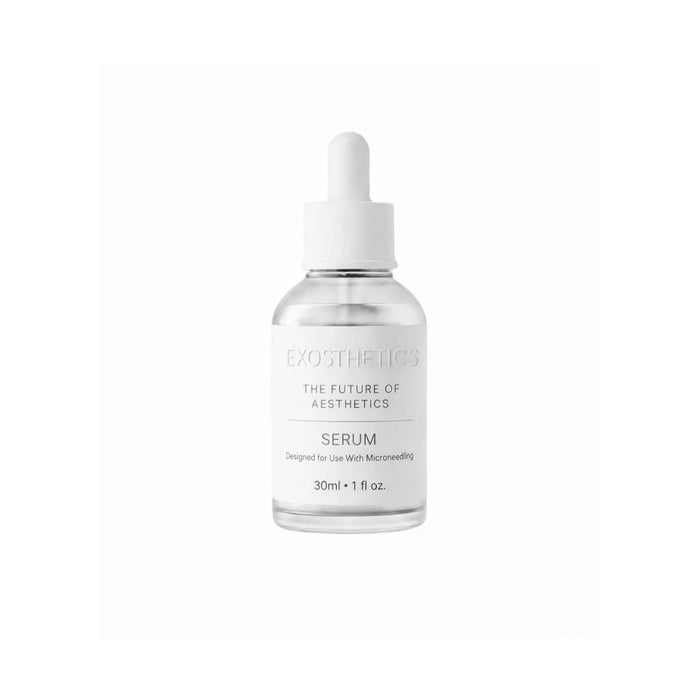

Does at home microneedling work - or are you simply poking tiny holes in your skin and hoping for the best? It is a fair question, especially when the market is flooded with dermarollers, microneedling pens, and stamp devices that all promise professional-level results from your bathroom counter. The truth, as with most things in skincare, is more nuanced than a product listing wants you to believe. What we can tell you is this: the science behind microneedling as a concept is real, but the gap between what a clinical device does in a dermatologist's office and what a consumer gadget does at home is significant. And here is something most brands will not tell you - your microneedling aftercare and post-treatment care routine may matter just as much as the needling itself. What you apply to freshly needled skin, how you protect it, and what you avoid in the hours and days following a session can make or break your results. This guide breaks down the real evidence, condition by condition, device by device, so you can make an informed decision rather than an expensive mistake.
Don't guess your recovery. Download FREE Clinical Microneedling Protocol Here
What "At Home Microneedling" Actually Means and What It Does Not
Before we evaluate whether at-home microneedling works, we need to be precise about what we are actually talking about. The term "microneedling" gets applied to three very different categories of devices, and lumping them together is where most of the confusion starts.
The first category is consumer cosmetic devices. These include dermarollers with fixed needle drums, motorized microneedling pens with adjustable depth settings, and press-on microneedle patches. They are sold directly to consumers, typically feature needle depths between 0.1 mm and 0.5 mm, and are marketed for skin texture, fine lines, and product absorption. Regulation is minimal - most are classified as cosmetic tools rather than medical devices.
The second category is engineered microneedle systems studied in laboratory research. These are fundamentally different. Recent published studies describe microneedle devices designed not for cosmetic skin improvement but for biomedical monitoring - extracting interstitial fluid from beneath the skin to measure biomarkers like proteins, glucose, and lactic acid. For example, Chen et al. (2026) developed a wearable microneedle patch integrated with a metal hydrogel-based signal probe specifically for monitoring protein biomarkers in dermal interstitial fluid. Qu et al. (2026) engineered a hydrogel-based electrochemical microneedle biosensor for tracking lactic acid levels. Basumatary et al. (2025) created a microneedle-assisted system for interstitial fluid extraction paired with a glucose sensor for diabetes management.
These studies confirm something genuinely useful: microneedle devices can mechanically interface with skin and access the dermal layer in a functionally meaningful way. However, they test zero cosmetic outcomes. No wrinkle reduction. No scar improvement. No collagen stimulation. They are biosensing tools, not beauty tools (Chen et al., 2026; Qu et al., 2026; Basumatary et al., 2025).
The third category is professional microneedling performed in a clinical setting. This uses medical-grade devices at depths of 0.5 mm to 2.5 mm, often combined with platelet-rich plasma (PRP), growth factors, or exosome serums. It is administered by trained clinicians in controlled environments, and it carries the strongest body of clinical evidence for cosmetic outcomes.
📌 Here is the critical distinction most articles miss: when you read a headline about "microneedling studies," you need to ask what kind of microneedling, at what depth, for what purpose, and on whom. A biosensing patch designed to monitor glucose has about as much in common with your at-home dermaroller as a surgical scalpel has with a butter knife. They both cut, but you would never confuse the application.
How Microneedles Interact With Your Skin - Channels, Barrier Disruption, and the Recovery Window
Understanding the basic mechanics helps explain both why microneedling has potential and why aftercare is non-negotiable. When microneedles - whether cosmetic or research-grade - contact the skin, they create controlled micro-channels through the stratum corneum, which is the outermost protective barrier of your skin. Depending on needle length, these channels can extend into the upper dermis.
We know from recent biomedical research that even relatively short microneedles can breach the skin barrier in a functionally significant way. Chen et al. (2026) demonstrated that their wearable microneedle patch could access dermal interstitial fluid and detect protein biomarkers - confirming that the channels created are deep enough to reach biologically active layers of skin. Similarly, Basumatary et al. (2025) showed that microneedle-assisted extraction could reliably access interstitial fluid for glucose monitoring, further confirming the mechanical reality of barrier disruption.
The cosmetic theory - widely referenced in dermatology literature though not tested in the biosensing studies above - holds that these controlled micro-injuries trigger a wound-healing cascade. This cascade moves through three phases: inflammation, proliferation, and remodeling. During the remodeling phase, new collagen and elastin may be deposited, potentially improving skin texture, firmness, and scar appearance over time and repeated sessions.
But here is the part that matters most for anyone actually doing this at home: those open micro-channels dramatically increase your skin's permeability. Whatever you put on your skin immediately after microneedling gets absorbed at significantly higher rates than it would on intact skin. This is both the opportunity and the danger. A well-formulated post-procedure serum - containing growth factors, peptides, or exosomes - may support the healing environment. But irritants, fragrances, active acids, or contaminated products on compromised skin can cause severe inflammation, burning, and damage.
⚠️ This is why aftercare is not optional. Open channels mean your skin absorbs more of whatever you put on it - good or bad. Your post-treatment product selection matters enormously.

Realistic Expectations - What "Works" Means Depends on Your Goal
The question "does at home microneedling work" is incomplete without a follow-up: work for what? The answer varies dramatically depending on your specific concern, the depth of needling, your consistency, and what you are comparing results against.
Consumer-depth microneedling at 0.1 mm to 0.25 mm and clinical-depth microneedling at 0.5 mm to 2.5 mm are not the same intervention. Expecting them to produce the same results is like expecting a brisk walk to produce marathon-level cardiovascular adaptation. The direction is similar; the magnitude is not.
For smoother skin texture, consistent at-home use may produce mild, gradual improvement. For faded acne scars, consumer needle depths are unlikely to reach the dermal remodeling zone needed for meaningful scar revision. For fine lines, surface-level improvement is plausible over months of use; deeper wrinkles caused by volume loss are a different structural problem. For jowls and significant skin laxity, no device - at-home or professional - has strong evidence, and at-home devices have none. For stretch marks, the evidence is limited even for professional treatments.
It is also worth stating clearly: the biosensing studies provided for this article (Chen et al., 2026; Qu et al., 2026; Basumatary et al., 2025) confirm that microneedle devices can interface with skin and access dermal fluid. They do not test or support any cosmetic outcome claim. They tell us that the mechanical principle is real. They do not tell us what happens to wrinkles, scars, or texture.
Does At Home Microneedling Work For Acne Scars?
Acne scars are one of the most common reasons people turn to at-home microneedling, and the logic makes intuitive sense - if microneedling triggers collagen remodeling, perhaps it can fill in the depressions left by acne. The reality, however, requires careful qualification.
Professional microneedling at clinical depths has demonstrated meaningful improvement for certain types of atrophic acne scars - particularly rolling and boxcar varieties where the scar architecture responds to collagen remodeling. Ice pick scars, which are narrow and deep, are generally non-responsive even to professional treatment because their geometry does not allow new collagen to effectively rebuild the lost tissue.
At-home devices present a significant limitation here: most consumer microneedling pens and rollers operate at depths of 0.5 mm or less. Acne scar remodeling typically requires depths in the 1.0 mm to 2.0 mm range to reach the mid-dermis where scar tissue sits. This means that at-home devices may improve the surface texture around scars and potentially soften their edges over many sessions, but expecting the kind of dramatic before-and-after results you see in clinical studies would be unrealistic.
Multiple sessions are essential. Single-session microneedling produces negligible visible change for scarring. If you are committed to an at-home approach, think in terms of months rather than days, and manage your expectations around subtle rather than transformative improvement. What you apply during recovery - barrier-supportive, anti-inflammatory formulations including emerging options like exosome-based serums - may help optimize whatever healing response you do generate, since your skin's permeability is elevated in the hours following treatment.
Does At Home Microneedling Work For Wrinkles?
Wrinkles are not a single problem, and this is where at-home microneedling conversations often go sideways. Fine lines - the shallow, surface-level creases that appear with early photoaging and dehydration - are a fundamentally different issue from deep wrinkles, which involve dermal collagen loss, volume depletion, and sometimes repetitive muscle movement (think forehead lines and crow's feet).
For fine lines, at-home microneedling has a plausible mechanism. The controlled micro-injury, even at shallow depths, may stimulate a mild wound-healing response that subtly improves skin texture and hydration over time. Many users report that their skin feels smoother and looks somewhat more "refreshed" after several weeks of consistent use. Whether this represents genuine collagen remodeling or simply improved product absorption and temporary swelling is debated.
For established wrinkles - the kind caused by years of sun exposure, volume loss, and gravity - at-home devices operating at 0.25 mm to 0.5 mm are unlikely to reach the dermal depth where meaningful structural change would need to occur. Professional microneedling shows more promising evidence for photoaging-related changes, but even those results are modest compared to ablative lasers or injectable treatments.
One honest note worth making: many wrinkle reduction claims from at-home device manufacturers lack independent clinical validation. The "clinical studies" referenced on packaging are often small, uncontrolled, and sometimes funded by the device maker. Read them carefully before setting your expectations.
Does At Home Microneedling Work For Stretch Marks?
Stretch marks - known clinically as striae distensae - represent a disruption of dermal collagen and elastin fibers that occurs when skin stretches rapidly beyond its capacity. They are common after pregnancy, growth spurts, weight fluctuations, and corticosteroid use.
The evidence for microneedling on stretch marks is more limited than for acne scars. Newer, reddish-purple stretch marks (striae rubrae) may be somewhat more responsive than older, white or silvery ones (striae albae) because they still have active blood supply and some degree of ongoing remodeling potential. Older stretch marks, where the collagen disruption has fully matured and the tissue has essentially "settled," present a much more difficult treatment challenge.
At-home devices are unlikely to reach the dermal depth required for meaningful stretch mark improvement. Some studies suggest that combination approaches - microneedling paired with topical agents that enhance collagen synthesis - show more promise than microneedling alone. This is where post-procedure product selection becomes especially relevant: if you are going to microneedle stretch marks at home, what you apply immediately after may influence the outcome more than the needling itself.
Set expectations accordingly. You may see some softening of texture, but dramatic fading of established stretch marks from an at-home device alone would be the exception rather than the rule.
Does At Home Microneedling Help With Jowls?
This one requires directness: jowling is primarily a structural and gravitational issue. It results from fat pad descent, bone resorption in the lower face, and loss of skin elasticity - processes that happen at a deep tissue level that no at-home microneedling device can meaningfully address.
Even professional microneedling has minimal evidence for improving jowls. The collagen remodeling that microneedling may stimulate occurs in the upper-to-mid dermis, while jowling involves tissue layers far below where any needle on a consumer device reaches. RF (radiofrequency) microneedling, which delivers thermal energy at depth, has somewhat more evidence for skin tightening but is exclusively an in-office procedure.
The biosensing studies in our reference set describe microneedle patches applied to skin for interstitial fluid monitoring (Chen et al., 2026). This confirms that microneedle devices can interface with the skin surface effectively - but it has absolutely zero relevance to tissue lifting, fat repositioning, or structural tightening. If jowls are your primary concern, at-home microneedling is not the answer. A consultation with a board-certified dermatologist or plastic surgeon about options like RF microneedling, thread lifts, or surgical intervention would be a more productive use of your time and money.
Does At Home Microneedling Work On Neck?
The neck is a popular treatment area - and also one where at-home microneedling requires extra caution. Neck skin is thinner than facial skin, has less subcutaneous fat padding, and sits over sensitive structures including the thyroid and major blood vessels. It is also more prone to irritation and slower to recover from injury.
No neck-specific microneedling outcome data exists in the biosensing studies reviewed for this article. In the broader dermatology literature, professional microneedling on the neck shows some evidence for mild textural improvement and crepiness, but results are generally less dramatic than facial treatments because the skin architecture is different.
If you choose to use an at-home microneedling device on your neck, several precautions are important. Use the shallowest depth setting available - typically 0.1 mm to 0.25 mm. Reduce frequency compared to facial treatments. Avoid the front of the neck over the trachea and focus on the sides and the area below the jawline. Prioritize gentle, fragrance-free aftercare. And be especially diligent about sun protection, since neck skin that has been needled is more vulnerable to UV damage.
For significant "tech neck" lines or horizontal neck bands, at-home microneedling is unlikely to produce visible improvement. Those concerns are better addressed with professional treatments or, in some cases, neuromodulators.

Do At Home Microneedling Pens Work?
Microneedling pens are the device type that most closely mimics professional equipment. They use a motorized cartridge that drives needles vertically into the skin at adjustable depth settings, typically ranging from 0.25 mm to 2.0 mm on consumer models (though using anything beyond 0.5 mm at home is generally not recommended without professional guidance).
The key advantage of pens over rollers is the needle entry angle. Pens drive needles straight down into the skin and straight back out, creating clean channels. Rollers, by contrast, enter and exit at an angle due to the rolling motion, which can create a slight tearing effect - especially if the needles are dull, bent, or reused excessively.
However, adjustable depth does not equal clinical-grade depth control. Professional devices are precisely calibrated and often paired with speed and pressure settings that ensure uniform micro-channel creation. Consumer pens have wider tolerances, and the actual needle penetration depth can vary depending on how much pressure the user applies, the angle of the device, and the condition of the needle cartridge.
No pen-specific outcome studies exist in our reference set. The biosensing research uses engineered microneedle patches and hydrogel systems designed for entirely different purposes (Chen et al., 2026; Qu et al., 2026). These confirm that microneedles can penetrate skin reliably, but they do not test whether a consumer pen produces cosmetic improvement.
If you are choosing between at-home device types, pens are generally considered the better option over rollers for consistency and hygiene - but temper expectations accordingly.
Do At Home Microneedling Rollers Work?
Dermarollers were the original at-home microneedling device, and they remain the most affordable entry point. They consist of a cylindrical drum studded with rows of fine needles, attached to a handle. You roll the device across your skin in multiple directions to create micro-channels.
The primary limitations of rollers compared to pens involve the needle entry mechanics. Because the drum rolls across the skin, needles enter at an angle rather than perpendicular. This can cause micro-tears rather than clean channels, particularly if the user presses too hard or uses a roller with dull needles. Over time and repeated use, roller needles can bend or develop microscopic burrs that increase the risk of irritation and uneven treatment.
Rollers also offer no depth adjustment. The needle length you buy is the needle length you get. Most consumer rollers range from 0.25 mm to 0.5 mm, which limits them to the shallowest end of the microneedling spectrum.
For basic purposes like enhancing serum absorption and providing very mild surface-level texture stimulation, rollers can serve as an inexpensive starting point. For anyone seeking more targeted results - particularly for scarring, hyperpigmentation, or fine lines - a pen device with adjustable depth and replaceable cartridges offers more control and better hygiene.
Does At Home Derma Roller Work?
The term "derma roller" is essentially synonymous with the microneedling roller described above, but it deserves its own note because it is one of the most commonly searched terms by people considering at-home microneedling for the first time.
A derma roller can "work" in the sense that it does create micro-channels in the skin - this much is mechanically confirmed by the broader microneedling literature and is consistent with the principle demonstrated in biosensing research where microneedle devices successfully access the dermal layer (Basumatary et al., 2025; Chen et al., 2026). The question is whether those channels, at consumer depths, produce enough of a wound-healing stimulus to generate visible cosmetic improvement.
For enhanced product absorption, the answer is likely yes. A derma roller at 0.25 mm can meaningfully increase how much of your serum actually penetrates beyond the stratum corneum. For standalone collagen induction and visible anti-aging or scar improvement, the evidence is much weaker at consumer depths. If you use a derma roller, think of it primarily as a product-delivery enhancer and a very gentle collagen stimulator rather than a scar-revision tool.
🔑 Hygiene is paramount with rollers. Replace cartridges or the entire roller regularly. Never share devices. And never roll over active acne, broken skin, or active infections.
Does At Home Microneedling Hurt Less?
Generally, yes - at-home microneedling is significantly less painful than professional treatments, for a very straightforward reason: the needles are shorter and the penetration is shallower.
Professional microneedling at depths of 1.0 mm to 2.5 mm typically requires a topical numbing cream (lidocaine-based) applied 30 to 45 minutes before treatment. Patients describe the sensation as ranging from mild discomfort to moderate pain, particularly over bony areas like the forehead, nose, and jawline.
At-home devices at 0.25 mm to 0.5 mm produce a sensation most users describe as a mild prickling or tingling. Some areas - around the nose, along the hairline, near the lips - are more sensitive than others. Most people can tolerate at-home microneedling without any numbing agent, though those with very low pain thresholds can apply an over-the-counter lidocaine cream beforehand.
The reduced pain is directly related to the reduced depth, which is directly related to the reduced intensity of the collagen-induction response. Less pain does not mean equal efficacy delivered more comfortably. It means a milder intervention with milder expected outcomes. This is an important distinction, because some marketing language implies that at-home devices have "solved" the pain problem of microneedling - as though pain were a design flaw rather than a reflection of treatment intensity.
How Often Should I Use Microneedling At Home Then?
Frequency is one of the most commonly misunderstood aspects of at-home microneedling. More is not better. Your skin needs time to complete the wound-healing cycle - inflammation, proliferation, and remodeling - before you create new micro-injuries on top of partially healed ones.
For consumer devices at 0.25 mm depth or less, most dermatologists suggest once every one to two weeks as a reasonable frequency. At 0.5 mm, spacing sessions two to four weeks apart is generally advised. Any depth beyond 0.5 mm should not be attempted at home without professional guidance.
Over-microneedling is a real risk that does not get enough attention. Repeated barrier disruption without adequate healing time can lead to chronic inflammation, increased sensitivity, broken capillaries, post-inflammatory hyperpigmentation (particularly in darker skin tones), and paradoxically worsened skin texture. If your skin is still red, flaking, or sensitive from your last session, it is not ready for another one.
A sustainable at-home microneedling routine might look like this: microneedle once every 10 to 14 days at 0.25 mm. Apply a clean, gentle, barrier-supporting serum immediately after. Avoid retinol, vitamin C, AHAs, BHAs, and fragrance for 24 to 48 hours post-treatment. Use a mineral sunscreen diligently for the following week. Evaluate results at the 8-week and 12-week marks rather than after individual sessions.
What to Do After Microneedling - The Aftercare That Actually Matters
If this article has one core message, it is this: what you do after microneedling is at least as important as the microneedling itself. Your skin's permeability is dramatically elevated in the hours following treatment. The micro-channels confirmed by biosensing research (Chen et al., 2026; Basumatary et al., 2025) demonstrate that even short microneedles create functional access to the dermal layer. This means every product you apply reaches deeper and gets absorbed more completely.
In the first 0 to 6 hours after microneedling, apply only products specifically formulated for post-procedure use. Look for barrier-supportive ingredients like hyaluronic acid, peptides, and growth factors. Exosome-based serums are an emerging category in post-procedure recovery that may support the skin's natural repair process, though the evidence base is still developing. Avoid anything with fragrance, essential oils, alcohol, retinoids, or direct acids.
In the first 24 to 48 hours, expect mild redness similar to a light sunburn. This is normal and part of the inflammatory phase of wound healing. Do not apply makeup for at least 12 hours - ideally 24 hours. Avoid sweating, swimming, saunas, and direct sun exposure.
From 48 hours to 7 days, gradually reintroduce your normal routine. Start with gentle cleansers and moisturizers before adding actives back. Retinol, vitamin C, and exfoliating acids should be the last products reintroduced, typically around day 3 to 5 for shallow at-home depths. Wear SPF 30 or higher daily - freshly needled skin is more vulnerable to UV damage, and sun-induced hyperpigmentation can undo whatever benefit the microneedling provided.
⚠️ Red flags that indicate something has gone wrong rather than normal healing: persistent redness beyond 72 hours, pustules or whitehead breakouts (possible infection from contaminated device or products), worsening hyperpigmentation, or any signs of allergic reaction. If these occur, stop microneedling and consult a dermatologist.
When At Home Microneedling Is Not Safe
Not everyone is a candidate for at-home microneedling, and knowing when to avoid it is as important as knowing how to do it correctly.
Do not microneedle over active acne, cystic breakouts, or pustules. The needles can spread bacteria across the skin surface and drive contaminants deeper into compromised tissue, potentially causing wider breakouts and scarring. Do not microneedle over active eczema, psoriasis, rosacea flares, or any open wound. Do not microneedle if you are currently using isotretinoin (Accutane) or have used it within the last six months, as the skin's healing capacity is altered. Do not microneedle if you have a history of keloid scarring, as the wound-healing response could trigger abnormal scar formation.
If you have a darker skin tone (Fitzpatrick types IV through VI), proceed with extra caution. Post-inflammatory hyperpigmentation is a real risk, and microneedling at depths or frequencies that cause excessive inflammation can worsen pigmentation rather than improve it. Start with the shallowest possible depth, test a small area first, and consider consulting a dermatologist experienced in treating skin of color before beginning a full protocol.
The Bottom Line - What the Science Actually Supports
At-home microneedling occupies an honest middle ground. It is not a scam, and it is not a miracle. The mechanical principle is sound - microneedles do create channels in the skin, as confirmed by recent biomedical research demonstrating reliable skin-barrier penetration for interstitial fluid access (Chen et al., 2026; Qu et al., 2026; Basumatary et al., 2025). Consumer devices do produce micro-injuries that may trigger some degree of wound-healing response.
But the magnitude of cosmetic improvement available from consumer-depth devices is modest. It is best suited for mild texture improvement, enhanced product absorption, and gentle skin-quality maintenance rather than dramatic scar revision, wrinkle elimination, or tissue tightening. For significant skin concerns - deep acne scars, established wrinkles, jowls, or pronounced stretch marks - professional treatment remains the evidence-supported option.
The most underappreciated variable in the entire equation is aftercare. What you put on freshly needled skin, how you protect it from the sun, and whether you allow adequate healing time between sessions may determine whether you see gradual improvement or gradual damage. Get the aftercare right, keep your expectations calibrated, maintain impeccable hygiene, and at-home microneedling can be a reasonable addition to a thoughtful skincare routine. Just do not expect it to replace a dermatologist.
Frequently Asked Questions
Can I wear makeup after microneedling at home?
Wait at least 12 to 24 hours before applying makeup after at-home microneedling. Your micro-channels are still open, and cosmetic products containing pigments, fragrances, or preservatives can cause irritation or infection on compromised skin. Use only clean, post-procedure serums and SPF in the first 24 hours.
Why does my skin look worse after microneedling?
Mild redness, dryness, and temporary roughness are normal parts of the wound-healing inflammatory phase and typically resolve within 24 to 72 hours. If you experience worsening breakouts, persistent redness beyond three days, or hyperpigmentation, you may be microneedling too frequently, using contaminated devices, or applying irritating products during recovery.
Can I microneedle over active acne?
No. Microneedling over active acne lesions - especially cystic or pustular breakouts - can spread bacteria across the skin and drive infection deeper into tissue. Wait until active breakouts have fully resolved before microneedling the affected area.
What serum should I use after at-home microneedling?
Use a fragrance-free, alcohol-free serum formulated for post-procedure recovery immediately after microneedling. Look for hyaluronic acid, peptides, or growth factors. Cutting-edge exosome-based microneedling serums may support skin repair. Avoid retinol, vitamin C, and chemical exfoliants for at least 48 hours post-treatment.
How long before I see results from at-home microneedling?
Most users report noticing subtle texture improvement after 6 to 8 weeks of consistent use. Collagen remodeling is a slow biological process, and individual sessions produce minimal visible change. Evaluate your routine at 8 to 12 weeks rather than expecting overnight transformation.
Is at-home microneedling as effective as professional microneedling?
No. At-home devices operate at shallower depths with less precision than clinical devices, producing milder collagen-induction responses. Professional microneedling at 1.0 mm to 2.5 mm, often combined with PRP or growth factors, has significantly stronger clinical evidence for scars, wrinkles, and photoaging than any consumer device.
References
Chen Y, Fan H, Liu W, Wang J, Wang T, Yang R, Zhang L, Shang L, Wen D. Wearable microneedle patch integrated with metal hydrogel-based signal probe for dermal interstitial fluid protein biomarkers monitoring. Advanced Materials. 2026;38(6):e14242. doi:10.1002/adma.202514242
Qu Y, Chen R, Chen J, Li Q, Abukhadra MR, ElSherbeeny AM, Jin L, Jiang Q, Feng S, Bian S. Hydrogel-based electrochemical microneedles biosensor for sensitive monitoring of lactic acid in interstitial fluid. Analytica Chimica Acta. 2026;1384:344965. doi:10.1016/j.aca.2025.344965
Basumatary I, Chauhan SS, Venuganti VVK, Sahatiya P. Microneedle-assisted interstitial fluid extraction combined with a 2D tellurene-based glucose sensor for personal diabetes management. Journal of Materials Chemistry B. 2025;13(39):12624-12639. doi:10.1039/d5tb00804b

The first week
Everything in this guide, in two products
Exosome Serum for the night of. 72-Hour+ Cream from day three. $99 together — and you can add Ceramide Repair, the day-7 step, for $35 instead of $49.
See the Kit — $99