

Whether you just had a procedure and noticed new darkening, or you have been dealing with stubborn hyperpigmentation on bikini line for months, this guide meets you where you are. Among the most common skin concerns people face in intimate areas, hyperpigmentation ranks at the top of the list for frustration, confusion, and misinformation. The bikini line is one of the most reactive zones on the body, and discoloration here follows its own rules - different from your face, your arms, or anywhere else you might have dealt with uneven tone.
This guide delivers what you actually need: a clear understanding of what is happening in your skin without oversimplifying, treatments that have real evidence behind them, a complete post-treatment care framework for active recovery, and honest expectations about timelines. We will reference the peer-reviewed clinical data available - specifically the Kutlubay 2009 alexandrite laser hair removal trial involving 2,359 patients - while being transparent about where general dermatological principles guide our recommendations rather than direct study data.
If you are researching your options before committing to a treatment, start right here at the beginning. If you just had a procedure and need recovery guidance, scroll down to our post-procedure recovery sections. Either way, you will leave this page with a clear action plan.
What Causes Hyperpigmentation Around Bikini Area
Understanding what triggers bikini line darkening is the single most important step toward resolving it. Without identifying your specific trigger, even the most expensive treatments become a revolving door - you treat, it fades slightly, the trigger fires again, and the cycle restarts.
Shaving irritation is the most common culprit. Every time a razor passes over the bikini line, it creates micro-cuts and disrupts the skin barrier. Razor burn, folliculitis (those angry red bumps), and nicks all generate an inflammatory response. Your melanocytes - the pigment-producing cells - interpret that inflammation as a signal to deposit protective melanin. The result is dark marks that outlast the original irritation by weeks or months.
Waxing trauma follows a similar pathway but with added heat irritation and the mechanical force of hair being pulled from the root. The repeated cycle of waxing every four to six weeks means the skin never fully completes its recovery before the next session of trauma arrives.
Laser hair removal, while effective for long-term hair reduction, can itself cause transient pigment changes. In the Kutlubay 2009 study of 2,359 patients treated with alexandrite laser, side effects including pigment changes were documented as part of the treatment response. This is an important nuance: the very procedure that eliminates hair-related triggers can temporarily create new pigment activity during the treatment phase (Kutlubay, 2009).
Friction from elastic waistbands, tight underwear seams, swimwear edges, and thigh-to-thigh contact creates chronic low-grade irritation. Unlike shaving, which is episodic, friction is constant - making it one of the sneakiest perpetuators of bikini line darkening.
Ingrown hairs deserve special attention because they create a self-reinforcing cycle. A trapped hair forms a bump, the bump becomes inflamed, inflammation triggers pigment production, you pick at it (worsening everything), and the dark mark that remains can take months to fade - only for the next ingrown to start the process again.
Product irritation in this occluded, warm zone is more common than most people realize. Fragranced deodorants marketed for intimate areas, harsh chemical exfoliants, and even certain laundry detergents can maintain a low level of irritation that keeps melanocytes activated.
⚠️ One of the most common mistakes is treating the pigment aggressively while continuing the trigger. For example, applying a strong acid serum while still dry-shaving every three days means the irritation cycle restarts faster than any fading can progress. Address the cause first, then treat the color.

Dark Pigmentation Vs Hyperpigmentation On Bikini Line
Not all darkness in the bikini area is a problem to solve. One of the most important distinctions to make before pursuing any treatment is whether what you are seeing is natural skin tone variation, hair-related shadow, or true post-inflammatory hyperpigmentation.
Natural skin tone variation is completely normal. The skin of the inguinal folds, inner thighs, and genital area is often naturally darker than the surrounding body. This is determined by genetics and hormone receptor density in the area - not by anything you did or failed to do. This is not pathology. It does not require treatment. If it has always been there and is symmetrical, it is almost certainly your normal anatomy.
Hair shadow is another source of confusion. Dense, coarse hair beneath the surface creates a blue-gray cast that can make the entire bikini zone appear darker. This visual effect disappears with effective hair removal. In the Kutlubay 2009 study, alexandrite laser demonstrated effective hair reduction across 2,359 patients, which would address this specific type of visual darkening by eliminating the subcutaneous hair that creates the shadow effect (Kutlubay, 2009).
Post-inflammatory hyperpigmentation - PIH - is what most people are actually dealing with when they search for solutions. These are brown or dark patches that appeared after a specific event: a bad shave, a waxing session, an ingrown hair, a laser treatment, or prolonged friction. They were not always there. They showed up in response to inflammation. And they are treatable.
When should you seek clinical evaluation? If you notice rapidly changing darkening that is asymmetric, patches with texture changes or raised borders, lesions that look different from the surrounding skin, or any darkening accompanied by itching, bleeding, or pain that does not resolve - these warrant a dermatologist visit rather than self-treatment.
Quick Reference: Identifying What You Are Seeing
Blue-gray uniform shadow across the area →
Likely hair or follicle visibility →
Laser hair removal addresses this effectively →
Evidence supported by Kutlubay 2009.
Brown patches that appeared after bumps or irritation →
Likely PIH →
Time plus barrier repair plus trigger removal →
General dermatological principle.
Uniform darkening that has always been present →
Natural skin tone gradient →
No treatment needed unless cosmetic preference →
General principle.
Rapidly changing, asymmetric, or textured changes →
Requires clinical evaluation →
See a dermatologist →
Safety guidance.
Post Inflammatory Hyperpigmentation Bikini Line
Post-inflammatory hyperpigmentation is the skin's protective overreaction to perceived damage. Understanding the mechanism helps you understand why patience is not just a virtue here - it is the actual treatment.
The chain works like this: a trigger occurs (razor, wax, laser, ingrown, friction) → the skin mounts an inflammatory response → melanocytes in the area become hyperactivated → excess melanin is deposited in the surrounding skin cells → a dark mark appears that persists long after the original inflammation has resolved.
The bikini line is especially prone to PIH for a compounding reason: the triggers here are repeated. You shave again. You put underwear back on. Friction continues every time you walk. Unlike a single injury on your arm that heals and is left alone, the bikini area faces renewed micro-trauma on a near-daily basis. This is why PIH here can feel so persistent compared to other body areas.
If you have just had a laser session, microneedling, or another procedure and you see darkening appearing around days five through fourteen - do not panic. This is a known possibility within the inflammatory response timeline. It does not necessarily indicate treatment failure. It indicates that your skin is actively processing the controlled injury and melanocytes are responding. In most cases, this transient darkening will begin resolving within weeks if proper aftercare is followed and no additional triggers are introduced.
The fading timeline needs to be set honestly. For epidermal PIH (pigment deposited in the upper skin layers), expect weeks to months with proper care. For dermal PIH (pigment that has migrated deeper), the timeline extends to months or even over a year. The depth of pigment deposit - not just the darkness you see on the surface - determines how long resolution takes.
✅ Normal signs during PIH resolution: mild brown marks that are flat, non-painful, gradually lightening over weeks, and not spreading to new areas.
⚠️ Not normal and requiring evaluation: rapidly spreading darkening, raised or textured changes, blistering, bleeding, severe pain, or wounds that are not healing. If you experience any of these after a procedure, contact your provider immediately.
Can You Treat Hyperpigmentation On Bikini Line
Yes - but the word "treat" needs a realistic definition before you commit time and money to a plan. Treat, in this context, means improve, lighten, reduce recurrence, and accelerate the natural fading process. It does not mean erase instantly, guarantee perfectly uniform tone, or produce overnight transformation.
The most impactful intervention is often the one that feels least dramatic: stopping the trigger. If shaving is causing your PIH, switching to a less irritating hair removal method (or pausing removal entirely during recovery) will do more than any cream, serum, or device applied on top of continued irritation. This may feel anticlimactic. It is, however, the foundation without which nothing else works well.
Active treatments - topicals, chemical exfoliants, professional procedures - work best after the inflammation cycle has been interrupted. Think of it as clearing the construction zone before trying to repave the road. If you layer treatments onto actively inflamed skin, you risk worsening the very pigmentation you are trying to resolve.
For post-procedure patients specifically: your treatment likely addressed a root trigger (unwanted hair, skin texture, active inflammation). The pigment fading is a secondary outcome that operates on a longer timeline than the primary result. Your laser hair removal sessions may show hair reduction within weeks, but the associated PIH lightening from eliminated ingrowns and reduced irritation unfolds over months.
Realistic Outcomes Framework
Weeks 1 through 4 → Inflammation resolves, no new marks forming, skin calms visibly.
Months 1 through 3 → Existing marks begin lightening, edges soften, overall tone starts evening.
Months 3 through 6 and beyond → Significant visible improvement if triggers remain controlled and aftercare is consistent.
Ongoing → Maintenance behaviors to prevent recurrence, because the bikini area will always be a reactive zone.
The Kutlubay 2009 study supports laser hair removal as an effective approach to eliminating hair-related triggers - specifically demonstrating results across a large patient population. However, pigment improvement as a direct measured outcome of the laser treatment was not a primary endpoint of that study. The connection is logical (remove trigger → reduce PIH) but should be understood as a secondary benefit rather than a guaranteed result (Kutlubay, 2009).

Bikini Line Hyperpigmentation Removal
Effective removal of bikini line hyperpigmentation is not about finding one magic product or procedure. It is about matching your strategy to your specific trigger, then layering in support at the right time. Think of it as a decision tree rather than a one-size prescription.
Step one is identifying your primary trigger. Ask yourself: Is the darkening concentrated where hair grows most densely (hair-related)? Does it follow the lines of your underwear elastic or swimwear seams (friction-related)? Did it appear after using a new product in the area (product-related)? Or did it show up after a recent professional treatment (post-procedure)?
Step two is matching your strategy to that trigger. If hair-related - meaning the darkness is associated with ingrowns, razor bumps, or subcutaneous hair shadow - laser hair removal has the strongest evidence base. The Kutlubay 2009 alexandrite laser study demonstrated effective hair reduction in 2,359 patients, directly addressing the root cause of hair-related darkening (Kutlubay, 2009). If friction-related, the strategy shifts toward barrier products, clothing modifications (seamless underwear, anti-chafe balms), and reducing mechanical irritation. If product-related, an elimination protocol - removing all fragranced or active products from the area and reintroducing one at a time - identifies the offender.
Step three is layering in pigment-fading support only once the trigger is controlled. This means gentle topicals (discussed in the cream section below), adequate time, and professional reassessment at eight to twelve weeks if progress stalls. The mistake most people make is jumping to step three while step one remains unaddressed.
What your outcomes depend on: your Fitzpatrick skin type (higher types generally mean more pigment reactivity and both greater risk of PIH and longer resolution times), how long the trigger has been active (months vs. years), the depth of pigment deposit, the consistency of your aftercare, and - critically - whether you are still creating new inflammation in the area.
Best Hyperpigmentation Bikini Line Treatment
There is no single "best" treatment because context determines effectiveness. What works brilliantly for one situation may be irrelevant or even counterproductive for another. Here is how to identify the right approach for your specific presentation.
If Your Primary Issue Is Hair Shadow
The best option is laser hair removal. The alexandrite laser was studied extensively in the Kutlubay 2009 trial, demonstrating effective hair reduction across 2,359 patients in a clinical setting. By eliminating the subcutaneous hair that creates visual darkening, the shadow resolves as a direct outcome of successful treatment. Multiple sessions are required, cost is a factor, and parameters must be adjusted for different skin types - but the evidence base for efficacy is strong (Kutlubay, 2009).
If Your Primary Issue Is PIH From Bumps and Irritation
The best option is inflammation control plus barrier repair plus time. This is less exciting than buying a device or booking a procedure, but for irritation-driven PIH, removing the inflammatory trigger and supporting the skin's natural recovery mechanism produces the most reliable results. The approach is non-invasive, carries very low risk of worsening, and costs little - but it requires patience and genuine trigger elimination.
If Frequent Ingrowns Are Driving the Cycle
The best option is hair reduction to break the loop. When ingrown hairs are the primary driver of pigmentation, each new ingrown restarts the inflammation-to-PIH cycle. Laser hair removal addresses this by reducing hair density and the likelihood of new ingrowns forming. The Kutlubay 2009 data supports the efficacy of alexandrite laser for hair reduction, which logically interrupts the ingrown-driven pigment cycle (Kutlubay, 2009). Gentle maintenance exfoliation between sessions can help prevent ingrowns in remaining hair.
If You Are Actively Recovering From a Recent Procedure
The best option is disciplined aftercare. Post-procedure skin is vulnerable, actively healing, and particularly susceptible to new pigment activity if irritated. Your priority is optimizing the healing environment: keeping the area clean, moisturized, protected from friction, and free from active ingredients that could irritate compromised skin. Recovery-supporting products - including those containing growth factors or exosome-based formulations - can be introduced according to your provider's timeline to support cellular recovery without overstimulating the area.
Bikini Line Hyperpigmentation Scrub
Physical scrubs are the first thing most people reach for when they notice darkening. The logic feels intuitive: dark skin on top, scrub it off, reveal lighter skin beneath. Unfortunately, in the bikini area specifically, this approach frequently backfires.
The bikini line has unique anatomical characteristics that make it poorly suited to aggressive physical exfoliation. The skin here is thinner than most body areas. It exists in folds where particles can become trapped. It is occluded by clothing for most of the day, meaning any disruption to the barrier results in prolonged moisture exposure on compromised skin. And it is subject to constant friction that compounds any damage from scrubbing.
When you use a harsh physical scrub - sugar, salt, walnut shell, or heavily textured cloths - on the bikini line, you create micro-tears in the epidermis. Those tears generate inflammation. That inflammation activates melanocytes. And you end up with more PIH, not less. The exact opposite of your intention.
This does not mean all exfoliation is off the table. Gentle chemical exfoliation using low-percentage alpha-hydroxy acids - lactic acid is preferred for sensitive areas due to its larger molecular size and humectant properties - can support cell turnover without mechanical trauma. Used once or twice per week maximum, on intact (not broken, not freshly shaved, not actively irritated) skin, followed by a fragrance-free moisturizer, mild chemical exfoliation can help surface-level pigment resolve faster.
✅ Appropriate approaches: Using a soft washcloth with a gentle cleanser for light physical exfoliation. Considering a low-percentage lactic acid product once weekly on intact skin. Waiting at least 48 hours after any procedure before any form of exfoliation.
❌ Approaches to avoid: Sugar or salt scrubs on irritated or recently treated skin. Daily scrubbing of any kind. Brightening scrubs with unknown fragrance or active ingredient concentrations. Any exfoliation within the post-procedure healing window specific to your treatment.
This guidance is based on general skincare principles and dermatological consensus. The Kutlubay 2009 study does not address exfoliation methods (Kutlubay, 2009 - not applicable to this section).

Bikini Line Hyperpigmentation Laser
Laser treatment is the most evidence-supported option in our available research. The Kutlubay 2009 study provides substantial clinical data on alexandrite laser use in a large patient population, and this section delivers exactly what that study supports - nothing more, nothing less.
What the Alexandrite Laser Does
The alexandrite laser (755nm wavelength) targets melanin in the hair follicle, delivering energy that damages the follicle's ability to produce hair. It is primarily a hair removal tool - not a pigment-correction device. However, by effectively removing hair, it eliminates the cascade of hair-related triggers (ingrowns, razor irritation, folliculitis, subcutaneous shadow) that drive bikini line hyperpigmentation.
In the Kutlubay 2009 study, 2,359 patients underwent alexandrite laser hair removal in a clinical setting in Turkey. This is a substantial sample size that provides meaningful data about both efficacy and side effects in a real-world treatment population (Kutlubay, 2009).
What the Study Tells Us
The Kutlubay 2009 trial demonstrated effective hair reduction using the alexandrite laser system. Side effects were documented as part of the clinical experience - this is important because it establishes that adverse responses including potential pigment changes are recognized, expected at certain rates, and typically transient. The study provides a framework for understanding what patients can realistically expect from a treatment course (Kutlubay, 2009).
Key clinical context from this study: multiple sessions are required for meaningful hair reduction. Results vary by individual factors including hair color, skin type, and hormonal status. The treatment is not a single-visit solution. Patient satisfaction and outcomes were evaluated across the full treatment population.
How This Connects to Pigmentation
The connection between laser hair removal and pigment improvement is indirect but logical. By reducing hair density → you reduce ingrown frequency → you reduce inflammation → you reduce new PIH formation → existing PIH can fade without being constantly renewed. This is a trigger-elimination strategy rather than a direct pigment-targeting approach.
⚠️ Important nuance: laser energy interacts with melanin. In darker skin types, this interaction can itself cause temporary hyper- or hypopigmentation as a side effect. This is why provider selection, parameter adjustment for skin type, and pre-treatment consultation are not optional steps - they are safety requirements. The Kutlubay 2009 study documents the clinical experience across a large population, which includes managing these considerations (Kutlubay, 2009).
What to Expect From a Treatment Course
Based on general laser hair removal principles supported by the Kutlubay 2009 data: expect six to eight sessions spaced four to eight weeks apart for meaningful hair reduction. Some patients see significant results sooner; others require additional sessions. Hair reduction is progressive - each session targets follicles in their active growth phase. Pigment improvement, if it occurs as a secondary benefit, typically becomes noticeable after the third or fourth session when trigger reduction becomes cumulative.
Post-session transient effects may include redness, mild swelling, and in some cases temporary pigment changes. These are documented responses, not indicators of treatment failure. Your provider should discuss expected side effects specific to your skin type before beginning treatment.
Hyperpigmentation Bikini Area Cream
Topical treatments for bikini area hyperpigmentation occupy a supportive role - they work best as part of a comprehensive approach rather than as standalone solutions. Understanding what different ingredients can and cannot do prevents both wasted money and potential harm.
Ingredients with established mechanisms for pigment-related activity include: niacinamide (vitamin B3), which helps prevent melanin transfer to surrounding skin cells and supports barrier function - well-tolerated in sensitive areas. Alpha arbutin, a tyrosinase inhibitor that slows melanin production with a generally favorable safety profile for intimate areas. Vitamin C (ascorbic acid or its stable derivatives), an antioxidant that can interrupt melanin synthesis - though formulation matters enormously for stability and tolerability. Azelaic acid, which has both anti-inflammatory and melanin-inhibiting properties and is often well-tolerated on sensitive skin.
Ingredients to approach with extreme caution in the bikini area: hydroquinone, which is effective but carries risks of irritation, rebound hyperpigmentation with improper use, and is not appropriate for long-term unsupervised application in occluded areas. Retinoids (tretinoin, retinol), which accelerate cell turnover but can cause significant irritation, peeling, and photosensitivity - problematic in a zone that is already irritation-prone. High-concentration glycolic acid, which can over-exfoliate thin bikini skin rapidly.
The practical application rules for bikini area creams: introduce one new active at a time. Start with the lowest available concentration. Apply to intact, non-irritated skin only. Use at night when the area will be less subject to friction. Pair with a bland, fragrance-free moisturizer. Discontinue immediately if increased redness, burning, or darkening occurs. Never apply active brightening ingredients within the post-procedure healing window without provider clearance.
No specific topical efficacy data is available from the Kutlubay 2009 study, which focused exclusively on laser hair removal. Topical recommendations in this section are based on general dermatological principles regarding ingredient mechanisms.
Bikini Line Hyperpigmentation Before And After
Setting realistic visual expectations is critical for both motivation and mental health during what can be a months-long improvement process. Before-and-after timelines for bikini line hyperpigmentation do not look like the dramatic overnight transformations marketed on social media.
Realistic Timeline for Visual Changes
Weeks 1 through 2 → If you have removed the trigger, inflammation calms. Redness reduces. Active bumps begin resolving. The area may look slightly worse before better as healing processes activate (this is normal and temporary).
Weeks 3 through 6 → No new dark marks forming. Existing marks may begin softening at the edges. Overall tone starts appearing more uniform, though significant darkness remains.
Months 2 through 3 → Noticeable lightening of more recent PIH marks. Older, deeper marks remain but may begin shifting from dark brown to lighter brown. The contrast between affected and unaffected skin decreases.
Months 4 through 6 → Substantial improvement visible for most epidermal PIH. Some marks may resolve completely. Dermal pigment continues its slower fade. Overall tone is meaningfully more even than baseline.
Months 6 through 12 → Continued gradual improvement. Deeper pigment deposits may still be resolving. Maintenance behaviors determine whether results hold or new marks begin forming.
For laser hair removal specifically, the Kutlubay 2009 study evaluated patients across multiple sessions, establishing that results are progressive and cumulative rather than immediate. The visual improvement in hair-related darkening (shadow, ingrown-driven marks) follows the treatment schedule - most patients would begin seeing meaningful change in the bikini area appearance after three to four sessions of effective hair reduction (Kutlubay, 2009).
⚠️ The "getting worse before getting better" phenomenon is real. Post-procedure darkening in the first one to two weeks, purging of trapped hairs, and temporary inflammation from effective treatments can all create a brief period where the area looks darker or more irritated than baseline. This is typically transient. If it persists beyond two to three weeks or is accompanied by pain, blistering, or spreading beyond the treatment area, contact your provider.
Hyperpigmentation Bikini Line Black Skin
Melanin-rich skin (Fitzpatrick types IV through VI) faces unique considerations when addressing bikini line hyperpigmentation - both in terms of how the skin behaves and which treatments are safe versus risky.
Higher Fitzpatrick types have more active melanocytes that respond more robustly to any inflammatory stimulus. This means PIH develops more easily, appears darker relative to surrounding skin, and can persist longer. It also means that treatments themselves carry a higher risk of triggering additional pigment changes if parameters are not correctly adjusted.
Laser hair removal in darker skin types requires specific attention. The fundamental challenge is that the alexandrite laser (755nm) targets melanin - and in darker skin, melanin exists abundantly in both the target (hair follicle) and the surrounding epidermis. This competition for laser energy increases the risk of epidermal damage and pigment disruption. The Kutlubay 2009 study included patients across multiple skin types in a Turkish population, providing some clinical context for laser use across varying melanin levels, though specific outcomes stratified by Fitzpatrick type would need to be evaluated from the individual study data (Kutlubay, 2009).
For darker skin types specifically, longer wavelength lasers (Nd:YAG at 1064nm) are often preferred over alexandrite because they bypass epidermal melanin more effectively - though this specific laser type was not the subject of the Kutlubay 2009 study. Provider expertise in treating darker skin is not a preference - it is a safety requirement. The wrong settings on any laser can cause hypopigmentation (permanent lightening) or worsened hyperpigmentation in melanin-rich skin.
Topical approaches tend to be safer as first-line options in darker skin types because they carry lower risk of dramatic adverse pigment events. Niacinamide, alpha arbutin, and azelaic acid are particularly well-suited because they modulate melanin activity gently rather than aggressively. Hydroquinone, while effective, requires closer monitoring in darker skin due to the risk of paradoxical darkening (ochronosis) with prolonged use.
The most important principle for hyperpigmentation management in black skin: avoid anything that creates unnecessary inflammation. The lower the inflammatory load, the less pigment reactivity occurs. This means gentler hair removal methods, meticulous aftercare, fragrance-free products exclusively, and provider selection based on demonstrated experience with darker skin types.
Hyperpigmentation Bikini Line Pregnancy
Pregnancy introduces hormonal drivers of pigmentation that operate independently of the friction-and-irritation pathway. Understanding this distinction prevents frustration when standard approaches seem ineffective during pregnancy or the postpartum period.
Elevated estrogen and progesterone during pregnancy directly stimulate melanocyte activity. This is the same mechanism that causes melasma on the face - and it affects the bikini area with particular intensity because the genital and inguinal skin already has higher concentrations of hormone receptors. The darkening that occurs during pregnancy is hormonally driven and may partially or fully resolve postpartum as hormone levels normalize.
Treatment limitations during pregnancy are significant. Most laser treatments, including the alexandrite laser studied in Kutlubay 2009, are not performed during pregnancy due to lack of safety data in pregnant populations. This is a precautionary standard, not necessarily evidence of harm - but no responsible provider will offer laser services to pregnant patients (Kutlubay, 2009 - study excluded pregnant patients from standard clinical protocols).
Topical options are also restricted. Hydroquinone is contraindicated during pregnancy. Retinoids are absolutely contraindicated. High-dose vitamin C and most chemical exfoliants lack adequate safety data. What remains available: niacinamide (generally considered safe), gentle moisturizers, sun protection for any exposed areas, and friction reduction through clothing choices.
The practical guidance for pregnancy-related bikini line darkening: understand that this is largely hormonally driven and will likely improve postpartum. Focus on preventing additional irritation-based PIH on top of the hormonal baseline (gentle or no hair removal, seamless underwear, fragrance-free products only). Defer active treatment until postpartum and post-breastfeeding when the full range of options becomes available and hormonal stabilization allows treatments to be effective rather than fighting an ongoing hormonal stimulus.
Postpartum timeline: most pregnancy-related hyperpigmentation begins fading within three to six months after delivery as hormone levels normalize. Persistent darkening beyond twelve months postpartum may benefit from active treatment at that point.
Post-Procedure Recovery: Week by Week
If you have just had a laser hair removal session, microneedling, or other procedure in the bikini area, this section is your practical roadmap. The healing window is when you have the most influence over whether PIH develops or resolves.
Days 1 through 3 → Immediate post-treatment phase. Expect redness, mild swelling, possible warmth in the area. Do not apply any active ingredients. Use only what your provider specifically cleared - typically a gentle, fragrance-free moisturizer or recovery balm. Avoid tight clothing. No exercise that causes sweating in the area. No sexual activity that creates friction on the treated zone. No hot baths or saunas.
Days 4 through 7 → Initial healing phase. Redness should be subsiding. You may notice treated hairs beginning to shed (this looks like stubble pushing out - do not shave or pluck). Some patients notice mild darkening in this window - this can be normal transient PIH. Continue gentle care only. Begin wearing looser cotton underwear if you have not already switched.
Days 8 through 14 → Transition phase. If transient darkening appeared, it may peak in this window before beginning to resolve. You may be cleared by your provider to resume gentle cleansing and basic moisturizing with slightly more active formulations. Still no exfoliation. Still minimizing friction. This is where recovery-supporting products (growth factor serums, exosome-based formulations) may be introduced if recommended by your provider.
Weeks 3 through 4 → Active recovery phase. Most acute healing is complete. You may be cleared for gentle chemical exfoliation (once weekly, low concentration). Normal underwear and moderate exercise can typically resume. Watch for delayed reactions - any new darkening appearing now warrants a provider check-in.
Weeks 5 through 8 → Maintenance phase leading to next session. Focus on preventing new triggers (no aggressive shaving, continued gentle care). Existing PIH should be actively fading. Your provider will assess readiness for the next treatment session if applicable.
Microneedling Aftercare Principles for Pigment-Sensitive Recovery
Even if microneedling was not your procedure, the aftercare principles from microneedling recovery apply broadly to any situation involving controlled skin injury in a pigment-reactive zone. The core philosophy is the same: you created intentional damage, now protect the healing environment ruthlessly.
The non-negotiable principles: keep the area clean but do not over-cleanse. Maintain moisture (compromised barriers lose water rapidly, and dehydration triggers inflammation). Avoid anything that could introduce new irritation during the vulnerability window. Support cellular recovery with appropriate products when the timing is right - not too early, not too aggressive.
This is where exosome-based recovery products have gained attention in post-procedure care. Exosomes - extracellular vesicles that carry growth factors and signaling molecules - are being explored for their potential to support cellular communication during healing. When introduced at the appropriate point in the recovery timeline (typically after initial wound closure but during active remodeling), they may help optimize the healing environment. Positioning these as supportive recovery tools rather than pigment-correcting treatments is important: they support the conditions for good healing, which may reduce the likelihood of PIH as a secondary benefit.
For bikini area specifically, the aftercare challenge is greater than for facial procedures because of the occlusion factor. The area is covered by clothing all day, creating warmth and moisture that can promote bacterial growth on compromised skin. This means: changing underwear more frequently during recovery, choosing breathable fabrics exclusively, and potentially using a provider-recommended antimicrobial barrier product during the first few days.
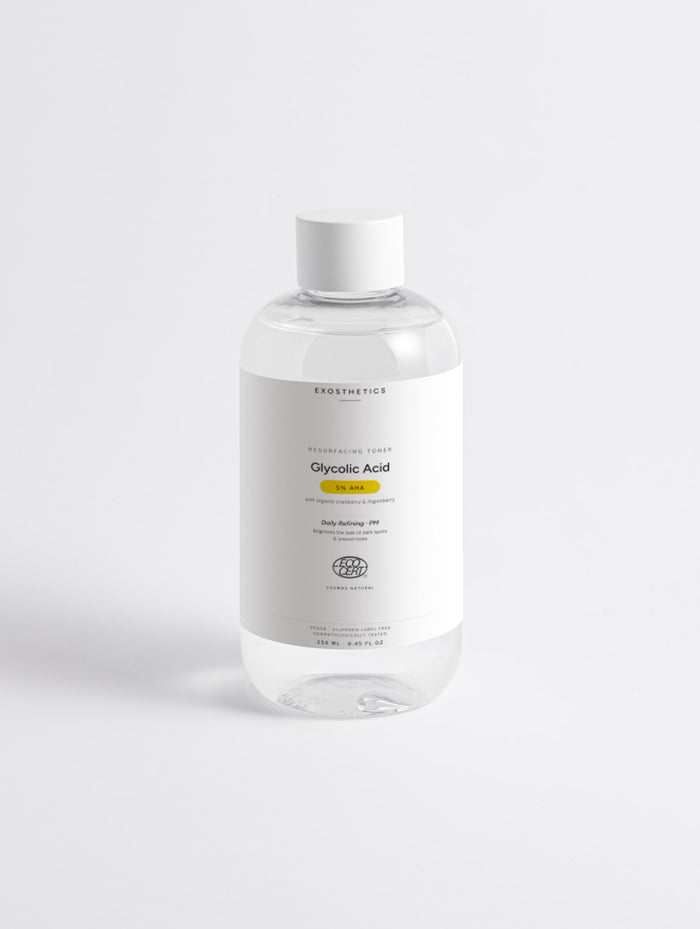
Note: for facial hyperpigmentation — where glycolic acid at clinical concentration is well-tolerated — we make The 5% Toner. It is not intended for bikini or intimate area application.
Frequently Asked Questions
How long does bikini line hyperpigmentation take to fade?
Epidermal PIH (surface-level) typically shows meaningful improvement within two to four months when the triggering factor is eliminated and gentle care is maintained. Dermal PIH (deeper pigment) can take six to twelve months or longer. Consistency in avoiding re-triggering is the single biggest factor in speed of resolution.
Does laser hair removal help with bikini line darkening?
Yes, when the darkening is caused by hair-related triggers such as ingrowns, razor irritation, or subcutaneous hair shadow. The Kutlubay 2009 study demonstrated effective hair reduction with alexandrite laser in 2,359 patients, which addresses these root causes. Pigment improvement is a secondary benefit of eliminating the inflammatory trigger, not a direct laser-on-pigment effect (Kutlubay, 2009).
Can bikini line hyperpigmentation get worse before it gets better after treatment?
Yes, transient darkening in the one-to-two-week window after laser treatment or other procedures is a recognized response. This occurs because the treatment itself creates controlled inflammation, which can temporarily activate melanocytes. In most cases, this resolves within two to four weeks if proper aftercare is followed and no additional irritation is introduced.
Is it safe to have laser treatment on darker skin types for bikini line hyperpigmentation?
It can be safe when performed by an experienced provider using appropriate parameters for your Fitzpatrick type. The Kutlubay 2009 study included patients across a range of skin types. Longer wavelength lasers such as Nd:YAG may be preferred over alexandrite for very dark skin to reduce the risk of epidermal pigment disruption. Provider expertise with melanin-rich skin is a safety requirement, not a preference (Kutlubay, 2009).
What should I avoid during the post-treatment recovery period?
Avoid tight clothing, fragranced products, physical exfoliation, sexual activity that creates friction on the treated area, hot baths, saunas, and heavy exercise causing sweating in the zone for at least the first seven days. Active skincare ingredients (acids, retinoids, vitamin C) should be avoided until your provider clears them, typically at two to four weeks post-procedure.
How much does laser treatment for bikini line hyperpigmentation cost?
Cost varies significantly by provider, location, and number of sessions required. Most patients need six to eight sessions for meaningful hair reduction. Individual sessions can range from several hundred dollars depending on the market and practice. The investment should be evaluated against the cumulative cost of ongoing hair removal methods and topical products that address symptoms rather than root causes.
Can I use brightening creams on my bikini area during pregnancy?
Most active brightening ingredients are contraindicated during pregnancy. Hydroquinone and retinoids are not safe. Niacinamide is generally considered acceptable. The most effective pregnancy strategy is friction reduction and patience - pregnancy-related darkening typically begins improving within three to six months postpartum as hormones normalize.
When can I resume shaving or waxing after treating bikini line hyperpigmentation?
If you have undergone laser hair removal, your provider will typically advise no shaving for three to five days post-session and no waxing or plucking at any point during the treatment course (as these remove the hair follicle the laser needs to target). If you treated PIH with topicals or other means, resume shaving only when all active irritation has resolved and consider switching to an electric trimmer to minimize future micro-trauma.
References
Kutlubay Z. Alexandrite laser hair removal results in 2359 patients: a Turkish experience. Journal of Cosmetic and Laser Therapy. 2009;11(2):85-93. doi: 10.1080/14764170902984903. PMID: 19466642.

The first week
Everything in this guide, in two products
Exosome Serum for the night of. 72-Hour+ Cream from day three. $99 together, ships from the US — arrives before it gets bad.
See the Kit — $99Table of Contents

Targeted 1% kojic acid for the look of dark spots.


