
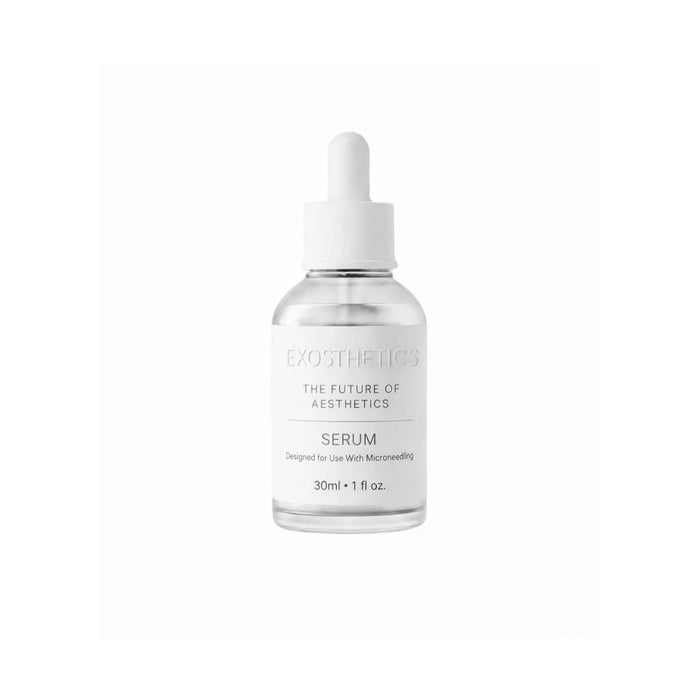

Microneedling for acne is one of the most searched-about dermatological procedures right now - and for good reason. Whether you're dealing with stubborn active breakouts, oily skin that seems to breed bacteria, or acne scars that have overstayed their welcome by years, microneedling promises a path toward clearer, smoother skin. But here's the thing: outcomes depend heavily on what type of acne problem you're treating, which microneedling modality is used, and - perhaps most importantly - your post-treatment care and microneedling aftercare in the days and weeks following your session.
If you're reading this with a red, freshly-treated face - or you're trying to decide whether microneedling is right for your acne before you book - this guide is built for both moments. We've grounded every clinical claim in the most recent peer-reviewed research, including a randomized controlled trial on microneedling mesotherapy and Cutibacterium acnes colonization (Ciozda et al., 2026), a systematic review and meta-analysis on microneedling with or without insulin in acne patients (Aldoukhi et al., 2026), an RCT on fractional microneedle radiofrequency plus low-dose isotretinoin (Disphanurat et al., 2026), a multimodal acne-scar case report (Velazquez Arenas et al., 2026), and a preclinical microneedle technology paper (Du et al., 2026). No invented statistics. No marketing fluff. Just what the science actually says - and what it doesn't.
What Is Microneedling For Acne - and Why Does the Type Matter?
"Microneedling" is not one procedure - it's an umbrella term covering several distinct modalities, and the device, needle depth, energy source (if any), and topical agents applied during or after treatment vary dramatically between them. The microneedling pen your aesthetician uses for a cosmetic facial is not the same thing as the fractional microneedle radiofrequency device a dermatologist operates in a clinical setting. Understanding this distinction is critical for setting realistic expectations.
In the current evidence base, three broad categories of microneedling have been studied for acne-related concerns. First, microneedling mesotherapy - which was evaluated in a randomized controlled trial involving women with oily skin, measuring its effects on skin parameters and Cutibacterium acnes colonization compared to chemical exfoliation and combination therapy (Ciozda et al., 2026). Second, fractional microneedle radiofrequency (RF) - studied as an adjunct to low-dose oral isotretinoin for moderate-to-severe acne vulgaris in a randomized controlled comparative study (Disphanurat et al., 2026). Third, microneedle drug-delivery and biomaterial technology - an emerging preclinical approach using proteoglycan mimetics-based antimicrobial and anti-inflammatory microneedles designed to restore dysregulated lipid metabolism and suppress skin atrophy in acne (Du et al., 2026).
Each of these approaches targets different aspects of acne pathology, uses different equipment and protocols, and produces different outcomes. When someone tells you "microneedling works for acne," the honest follow-up question is: which kind, for which type of acne, in which patient population?
Don't guess your recovery. Download FREE Clinical Microneedling Protocol Here
Can I Get Microneedling With Acne?
This is the first question nearly every acne patient asks - and the anxiety behind it is real. Will microneedling make your active acne worse? Will puncturing already-inflamed skin trigger a catastrophic breakout? The answer is nuanced, and it depends entirely on clinical context.
Here's what the research tells us. In the Ciozda et al. (2026) RCT, microneedling mesotherapy was tested on women with oily skin and measurable C. acnes colonization. These weren't post-acne patients with only scarring - they had the active skin conditions (oiliness, bacterial presence) that precede and accompany breakouts. The study compared microneedling mesotherapy against chemical exfoliation and a combination of both, specifically measuring changes in skin parameters and bacterial colonization.
In the Disphanurat et al. (2026) trial, fractional microneedle RF was studied in patients with moderate-to-severe acne vulgaris - meaning participants had active, significant acne during treatment. The microneedle RF was combined with low-dose oral isotretinoin and compared against isotretinoin monotherapy. This tells us that researchers and clinicians considered it appropriate to perform microneedling on actively acne-affected skin within a controlled clinical protocol.
The systematic review and meta-analysis by Aldoukhi et al. (2026) further reinforces this point: it included patients with acne (not exclusively post-acne scarring), suggesting that microneedling is actively being studied and applied in populations with ongoing acne concerns.
The key caveat: every study involved clinical oversight, specific patient selection criteria, and defined treatment protocols. Whether microneedling is appropriate for your current acne depends on severity, inflammation level, and what medications you're using. This isn't a DIY decision. Talk to your dermatologist about your specific situation before booking.

Why Acne Happens - and What Microneedling Is Actually Targeting
To understand what microneedling can realistically do for acne, it helps to understand what drives acne in the first place. One of the central players is a bacterium called Cutibacterium acnes (formerly known as Propionibacterium acnes). C. acnes is a normal resident of your skin's microbiome, but when it over-colonizes - particularly in oily skin environments where sebum production is elevated - it can trigger inflammation, clogged pores, and the cascade of events that become visible breakouts.
The Ciozda et al. (2026) RCT specifically measured C. acnes colonization as a primary outcome alongside skin parameters in women with oily skin. This is significant because it means the investigators were interested not just in cosmetic improvement but in whether microneedling mesotherapy could influence the bacterial ecosystem that contributes to acne formation. The study compared microneedling mesotherapy, chemical exfoliation, and combination therapy to determine which approach most effectively modulated these biological drivers (Ciozda et al., 2026).
On the innovation frontier, Du et al. (2026) developed proteoglycan mimetics-based microneedles designed to be both antimicrobial and anti-inflammatory - directly targeting the biological mechanisms that drive acne at its source. These microneedles aim to restore dysregulated lipid metabolism and suppress skin atrophy, representing a next-generation approach that goes beyond simple mechanical needling. While this research is still preclinical (meaning it hasn't been tested in human clinical trials yet), it illustrates the direction the field is heading: microneedle technology that treats the cause, not just the symptoms (Du et al., 2026).
Can Microneedling Help Acne?
There is growing clinical evidence that certain microneedling modalities can help with specific aspects of acne, but "help" looks different depending on which microneedling approach is used and which acne problem you're targeting.
For oily, acne-prone skin with elevated C. acnes levels, microneedling mesotherapy showed measurable effects on skin parameters and bacterial colonization when compared to chemical exfoliation and combination therapy in a controlled trial setting (Ciozda et al., 2026). For moderate-to-severe acne vulgaris, adding fractional microneedle RF to low-dose oral isotretinoin was studied as a potentially superior combination compared to isotretinoin alone (Disphanurat et al., 2026). And the broader systematic review and meta-analysis confirmed that microneedling - both with and without topical insulin as an adjunct - has been evaluated across multiple studies in acne patient populations, with the pooled analysis suggesting therapeutic benefit (Aldoukhi et al., 2026).
What "help" does not mean is a guaranteed cure, a one-session fix, or a replacement for comprehensive dermatologic care. Microneedling appears to be a useful tool in the acne treatment toolkit - particularly when combined with other evidence-based therapies and performed under professional guidance.
What Does Microneedling Do For Acne?
At a mechanistic level, microneedling creates controlled micro-injuries in the skin that trigger the body's wound healing cascade - stimulating collagen production, remodeling scar tissue, and enhancing the penetration of topical therapeutic agents. But for acne specifically, the mechanism of interest extends beyond collagen induction.
In the context of oily skin and acne, microneedling mesotherapy was evaluated for its ability to modulate both skin parameters (such as oiliness, hydration, and texture) and the colonization levels of C. acnes - the bacterium implicated in inflammatory acne development (Ciozda et al., 2026). When fractional microneedle RF is used, the addition of radiofrequency energy to the microneedling process means that thermal energy is delivered at controlled depths within the dermis. Disphanurat et al. (2026) studied this thermal-plus-mechanical approach combined with low-dose isotretinoin for moderate-to-severe acne, evaluating whether the dual modality accelerated or enhanced acne clearance beyond what medication alone could achieve.
For acne scarring specifically, the Velazquez Arenas et al. (2026) case report demonstrated that a multimodal approach - combining energy-based devices (including microneedling-type technologies) with injectable therapies - produced visible improvement in facial acne scarring. While a single case report cannot establish broad efficacy, it illustrates the real-world clinical application of combining microneedling with complementary treatments for scar remodeling.

What Happens During Treatment and What to Expect Immediately After
In the Ciozda et al. (2026) RCT, participants in the microneedling mesotherapy group underwent sessions as part of a structured treatment protocol that included comparison groups receiving chemical exfoliation or combination therapy. The study measured outcomes over a defined follow-up period, evaluating changes in skin parameters and C. acnes colonization at specific time points. In the Disphanurat et al. (2026) trial, participants receiving fractional microneedle RF underwent treatment sessions alongside their low-dose oral isotretinoin regimen, with the comparative group receiving isotretinoin alone. The Velazquez Arenas et al. (2026) case involved a series of multimodal treatments for acne scarring, including energy-based devices and injectables administered over multiple sessions.
Here is a summary of the treatment protocols studied in the current evidence base:
| Modality | Population | Comparator | Primary Outcomes Measured | Source |
|---|---|---|---|---|
| Microneedling mesotherapy | Women with oily skin | Chemical exfoliation / combination therapy | Skin parameters + C. acnes colonization | Ciozda et al., 2026 |
| Fractional microneedle RF + low-dose isotretinoin | Moderate-to-severe acne vulgaris | Isotretinoin alone | Acne severity and treatment response | Disphanurat et al., 2026 |
| Multimodal (energy-based devices + injectables) | Facial acne scarring (single case) | None (case report) | Scar appearance improvement | Velazquez Arenas et al., 2026 |
Microneedling Purging vs Breakout
This is one of the highest-anxiety search queries after microneedling, and for good reason. You've just had needles puncture your face to treat acne - and now new breakouts are appearing. Is this a normal "purging" phase, or did the treatment actually make things worse?
Here's the honest answer: the concept of "purging" as a distinct post-microneedling phenomenon is not directly evaluated or defined in the included clinical studies. What the research does provide are adverse event and outcome data within their respective follow-up periods. The systematic review and meta-analysis by Aldoukhi et al. (2026) pooled data from multiple microneedling studies in acne patients, which would include any reported adverse effects. If you are experiencing new or worsening breakouts after microneedling, do not self-diagnose this as "purging" - contact your treating provider to discuss what you're seeing and determine whether it's within expected parameters for your specific treatment protocol.

Does Microneedling For Acne Scars Hurt?
Pain and discomfort are the number one procedural anxiety for patients considering microneedling - and it's a completely reasonable concern. You are, after all, having dozens to hundreds of tiny needles penetrate your skin.
The honest answer from this evidence set is that pain reporting varies by modality and is not consistently detailed across all of the included studies. What we can say is that different microneedling approaches involve fundamentally different sensory experiences. Standard microneedling mesotherapy (Ciozda et al., 2026) involves mechanical penetration without additional energy delivery. Fractional microneedle RF (Disphanurat et al., 2026) adds radiofrequency thermal energy at the needle tip, which introduces a heat sensation on top of the mechanical puncture. The multimodal approach in the Velazquez Arenas et al. (2026) case involved energy-based devices alongside injectable therapies, representing yet another tolerability profile.
Most clinical microneedling procedures involve topical anesthetic application before treatment. If pain management is a significant concern for you, discuss specific anesthesia protocols with your provider before your session. The level of discomfort you experience will depend on needle depth, the device used, whether RF energy is involved, and your individual pain threshold.
Recovery, Aftercare, and Post-Treatment Care
Recovery after microneedling is not a passive waiting game - it's an active phase where the decisions you make directly influence your outcomes. Your skin has just undergone controlled micro-trauma, and the inflammatory response you're experiencing (redness, warmth, sensitivity) is intentional. It's part of the mechanism by which microneedling triggers collagen remodeling and tissue repair. The goal of aftercare is to support that healing process without introducing anything that could derail it.
Immediate Post-Treatment: 0-24 Hours
In the studied protocols, treatment sessions were conducted under clinical supervision with specific procedural parameters. The Ciozda et al. (2026) study protocol involved microneedling mesotherapy sessions followed by monitoring of skin parameters and bacterial colonization over time. The Disphanurat et al. (2026) protocol incorporated fractional microneedle RF sessions within an ongoing isotretinoin regimen. In both cases, participants were followed within structured timelines, suggesting that post-treatment monitoring was considered part of the treatment protocol.
What your skin is doing right now: the micro-channels created by the needles are in the process of closing, your skin barrier is temporarily compromised, and the inflammatory cascade that drives collagen production and tissue remodeling is actively underway. This is by design - not a sign that something has gone wrong.
24-72 Hour Microneedling Aftercare Priorities
The 24 to 72 hour window after microneedling is when your aftercare choices matter most. Here's what we can and cannot tell you based on the included studies:
✅ What the evidence supports: The clinical trials included structured follow-up protocols, meaning participants were monitored for outcomes and adverse events. The combination therapy approach in Ciozda et al. (2026) - combining microneedling mesotherapy with chemical exfoliation - suggests that complementary treatments were carefully timed and sequenced rather than applied haphazardly.
When can I wear makeup after microneedling? Makeup timing post-microneedling is not specifically addressed in the included clinical studies. Your provider will give you specific instructions based on the modality used and your skin's response. As a general principle, applying cosmetic products to a compromised skin barrier before micro-channels have closed introduces potential irritants and contaminants - so follow your clinician's timeline, not social media advice.
Sun protection after microneedling: While the included studies do not detail specific sun protection protocols, UV exposure on a compromised skin barrier is a universal dermatologic concern. Your skin is more vulnerable to photodamage when the barrier is disrupted. Discuss sun protection timing, product selection, and duration with your provider - this conversation should happen before you leave the office after your treatment.
What Helps Healing vs What Slows It
✅ Helps: Following the specific post-treatment protocol prescribed by your provider. The clinical studies in this evidence set used defined treatment and follow-up protocols designed to optimize outcomes (Ciozda et al., 2026; Disphanurat et al., 2026).
❌ Slows or hinders: Introducing untested topical agents or active ingredients without clinical guidance during the recovery window.
⚠️ Unknown from this evidence set: The included studies do not provide specific guidance on which topical active ingredients - retinol, vitamin C, AHAs, BHAs, niacinamide - to use or avoid after microneedling. The only topical adjunct specifically studied in the meta-analysis is insulin used during the microneedling procedure itself (Aldoukhi et al., 2026). All other product decisions should be made in consultation with your treating provider. We know patients search frantically for "can I use retinol after microneedling" or "best vitamin C serum after microneedling" - and the responsible answer is that these questions require personalized clinical guidance, not blog-post recommendations.

Can Microneedling Remove Acne Scars Completely?
Complete removal of acne scars is an understandably appealing promise - but it's not what the evidence supports. The Velazquez Arenas et al. (2026) case report documented visible improvement in facial acne scarring through a multimodal approach combining energy-based devices with injectable therapies, demonstrating meaningful aesthetic progress. However, this was a single case report, and "improvement" and "complete removal" are very different outcomes.
The systematic review and meta-analysis by Aldoukhi et al. (2026) pooled results from multiple microneedling studies and found evidence of therapeutic benefit for acne patients - but complete scar elimination was not the framing of these studies. Acne scar treatment is generally understood as a process of incremental improvement over multiple sessions, with realistic expectations centering on significant reduction in scar visibility rather than total erasure. Factors that influence the degree of improvement include scar type (atrophic vs hypertrophic), scar depth, skin type, number of treatment sessions, and whether complementary therapies are used. For realistic clinical photography examples, see our microneedling before and after for acne scars gallery.
Can Microneedling Make Acne Scars Worse?
In the clinical studies included in this evidence set, microneedling was performed under controlled conditions with appropriate patient selection, trained clinicians, and defined protocols. Within these parameters, the studies evaluated outcomes including improvement metrics and adverse events (Aldoukhi et al., 2026; Ciozda et al., 2026; Disphanurat et al., 2026). The risk of worsening scars increases when microneedling is performed at inappropriate depths, on actively infected skin, with improper technique, or without adequate aftercare.
If you're concerned about potential worsening, the most protective step you can take is to ensure your procedure is performed by a qualified, experienced provider who evaluates your specific scar type, skin condition, and medical history before determining whether microneedling is appropriate - and which modality and parameters to use. The risk of post-inflammatory hyperpigmentation is particularly relevant for individuals with darker skin tones (Fitzpatrick types III to VI).
Can Microneedling Cause Acne?
The question of whether microneedling can trigger new acne breakouts is closely related to the "purging vs breakout" concern discussed earlier. The systematic review by Aldoukhi et al. (2026) analyzed data from multiple studies involving microneedling in acne patients, which would capture reported adverse effects including new breakout development. In the Ciozda et al. (2026) study, investigators specifically measured C. acnes colonization before and after treatment - which means any treatment-related increase in bacterial colonization would have been detected.
Any procedure that punctures the skin creates temporary vulnerability to bacterial entry. This is why clinical microneedling protocols emphasize sterile technique and post-treatment hygiene. If you develop new breakouts after microneedling, contact your provider rather than assuming it's a normal part of the process.
Are Microneedling Results For Acne Scars Permanent
The collagen remodeling stimulated by microneedling does produce structural changes in the skin that can be long-lasting. However, "permanent" is a complex term in dermatology. The skin continues to age, environmental factors continue to influence skin quality, and without maintenance, some degree of change over time is expected. The studies in this evidence set evaluated outcomes at their defined follow-up time points (Ciozda et al., 2026; Disphanurat et al., 2026; Velazquez Arenas et al., 2026), but none were designed as multi-year longevity studies tracking scar improvement permanence over decades.
A realistic expectation is that microneedling can produce meaningful, lasting improvement in acne scarring - particularly when multiple sessions are completed and when the treatment is part of a comprehensive skin care strategy. Your provider can discuss maintenance treatment schedules based on your individual response.
How Deep Microneedling Should Be For Acne Scars
Needle depth is one of the most important treatment parameters in microneedling, and the appropriate depth varies based on scar type, location, skin thickness, and the specific device being used. In the studies included in this review, the specific needle depth parameters were defined as part of the controlled study protocols - the Ciozda et al. (2026) mesotherapy protocol and the Disphanurat et al. (2026) fractional microneedle RF protocol each used modality-specific depth settings appropriate to their treatment goals and patient populations.
This is emphatically not a parameter you should determine on your own. Too shallow and the treatment may be ineffective; too deep and you risk unnecessary trauma, prolonged healing, and potential scarring. Depth determination is a clinical decision that should be made by your treating provider based on assessment of your individual skin and scar characteristics.
How Often Can You Do Microneedling For Acne Scars?
Treatment frequency depends on the modality, the condition being treated, and the individual's healing response. The clinical studies in this evidence set used structured treatment schedules with defined intervals between sessions. The Ciozda et al. (2026) RCT involved a series of microneedling mesotherapy sessions compared over a specified treatment period. The Disphanurat et al. (2026) study incorporated multiple fractional microneedle RF sessions alongside ongoing isotretinoin therapy. The Velazquez Arenas et al. (2026) case report documented a multimodal treatment series for acne scarring.
As a general principle across the literature, microneedling sessions for acne scarring are typically spaced several weeks apart to allow adequate collagen remodeling between treatments. Your provider will determine the optimal interval based on how your skin responds to each session and the specific modality being used. More frequent treatment is not necessarily better - the healing interval between sessions is when much of the therapeutic benefit occurs.
Microneedling By Acne Type: What the Evidence Covers
Patients often search for guidance on microneedling for their specific type of acne. Here's an honest breakdown of what this evidence set can and cannot address for each acne subtype.
Microneedling For Comedonal Acne
Comedonal acne - characterized by blackheads and whiteheads - represents non-inflammatory clogged pores. The Ciozda et al. (2026) study evaluated women with oily skin and C. acnes colonization, which is relevant to the comedone-forming environment. However, comedonal acne as a distinct subtype was not isolated as a primary outcome in any of the included studies. If you have predominantly comedonal acne, discuss with your provider whether microneedling mesotherapy's effects on skin parameters and bacterial colonization (as studied by Ciozda et al., 2026) are relevant to your situation.
Microneedling For Cystic Acne
Cystic acne represents the most severe end of the acne spectrum - deep, painful, inflammatory nodules. The Disphanurat et al. (2026) study included patients with moderate-to-severe acne vulgaris, which may encompass cystic presentations. Importantly, the fractional microneedle RF in that study was used as an adjunct to oral isotretinoin - not as a standalone treatment. Cystic acne typically requires systemic medical management, and microneedling should not be viewed as a replacement for medical therapy in severe cases. Our guide on what to expect after microneedling can help you prepare if your provider does recommend it as part of your treatment plan.
Microneedling For Hormonal Acne
Hormonal acne - often presenting along the jawline and chin, fluctuating with menstrual cycles or hormonal changes - was not specifically identified as a distinct study population in the included evidence set. The oily-skin participants in Ciozda et al. (2026) may have included individuals with hormonally-driven sebum production, but hormonal status was not a reported variable. If hormonal acne is your primary concern, microneedling may play a supporting role alongside hormonal management, but this specific application requires consultation with your dermatologist.
Microneedling For Deep Acne
Deep acne - whether deep comedones, nodules, or cysts - presents unique treatment challenges because of its location within the skin. The fractional microneedle RF studied by Disphanurat et al. (2026) delivers energy at controlled depths, which may make it more suitable for deeper acne lesions than surface-level microneedling. However, deep acne often requires systemic treatment as the primary intervention, with procedural treatments serving as adjuncts rather than first-line therapy.
Microneedling For Mild Acne
The oily-skin population in the Ciozda et al. (2026) study - with measurable C. acnes colonization but not necessarily severe inflammatory acne - may most closely represent the mild acne category. In this context, microneedling mesotherapy was compared to chemical exfoliation and combination therapy for effects on skin parameters and bacterial colonization. For mild acne, the question often isn't whether microneedling can help, but whether it's the most appropriate and cost-effective first-line approach compared to established topical treatments.
Microneedling For Fungal Acne
Fungal acne (pityrosporum folliculitis) is caused by yeast overgrowth, not by C. acnes bacteria. None of the included studies evaluated microneedling for fungal acne specifically. The antimicrobial microneedle technology described by Du et al. (2026) targets acne-associated mechanisms, but this is preclinical research and was not tested against fungal organisms. If you suspect fungal acne, an accurate diagnosis from your provider is the essential first step - treating fungal acne as bacterial acne (or vice versa) leads to poor outcomes regardless of the modality used.
Microneedling By Scar Type
Microneedling For Pitted Acne Scars
Pitted (atrophic) acne scars - including ice pick, boxcar, and rolling scars - are among the most commonly treated conditions with microneedling. The systematic review and meta-analysis by Aldoukhi et al. (2026) included studies examining microneedling in acne patients, and the Velazquez Arenas et al. (2026) case report specifically documented multimodal management of facial acne scarring, which commonly presents as pitted scarring. The collagen-stimulating mechanism of microneedling is theoretically well-suited to atrophic scars where tissue volume has been lost.
Microneedling Therapy For Atrophic Acne Scars
Atrophic acne scars represent areas where the skin has lost underlying structural support, resulting in depressions. The meta-analysis by Aldoukhi et al. (2026) provides the broadest evidence base for microneedling's effectiveness in acne, pooling data from multiple studies. The multimodal case by Velazquez Arenas et al. (2026) demonstrated that combining energy-based devices with injectable therapies can produce visible improvement in atrophic acne scarring - suggesting that microneedling may be most effective as part of a comprehensive scar treatment plan rather than as a standalone intervention.
Microneedling For Raised Acne Scars
Raised (hypertrophic or keloidal) acne scars present a different challenge than atrophic scars. The studies in this evidence set primarily address acne and acne scarring in general terms - none specifically isolate hypertrophic scar outcomes from microneedling treatment. If you have raised acne scars, your treatment plan may require different modalities or combination approaches specifically designed for hypertrophic tissue, and this should be discussed individually with your dermatologist.
Microneedling For Red Acne Marks
Red acne marks - post-inflammatory erythema (PIE) - are not true scars but rather persistent redness from dilated blood vessels at sites of previous inflammation. The included studies focus on acne treatment and acne scarring rather than PIE specifically. While microneedling's promotion of skin remodeling may have secondary effects on post-inflammatory changes, this specific application is not directly evaluated in the current evidence set. If persistent redness is your primary concern, ask your provider whether microneedling or an alternative approach (such as vascular laser therapy) is more appropriate.
Microneedling For Light Acne Scars
Lighter or more superficial acne scarring may respond well to microneedling, as the depth of treatment needed is less. The evidence base from Aldoukhi et al. (2026) includes acne patients across a spectrum of severity. For mild scarring, fewer treatment sessions may be needed - but this is a clinical determination based on your individual scar assessment, not a generalization we can make from the current studies.
Microneedling For Old Acne Scars
The age of your acne scars is a common concern. "Will microneedling still work on scars I've had for years?" The Velazquez Arenas et al. (2026) case report documented improvement in established facial acne scarring through multimodal treatment, though the specific scar duration is detailed in the full case report. The collagen remodeling stimulated by microneedling works on existing scar tissue regardless of its age - mature scars are still composed of collagen that can be remodeled. However, older, more deeply established scars may require more treatment sessions for visible improvement.
At-Home Microneedling Considerations
Best Microneedling For Acne Scars At Home
At-home microneedling devices - typically derma rollers or motorized pen devices with shorter needles than professional systems - are widely available and heavily marketed. However, it is critically important to understand that none of the clinical studies in this evidence set evaluated at-home microneedling devices. The Ciozda et al. (2026) mesotherapy, the Disphanurat et al. (2026) fractional microneedle RF, and the Velazquez Arenas et al. (2026) multimodal approach all involved professional-grade devices operated by trained clinicians in controlled settings.
At-home devices operate at shallower depths and with less precision than professional systems. While they may offer some benefit for superficial skin texture, extrapolating the clinical trial results described in this guide to at-home devices would be scientifically inaccurate. If you choose to use an at-home device, do so with the understanding that the evidence supporting professional microneedling does not automatically extend to consumer-grade products.
What Size Derma Roller To Use For Acne Scars
Derma roller needle size is another question that requires individualized clinical guidance rather than a one-size-fits-all answer. The professional modalities studied in the included research used specific needle depths and parameters determined by the clinical protocol - these are not equivalent to consumer derma roller sizes. If you're considering a derma roller for acne scars at home, consult with a dermatologist who can assess your scar depth and recommend appropriate parameters - or, more likely, recommend professional treatment for meaningful scar improvement.
Best Serum For Microneedling For Acne Scars
The question of which serum to use during or after microneedling for acne scars is among the most frequently searched topics in this category. In the included evidence, the only topical adjunct specifically studied in the meta-analysis was insulin used as a microneedling adjunct (Aldoukhi et al., 2026). The microneedling mesotherapy protocol (Ciozda et al., 2026) involved specific mesotherapy solutions as part of the treatment, but these are professional formulations applied within a clinical protocol. Consumer serums marketed for use with microneedling are not evaluated in these studies. Serum selection should be guided by your provider based on your skin type, concerns, and the specific microneedling modality being used.
Comparison Guide: Microneedling vs Other Acne Scar Treatments
Patients frequently want to know how microneedling stacks up against other popular scar treatments. Here's an important context note: the included evidence set focuses specifically on microneedling modalities for acne and acne scarring. Head-to-head comparisons between microneedling and other modalities (CO2 laser, Fraxel, Morpheus8, PRP, tretinoin) are not directly evaluated in these five studies. The comparisons below are therefore framed in terms of what we can say from the available evidence, not speculative claims.
| Comparison | What This Evidence Set Tells Us | What Requires Separate Evidence |
|---|---|---|
| CO2 laser vs microneedling for acne scars | Not directly compared in included studies | Head-to-head RCTs needed |
| Fraxel vs microneedling for acne scars | Not directly compared in included studies | Head-to-head RCTs needed |
| Morpheus8 vs microneedling for acne scars | Morpheus8 is a fractional RF microneedling device; Disphanurat et al. (2026) studied fractional microneedle RF, which is the same technology category | Device-specific comparison studies needed |
| PRP vs microneedling for acne scars | Not directly compared in included studies | Head-to-head RCTs needed |
| Tretinoin vs microneedling for acne scars | Isotretinoin (systemic retinoid) was used as a comparator alongside microneedle RF in Disphanurat et al. (2026), but this is oral isotretinoin, not topical tretinoin | Topical tretinoin vs microneedling studies needed |
Alternatives To Microneedling For Acne Scars
If microneedling isn't right for you - whether due to contraindications, personal preference, or your specific scar type - alternatives exist. The multimodal case report by Velazquez Arenas et al. (2026) specifically demonstrated that energy-based devices and injectable therapies can be combined for acne scar management, suggesting that the treatment landscape is broader than any single modality. Chemical exfoliation was also studied as both a standalone treatment and combination partner in the Ciozda et al. (2026) trial. Your dermatologist can help you evaluate the full range of options based on your scar type, skin type, budget, and treatment goals.
CO2 vs Microneedling For Acne Scars
CO2 laser resurfacing and microneedling are both collagen-stimulating scar treatments, but they use fundamentally different mechanisms - ablative thermal energy versus mechanical micro-injury. The included studies do not provide direct CO2 laser comparison data. Both modalities have robust literature supporting their use for acne scars, but which is more appropriate depends on scar severity, skin type (particularly Fitzpatrick skin type and associated risk of post-inflammatory hyperpigmentation), downtime tolerance, and provider expertise.
Do Microneedle Acne Patches Work?
Microneedle acne patches - adhesive patches embedded with dissolving microneedles that deliver active ingredients directly into pimples - represent a consumer application of microneedle technology. The preclinical research by Du et al. (2026) explores microneedle drug-delivery technology for acne, including antimicrobial and anti-inflammatory microneedles designed to target acne mechanisms. However, the Du et al. research involves a specific advanced biomaterial platform (proteoglycan mimetics-based microneedles) and is preclinical, meaning it has not yet been tested in human patients. Consumer microneedle patches available today are a different product category from this research-stage technology.
Microneedling vs Fraxel For Acne Scars
Fraxel is a fractional laser that creates columns of thermal damage in the skin to stimulate remodeling - conceptually similar to microneedling's controlled injury approach but using laser energy rather than physical needles. This comparison is not directly addressed in the included evidence set. Both treatments have established track records for acne scar improvement, and the choice between them typically depends on scar characteristics, skin type, recovery time preference, and provider recommendation.
Microneedling vs Laser For Acne Scars
The broader "microneedling vs laser" question encompasses multiple laser types (ablative, non-ablative, fractional, pulsed-dye) versus multiple microneedling modalities. The included studies focus exclusively on microneedling-based approaches and do not include laser comparators. What we can note is that the Disphanurat et al. (2026) study of fractional microneedle RF represents a hybrid technology that bridges the gap between traditional microneedling and energy-based treatments, potentially offering some benefits of both approaches.
Microneedling vs Morpheus8 For Acne Scars
Morpheus8 is a commercially branded fractional radiofrequency microneedling device. The Disphanurat et al. (2026) study investigated fractional microneedle radiofrequency as a treatment modality for moderate-to-severe acne - which is the same technology category that Morpheus8 represents. While the specific device used in the study may differ from Morpheus8, the underlying mechanism (combining microneedle penetration with RF energy delivery) is analogous. This makes the Disphanurat et al. findings more directly relevant to Morpheus8-type treatments than to standard non-RF microneedling.
Microneedling vs PRP For Acne Scars
Platelet-rich plasma (PRP) is often used as an adjunct applied during microneedling sessions rather than as a competing standalone treatment. The included evidence set does not evaluate PRP as a microneedling adjunct - the adjunct studied in the meta-analysis was insulin (Aldoukhi et al., 2026). PRP-augmented microneedling has its own evidence base in the broader literature, but we cannot make claims about its comparative effectiveness based on the current source set.
Microneedling vs Tretinoin For Acne Scars
The Disphanurat et al. (2026) study provides relevant context here, though with an important distinction. That study compared fractional microneedle RF plus low-dose oral isotretinoin against oral isotretinoin alone. Oral isotretinoin is a systemic retinoid medication prescribed for moderate-to-severe acne - it is not the same as topical tretinoin (Retin-A), which is a milder, topically-applied retinoid. The study's finding that combination therapy showed benefit over isotretinoin alone suggests additive value of microneedling alongside retinoid therapy, but direct tretinoin-versus-microneedling comparisons require separate studies.
Microneedling With Exosomes For Acne Scars
Exosome-based therapies represent an emerging area in regenerative dermatology, with exosomes being applied topically after microneedling to potentially enhance the healing and remodeling response. It is important to note that exosome therapy is not evaluated in any of the five included studies in this evidence set. We cannot make evidence-based claims about the effectiveness of microneedling combined with exosomes for acne scars based on these sources. If exosome therapy interests you, seek providers who can discuss the specific evidence base (separate from this review), regulatory status, and realistic expectations for this newer modality.
Realistic Results Timeline: When Will You See Improvement?
The honest answer is that results are gradual, not overnight. Collagen remodeling is a biological process that unfolds over weeks to months.
| Timeframe | What's Happening | What You Might See |
|---|---|---|
| 0-7 days | Initial healing, micro-channel closure, acute inflammatory response | Redness, swelling, sensitivity - this is recovery, not results |
| 2-4 weeks | Early collagen synthesis begins | Skin texture may begin to smooth; redness resolves |
| 1-3 months | Active collagen remodeling phase | Gradual improvement in scar appearance and skin quality |
| 3-6+ months | Continued remodeling, especially after multiple sessions | Cumulative improvement becomes more visible |
The clinical studies in this review measured outcomes at their defined follow-up time points (Ciozda et al., 2026; Disphanurat et al., 2026; Velazquez Arenas et al., 2026), with results assessed at structured intervals rather than immediately post-treatment. This reinforces that patience and adherence to your treatment plan - including completing the full recommended series of sessions - is essential for optimal outcomes.
What To Tell Your Provider: A Communication Guide
Whether you're pre-treatment and evaluating your options or post-treatment and experiencing something unexpected, knowing how to communicate effectively with your provider leads to better outcomes. Here are the key things to discuss:
Before treatment: Share your complete acne history, current medications (especially isotretinoin or other retinoids, as the Disphanurat et al. [2026] study specifically involved isotretinoin-treated patients), previous treatments, and your specific goals. Ask which microneedling modality they recommend for your situation and why. Our guide on what to do before microneedling can help you prepare for this conversation.
After treatment: Report any unexpected reactions - new breakouts, prolonged redness beyond the expected timeline, signs of infection (increasing pain, warmth, pus), or any other concerns. Don't wait for your follow-up appointment if something seems wrong. Also share what products you've been applying to your skin, even if you think they're innocuous - your provider needs complete information to give you accurate guidance.
Frequently Asked Questions
Can microneedling make acne worse before it gets better?
The concept of post-microneedling "purging" is not specifically evaluated in the included clinical studies. Some patients may experience temporary breakouts after treatment. If you develop new or worsening acne after microneedling, contact your provider to determine whether this is within expected parameters for your treatment protocol (Aldoukhi et al., 2026).
How many microneedling sessions do I need for acne scars?
The number of sessions varies by scar severity, scar type, and the microneedling modality used. The clinical studies in this evidence set involved structured multi-session treatment protocols (Ciozda et al., 2026; Disphanurat et al., 2026). Your provider will recommend a treatment series based on your individual assessment and response to initial sessions.
Can I do microneedling while on isotretinoin?
The Disphanurat et al. (2026) RCT specifically studied fractional microneedle RF combined with low-dose oral isotretinoin in moderate-to-severe acne patients. This suggests clinical scenarios exist where the combination is considered appropriate under medical supervision. However, this decision must be made by your prescribing dermatologist based on your dosage and skin status.
When can I wear makeup after microneedling?
Makeup timing post-microneedling is not specifically addressed in the included clinical studies. Your skin barrier is temporarily compromised after treatment, and applying cosmetics too early can introduce irritants. Follow your provider's specific instructions for your modality and skin type.
Does microneedling help with acne bacteria?
The Ciozda et al. (2026) RCT measured Cutibacterium acnes colonization as a primary outcome, indicating that microneedling mesotherapy's effects on acne-associated bacteria are being actively evaluated. Preclinical antimicrobial microneedle technologies are also in development (Du et al., 2026).
Is microneedling or chemical peel better for acne?
The Ciozda et al. (2026) study directly compared microneedling mesotherapy against chemical exfoliation (and combination therapy) in women with oily skin, measuring skin parameters and C. acnes colonization. The study's results would indicate relative effectiveness, but the best choice depends on your specific condition and should be discussed with your provider.
Can I use retinol after microneedling?
The included studies do not provide specific guidance on topical retinol use after microneedling. Retinol is an active ingredient that can be irritating on a compromised skin barrier. Consult your provider about when to resume retinol and other active ingredients after your treatment session.
Is microneedling safe for dark skin tones?
Microneedling is generally considered to have a more favorable safety profile across Fitzpatrick skin types compared to some laser modalities because it does not rely on chromophore-targeting energy. The included studies evaluated diverse patient populations (Aldoukhi et al., 2026). Discuss your specific skin type and pigmentation concerns with your provider.
What is the difference between microneedling and microneedle RF?
Standard microneedling creates mechanical micro-injuries only, while microneedle RF (as studied by Disphanurat et al., 2026) delivers radiofrequency thermal energy through the needles at controlled depths. The RF component adds thermal tissue remodeling to the mechanical injury, potentially enhancing results for certain conditions including moderate-to-severe acne.
Can I do microneedling at home for acne scars?
All clinical evidence in this guide comes from professional-grade devices used by trained clinicians in controlled settings (Ciozda et al., 2026; Disphanurat et al., 2026; Velazquez Arenas et al., 2026). At-home devices use shorter needles and different mechanisms. The clinical results described here cannot be directly applied to consumer devices.
References
Ciozda A, Firlej E, Bartosinska J, Raczkiewicz D. The Effect of Microneedling Mesotherapy, Chemical Exfoliation and Combination Therapy on Selected Skin Parameters and Cutibacterium acnes Colonization in Women With Oily Skin. J Cosmet Dermatol. 2026;25(2):e70752. doi:10.1111/jocd.70752
Aldoukhi A, Alhadeyah M, Alshamari F, Makhseed A, Abdelaziz A. Effectiveness of Microneedling With or Without Insulin in Patients With Acne: A Systematic Review and Meta-Analysis. Cureus. 2026;18(2):e104021. doi:10.7759/cureus.104021
Disphanurat W, Leeyangyuen P, Srisantithum B. Efficacy of Low-Dose Oral Isotretinoin Combined With Fractional Microneedle Radiofrequency Versus Low-Dose Oral Isotretinoin Monotherapy in the Treatment of Moderate-To-Severe Acne Vulgaris: A Randomized Controlled Comparative Study. Lasers Surg Med. 2026. doi:10.1002/lsm.70120
Velazquez Arenas LL, Garay Enriquez S, Gomez D. Multimodal Management of Facial Acne Scarring Using Energy-Based Devices and Injectable Therapies: A Case Report. Cureus. 2026;18(1):e102151. doi:10.7759/cureus.102151
Du K, Yang ZR, Qi L, et al. Proteoglycan Mimetics-Based Antimicrobial and Anti-Inflammatory Microneedles Restoring Dysregulated Lipid Metabolism and Suppressing Skin Atrophy for Acne Treatment. Small. 2026:e12378. doi:10.1002/smll.202512378

The first week
Everything in this guide, in two products
Exosome Serum for the night of. 72-Hour+ Cream from day three. $99 together — and you can add Ceramide Repair, the day-7 step, for $35 instead of $49.
See the Kit — $99


