
Microneedling for stretch marks is one of the most talked-about treatments for those stubborn lines that show up after pregnancy, growth spurts, or significant weight changes. But here's what most articles won't tell you upfront - outcomes depend heavily on the type of stretch mark you have, your skin type, how many sessions you commit to, and how seriously you follow post-treatment care protocols. Your microneedling aftercare routine can genuinely make or break your results.
This guide breaks down what the science actually supports, what happens in the skin during the healing process, how many sessions are typically discussed in published research, and how microneedling stacks up against other clinical options like lasers, radiofrequency devices, and emerging therapies. We're drawing from the most recent systematic and comprehensive reviews available - not marketing claims, not anecdotal before-and-afters, but peer-reviewed evidence published between 2025 and 2026 (Wu & Wang, 2026; Chaudhury et al., 2026; Algarra Sahuquillo & Martín-Gorgojo, 2025; Marin et al., 2025; Garelli et al., 2025).
If you've already had your first session and need aftercare guidance right now, skip ahead to the Post-Treatment Care section below. If you're still in the research and decision phase, start right here - we'll walk through everything from how stretch marks form, to what realistic improvement looks like, to where combination approaches and emerging therapies like microneedling with exosomes serum and autologous micrografting fit into the picture.
Stretch Marks 101: Causes, Types, and Why They're So Hard to Erase
Stretch marks - clinically known as striae distensae - are not surface-level blemishes. They represent structural changes deep within the dermis, the thick middle layer of your skin where collagen and elastin fibers provide strength and elasticity. When skin is stretched rapidly or when hormonal shifts alter the skin's structural proteins, these fibers can rupture and reorganize abnormally, leaving visible lines on the surface (Wu & Wang, 2026; Chaudhury et al., 2026).
Common triggers include pregnancy, adolescent growth spurts, rapid weight gain or loss, bodybuilding, and prolonged use of corticosteroids. But not all stretch marks are created equal, and this distinction matters enormously for treatment planning.
Striae Rubrae vs. Striae Albae - Why the Difference Matters
Stretch marks generally progress through two stages, and where yours fall on this spectrum directly influences how well they respond to treatment.
⚠️ Striae rubrae are newer stretch marks. They appear red, pink, or purple and are still actively vascularized, meaning they have increased blood flow. The inflammatory process is still underway, which actually makes them more responsive to intervention. Think of them as a wound that hasn't fully settled yet - there's still biological activity that treatments can work with.
Striae albae are the older, mature stretch marks that have faded to white or silvery tones. The inflammation has resolved, the tissue has atrophied, and the collagen architecture has reorganized into its scarred state. These are generally considered more resistant to treatment because the biological "window of opportunity" for easier intervention has narrowed (Algarra Sahuquillo & Martín-Gorgojo, 2025; Wu & Wang, 2026).
This classification isn't just academic terminology - it shapes which treatment approach a clinician might recommend, how many sessions you might need, and what degree of improvement is realistic. The systematic reviews consistently emphasize that outcomes vary significantly between rubrae and albae subtypes, and that heterogeneity in results across published studies is partly explained by this distinction (Chaudhury et al., 2026).
💡 Key takeaway: Treatments for stretch marks generally aim for improvement in texture, color blending, and overall visibility - not true erasure. Setting this expectation early isn't pessimistic; it's how you measure real success without unnecessary disappointment.
Don't guess your recovery. Download FREE Clinical Microneedling Protocol Here
What Is Microneedling and How It's Used for Stretch Marks
Microneedling, sometimes referred to as collagen induction therapy, is a minimally invasive technique that uses fine needles to create controlled micro-injuries in the skin's surface. The concept is straightforward: by creating thousands of tiny puncture channels, the procedure triggers the body's natural wound-healing cascade, which involves inflammation, proliferation, and remodeling phases. The intent is for the skin to lay down new collagen and elastin during repair, gradually improving the texture and architecture of damaged tissue (Wu & Wang, 2026; Chaudhury et al., 2026).
It's worth understanding the basic device categories before you encounter specific brand names later in this guide. Microneedling devices generally fall into three groups: manual derma rollers (cylindrical rollers studded with needles), automated pen-style devices (like the Dermapen, which uses a motorized needle cartridge for more consistent depth control), and radiofrequency-assisted microneedling devices (which add thermal energy to the needling process for a combined effect). Each has different penetration capabilities, consistency, and clinical applications (Chaudhury et al., 2026).
The proposed mechanism for why microneedling might help stretch marks specifically is rooted in the idea that the controlled micro-injuries can stimulate remodeling of the disorganized dermal collagen that characterizes striae distensae. Multiple systematic and comprehensive reviews discuss microneedling as one of the treatment modalities evaluated for striae, alongside lasers, platelet-rich plasma, and other approaches (Wu & Wang, 2026; Algarra Sahuquillo & Martín-Gorgojo, 2025).
Here's the simplified process flow:
Needling creates micro-channels → Controlled injury signals the skin's repair system → Inflammatory phase initiates healing → New collagen and elastin are deposited during the proliferative phase → Remodeling phase gradually refines the tissue → Textural improvement develops over weeks to months
This process doesn't happen overnight. Each session contributes incrementally, which is why multiple treatments spaced weeks apart are the standard approach discussed in clinical literature.

What Happens to the Skin During and After Microneedling
Understanding what to expect during and immediately after a microneedling session helps separate normal healing from genuine concerns. The Marin et al. (2025) comparative study - one of the few to evaluate microneedling as a stand-alone treatment specifically for striae rubrae and albae - provides direct insight into safety and tolerability, while the broader reviews contextualize these findings within the larger treatment landscape.
During the Procedure: Does Microneedling Hurt on Stretch Marks?
This is one of the most commonly searched questions, and for good reason. The treatment area for stretch marks often includes sensitive regions like the abdomen, thighs, hips, and breasts. In clinical settings, topical numbing cream (anesthetic) is typically applied before the procedure to manage discomfort. Marin et al. (2025) conducted their study in a clinical setting where standard procedural protocols were followed, and the treatment was reported to be well-tolerated by participants (Marin et al., 2025). For a deeper look at what the sensation actually feels like, see our guide on how painful microneedling is.
Patients generally describe the sensation as a scratching or vibrating feeling rather than sharp pain, though sensitivity varies depending on the treatment area, needle depth, and individual pain tolerance. Areas with thinner skin or closer proximity to bone tend to be more sensitive.
After the Procedure: What's Normal and What's Not
Immediately following treatment, redness, warmth, and mild swelling in the treated area are expected and considered part of the normal inflammatory response. This typically resembles a moderate sunburn and generally subsides within 24 to 72 hours. Some patients experience tightness, dryness, and mild flaking as the skin moves through its initial healing phase (Wu & Wang, 2026; Chaudhury et al., 2026).
⚠️ Red flags to watch for: While temporary redness is expected, worsening pain that escalates rather than improves, spreading redness with heat, pus or unusual discharge, or fever should prompt you to contact your treating provider immediately. These could indicate infection or an adverse reaction. Additionally, some patients worry that their stretch marks may look temporarily worse - slightly more visible or more pink - in the days immediately following treatment. This can be a normal part of the inflammatory response, but if it persists beyond the expected healing window, it warrants a conversation with your provider rather than silent concern.
The Marin et al. (2025) study's safety findings are particularly relevant here: microneedling was evaluated as safe for the treatment of striae in their cohort, with no serious adverse events reported (Marin et al., 2025). The broader reviews echo this, positioning microneedling as having a favorable safety profile when performed in appropriate clinical settings (Chaudhury et al., 2026).
Post-Treatment Care and Microneedling Aftercare: What Matters Most
This section sits immediately after the procedure experience section for a reason - if you've just had a microneedling session and you're searching for guidance, you need this information now, not after reading five more sections about candidacy and comparisons. Good aftercare isn't optional. It directly impacts how well your skin heals, how effectively new collagen forms, and whether you avoid complications like post-inflammatory hyperpigmentation.
Your Aftercare Timeline
| Time Window | What's Normal | What to Do | What to Avoid |
|---|---|---|---|
| 0-24 hours | Redness, warmth, mild swelling | Cool compress, gentle cleanser, barrier moisturizer | Makeup, active ingredients, sun exposure, swimming |
| 24-72 hours | Tightness, dryness, mild flaking | Continue barrier care, SPF 30+ if area is exposed | Exfoliants, retinoids, fragranced products, intense exercise |
| 3-7 days | Settling, possible mild peeling | Resume normal gentle skincare routine | Picking, scrubbing, harsh products |
| 1-4 weeks | Gradual return to baseline skin | Reintroduce actives per provider guidance | Re-treating too soon without clinical assessment |
What "Barrier Support" Actually Means
You'll hear the term "barrier support" a lot in aftercare guidance, but it often goes unexplained. Here's what it means in practical terms: after microneedling, your skin's protective outer layer has been deliberately disrupted. Your job during recovery is to keep that healing skin hydrated, protected, and free from irritants. This means using a gentle, fragrance-free moisturizer that helps retain moisture without introducing potentially sensitizing ingredients. Avoid products with active acids (glycolic, salicylic, lactic), retinoids, vitamin C serums, and anything with fragrance or alcohol during the initial healing window (Wu & Wang, 2026). For a full breakdown of what to use after microneedling, check our dedicated guide.
✅ Do: Use gentle, fragrance-free moisturizer. Apply SPF 30 or higher to any treated areas exposed to sunlight. Keep the treated skin clean with a mild cleanser. Stay hydrated.
❌ Don't: Apply makeup to the treatment area for at least 24 hours. Use exfoliating acids, retinoids, or vitamin C serums in the first 72 hours. Pick at any flaking skin. Soak in pools, hot tubs, or saunas during initial healing.
Exercise and Activity Restrictions
Intense exercise that produces heavy sweating, friction on the treated area, or exposure to bacteria (like gym equipment) should generally be avoided for at least 48 to 72 hours post-treatment. Sweat can irritate the micro-channels before they've closed, and friction from tight clothing or exercise movements can aggravate the treated skin. Light walking is generally fine. Consult your provider for personalized guidance based on your treatment parameters and the specific body area treated.
Pre-Treatment Checklist: Who Is a Good Candidate?
Not everyone is an ideal candidate for microneedling on stretch marks, and several factors can influence both safety and outcomes. The comprehensive reviews address treatment selection across different skin types and emphasize that modality choice may differ based on patient characteristics (Chaudhury et al., 2026; Wu & Wang, 2026).
Key factors that influence candidacy and results include the age and type of your stretch marks (rubrae vs. albae), your Fitzpatrick skin type (which affects pigmentation risk), the location and extent of the striae, and any underlying medical conditions. Patients with a history of keloidal scarring, active skin infections in the treatment area, or recent isotretinoin use are generally considered higher risk for complications and may need to defer or avoid treatment (Algarra Sahuquillo & Martín-Gorgojo, 2025). For a full rundown of how to prepare, see our guide on what to do before microneedling.
For patients who are pregnant or breastfeeding, most providers defer elective microneedling procedures. This is standard clinical practice for any cosmetic procedure that involves controlled skin injury, and it's worth noting that stretch marks acquired during pregnancy can be addressed after the postpartum period when both the skin and the patient's overall health have stabilized.
Skin type inclusivity is an important consideration highlighted in the Chaudhury et al. (2026) review, which specifically evaluates treatment modalities across all skin types. Microneedling is generally considered to have a lower risk of post-inflammatory hyperpigmentation compared to some laser modalities, which makes it a frequently discussed option for patients with darker skin tones - but this doesn't mean the risk is zero. Pre-treatment consultation should always include a discussion of pigmentation risk specific to your skin type (Chaudhury et al., 2026).

Can You Do Microneedling On Stretch Marks?
Yes, microneedling is used clinically for stretch marks, and it has been studied as both a stand-alone treatment and in combination with other modalities. The systematic reviews by Wu & Wang (2026) and Algarra Sahuquillo & Martín-Gorgojo (2025), along with the comprehensive review by Chaudhury et al. (2026), all discuss microneedling within the therapeutic landscape for striae distensae. It is one of several treatment approaches evaluated for improving the appearance and texture of stretch marks.
Can Microneedling Help With Stretch Marks?
The evidence supports microneedling as a treatment that can help improve the appearance of stretch marks, with the degree of improvement depending on multiple variables. The Marin et al. (2025) study is particularly significant here because it is one of the few to evaluate microneedling as a stand-alone treatment for both striae rubrae and striae albae, published in the Aesthetic Surgery Journal. This comparative study assessed the safety and efficacy of microneedling specifically for stretch marks, providing direct evidence rather than extrapolation from other scar-treatment data (Marin et al., 2025).
The broader reviews position microneedling as one of several modalities with evidence supporting its use for striae, though they emphasize that the overall evidence base for stretch mark treatments in general is characterized by heterogeneity in study designs, treatment parameters, and outcome measures (Wu & Wang, 2026; Algarra Sahuquillo & Martín-Gorgojo, 2025).
How Effective Is Microneedling For Stretch Marks?
This is where honest expectation-setting matters most. Microneedling aims for visible improvement - smoother texture, better color blending with surrounding skin, reduced depth and width of individual striae - not complete erasure. The Marin et al. (2025) study directly compared outcomes in striae rubrae versus striae albae and found that microneedling produced improvements in both types, though the nature and degree of response differed between the two subtypes (Marin et al., 2025).
💡 What "improvement" actually looks like: Stretch marks that blend more naturally with surrounding skin tone. Reduced textural depression - the marks feel less like grooves when you run your fingers over them. Less visible contrast between the stria and normal skin. These are meaningful, real-world improvements even though they fall short of the "complete removal" that some marketing suggests.
Can Microneedling Reduce Stretch Marks?
Microneedling can reduce the visibility and textural prominence of stretch marks. The systematic reviews describe it as a modality that promotes dermal remodeling, which can translate to measurable improvements in the clinical appearance of striae (Wu & Wang, 2026; Chaudhury et al., 2026). However, "reduce" is the operative word - and it's the right word to use. Reduction in visibility, depth, and color contrast is a realistic and evidence-supported goal. The reviews consistently note that multiple treatment sessions are typically needed to achieve optimal results, and that individual response varies based on striae type, patient skin characteristics, and treatment parameters (Algarra Sahuquillo & Martín-Gorgojo, 2025).
Why Results Vary From Person to Person
Several factors contribute to the variability in outcomes that the reviews document. Striae rubrae generally respond more favorably than striae albae. Newer stretch marks tend to improve more readily than very old ones. Baseline severity matters - deeper, wider, more atrophic striae may show improvement but may never reach the same endpoint as milder marks. Treatment parameters including needle depth, number of passes, and number of sessions all influence outcomes. And individual healing biology plays a role that no study can fully predict for any given patient (Chaudhury et al., 2026; Marin et al., 2025).
Will Microneedling Remove Stretch Marks Completely?
Complete removal is not the standard expectation discussed in any of the reviewed scientific literature. Stretch marks represent structural dermal changes - the collagen and elastin architecture has been fundamentally altered - and while treatments can significantly improve the appearance and texture, returning the skin to its exact pre-stretch mark state is not a realistic endpoint with current technology. This applies not just to microneedling but to all currently available treatment modalities for striae distensae (Wu & Wang, 2026; Algarra Sahuquillo & Martín-Gorgojo, 2025).
That said, "realistic wins" are still meaningful wins. Patients who achieve 40-60% improvement in the overall appearance of their stretch marks often report significant increases in confidence and comfort. The goal isn't perfection - it's progress that makes a real difference in how you feel about your skin.
Will Microneedling Work For Old Stretch Marks?
Old stretch marks - striae albae - are typically harder to treat than newer ones, but "harder" doesn't mean "impossible." The Marin et al. (2025) study specifically included both rubrae and albae subtypes and evaluated outcomes for each, making it one of the more clinically relevant studies for patients asking this exact question. While striae albae generally showed a different response pattern compared to rubrae, they were not treatment-resistant in the absolute sense (Marin et al., 2025).
The reviews note that for older stretch marks, combination approaches or multiple treatment sessions may be needed to achieve visible improvement, and that expectations should be calibrated accordingly. Some patients with very old albae may benefit from combining microneedling with other modalities rather than relying on microneedling alone (Chaudhury et al., 2026; Wu & Wang, 2026).
If you've completed a full course of microneedling treatment and your results are disappointing, that doesn't necessarily mean the treatment failed - it may mean that your particular striae would benefit from a different approach, a combination strategy, or a different modality altogether. Discuss next steps with your provider rather than continuing to repeat sessions without reassessing the plan.
Recovery Timeline: When Will You See Results?
This is the single most important question for anyone who has just undergone a microneedling session or is trying to decide whether to commit to a treatment course. The healing and remodeling process following microneedling is not immediate - collagen remodeling is a biological process that unfolds over weeks and months, not days.
Week 1-2: Healing phase. The skin is recovering from the controlled injury. You may notice redness subsiding and the initial inflammatory response resolving. No visible improvement in stretch marks should be expected at this stage.
Week 2-4: Early proliferative phase. New collagen is beginning to form, but the changes are not yet visible to the naked eye. The skin's surface should be returning to its baseline texture and appearance.
Month 1-3: Remodeling begins. Some patients begin to notice subtle textural changes - striae may feel slightly smoother or appear marginally less prominent. This is when the collagen remodeling process starts to produce perceptible results, though they may be modest after a single session.
Month 3-6 (with multiple sessions): Cumulative improvement. As patients undergo additional sessions spaced according to their treatment plan, the collagen remodeling from each session compounds. This is typically when patients report the most noticeable changes in stretch mark appearance (Marin et al., 2025; Wu & Wang, 2026). For more on what this timeline looks like, see our article on how long it takes to see results from microneedling.
The reviews emphasize that patience is essential and that multiple treatment sessions are standard for achieving optimal outcomes. Expecting dramatic results from a single session is one of the most common sources of patient disappointment (Chaudhury et al., 2026).
How Often Should You Do Microneedling For Stretch Marks?
Treatment frequency and total number of sessions vary based on the clinical protocol, the severity of the stretch marks, and individual patient response. The Marin et al. (2025) study followed a specific treatment protocol with sessions spaced at defined intervals, and the reviews discuss microneedling within multi-session treatment frameworks. Generally, sessions are spaced 4 to 6 weeks apart to allow adequate healing and collagen remodeling between treatments (Marin et al., 2025; Wu & Wang, 2026). For more on optimal scheduling, read our guide on how often you should microneedle.
A common clinical approach involves a series of 3 to 6 sessions, with reassessment after the initial course to determine whether additional sessions are warranted. The reviews note that premature re-treatment - going back too soon before the skin has completed its healing cycle - does not accelerate results and may compromise skin integrity (Chaudhury et al., 2026).
If you've completed a full treatment course and are considering whether to continue, this is the right time for an honest conversation with your provider about whether additional sessions are likely to produce meaningful further improvement, or whether it's time to consider alternative or combination approaches.

How Much Does Microneedling For Stretch Marks Cost?
Cost varies significantly depending on your geographic location, the provider's expertise, the device used, and whether the treatment includes adjunctive serums or PRP. In general, professional microneedling sessions for stretch marks can range from $200 to $800 per session, with a full treatment course of 3 to 6 sessions representing a total investment of $600 to $4,800 or more. RF microneedling sessions tend to be at the higher end of this range due to the more advanced technology involved.
⚠️ Editorial note: The five cited scientific sources do not provide specific cost data. These ranges reflect general market observations and may vary significantly. Always obtain a detailed quote from your provider during consultation, including the cost of any recommended adjunctive products or follow-up sessions.
Can You Do Microneedling At Home For Stretch Marks?
Home microneedling with derma rollers has become widely accessible, but there are important distinctions between professional treatments and at-home devices. Professional devices achieve deeper, more controlled penetration with consistent needle depth and speed, while at-home derma rollers typically use shorter needles and lack the precision of motorized clinical devices. The reviews that discuss microneedling for striae reference clinical-grade devices and settings - not consumer-grade rollers (Wu & Wang, 2026; Chaudhury et al., 2026). For a realistic look at what home devices can achieve, see our article on whether at-home microneedling actually works.
At-home derma rolling with very short needles (0.2 to 0.5 mm) may help improve product absorption and provide mild stimulation, but the evidence for significant collagen induction and stretch mark improvement at these shallow depths is limited. Deeper penetration, which is more likely to reach the dermal layer where stretch mark damage resides, requires professional settings with appropriate anesthesia, sterility, and aftercare oversight.
If you do choose to use an at-home device, hygiene is paramount. Using a contaminated roller on compromised skin is a direct path to infection. Replace cartridges or rollers according to manufacturer guidelines, never share devices, and stop immediately if you experience unusual pain, prolonged redness, or any signs of infection.
What Mm Microneedle To Use For Stretch Marks
Needle depth selection depends on the treatment area, the depth of the stretch marks, and whether the procedure is being performed at home or in a clinical setting. For stretch marks specifically, the relevant depth ranges discussed in clinical literature are generally deeper than those used for facial rejuvenation because the target tissue - dermal collagen in areas like the abdomen, thighs, and hips - is located beneath relatively thicker skin.
Clinical treatments for striae typically use needle depths in the range of 1.5 to 2.5 mm, adjusted based on the specific body area and the skin thickness of the individual patient. The Marin et al. (2025) study used a clinical microneedling protocol with treatment parameters designed for striae, though specific depth parameters should be confirmed from the full study details. Shallower depths (0.5 to 1.0 mm) may be used for initial sessions or more sensitive areas (Marin et al., 2025).
At-home devices should not exceed 0.5 mm without professional guidance. Depths beyond this threshold increase the risk of complications including scarring, infection, and post-inflammatory hyperpigmentation, particularly without proper anesthesia and sterile technique.
Derma Roller Depth For Stretch Marks
The depth discussion for derma rollers specifically mirrors the general needle depth guidance above, but with an important caveat: derma rollers penetrate at an angle rather than straight down, which means the effective depth is somewhat less than the stated needle length. A roller labeled as 1.5 mm does not penetrate a full 1.5 mm straight into the skin the way a vertical pen-style device would. This difference in needle entry angle means that roller results may differ from pen-device results even at the same stated needle length (Chaudhury et al., 2026).
For at-home use, derma roller depths for stretch marks are typically recommended at 0.25 to 0.5 mm for safety purposes. Professional-grade rollers used in clinical settings may go deeper, but this should always be under clinical supervision.
Derma Roller For Stretch Marks After Pregnancy
Postpartum stretch marks are one of the most common reasons patients seek microneedling treatment. Pregnancy-related striae typically appear on the abdomen, breasts, hips, and thighs, and they can range from fresh rubrae to more established albae depending on how much time has passed since delivery. The good news is that newer postpartum stretch marks (striae rubrae) tend to be among the more treatment-responsive types (Wu & Wang, 2026; Chaudhury et al., 2026).
Timing matters. Most providers recommend waiting until you have fully completed breastfeeding and your skin has had time to stabilize post-pregnancy before beginning any elective skin treatment, including microneedling. This waiting period allows hormonal levels to normalize and the skin to reach its baseline state, which gives both you and your provider a clearer picture of what actually needs treatment versus what may continue to improve naturally.
The emotional dimension here is real. Postpartum body changes can significantly impact self-image, and there's nothing wrong with wanting to address stretch marks if it matters to you. But rushing into treatment too early may mean treating skin that's still actively changing, which could compromise both results and safety.
Derma Roller For Stretch Marks On Breasts
Breast skin is thinner and more sensitive than abdominal or thigh skin, which means treatment parameters need to be adjusted accordingly. Needle depth should be shallower to account for the reduced skin thickness, and the provider should exercise particular care around the areolar complex, which is typically excluded from treatment. Pain sensitivity may also be higher in this area, making topical anesthesia particularly important for clinical treatments.
The reviews discuss microneedling for striae across various body locations, and the general principles of collagen induction therapy apply regardless of the specific site. However, breast skin's unique characteristics - thinner dermis, higher sensitivity, and the potential for hormonal fluctuation effects - warrant a careful, conservative approach (Chaudhury et al., 2026).
Derma Roller For Stretch Marks Before And After
Before-and-after documentation is one of the most valuable tools for both patients and clinicians in assessing microneedling outcomes. If your provider isn't taking standardized photos before your first session, ask them to do so. Consistent lighting, angle, and distance are essential for meaningful comparison, because subjective visual assessment of stretch marks can be unreliable - you see your stretch marks every day, and gradual changes can be difficult to perceive without photographic reference. For examples of what realistic progress looks like across treatments, see our microneedling before and after gallery.
The Marin et al. (2025) study used clinical assessment measures to evaluate before-and-after outcomes for both striae rubrae and albae, and their findings demonstrated that measurable improvement occurred with microneedling as a stand-alone treatment. The reviews also reference before-and-after evaluations across various modalities for striae (Marin et al., 2025; Wu & Wang, 2026).
Derma Roller For Stretch Marks Results
Realistic results from microneedling for stretch marks include improved skin texture over the treated striae, reduced depth and width of individual marks, better color integration between the stretch mark and surrounding skin (particularly for rubrae), and an overall improvement in the appearance of the affected area. These improvements are typically cumulative, building with each successive treatment session (Wu & Wang, 2026; Marin et al., 2025).
What results do not typically include: complete disappearance of stretch marks, immediate visible change, or uniform outcomes across all patients. The reviews emphasize that response heterogeneity is a consistent finding across the stretch mark treatment literature, and that individual outcomes cannot be guaranteed based on population-level study results (Algarra Sahuquillo & Martín-Gorgojo, 2025).
Laser Or Microneedling For Stretch Marks
This is one of the most common comparison questions patients face, and the honest answer is that both modalities have evidence supporting their use for striae, with different risk-benefit profiles. The systematic reviews evaluate both laser treatments (including fractional CO2 laser, pulsed dye laser, and erbium lasers) and microneedling within the same therapeutic landscape (Wu & Wang, 2026; Algarra Sahuquillo & Martín-Gorgojo, 2025).
Lasers can target different tissue characteristics - vascular lasers for the redness in striae rubrae, ablative fractional lasers for remodeling in striae albae - and some reviews suggest that certain laser modalities may produce more dramatic results for specific subtypes. However, laser treatments also carry higher risks of post-inflammatory hyperpigmentation, particularly in patients with darker skin tones (Fitzpatrick types IV-VI), and typically cost more per session (Chaudhury et al., 2026).
Microneedling's advantage in this comparison often centers on its more favorable safety profile across a wider range of skin types, lower cost per session, and minimal downtime. The trade-off may be that more sessions are needed to achieve comparable results, and that certain types of striae (particularly deep albae) may respond better to the thermal remodeling effects of laser treatment (Wu & Wang, 2026; Chaudhury et al., 2026).
Microneedling Vs Co2 Laser For Stretch Marks
Fractional CO2 laser is one of the most studied ablative modalities for striae distensae. It works by creating microscopic columns of thermal injury that penetrate deep into the dermis, stimulating significant collagen remodeling. The reviews discuss CO2 laser as a potent treatment for striae, particularly albae, but note higher rates of adverse effects including prolonged erythema, hyperpigmentation, and discomfort compared to microneedling (Wu & Wang, 2026; Algarra Sahuquillo & Martín-Gorgojo, 2025).
For patients with lighter skin tones who have deep, old stretch marks and can tolerate longer downtime, CO2 laser may offer advantages. For patients with darker skin tones, those who need minimal downtime, or those who prefer a more gradual, lower-risk approach, microneedling may be the more appropriate starting point. Some clinicians use both modalities in a combination protocol, alternating between them to leverage the benefits of each (Chaudhury et al., 2026).
Dermapen Microneedling For Stretch Marks
The Dermapen is one of the most widely recognized automated pen-style microneedling devices used in clinical settings. Its motorized mechanism allows for adjustable needle depth, speed, and consistency that manual derma rollers cannot match. For stretch mark treatment specifically, the ability to precisely control penetration depth is important because different body areas have different skin thicknesses, and the device needs to reach the dermal layer where striae damage is located without causing unnecessary trauma to deeper structures.
Pen-style devices like the Dermapen create vertical needle entry, which provides more consistent penetration depth compared to the angled entry of roller devices. This difference can be clinically meaningful when treating an area that requires precise depth control, such as thinner skin on the inner thighs or breasts versus thicker skin on the lower back or abdomen (Chaudhury et al., 2026).
Exion Rf Microneedling For Stretch Marks
Radiofrequency (RF) microneedling combines the mechanical collagen induction of standard microneedling with the thermal energy of radiofrequency, which heats the deeper dermal tissue to promote additional collagen contraction and skin tightening. Devices like the Exion represent the newer generation of RF microneedling platforms that aim to deliver controlled thermal energy at specific depths.
The Chaudhury et al. (2026) comprehensive review discusses RF microneedling as a treatment modality for striae, positioning it among the modalities that combine mechanical and thermal mechanisms for enhanced dermal remodeling. The theoretical advantage of RF microneedling over standard microneedling is the additional thermal stimulus, which may promote more robust collagen contraction and neocollagenesis, potentially reducing the total number of sessions needed (Chaudhury et al., 2026; Wu & Wang, 2026).
The trade-offs include higher cost per session, potentially more post-treatment discomfort, and the need for experienced operator technique to avoid thermal injury. Not all RF microneedling devices are equivalent, and outcomes can vary based on the specific device parameters, energy settings, and treatment protocol used.
Fibroblast Or Microneedling For Stretch Marks?
Fibroblast therapy - sometimes called plasma fibroblast or plasma pen treatment - uses a device that creates small plasma arcs on the skin surface, producing localized thermal damage intended to stimulate tightening and remodeling. It is marketed for a range of skin concerns including stretch marks. However, the evidence base for fibroblast therapy specifically for striae is less developed compared to microneedling, and the systematic reviews in our cited sources do not position fibroblast as a primary studied modality for stretch marks with the same depth of evidence as microneedling or laser treatments (Wu & Wang, 2026; Algarra Sahuquillo & Martín-Gorgojo, 2025).
⚠️ Editorial transparency note: While fibroblast therapy is discussed in some clinical contexts, its inclusion in the systematic reviews cited here is limited compared to microneedling and laser modalities. Patients considering fibroblast therapy for stretch marks should seek providers who can present specific evidence for this application and should understand that the evidence base is still developing.
Intracel Microneedling For Stretch Marks
The Intracel is another RF microneedling device that combines insulated needle technology with radiofrequency energy. The insulated needle design is intended to deliver RF energy at a specific depth without heating the superficial skin layers, which theoretically reduces the risk of surface-level thermal damage and post-inflammatory hyperpigmentation. This feature makes it a potentially appealing option for patients with darker skin types who are concerned about pigmentation risk (Chaudhury et al., 2026).
As with other RF microneedling devices, the general principles discussed in the reviews apply: the combination of mechanical and thermal stimulation may enhance dermal remodeling for striae, but outcomes depend on proper device settings, provider expertise, and patient selection. The specific evidence for Intracel on stretch marks versus other RF devices should be discussed with your provider during consultation.
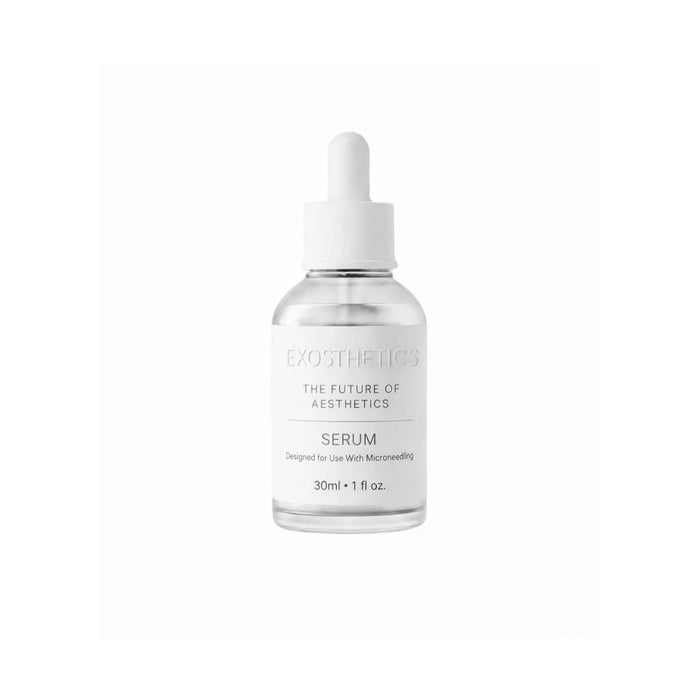
Microneedling With Exosomes For Stretch Marks
Exosome therapy is one of the most discussed emerging approaches in regenerative aesthetics. Exosomes are extracellular vesicles that carry signaling molecules - growth factors, cytokines, and genetic material - that can theoretically modulate the healing response when applied to skin that has been microneedled. The concept is that applying exosomes to the micro-channels created during microneedling could enhance the regenerative cascade beyond what microneedling achieves alone.
Best Serum To Use With Microneedling For Stretch Marks
The question of what serum to apply during or immediately after microneedling is clinically relevant because the micro-channels created during treatment allow enhanced penetration of topical products. Some clinical protocols include application of adjunctive serums - such as hyaluronic acid, growth factors, or platelet-rich plasma (PRP) - during or immediately after the needling procedure to take advantage of this increased absorption.
The reviews discuss combination approaches that pair microneedling with various adjunctive therapies for striae, including PRP and other topical agents, with some evidence suggesting that combination protocols may enhance outcomes compared to microneedling alone (Wu & Wang, 2026; Algarra Sahuquillo & Martín-Gorgojo, 2025). However, the specific "best serum" recommendation depends on the clinical protocol, the products' evidence base, and provider judgment.
For post-procedure application during the healing phase, simplicity is generally preferred - a plain hyaluronic acid serum without added fragrances, acids, or active ingredients can provide hydration without irritation risk. Anything more active should be applied only if it's part of your provider's specific treatment protocol and has been applied during the procedure itself, not added afterward at home during the healing window.
Autologous Micrografting: An Emerging Alternative
One of the most interesting recent developments in stretch mark treatment is autologous micrografting technology, as studied by Garelli et al. (2025). This approach involves harvesting a small sample of the patient's own healthy skin tissue, processing it into micro-fragments, and then applying these micrografts to the stretch mark area. The concept is that these autologous tissue fragments contain the patient's own cells, growth factors, and extracellular matrix components, which may support more comprehensive tissue regeneration than collagen induction alone (Garelli et al., 2025).
The Garelli et al. (2025) study, published in the Journal of Cosmetic Dermatology, evaluated the effectiveness of an autologous micrografting technology specifically for treating stretch marks and found positive results. This represents a fundamentally different mechanism from microneedling - rather than stimulating existing cells to produce new collagen through injury signals, micrografting provides actual tissue building blocks to the treatment site (Garelli et al., 2025).
This technology is still relatively new and less widely available than microneedling, but it represents an exciting direction for patients who may not have responded adequately to standard microneedling or laser approaches. It may eventually be used in combination protocols alongside microneedling to leverage both collagen induction and direct tissue regeneration.
Frequently Asked Questions
Does microneedling hurt on stretch marks?
Most patients describe the sensation as a scratching or vibrating feeling rather than sharp pain. Clinical treatments typically use topical numbing cream applied before the procedure, which significantly reduces discomfort. Sensitivity varies by treatment area, with areas over bone or thinner skin feeling more intense (Marin et al., 2025).
Is microneedling for stretch marks safe during pregnancy or breastfeeding?
Most providers defer elective microneedling procedures during pregnancy and breastfeeding. This is standard clinical practice for cosmetic procedures involving controlled skin injury. Treatment can typically be initiated after you have completed breastfeeding and your skin has stabilized postpartum.
How many microneedling sessions are needed for stretch marks?
A typical treatment course involves 3 to 6 sessions spaced 4 to 6 weeks apart, with reassessment after the initial course. The exact number depends on your stretch mark type, severity, and individual response. Multiple sessions are considered standard in published treatment protocols (Wu & Wang, 2026; Marin et al., 2025).
Can microneedling make stretch marks worse?
Temporary worsening in appearance - increased redness or visibility - can occur during the initial healing phase and is generally considered a normal part of the inflammatory response. Permanent worsening is not a commonly reported outcome in the reviewed literature when treatment is performed appropriately in a clinical setting (Marin et al., 2025; Chaudhury et al., 2026).
How long does it take to see results from microneedling on stretch marks?
Collagen remodeling takes time. Most patients begin to notice subtle textural improvements 1 to 3 months after starting treatment, with cumulative results becoming more apparent after multiple sessions over 3 to 6 months. Patience and adherence to your full treatment course are essential for meaningful results.
What happens if I stop microneedling treatment mid-course?
Any improvement achieved from completed sessions is generally maintained, as the new collagen that has formed is a permanent structural change. However, stopping before completing the recommended course means you may not achieve the full potential improvement. Discuss with your provider if you need to pause treatment.
Can I microneedle stretch marks at home with a derma roller?
At-home derma rollers with very short needles (0.25 to 0.5 mm) can provide mild stimulation but are unlikely to achieve the same collagen induction results as clinical-depth treatments. For significant stretch mark improvement, professional microneedling with appropriate device parameters is generally recommended (Wu & Wang, 2026).
Is microneedling effective for stretch marks on all skin tones?
Microneedling is generally considered to have a favorable safety profile across a wide range of skin types, including darker skin tones, with lower pigmentation risk compared to some laser modalities. The Chaudhury et al. (2026) comprehensive review specifically evaluates treatment modalities across all skin types and discusses microneedling's suitability for diverse patient populations.
References
Wu Y, Wang H. Advances in the Treatment of Striae Distensae. J Cosmet Dermatol. 2026;25(1):e70683. doi:10.1111/jocd.70683
Chaudhury H, Remmert N, Chen H, Tarbox M. Advancements in treating stretch marks across all skin types: a comprehensive review of therapeutic modalities. Int J Womens Dermatol. 2026;12(1):e244. doi:10.1097/JW9.0000000000000244
Marin S, Watterson A, Alqam ML, Jones BC, Hitchcock TM. A Comparative Study to Evaluate the Safety and Efficacy of Microneedling as a Stand-Alone Treatment for Striae Rubrae and Albae. Aesthet Surg J. Published online December 17, 2025. doi:10.1093/asj/sjaf261
Algarra Sahuquillo J, Martín-Gorgojo A. Stretch Marks: Systematic Review of its Therapeutic Approach. Actas Dermosifiliogr. 2025;117(4):104553. doi:10.1016/j.ad.2025.104553
Garelli A, Pessei V, Tagliabue R, Sles O, Panchaprateep R. Effectiveness of an Autologous Micrografting Technology for Treating Stretch Marks. J Cosmet Dermatol. 2025;24(7):e70321. doi:10.1111/jocd.70321

The first week
Everything in this guide, in two products
Exosome Serum for the night of. 72-Hour+ Cream from day three. $99 together — and you can add Ceramide Repair, the day-7 step, for $35 instead of $49.
See the Kit — $99