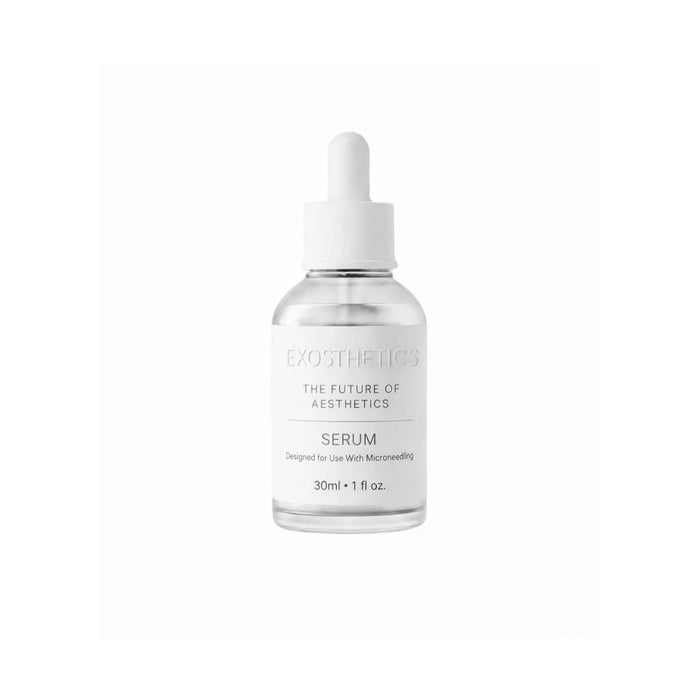

Microneedling breasts is a topic that keeps showing up in skincare forums, post-surgery recovery groups, and aesthetic clinic consultations - and for good reason. Whether you are deep in the research phase trying to figure out if this procedure can do anything meaningful for breast skin concerns, working through microneedling aftercare following a recent treatment, or navigating post-procedure care after a breast surgery and wondering if microneedling belongs in your recovery toolkit, you deserve answers grounded in real science rather than marketing hype.
Here is the honest truth that most articles will not tell you upfront: the peer-reviewed studies currently available on microneedle technology and breast tissue are focused on engineered microneedle patches designed for transdermal drug delivery and medical treatment applications. They are not studies on cosmetic microneedling of breast skin for concerns like sagging, stretch marks, lifting, or scar remodeling. Every cosmetic expectation discussed in this guide is clearly labeled when it falls outside the boundaries of the current evidence.
This distinction matters enormously, and we will make sure you understand exactly why as we move through each section. Think of this guide as your informed companion - one that respects your intelligence and your skin enough to tell you what is supported, what is promising, and what is simply not proven yet.
Don't guess your recovery. Download FREE Clinical Microneedling Protocol Here
What People Actually Mean by "Microneedling Breasts"
Before we go any further, we need to clear up a significant source of confusion. When people search for "microneedling breasts," they could be referring to two very different things, and mixing them up leads to misguided expectations.
The first meaning is cosmetic microneedling. This involves handheld derma rollers or motorized microneedling pens that create tiny micro-injuries in the skin surface. The theory is that these controlled micro-injuries trigger the body's wound healing response, which could theoretically stimulate collagen production and skin remodeling over time. This is the version most people picture when they think about microneedling. However, none of the peer-reviewed studies referenced in this article studied this cosmetic approach on breast skin.
The second meaning involves engineered microneedle patches. These are sophisticated medical devices designed specifically for transdermal drug delivery - getting therapeutic compounds through the skin barrier and into targeted tissue. These patches can be dissolving, solid, or multi-layered systems, and they represent the cutting edge of minimally invasive drug delivery technology. This is what the current research actually covers.
| Feature | Cosmetic Microneedling (Rollers/Pens) | Microneedle Patches (Engineered Medical Devices) |
|---|---|---|
| Studied in the referenced papers? | No | Yes |
| Primary purpose | Micro-injury to theoretically stimulate skin remodeling | Transdermal drug delivery across the skin barrier |
| Regulatory classification | Cosmetic device (varies by jurisdiction) | Medical/pharmaceutical device |
| Evidence for breast skin cosmetic results | Not in this source set | Not the intended use in these studies |
Understanding this distinction is not about being pedantic. It is about protecting you from spending money, time, and emotional energy on treatments based on a misreading of the science. When a blog post claims that "studies show microneedling works on breast skin," check whether those studies actually examined cosmetic microneedling on breast tissue - or whether they were studying something entirely different. (Wagner et al., 2026; Yang et al., 2026)
How Microneedle Technology Interacts With Skin?
Microneedle patches work by creating a physical interface with the skin that enables transdermal transport of therapeutic agents. Wagner et al. (2026) demonstrated this concept through in vitro analysis, establishing microneedle patches as a minimally invasive route that can facilitate delivery of compounds toward systemic circulation. The key concept here is "minimally invasive" - these micro-scale needles are designed to penetrate just enough to cross the skin's outer barrier without causing the kind of deeper tissue damage associated with larger needles or surgical approaches.
What makes this technology particularly interesting from an engineering perspective is its versatility. Wang et al. (2026) demonstrated that microneedle patches can be designed with dual-layer architectures that combine multiple therapeutic modalities - in their case, integrating metal-organic framework materials with photothermal therapy elements and controlled-release engineering for autophagy regulation. Meanwhile, Yang et al. (2026) showed that microneedle materials like chitosan-PVA composites can enable continuous transdermal administration of therapeutic compounds, which was specifically applied to treating granulomatous mastitis.
Here is a simplified view of the general concept described in these delivery studies:
Skin contact → Microneedle penetration at micro-scale → Payload release and transport → Intended local or systemic therapeutic effect
⚠️ Important: This diagram represents the general mechanism described in the cited drug delivery studies. It does not represent a cosmetic microneedling protocol for breast skin rejuvenation, and the studies did not measure cosmetic outcomes like collagen production, skin tightening, or texture improvement.
What to Expect During and Immediately After Treatment
Pain, Sensation, and Appearance After Microneedling
The referenced studies describe microneedle technology as "minimally invasive" (Wagner et al., 2026), and Yang et al. (2026) applied microneedle-assisted delivery in a clinical breast condition (granulomatous mastitis), which implies a degree of tolerability within a supervised medical protocol. However, none of these studies report specific pain scores, redness duration, swelling timelines, or recovery windows for cosmetic microneedling on breast skin.
What patients commonly report after cosmetic microneedling procedures in general - based on widely discussed clinical experience rather than these specific studies - includes mild to moderate redness resembling a sunburn in the first 24 to 48 hours, some tenderness or sensitivity at the treatment site, minor swelling that typically subsides within a few days, and occasionally mild pinpoint bleeding during the procedure itself. These are general expectations and may vary significantly depending on the device used, the depth of needle penetration, your individual skin sensitivity, and the specific area of the breast being treated.
Breast-Specific Sensitivity Considerations
The breast area - particularly the areola and periareolar skin - has different nerve density and skin thickness compared to the face, scalp, or even the rest of the chest wall. This means that pain perception, healing response, and treatment tolerability could differ meaningfully from what you might expect based on facial microneedling experiences. None of the five referenced studies address nipple or areolar microneedling in any context. If you are considering treatment in or near these sensitive areas, the conversation needs to happen directly with your provider, who can assess whether the specific breast area you are concerned about is appropriate for any needling approach.

When to Contact Your Doctor
While this guidance is not derived from the referenced studies, standard post-procedure medical practice suggests contacting your healthcare provider if you experience signs of infection such as increasing redness, warmth, or pus at the treatment site, unusual or worsening swelling particularly around breast implants, any discharge from the treated area, pain that intensifies rather than improves after 48 hours, or fever following the procedure. Do not wait to see if these symptoms resolve on their own. When it comes to breast tissue, erring on the side of caution is always the right call.
Post-Treatment Care and Microneedling Aftercare
Products to Use and Avoid After Microneedling
The five referenced studies do not include skincare ingredient recommendations following breast microneedling procedures. Yang et al. (2026) studied microneedle-assisted delivery of triamcinolone acetonide for granulomatous mastitis, but this was a prescribed medical treatment protocol - not a cosmetic aftercare regimen you would replicate at home.
Your provider should give you a specific aftercare protocol tailored to your procedure. In general, post-procedure skincare typically focuses on supporting the skin barrier with gentle hydrating formulations, avoiding active irritants such as retinoids, alpha hydroxy acids, vitamin C serums, and fragranced products for a period determined by your clinician, keeping the treated area clean without over-cleansing, and avoiding makeup or heavily pigmented products directly on the treated skin. Please confirm every product with your clinician before applying anything to freshly treated breast skin. What works beautifully for facial microneedling recovery may not be appropriate for the thinner, more sensitive skin of the breast area.
Sun Exposure and Breast Skin After Microneedling
None of the five studies address post-microneedling sun exposure recommendations. However, it is widely understood across dermatological practice that treated skin with a compromised barrier is more photosensitive. If any portion of your treated breast skin will be exposed to sunlight - even through lightweight clothing - protect the area per your provider's instructions. This is particularly relevant during summer months, at the beach, or if your clothing neckline exposes the upper chest area.
Bras, Compression, and Physical Activity
If you are recovering from breast augmentation, reduction, or lift surgery and are also exploring microneedling for scar management, you likely have questions about when you can comfortably wear a bra over treated skin, resume exercise or physical activity, and sleep on your side or stomach without compromising results. None of these practical recovery details are addressed in the referenced studies. Many online sources fill this gap with specific timelines that sound authoritative but lack clinical evidence behind them. We would rather be honest: ask your surgeon. They know your specific procedure, your healing trajectory, and whether microneedling timing should be coordinated with your surgical recovery milestones.
The Role of Exosome-Based Recovery Products in Post-Procedure Care
Exosome-based topical products are increasingly discussed in post-procedure recovery conversations, and this is worth addressing with the same evidence-first approach we are applying throughout this guide.
The five referenced studies do not evaluate exosome-based products. That needs to be stated clearly. However, the broader concept at work in these studies - getting beneficial therapeutic agents to the right tissue layer at the right time through the skin barrier - shares a logical parallel with what exosome-based recovery products aim to accomplish. Wagner et al. (2026) demonstrated the principle of transdermal delivery through engineered systems, and Yang et al. (2026) showed the value of protocolized post-treatment approaches in breast tissue contexts.
Exosome-based post-procedure products are designed to support the skin barrier and create a favourable recovery environment after treatments that disrupt the skin surface. If you are exploring aftercare options following any breast skin procedure, ask your provider whether an exosome-based microneedling serum or mask fits within your specific aftercare protocol. These products are not replacements for medical aftercare, and their benefits should be discussed within the context of your overall recovery plan.
What Microneedling Breasts Is Commonly Sought For?
People arrive at this topic from many different starting points, each carrying specific hopes and concerns. Here is what readers most commonly want microneedling to address on their breast skin, alongside what the current evidence actually supports.
| Concern | What Readers Hope For | What the Referenced Studies Support |
|---|---|---|
| Stretch marks | Smoother appearance | No direct evidence in this source set |
| Sagging or laxity | Tightening or lift | No direct evidence in this source set |
| Surgical scars | Smoother, flatter scar tissue | No direct evidence in this source set |
| Crepey texture | Firmer skin feel | No direct evidence in this source set |
| Hyperpigmentation | More even skin tone | No direct evidence in this source set |
| Keloid or hypertrophic scarring | Scar flattening and softening | No direct evidence in this source set |
| Drug delivery to breast area | Localized therapy for medical conditions | ✅ Supported in mastitis and experimental cancer models |
If you are looking at that table and feeling disappointed, that is completely understandable. But consider this: knowing where the evidence actually stands protects you from investing in treatments that might not deliver what they promise. The absence of evidence is not the same as evidence of absence - it simply means that rigorous, peer-reviewed research has not yet confirmed these specific cosmetic applications for breast skin. (Yang et al., 2026; Elhabal et al., 2025)
Emotional Expectations and Body Image
This deserves its own honest conversation, especially for those of you who are exploring microneedling after mastectomy, reconstruction, or significant breast surgery. The desire for your skin to look and feel its best after a breast procedure is entirely valid and deeply human. Managing expectations is not about dismissing your goals. It is about making sure the approaches you choose are backed by real evidence so you do not waste time, money, or emotional energy on unproven treatments when better-supported options might exist. If you are navigating body image concerns alongside your physical recovery, consider working with both a skilled dermatologist or plastic surgeon and a mental health professional who specializes in post-surgical adjustment.
Can You Microneedle Breasts?
The short answer is that microneedle technology can be applied to the breast area - but what that means depends entirely on the context. Yang et al. (2026) demonstrated the feasibility of applying microneedle-assisted delivery to breast tissue in a medical setting, using chitosan-PVA microneedle patches for continuous transdermal administration of triamcinolone acetonide to treat granulomatous mastitis. This confirms that the breast region can receive microneedle-based interventions under clinical oversight.
However, this is a far cry from confirming that cosmetic microneedling with a derma roller or pen on breast skin is safe, effective, or advisable for aesthetic concerns. Breast skin presents unique anatomical considerations. It is thinner in some areas compared to facial skin, significantly more sensitive near the areola and nipple complex, and in close proximity to breast implants for augmented patients. None of these anatomical specifics are addressed in the referenced studies for cosmetic microneedling purposes. (Wagner et al., 2026; Yang et al., 2026)
If you have breast implants, this conversation becomes even more important. Discuss with your surgeon before pursuing any needling procedure near the implant pocket. The referenced studies do not address implant-related risks, and the potential consequences of improper needle depth or technique near an implant are not worth discovering through trial and error.
Does Microneedling Work On Breasts?
Whether microneedling "works" on breasts depends entirely on what outcome you are measuring - and this is where most online content fails its readers by conflating different types of evidence.
For transdermal drug delivery to the breast area, the answer is yes, based on the available evidence. Yang et al. (2026) demonstrated that microneedle-assisted delivery successfully facilitated continuous transdermal administration of a therapeutic agent for granulomatous mastitis treatment. Elhabal et al. (2025) showed that fisetin-loaded microneedle systems could improve tumor suppression and reduce oxidative stress in breast cancer models. Elhabal et al. (2025/2026) further demonstrated that genistein-loaded microneedle systems showed potent antioxidant and anticancer activity against breast cancer cells. These results are meaningful for medical applications.
For cosmetic outcomes like skin tightening, stretch mark reduction, scar remodeling, or lifting on breast skin? The referenced studies do not provide evidence for any of these outcomes. This does not necessarily mean cosmetic microneedling cannot produce any changes in breast skin - it means that the specific body of research available here did not study those questions. If a provider tells you microneedling will definitively "fix" your breast skin concerns, ask them to show you the specific studies supporting that claim for breast tissue.
So What Does Microneedling Breasts Do?
In medical contexts, microneedle patches create micro-scale channels in the skin that allow therapeutic compounds to cross the skin barrier (Wagner et al., 2026). When applied to breast tissue specifically, this technology has been used to deliver anti-inflammatory medication for granulomatous mastitis (Yang et al., 2026) and to deliver anticancer and antioxidant compounds in experimental breast cancer treatment models (Elhabal et al., 2025; Elhabal et al., 2025/2026). Wang et al. (2026) further demonstrated that dual-layer microneedle patch architectures can combine photothermal therapy with controlled drug release for advanced therapeutic applications.
What microneedling on breast skin has not been demonstrated to do in these studies includes stimulating collagen production in breast skin, reducing the appearance of stretch marks on breasts, tightening or firming loose or crepey breast skin, lifting breast tissue in any measurable way, fading hyperpigmentation on the chest or breast area, and smoothing or flattening surgical scars on the breast. Every one of these cosmetic outcomes, while commonly discussed online, falls outside the evidence boundaries of the referenced research.
Can Microneedling Help Sagging Breasts?
This is one of the most frequently searched questions in this space, and it deserves a compassionate but honest answer. Breast sagging - known medically as ptosis - is primarily caused by changes in breast tissue volume, skin elasticity, ligament stretching (specifically Cooper's ligaments), gravity, aging, pregnancy, breastfeeding, and weight fluctuations. It is a structural and gravitational issue, not solely a skin surface concern.
None of the five referenced studies examined whether any form of microneedling - cosmetic or medical - can address breast ptosis. The mechanism by which cosmetic microneedling is theorized to work (stimulating collagen through micro-injuries at the skin surface) has not been validated for producing the kind of deep structural support that would be needed to counteract the forces causing breast sagging.
If sagging is your primary concern, the most evidence-supported interventions remain surgical options such as mastopexy (breast lift), supportive garments, chest wall exercises that strengthen the pectoral muscles underlying breast tissue (which does not lift the breast itself but can improve the appearance of the chest wall), and maintaining a stable weight. Be skeptical of any provider or product promising to "lift" breasts through a topical or minimally invasive skin-surface treatment without robust clinical evidence.
Can Microneedling Lift Breasts?
No. Based on the available evidence, there is no scientific support for the claim that microneedling can lift breast tissue. This claim requires the same analysis as the sagging question above. Breast lifting requires addressing the internal support structures, tissue volume, and skin envelope - not just the skin surface. Microneedle patches in the referenced studies were designed to deliver drugs through the skin, not to create structural changes in underlying breast tissue (Wagner et al., 2026; Yang et al., 2026).
The persistence of "microneedling breast lift" as a search term reflects a genuine desire for non-surgical options, which is completely understandable. But the responsible answer, given the current evidence, is that no form of microneedling has been shown to produce a lifting effect on breast tissue. If a provider markets microneedling as a breast lifting treatment, ask for the peer-reviewed studies supporting that specific claim applied to breast tissue.
Microneedling After Breast Augmentation
Breast augmentation patients often become interested in microneedling for two main reasons: managing surgical scars (particularly in the inframammary fold, periareolar, or axillary incision sites) and improving overall breast skin quality after the healing period. Both are understandable goals, but neither is directly supported by the referenced studies.
The unique consideration for augmentation patients is the presence of breast implants beneath the tissue. None of the five studies address the safety of microneedling over or near breast implants. Theoretical concerns include the risk of needle penetration affecting the implant pocket, capsular tissue, or the implant itself - particularly with deeper needling protocols. The distance between the skin surface and the implant varies depending on implant placement (subglandular versus submuscular), tissue thickness, and the specific treatment area.
If you have breast implants and are considering microneedling on or near the breast, consult your plastic surgeon before any treatment. This is not a treatment to pursue based on internet research alone. Your surgeon can evaluate your specific anatomy, implant placement, tissue thickness, and healing status to determine whether any form of microneedling is appropriate - and if so, what depth limitations and treatment zones should be observed.
Microneedling After Breast Cancer
The intersection of microneedling and breast cancer is where the referenced studies actually have the most to say - though not in the way most readers expect. Elhabal et al. (2025) investigated fisetin-loaded nigellasomes embedded in microneedles for breast cancer tumor suppression and oxidative stress reduction. Elhabal et al. (2025/2026) studied genistein-loaded pumpkisomes in pullulan microneedles for antioxidant and anticancer therapy against breast cancer cells. Wang et al. (2026) developed a dual-layer MOF microneedle patch combining photothermal therapy with autophagy regulation for cancer treatment applications.
These studies represent promising advances in microneedle-based drug delivery for breast cancer treatment. However, they are experimental systems studied in laboratory and preclinical settings - not commercially available cosmetic treatments, and not guides for what breast cancer survivors should do with their skin post-treatment.
For breast cancer survivors interested in microneedling for post-surgical scar management, skin quality improvement after radiation, or recovery after reconstruction, the conversation must happen with your oncology and surgical team. Skin that has been irradiated, surgically altered, or affected by cancer treatment may respond very differently to micro-injury than healthy skin. The emotional weight of wanting your body to look and feel "normal" again after cancer treatment is immense, and any approach you consider should be guided by providers who understand both the physical and emotional dimensions of your recovery. (Elhabal et al., 2025; Elhabal et al., 2025/2026; Wang et al., 2026)
Microneedling After Breast Reduction
Breast reduction surgery typically involves longer incision lines than augmentation - often including an anchor-shaped or lollipop-shaped pattern - which means more visible scarring that patients are eager to address. The interest in microneedling for post-reduction scars is entirely reasonable, as microneedling has been studied for scar treatment in other body areas (though not in the five studies referenced here).
The referenced studies do not address microneedling for surgical scar remodeling on breast tissue. Yang et al. (2026) applied microneedle technology to the breast area for mastitis treatment, which confirms the feasibility of microneedle application to breast skin in a medical context. But feasibility of application is not the same as demonstrated efficacy for scar improvement.
If you are considering microneedling to improve breast reduction scars, timing matters significantly. Most surgeons recommend waiting until scars have fully matured - typically 12 to 18 months post-surgery - before pursuing any scar treatment modality. Starting too early can potentially worsen scarring or interfere with normal healing. Discuss the timing, technique, and expected outcomes specifically with your surgeon, and be wary of before-and-after photos online that may not reflect typical results.
Microneedling And Breastfeeding
The question of whether microneedling is safe during breastfeeding is critically important and frequently asked, yet none of the five referenced studies address breastfeeding in any capacity. This means we cannot point to study-derived safety data for this specific population.
General clinical caution regarding any elective cosmetic procedure during breastfeeding centers on several concerns. These include the theoretical risk of topical products applied to treated skin being absorbed and potentially reaching breast milk, the increased sensitivity of breast skin during lactation, hormonal changes during breastfeeding that may affect skin healing and response, and the proximity of the treatment area to the nipple where an infant feeds.
The most responsible guidance we can offer is this: discuss any microneedling treatment with both your dermatologist and your obstetrician or lactation consultant before proceeding during breastfeeding. Many providers recommend postponing elective cosmetic procedures on the breast area until after breastfeeding is complete. This is not alarmism - it is appropriate caution in a situation where safety data simply does not exist.

Microneedling Breast Skin
Breast skin deserves its own consideration separate from the specific conditions discussed above. The skin of the breast is not identical to facial skin, and treating it as such can lead to inappropriate treatment parameters and unrealistic expectations.
Key characteristics of breast skin include variable thickness across the breast surface (thinner over the upper pole and areola, somewhat thicker in the inframammary fold), lower density of sebaceous glands compared to the face, different collagen and elastin distribution patterns, and heightened sensitivity in the periareolar region due to dense nerve supply. The referenced studies confirm that microneedle-based systems can interact with skin as a delivery route (Wagner et al., 2026) and that breast tissue specifically can receive microneedle-based applications in medical contexts (Yang et al., 2026). However, none of the studies characterize the cosmetic response of breast skin to micro-injury or evaluate outcomes like texture improvement, firmness, or elasticity.
If you are working with a provider who offers microneedling for breast skin concerns, reasonable questions to ask include what needle depth they plan to use and how it was determined for breast skin specifically, what outcomes they have observed in their own practice for breast skin treatment (as opposed to facial outcomes being extrapolated), how many sessions they recommend and what the evidence basis is for that recommendation, and what realistic results look like at three, six, and twelve months.
Microneedling Breast Scars
Breast scars come from many sources - augmentation incisions, reduction surgery, breast lifts, lumpectomy, mastectomy, reconstruction, biopsies, and even traumatic injuries. Each scar type may respond differently to treatment based on its age, depth, location, type (atrophic, hypertrophic, or keloid), and the individual's healing biology.
The referenced studies do not evaluate microneedling for breast scar remodeling. This is a significant gap, because scar treatment is one of the most commonly cited reasons people seek microneedling in this area. What the studies do show is that microneedle systems can deliver therapeutic agents through the skin in breast tissue contexts (Yang et al., 2026; Elhabal et al., 2025), which at least establishes that the technology can interface with breast skin. But delivery of a drug and remodeling of scar tissue are fundamentally different outcomes.
For those dealing with keloid or hypertrophic scarring on the breast - which is particularly common in the periareolar and inframammary fold areas - the stakes are even higher. Keloid-prone skin can respond unpredictably to micro-injury, and there is a real risk that microneedling could potentially stimulate further keloid growth rather than improving the scar. If you have a history of keloid formation, this is a conversation to have with a dermatologist who specializes in scar management, not a general aesthetician.
Microneedling Breasts At Home
Home microneedling devices for breast skin raise the risk profile considerably compared to professional treatments. Without clinical oversight, the variables that need to be controlled - needle depth, pressure, angle, sterility, pre-treatment skin assessment, and post-treatment care - are all in the hands of someone who likely does not have medical training specific to breast tissue.
The microneedle systems described in the referenced studies were engineered with precise specifications for their intended medical applications. Wagner et al. (2026) analyzed patches designed with specific penetration characteristics for transdermal delivery. Yang et al. (2026) used chitosan-PVA microneedle patches formulated for continuous drug administration in a clinical setting. These are not comparable to consumer-grade derma rollers purchased online.
Specific risks of at-home breast microneedling include infection due to inadequate sterilization, inconsistent needle depth leading to either ineffective treatment or tissue damage, scarring or hyperpigmentation from improper technique, potential complications near breast implants if present, and damage to the sensitive areolar or nipple area. If you are considering any form of microneedling on your breast skin, the safest approach is to have it performed or supervised by a qualified professional who can assess your specific anatomy, skin condition, and goals. The cost savings of a home device are not worth the potential complications.
Derma Roller For Breasts
Derma rollers are the most commonly available consumer microneedling device, and they are frequently marketed for use on the breast area to address stretch marks, firmness, and skin texture. Let us be clear about what the evidence does and does not support.
None of the five referenced studies used derma rollers. The microneedle systems studied were engineered patches with specific material compositions (chitosan-PVA in Yang et al., 2026; pullulan-based systems in Elhabal et al., 2025/2026; dual-layer MOF architecture in Wang et al., 2026) designed for pharmaceutical applications. A consumer derma roller is a fundamentally different device with different needle geometry, penetration characteristics, and intended use.
The claims commonly made for derma rollers on breast skin - that they stimulate collagen, reduce stretch marks, tighten loose skin, and improve overall breast appearance - are not supported by the studies available for this review. This does not mean derma rollers are categorically useless for all skin applications everywhere. It means that the specific application to breast skin for these cosmetic outcomes is not validated in this evidence set.
If you choose to use a derma roller on your breast area despite the evidence limitations, minimum safety considerations include using only a new, sterile device, choosing the shortest needle length available (typically 0.25mm) for the least invasive option, avoiding the areola and nipple area, never sharing the device, disposing of the roller after a limited number of uses per manufacturer guidelines, and discontinuing use immediately if you notice any adverse reaction. This is not an endorsement of the practice - it is harm reduction guidance for those who will proceed regardless.
The Future of Microneedle Technology for Breast Health
While this article has focused heavily on what the current evidence does not support for cosmetic breast microneedling, the trajectory of microneedle research in breast-related medical applications is genuinely exciting.
Yang et al. (2026) opened a pathway for microneedle-assisted drug delivery in inflammatory breast conditions like granulomatous mastitis, potentially offering patients a less invasive alternative to systemic medications or surgical intervention. Elhabal et al. (2025, 2025/2026) demonstrated that microneedle systems can deliver plant-derived therapeutic compounds (fisetin and genistein) with anticancer and antioxidant properties directly to breast cancer cells, which could eventually contribute to more targeted, less systemically toxic cancer treatments. Wang et al. (2026) showed how dual-layer microneedle architectures can combine photothermal therapy with controlled drug release, suggesting a future where multi-modal treatments are delivered through a single, minimally invasive patch.
The logical extension of this research - which has not yet been conducted but is worth watching for - would be studies examining whether the delivery principles demonstrated in these medical applications could eventually be adapted for cosmetic or regenerative purposes in breast skin. Combined with the growing body of research on bioactive compounds like exosomes for post-procedure recovery support, the future may hold more evidence-backed options than exist today.
But that future is not here yet. And claiming otherwise does a disservice to anyone making decisions about their breast skin health right now.
Frequently Asked Questions
Is microneedling on the breast area painful?
The referenced studies describe microneedle technology as "minimally invasive" (Wagner et al., 2026), but specific pain data for cosmetic breast microneedling is not reported. Breast skin sensitivity varies by location, with the areolar area being significantly more sensitive than surrounding skin. Discuss pain management options with your provider before treatment.
How long does it take to recover from microneedling on breast skin?
The referenced studies do not provide recovery timelines for cosmetic breast microneedling. General post-microneedling recovery typically involves 24-72 hours of redness and sensitivity, but breast-specific timelines may differ due to skin thickness variations and bra friction. Follow your provider's specific aftercare instructions.
What products should I avoid after microneedling on my breasts?
The referenced studies do not include skincare product recommendations. In general clinical practice, providers typically advise avoiding active ingredients like retinoids, AHAs, and fragranced products on freshly microneedled skin. Your clinician should provide a specific aftercare product list tailored to your treatment.
Is microneedling safe if I have breast implants?
None of the five referenced studies address the safety of microneedling over or near breast implants. The proximity of implants to the skin surface varies by placement type and tissue thickness, creating potential risks that have not been studied. Always consult your plastic surgeon before any needling procedure near an implant pocket.
Can I microneedle my breasts while breastfeeding?
None of the referenced studies evaluate microneedling safety during breastfeeding. Given the proximity of the treatment area to where an infant feeds and the potential for topical product absorption through compromised skin, most providers recommend postponing elective breast skin procedures until after breastfeeding is complete.
Can exosome products be used after microneedling on breast skin?
The five referenced studies do not evaluate exosome-based products. Exosome-based post-procedure products are designed to support skin barrier recovery after treatments that disrupt the skin surface. Ask your provider whether an exosome-based recovery product fits within your specific aftercare protocol.
How many microneedling sessions are needed for breast stretch marks?
The referenced studies do not address cosmetic microneedling for breast stretch marks, so no evidence-based session count can be recommended from this source set. Be cautious of providers who guarantee specific results within a set number of sessions without citing breast-specific clinical evidence.
Is at-home derma rolling safe for breast skin?
The referenced studies used engineered medical microneedle patches, not consumer derma rollers. At-home derma rolling on breast skin carries risks including infection, inconsistent needle depth, and potential complications near implants or sensitive areas. Professional treatment with clinical oversight is the safer option.
Key Takeaways
Microneedle technology has demonstrated real promise for medical applications in breast health, including drug delivery for granulomatous mastitis treatment (Yang et al., 2026) and experimental breast cancer therapeutic systems (Elhabal et al., 2025; Elhabal et al., 2025/2026; Wang et al., 2026). These are meaningful advances that could eventually benefit patients in clinical settings.
However, the leap from "microneedle patches can deliver drugs through skin" to "microneedling can tighten, lift, and rejuvenate breast skin" is not supported by the current evidence. If you are considering microneedling for cosmetic breast skin concerns, proceed with eyes open. Work with qualified providers who are honest about the evidence limitations. Prioritize safety - especially if you have implants, are breastfeeding, or are recovering from breast cancer treatment. And remember that the most important thing your skin needs from you is patience, protection, and informed decision-making.
The science will continue to evolve. When it does, we will update this guide to reflect what the evidence actually shows - not what we wish it showed.
References
Wagner HL, McCarty TY, Prachyathipsakul T, de Jesus MR, Thayumanavan S, Kearney CJ. In Vitro Analysis of Microneedle Patches for Transdermal Drug Delivery: A Minimally Invasive Route to Systemic Circulation. ACS Biomater Sci Eng. 2026;12(1):385-394. doi:10.1021/acsbiomaterials.5c01411
Elhabal SF, Mohammed Ali E, Hababeh S, Hassan FE, Morsy SAA, Ahmed Elbahy D, Ali SK, Allam KM, Mousa I, Fouad MA, Mohsen Elsaid Hamdan A. Harnessing Nature for Breast Cancer Management: Effects of Fisetin-Loaded Nigellasomes Embedded in Microneedles Improve Tumor Suppression and Reduce Oxidative Stress. Pharmaceutics. 2025;17(11):1392. doi:10.3390/pharmaceutics17111392
Yang CW, Huang JF, Chen RD, Lin J, Xu B, Huang P, Dai Y, Guo QQ, Wang L, Pan YS, Huang RJ, Liang YQ, Wang LR, Li Y, Bie FJ, Wang YS, Chen QJ. Chitosan-PVA Microneedle-Assisted Continuous Transdermal Administration of Triamcinolone Acetonide for the Treatment of Granulomatous Mastitis. Int J Surg. 2026. doi:10.1097/JS9.0000000000004612
Elhabal SF, S Shoela M, Elrefai MFM, E Hassan F, Morsy SAA, Younis Abdelgawad W, K Ali S, M Mohie P, M Elsharkawy A, Ewedah TM, Mousa IS, Fouad MA, Allam S, Hamdan AME. Harnessing Dual Power: Genistein-Loaded Pumpkisomes in Pullulan Microneedles for Potent Antioxidant and Anticancer Therapy Against Ehrlich Ascites Carcinoma and Breast Cancer Cells. Pharmaceutics. 2025;18(1):36. doi:10.3390/pharmaceutics18010036
Wang F, Kong W, Hu W, Zou G, Li Y, Jiang P. A Dual-Layer MOF Microneedle Patch for Self-Sensitized Mild Photothermal Therapy and Autophagy Regulation. Adv Healthc Mater. 2026:e03743. doi:10.1002/adhm.202503743

The first week
Everything in this guide, in two products
Exosome Serum for the night of. 72-Hour+ Cream from day three. $99 together, ships from the US — arrives before it gets bad.
See the Kit — $99