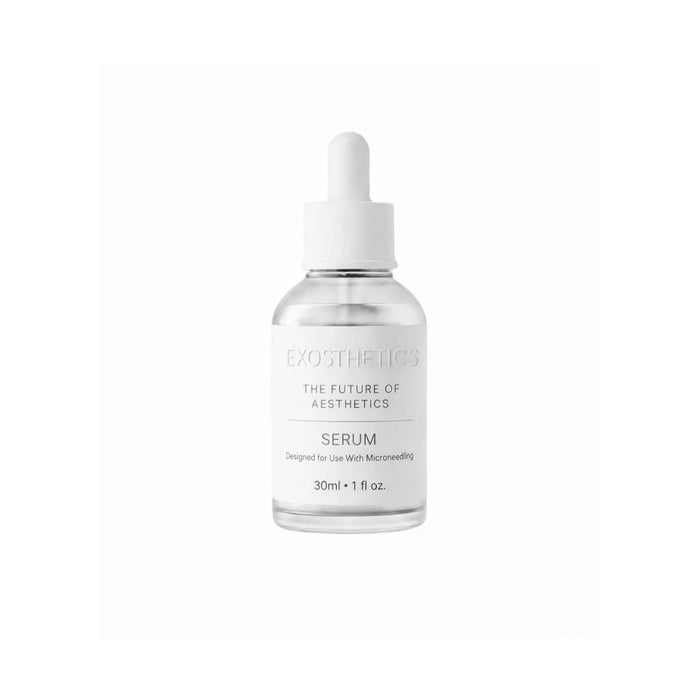

If you've been researching microneedling cellulite treatments - whether you're about to book your first session or you've just walked out of a clinic with freshly treated skin - you're asking the right questions. Post-treatment care matters enormously with any energy-based skin procedure, and microneedling aftercare for body treatments follows its own set of rules that differ from facial protocols. The truth is, the term "microneedling for cellulite" covers several very different technologies, from in-office radiofrequency microneedling devices to at-home derma rollers to experimental microneedle drug delivery patches. Each one works differently, carries different evidence behind it, and demands a different recovery approach. Exosome-based recovery support has emerged as one of the more promising post-procedure care categories for helping skin heal efficiently after energy-based treatments. But before we dive into recovery protocols and aftercare checklists, let's get honest about what the clinical research actually says - and doesn't say - about using microneedling to address cellulite.
Radiofrequency (RF) microneedling is a well-established clinical modality that delivers controlled RF energy through insulated needles into targeted tissue depths, promoting tissue remodeling and tightening (Alexiades, 2023). It has been specifically studied for body skin laxity and fat deposits in a single-treatment protocol (Alexiades & Munavalli, 2021). Meanwhile, cellulite itself is a multifactorial structural condition involving fat herniation through connective tissue septae, hormonal influences, and microcirculation patterns - not a simple surface-level problem that any single device can permanently fix (Menon et al., 2024). That nuance matters for everything that follows.
Don't guess your recovery. Download FREE Clinical Microneedling Protocol Here
Anti Cellulite Microneedling Treatment
When people search for "anti cellulite microneedling treatment," they're typically imagining one thing: a device that stamps out dimples and smooths skin in a session or two. The reality is more layered than that - and understanding the layers is what separates realistic expectations from expensive disappointment.
There are actually three distinct categories of technology that fall under the microneedling umbrella when it comes to cellulite, and they have almost nothing in common beyond the word "needle."
The first is radiofrequency microneedling (RFMN), an in-office clinical procedure where insulated needles penetrate the skin and deliver controlled radiofrequency energy at specific tissue depths. This is the heavy hitter. Alexiades (2023) provides a comprehensive review of RF microneedling as a clinical modality, covering its mechanisms of action, device configurations, and tissue-level effects including collagen remodeling and skin tightening. A separate study by Alexiades and Munavalli (2021) specifically investigated a single-treatment protocol using microneedle fractional radiofrequency for body skin laxity and fat deposits - providing some of the most direct evidence we have for RF microneedling in body-contouring contexts.
The second category involves microneedle pretreatment systems designed to enhance topical product delivery. Hameed and Al-Mayahy (2024) studied a combined approach using nanoemulgel and microneedle pretreatment as a topical anticellulite therapy. This is an experimental concept focused on increasing the penetration of active ingredients through the skin barrier - it's a drug delivery strategy, not a standalone treatment device you'd encounter in a med spa.
The third category is engineered microneedle patches. Chandran et al. (2022) investigated and optimized hydrogel microneedles specifically for transdermal delivery of caffeine - a compound with known lipolytic properties. These are dissolvable or swellable polymer-based systems designed in laboratory settings. They represent a fundamentally different technology from either consumer derma rollers or clinical RF devices.
| Technology | What It Actually Is | Clinical Evidence for Cellulite |
|---|---|---|
| RF Microneedling (in-office) | Insulated needles delivering radiofrequency energy at controlled depths | Studied for body skin laxity and fat deposits (Alexiades & Munavalli, 2021) |
| Microneedle Pretreatment (research) | Skin preparation technique to enhance topical drug penetration | Anticellulite topical enhancement concept (Hameed & Al-Mayahy, 2024) |
| Hydrogel Microneedle Patches (research) | Engineered dissolvable polymer systems for transdermal delivery | Caffeine delivery optimization (Chandran et al., 2022) |
The distinction matters because when a clinic advertises "microneedling for cellulite," they almost always mean RF microneedling. And when an influencer demonstrates a tool at home, they're usually using a consumer derma roller - which has no direct cellulite evidence in the published literature we're drawing from here.
Can You Microneedle Cellulite At All?
It depends entirely on which type of microneedling you're talking about and what outcome you're expecting.
If the question is whether radiofrequency microneedling can be applied to body areas where cellulite appears - yes, absolutely. RF microneedling has been studied specifically for body applications. Alexiades and Munavalli (2021) investigated a single-treatment protocol using microneedle fractional radiofrequency on body skin laxity and fat deposits, demonstrating that the technology can be applied to body treatment areas with measurable effects on tissue tightening and fat reduction.
If the question is whether rolling a consumer derma roller over your thighs will eliminate cellulite dimples - the evidence base simply isn't there to support that claim. No study in our dataset demonstrates that superficial mechanical microneedling alone produces cellulite improvement.
The more precise framing is this: RF microneedling can address some of the contributing factors to cellulite's appearance - specifically skin laxity and localized fat deposits - but cellulite is a structural condition involving the architecture of connective tissue septae, fat distribution patterns, hormonal influences, and microcirculation (Menon et al., 2024). No single surface-level or even dermal-level intervention can restructure all of those variables simultaneously.
What RF Microneedling Targets vs. What Cellulite Involves
Think of it this way.
Cellulite's visible dimpling is the end result of a chain: connective tissue septae pull the skin surface downward ➜ fat lobules herniate upward between those septae ➜ hormonal and circulatory factors influence the severity ➜ the skin's surface shows an uneven texture.
RF microneedling can influence skin quality, laxity, and to some degree subcutaneous fat - but it doesn't restructure the septae architecture itself. That's why managing expectations is critical before, during, and after treatment (Menon et al., 2024).
Can Microneedling Help Cellulite?
The honest answer is that RF microneedling can help improve some of the visual components associated with cellulite - but "help" is doing important work in that sentence. It's not the same as "cure" or "eliminate."
Here's what the research supports. Alexiades (2023) reviewed RF microneedling as a clinical modality and described its mechanisms of action, which include controlled thermal injury at targeted dermal depths leading to neocollagenesis (new collagen production), tissue remodeling, and skin tightening. These effects can improve overall skin texture and firmness in treated areas. When skin is tighter, smoother, and better supported by new collagen, the surface appearance of cellulite can improve even if the underlying structural causes remain.
Alexiades and Munavalli (2021) took this further by studying a specific single-treatment protocol for body skin laxity and fat deposits. The treatment addressed body-specific concerns - not just facial rejuvenation, which is where most microneedling research has historically focused. This study provides evidence that RF microneedling has legitimate body-indication applications, particularly for skin quality improvement and fat reduction in treated areas.
But here's the critical distinction that gets lost in marketing. Menon et al. (2024) categorized cellulite interventions in their comprehensive clinical guide and noted that energy-based devices are among the available treatment categories. However, they also emphasized that cellulite is multifactorial - involving structural, hormonal, and circulatory components - and that the pathophysiology is complex enough that no single intervention category has emerged as a definitive solution.
📌 The takeaway: RF microneedling can help. It cannot fix everything. And it works best as part of a broader approach to skin quality and body confidence rather than as a standalone cellulite cure.
Does Microneedling Get Rid Of Cellulite?
"Get rid of" implies elimination, and that's where we need to be especially careful with language. Based on the available evidence, no - microneedling does not get rid of cellulite in the way that phrase is commonly understood.
Cellulite is present in the vast majority of post-pubertal women regardless of body composition, fitness level, or overall health. It is not a disease or dysfunction - it's a normal structural pattern of subcutaneous tissue that becomes visible based on the interplay of fat distribution, connective tissue structure, hormonal status, and skin quality (Menon et al., 2024).
RF microneedling can improve tissue quality in treated areas. The single-treatment body protocol studied by Alexiades and Munavalli (2021) demonstrated effects on skin laxity and fat deposits. These improvements can make the skin surface appear smoother and firmer. But the underlying architectural features that produce cellulite - the orientation and structure of connective tissue septae, the distribution patterns of subcutaneous fat lobules - are not fundamentally altered by RF energy delivered at dermal depths.
This is not a failure of the technology. It's a reflection of what cellulite actually is: a deeply structural phenomenon that extends beyond what any surface-to-dermal treatment can fully address.
What "Improvement" Realistically Looks Like
Rather than thinking about "getting rid of" cellulite, a more productive framework focuses on degrees of improvement in skin surface appearance. This might include improved skin firmness and reduced laxity in treated areas, smoother overall texture due to collagen remodeling, and some reduction in the prominence of dimpling when skin quality improves. These outcomes are meaningful and visible - they just aren't the same as elimination.

Does It Reduce It?
"Reduce" is a more accurate and evidence-supported word than "eliminate." The clinical evidence suggests that RF microneedling can contribute to reducing the visible appearance of cellulite, primarily through its effects on skin quality, laxity, and localized fat deposits.
The mechanism works like this. RF microneedling delivers controlled radiofrequency energy through insulated needles at specific tissue depths (Alexiades, 2023). This creates zones of controlled thermal injury that trigger the body's wound-healing and remodeling cascade. Over the weeks and months following treatment, new collagen is deposited, existing collagen fibers are remodeled and tightened, and the treated tissue becomes firmer and more structurally supported.
When this process occurs in body areas affected by cellulite, the result can be a reduction in the severity of surface irregularity. The skin sits more firmly over the subcutaneous layer, fat lobules are slightly less prominent against tighter tissue, and the overall surface texture improves. Alexiades and Munavalli (2021) studied these effects specifically in a body-treatment context, demonstrating that a single-treatment protocol could produce measurable changes in skin laxity and fat deposits.
The reduction is real. But it's important to understand that it exists on a spectrum, and individual results will vary based on factors like cellulite severity, skin quality at baseline, treatment parameters, number of sessions, and the quality of post-treatment care.
Can Microneedling Help With Cellulite On Legs?
The legs - particularly the thighs and buttocks - are the most common locations where cellulite appears and the areas patients ask about most frequently. So can RF microneedling be used here?
Alexiades and Munavalli (2021) studied microneedle fractional radiofrequency for body skin laxity and fat deposits. While the specific body sites treated in the study should be confirmed from the full text, the investigation was explicitly designed for body applications - not facial treatment. This provides a reasonable evidence base for discussing RF microneedling on body areas including the legs.
The legs do present some unique considerations compared to facial or other body treatment areas. The skin on the thighs tends to be thicker, the subcutaneous fat layer is typically more substantial, and the connective tissue septae orientation differs from other body regions. These anatomical differences mean that treatment parameters - needle depth, energy levels, number of passes - need to be calibrated specifically for leg treatment. Your provider will adjust these settings based on the specific area being treated and your individual tissue characteristics.
Menon et al. (2024) noted in their clinical guide that cellulite severity can vary significantly across different body regions and that the pathophysiology involves region-specific factors including local microcirculation patterns and hormonal receptor density. This suggests that treatment response on the legs may differ from treatment response on other body areas, and expectations should be set accordingly.
🦵 For leg-specific treatments, the most important factor is working with a provider who has experience treating body areas (not just faces) with RF microneedling and who can adjust protocols to account for the unique tissue characteristics of the thighs and buttocks.
Can Microneedling Reduce Cellulite?
To consolidate what we've covered: yes, RF microneedling can contribute to reducing the visible appearance of cellulite, but with important qualifications that deserve clear repetition.
The evidence supports that RF microneedling produces tissue remodeling, neocollagenesis, and skin tightening effects (Alexiades, 2023). It has been studied specifically for body skin laxity and fat deposits under a defined clinical protocol (Alexiades & Munavalli, 2021). Cellulite is a multifactorial condition where energy-based devices represent one available intervention category among several (Menon et al., 2024).
What this means in practical terms is that RF microneedling sits within a toolkit rather than standing alone as a solution. The most effective approach to cellulite management typically involves addressing multiple contributing factors: skin quality (where RF microneedling contributes), subcutaneous tissue structure, circulatory health, and overall body composition. A qualified provider can help you understand where RF microneedling fits in your specific treatment plan and what complementary approaches might enhance your results.
Evidence Box: What This Research Does and Does Not Support
✅ What the evidence DOES support:
RF microneedling has been studied for body skin laxity and localized fat deposits (Alexiades & Munavalli, 2021). Multiple intervention categories exist for cellulite, and energy-based devices are among them (Menon et al., 2024). RF microneedling is an established clinical modality with defined tissue-remodeling mechanisms (Alexiades, 2023).
❌ What the evidence does NOT support:
That RF microneedling eliminates cellulite. That specific cellulite grade improvements result from microneedling alone. That one session resolves textural concerns permanently. That consumer derma rollers produce equivalent effects to clinical RF devices.
What Happens to Your Skin During and After RF Microneedling
If you've just had an RF microneedling treatment on a body area - or you're scheduled for one soon - understanding the skin's response and healing trajectory helps you make better decisions during recovery.
During treatment, insulated microneedles penetrate the skin to controlled depths and deliver radiofrequency energy into the target tissue (Alexiades, 2023). This creates microscopic zones of thermal injury that are carefully calibrated to trigger the body's wound-healing response without causing widespread tissue damage. The surrounding untreated tissue serves as a reservoir for healing cells and growth factors, which is why recovery from fractional treatments is typically faster than from fully ablative procedures.
The healing process unfolds in phases. In the immediate post-treatment period, the treated area will show signs of the controlled injury - your provider will brief you on what to expect for your specific treatment parameters. Over the following days, the initial inflammatory response transitions into a proliferative phase where new collagen synthesis begins. The longer-term remodeling phase, where collagen continues to be deposited and reorganized, can extend for weeks to months after treatment (Alexiades & Munavalli, 2021).
| Recovery Phase | What's Happening in the Tissue | What You May Notice |
|---|---|---|
| Treatment day | Controlled thermal injury zones created; immediate tissue response initiated | Your provider will describe expected immediate responses based on your specific treatment parameters |
| Early recovery (following days) | Inflammatory response; early healing cascade activated | Consult your provider for expected timeline of initial skin responses |
| Remodeling phase (weeks to months) | Neocollagenesis; tissue remodeling and tightening progresses | Gradual improvement in skin firmness and texture over time |
This is where post-treatment care becomes absolutely critical. The quality of your recovery directly influences the quality of your results. Supporting your skin's healing cascade - through proper aftercare, barrier protection, and targeted recovery products - can make a meaningful difference in how effectively new collagen is deposited and how smoothly the remodeling process proceeds.
How Exosome Recovery Supports Post-Procedure Healing
One of the emerging areas in post-procedure recovery science involves exosome-based formulations. Exosomes are extracellular vesicles that play a role in cell-to-cell signaling, and in the context of skin recovery, they're designed to support the natural healing cascade that follows controlled tissue injury.
After RF microneedling, your skin is actively engaged in repair and remodeling. The controlled injury zones created during treatment depend on a coordinated signaling process to recruit healing cells, stimulate collagen synthesis, and restore barrier function. Exosome-based recovery products are formulated to support this signaling environment, providing the skin with components that align with its natural recovery processes.
This is particularly relevant for body treatments where larger surface areas are involved and the recovery environment may differ from facial treatments. Supporting barrier restoration and skin recovery signaling across a treatment area like the thighs requires products specifically designed for post-procedure application on compromised skin.
When choosing post-procedure recovery products, look for formulations specifically indicated for use on skin that has undergone energy-based treatments. Products designed for intact, healthy skin may contain active ingredients - like retinoids, strong acids, or high-concentration vitamin C - that can irritate or overwhelm freshly treated tissue.

Post-Treatment Care and Microneedling Aftercare: The Complete Checklist
This is the section that matters most if you're reading this after your treatment. Proper microneedling aftercare for body treatments follows principles grounded in supporting the skin's healing cascade while avoiding anything that could disrupt the remodeling process.
Alexiades (2023) discusses practical considerations and adverse effects management for RF microneedling. Based on the clinical principles outlined in that review, the following general framework applies to post-procedure care.
✅ DO: Support your skin's recovery. Prioritize gentle barrier support products formulated for post-procedure skin. Keep the treated area clean using methods your provider recommends. Follow your provider's specific instructions regarding the timeline for returning to normal activities. Consider exosome-based recovery products designed to support post-procedure skin healing and signaling. Stay hydrated and support your body's overall healing capacity. Attend any scheduled follow-up appointments.
❌ DON'T: Interfere with the healing process. Do not apply products containing active ingredients (retinoids, AHAs, BHAs, high-strength vitamin C) to treated areas unless specifically directed by your provider. Avoid introducing potential irritants or allergens to freshly treated skin. Do not pick at, scratch, or mechanically disturb the treated area.
⚡ Important note: Your provider will give you specific instructions for exercise timing, sun exposure guidelines, bathing and showering protocols, and compression garment use based on your individual treatment parameters. These details vary based on the device used, energy settings, treatment depth, and area treated. Follow your provider's personalized guidance over any general advice.
For ongoing recovery support, exosome-based formulations can be a valuable addition to your post-procedure routine. These products are designed to work with your skin's natural healing processes, supporting the signaling environment that drives collagen synthesis and tissue remodeling during the critical weeks following treatment.
Managing Discomfort, Swelling, and Skin Sensitivity After Treatment
Let's address what everyone wants to know but sometimes feels awkward asking: what does recovery actually feel like?
RF microneedling involves controlled thermal injury to tissue (Alexiades, 2023), which means some degree of post-treatment sensation is normal and expected. Your skin has just undergone a deliberate, carefully calibrated injury designed to trigger a healing response - it's going to let you know about it.
The specific sensations you experience will depend on your treatment parameters (energy level, needle depth, number of passes), the body area treated, and your individual sensitivity. Body areas treated for cellulite concerns - like the thighs and buttocks - may respond differently than facial treatments due to differences in tissue thickness, nerve density, and subcutaneous fat distribution.
General comfort measures during recovery include wearing loose, non-restrictive clothing over treated areas, avoiding heat exposure that could exacerbate inflammation, and using only provider-approved products on the treated skin. Gentle, barrier-supporting formulations - including exosome-based recovery products designed for post-procedure sensitivity - can help maintain skin comfort during the early healing phase.
⚠️ Contact your provider if you experience: Signs of infection (increasing pain, warmth, pus, or fever), unexpected blistering or burns, prolonged symptoms that don't follow the recovery timeline your provider outlined, or any response that seems disproportionate to what you were told to expect. Alexiades (2023) discusses adverse effects associated with RF microneedling - your provider should have reviewed potential complications with you before your procedure.
For most patients, the early recovery phase is manageable and relatively brief. The controlled, fractional nature of RF microneedling means that islands of untreated tissue surround each treatment zone, supporting faster recovery compared to fully ablative approaches.
Cellulite Microneedling Legs Before And After
The "before and after" search is one of the most common queries around any cosmetic procedure, and it reflects a completely reasonable desire: you want to see what real results look like before committing time and money.
Here's what the research tells us about expected outcomes. Alexiades and Munavalli (2021) studied a single-treatment protocol for body skin laxity and fat deposits and assessed outcomes over time. The study provides evidence that measurable improvements can occur, though the specific visual outcomes and their magnitude should be discussed with your provider based on the full clinical data.
When evaluating before-and-after images - whether from a provider's portfolio, a clinic's website, or social media - keep these critical factors in mind.
Lighting and positioning matter enormously. Cellulite appearance can change dramatically based on lighting angle, skin tension, standing vs. sitting position, and even time of day (due to fluid retention patterns). Standardized clinical photography uses consistent lighting, positioning, and camera settings. Social media photos rarely do.
Multiple sessions may be involved. While Alexiades and Munavalli (2021) studied a single-treatment protocol, many clinical providers recommend a series of treatments for optimal results. Ask your provider how many sessions their before-and-after results represent.
Results develop over time. The collagen remodeling process that drives RF microneedling results continues for weeks to months after treatment. "After" photos taken at different time points will show different levels of improvement. The best comparison photos are taken at the peak of the remodeling phase, not immediately after treatment.
Individual variation is real. Cellulite severity exists on a spectrum, and baseline skin quality, age, hormonal status, and body composition all influence treatment response. Your results may look different from someone else's even with identical treatment parameters (Menon et al., 2024).
📸 The most trustworthy before-and-after comparisons come from board-certified providers who use standardized photography protocols and who show a range of outcomes - not just their single best result.
Derma Roller And Cellulite
This is where we need to be especially clear, because the consumer market has created enormous confusion between clinical RF microneedling devices and at-home derma rollers.
A derma roller is a handheld device with fixed stainless steel or titanium needles arranged on a rolling cylinder. When rolled across the skin, these needles create shallow mechanical punctures. Derma rollers are widely available as consumer products and are marketed for everything from facial rejuvenation to stretch marks to cellulite.
Here is what the evidence in our dataset says about derma rollers and cellulite: nothing. No study in our source material demonstrates that consumer derma rollers produce cellulite improvement.
This is a fundamentally different technology from RF microneedling. The comparison table below makes the distinction clear.
| Feature | Consumer Derma Roller | Hydrogel Microneedle Patches (Research) | RF Microneedling (In-Office) |
|---|---|---|---|
| Needle type | Fixed stainless steel or titanium | Dissolvable/swellable polymer | Insulated, energy-delivering |
| Primary mechanism | Superficial mechanical disruption | Transdermal drug delivery | RF energy at controlled dermal depth |
| Cellulite evidence in this dataset | None | Caffeine delivery optimized (Chandran et al., 2022); anticellulite topical enhancement concept (Hameed & Al-Mayahy, 2024) | Body laxity and fat deposits studied (Alexiades & Munavalli, 2021) |
| Setting | Home | Investigational / laboratory | Medical office |
| Provider required | No | N/A (not commercially available) | Yes - trained clinician |
That said, derma rollers do create microchannels in the skin that can enhance the penetration of topically applied products. This principle is exactly what Hameed and Al-Mayahy (2024) investigated - using microneedle pretreatment to enhance the delivery of an anticellulite nanoemulgel formulation. But this is a drug-delivery enhancement strategy, not a standalone cellulite treatment. And it was studied under controlled laboratory conditions using standardized microneedle pretreatment, not consumer-grade rollers applied at home without clinical guidance.
Similarly, Chandran et al. (2022) developed and optimized hydrogel microneedles specifically for transdermal delivery of caffeine. This represents sophisticated biomedical engineering - not something replicable by rolling a consumer device across your thighs and applying drugstore cellulite cream.
If you're considering at-home microneedling for cellulite, understand that you are working outside the evidence base covered by any of these studies. If you still choose to use a derma roller, do so with realistic expectations, maintain strict hygiene protocols, and do not use it on skin that has recently undergone clinical treatment without your provider's explicit approval.
Where Microneedling Fits in a Complete Cellulite Management Approach
The most productive way to think about RF microneedling for cellulite is as one component in a broader strategy - not as a silver bullet.
Menon et al. (2024) provided a comprehensive review and clinical guide covering the full spectrum of cellulite interventions. Their work categorizes available treatments and places energy-based devices within a broader landscape that includes various intervention approaches. The key insight from their review is that cellulite's multifactorial nature means multi-modal approaches are likely to outperform any single treatment modality.
RF microneedling's specific contribution to a cellulite management plan centers on its demonstrated effects: skin tightening, tissue remodeling through neocollagenesis, and effects on localized fat deposits (Alexiades & Munavalli, 2021; Alexiades, 2023). These are meaningful contributions, particularly for patients whose primary concern is skin texture and firmness rather than deep structural dimpling.
A thoughtful treatment plan might involve RF microneedling for skin quality improvement and tightening, combined with provider-recommended approaches targeting other contributing factors, supported by high-quality post-procedure recovery care including exosome-based products to optimize the healing and remodeling response, and maintained by a long-term skin health routine that preserves treatment gains.
The providers who achieve the best patient satisfaction around cellulite treatment tend to be the ones who are most transparent about the limitations of any individual approach - and who build protocols that address multiple aspects of the condition simultaneously.
Realistic Timeline: When Results Become Visible
Patience is not just a virtue in cellulite treatment - it's a biological necessity. RF microneedling works by initiating a collagen remodeling cascade that unfolds over weeks to months, not days.
Alexiades and Munavalli (2021) assessed outcomes from their single-treatment body protocol over a defined follow-up period. While specific timeline data should be confirmed from the full text, the general principle of RF microneedling is that initial tissue effects begin during the inflammatory phase (days after treatment), collagen synthesis ramps up during the proliferative phase (weeks after treatment), and mature remodeling with visible tightening and textural improvement continues over the months following treatment (Alexiades, 2023).
This means that the version of your skin you see at one week post-treatment is not the final result. At two weeks, it's still not the final result. The full expression of RF microneedling outcomes typically takes months to manifest, which is why follow-up assessments are usually scheduled well after the treatment date.
During this extended remodeling window, your post-treatment care continues to matter. Supporting the skin's healing environment with appropriate products - including exosome-based recovery formulations that complement the body's natural repair signaling - can help ensure the remodeling process proceeds optimally.
Cost, Value, and Making an Informed Decision
RF microneedling for body treatments represents a meaningful investment, and you deserve a realistic framework for evaluating whether that investment makes sense for your specific situation.
The value equation for cellulite treatment with RF microneedling depends on several factors: the severity of your concerns, your baseline skin quality, how many sessions your provider recommends, what complementary treatments might be included, and what your realistic expectations are going in.
Based on the evidence reviewed in this article, here's a straightforward value assessment framework.
RF microneedling may offer good value if: Your primary concern is skin laxity and texture rather than deep structural dimpling. You have realistic expectations about improvement versus elimination. You're willing to commit to proper post-treatment care and recovery protocols. You're working with a qualified, experienced provider who treats body areas regularly.
RF microneedling may offer less value if: You're expecting complete cellulite elimination from a single session. You're not willing or able to invest in proper post-procedure recovery care. Your provider doesn't have specific experience with body-area RF microneedling protocols.
When consulting with providers, ask about their specific experience with body treatments (not just facial), the number of sessions they typically recommend for cellulite-area concerns, what they use for post-procedure recovery care, and what outcomes they consider realistic for your specific presentation.
Frequently Asked Questions
Does microneedling work for cellulite?
RF microneedling has been studied for body skin laxity and fat deposits with measurable results (Alexiades & Munavalli, 2021). It can improve skin texture and firmness in cellulite-affected areas, but it does not eliminate cellulite's underlying structural causes. Expect improvement in surface appearance rather than complete resolution.
How many sessions of microneedling are needed for cellulite?
Alexiades and Munavalli (2021) studied a single-treatment protocol that produced effects on body laxity and fat deposits. However, many providers recommend multiple sessions for optimal results. Your provider will recommend a treatment plan based on your specific concerns and treatment goals.
Is RF microneedling painful on the body?
RF microneedling involves controlled thermal energy delivery, and some discomfort is expected. Treatment areas on the body like the thighs may feel different than facial treatments due to tissue thickness differences. Providers typically use topical anesthetics and adjust energy settings to manage patient comfort.
Can I use a derma roller at home for cellulite?
No study in our evidence base demonstrates that consumer derma rollers produce cellulite improvement. While microneedle pretreatment can enhance topical product delivery (Hameed & Al-Mayahy, 2024), this was studied under controlled conditions - not with consumer devices. At-home derma rolling is not equivalent to clinical RF microneedling.
What should I put on my skin after microneedling for cellulite?
Follow your provider's specific aftercare instructions. Generally, prioritize gentle barrier-supporting products formulated for post-procedure skin. Exosome-based recovery products are designed to support the healing cascade following energy-based treatments. Avoid active ingredients like retinoids and strong acids until your provider clears you.
How long does it take to see results from microneedling for cellulite?
Collagen remodeling from RF microneedling continues for weeks to months after treatment (Alexiades, 2023). Initial skin responses occur in the days following treatment, but the full expression of tissue tightening and textural improvement develops gradually. Most providers schedule follow-up assessments well after the treatment date.
Can microneedling make cellulite worse?
When performed by a qualified provider using appropriate parameters, RF microneedling is an established clinical modality with a defined safety profile (Alexiades, 2023). As with any energy-based procedure, adverse effects are possible and should be discussed with your provider before treatment. Improper use of at-home devices carries different and less well-documented risks.
Is microneedling or laser better for cellulite?
Both RF microneedling and laser-based devices fall within the broader category of energy-based cellulite interventions discussed by Menon et al. (2024). The best choice depends on your specific concerns, anatomy, and provider expertise. Consult a provider experienced in multiple modalities who can recommend the most appropriate technology for your situation.
References
Alexiades, M. (2023). Radiofrequency Microneedling. Facial Plastic Surgery Clinics of North America, 31(4), 495-502. doi: 10.1016/j.fsc.2023.06.010. PMID: 37806682.
Alexiades, M., & Munavalli, G. S. (2021). Single Treatment Protocol With Microneedle Fractional Radiofrequency for Treatment of Body Skin Laxity and Fat Deposits. Lasers in Surgery and Medicine, 53(8), 1026-1031. doi: 10.1002/lsm.23397. PMID: 33764552.
Chandran, R., Mohd Tohit, E. R., Stanslas, J., Salim, N., & Tuan Mahmood, T. M. (2022). Investigation and Optimization of Hydrogel Microneedles for Transdermal Delivery of Caffeine. Tissue Engineering Part C: Methods, 28(10), 545-556. doi: 10.1089/ten.TEC.2022.0045. PMID: 35485888.
Hameed, H. I., & Al-Mayahy, M. H. (2024). Combined approach of nanoemulgel and microneedle pre-treatment as a topical anticellulite therapy. ADMET & DMPK, 12(6), 903-923. doi: 10.5599/admet.2461. PMID: 39713249.
Menon, A., Shauly, O., Marxen, T., Losken, A., & Faulkner, H. R. (2024). A Clinical Guide to the Treatment of Cellulite and Comprehensive Review of the Etiology, Pathophysiology, and Utility of Intervention. Aesthetic Plastic Surgery, 48(10), 1985-1992. doi: 10.1007/s00266-023-03762-9. PMID: 38057600.

The first week
Everything in this guide, in two products
Exosome Serum for the night of. 72-Hour+ Cream from day three. $99 together, ships from the US — arrives before it gets bad.
See the Kit — $99