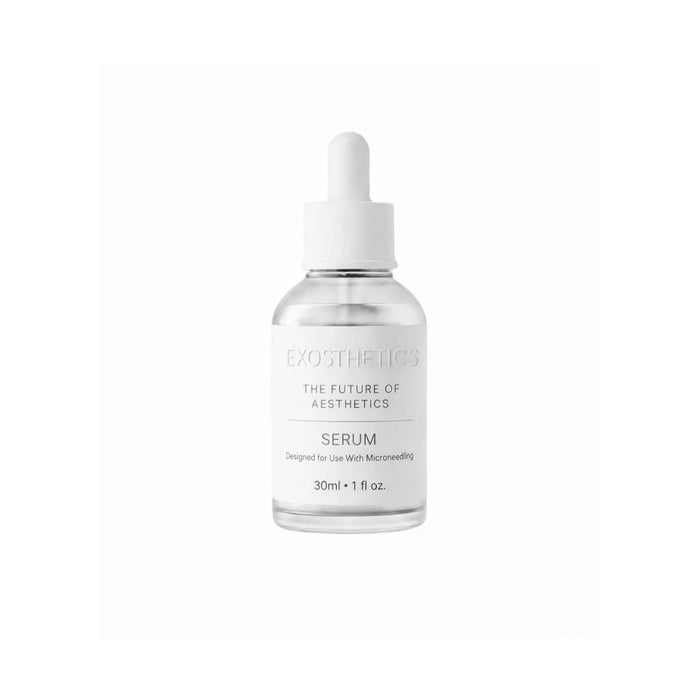

Microneedling face treatments have surged in popularity over the past decade, promising everything from a radiant "glass skin" glow to dramatic scar reduction and anti-aging results. But here is the truth that most articles will not tell you - the real story behind microneedling depends entirely on what type of device you are using, what problem you are trying to solve, and perhaps most critically, what happens after the needles leave your skin. Post-treatment care is not an afterthought. It is arguably half the equation. And yet, microneedling aftercare remains one of the most under-discussed and misunderstood aspects of the entire procedure.
In this comprehensive guide, we are going to walk through what microneedling actually does at the skin level, what science supports (and what it does not), what your face really looks like in those first anxious hours after treatment, and how to build a recovery protocol that protects your results rather than undermining them. Whether you are researching microneedling for the first time, sitting in the parking lot after your session Googling "is this redness normal," or trying to decide between a dermaroller, pen, or professional RF treatment, this article is designed to meet you exactly where you are.
A note on scientific integrity before we begin: every clinical claim in this article is supported exclusively by five peer-reviewed studies published in 2026. These studies primarily examine microneedles as delivery devices, microneedling radiofrequency for hidradenitis suppurativa, and advanced microneedle platforms for wound healing and transdermal therapeutics. They do not directly provide clinical evidence for cosmetic facial microneedling outcomes like acne scar grading, wrinkle depth reduction, or pore size minimization. Where evidence is strong, we will say so clearly. Where it is absent, we will say that too.
Microneedling Face - Definition, Types, and What Actually Counts as Microneedling
At its core, microneedling involves creating tiny, controlled punctures in the skin's surface. These punctures - called microchannels - serve two purposes depending on the device and clinical goal. First, they trigger a wound-healing cascade in the skin. Second, and this is where the science gets particularly interesting, they create temporary pathways that allow substances to reach deeper skin layers far more effectively than surface application alone.
Here is a breakdown of the major device categories you will encounter:
Cosmetic Rollers (Dermarollers): Handheld drums studded with fine needles, typically ranging from 0.25mm to 1.5mm. Rolled across the skin to create microchannels. The most accessible and affordable option, but also the least precise in terms of needle depth consistency and angle of penetration.
Microneedling Pens (Automated Devices): Electric or battery-powered devices with adjustable needle depth, often used by professionals. The needles move in a stamping motion rather than rolling, which allows more consistent vertical penetration and better control over treatment depth.
Microneedling Stamps: Manual devices with a flat array of needles pressed directly into the skin. Useful for targeted areas but require careful technique to ensure even pressure distribution.
RF Microneedling (Radiofrequency): Professional-grade devices that combine microneedles with thermal radiofrequency energy delivered at the needle tip. This adds a heat component to the mechanical micro-injury. In clinical settings, fractional microneedling radiofrequency has demonstrated real-world efficacy and safety across diverse anatomical sites for conditions like hidradenitis suppurativa (Safir et al., 2026).
Dissolving Microneedle Patches: These represent a fundamentally different approach. Rather than creating channels for topical products, dissolving microneedles are engineered to deposit their payload directly into the skin as the needle material dissolves. A three-layer dissolving microneedle patch design has been shown to enable localized tetracycline delivery for rapid-onset antimicrobial therapy in superficial skin infections (Chaiarwut et al., 2026). Similarly, dissolving microneedles have demonstrated effective transdermal delivery of vitamin B12, with the compound successfully crossing the skin barrier and reducing endothelial inflammation markers (Marwah et al., 2026).
Experimental "Smart" Microneedles: At the cutting edge, researchers are developing piezoelectric microneedle platforms capable of delivering engineered biological payloads - including exosomes loaded with specific microRNAs - directly into tissue. In a preclinical diabetic wound healing model, piezoelectric microneedles delivering engineered exosomes successfully modulated macrophage behavior and promoted tissue repair at the cellular level (Chen T et al., 2026). This technology remains in the research stage but represents the direction microneedle science is heading.
The broader landscape of microneedle delivery is expansive. A comprehensive 2026 review of topical and transdermal therapeutic platforms confirms that microneedle-based systems are among the most actively studied approaches for overcoming the skin barrier and achieving targeted delivery (Chen YR et al., 2026).

How Microneedling Works For Face
Think about your skin as a barrier - because that is exactly what it is. The outermost layer, the stratum corneum, functions as a remarkably effective gatekeeper. Most molecules applied to the skin surface simply sit there. They do not penetrate meaningfully into the layers where cellular activity, collagen production, and tissue remodeling actually occur.
Microneedling disrupts this barrier in a controlled way. Each needle creates a microchannel - a tiny pathway that temporarily bypasses the stratum corneum and provides direct access to the epidermis and, depending on needle depth, the upper dermis. This accomplishes two things simultaneously.
First, the physical act of creating these microchannels initiates a wound-healing response. Your body recognizes the micro-injuries and dispatches its repair machinery - growth factors, cytokines, and new collagen synthesis. This is the mechanism most often cited in cosmetic marketing, though we should note that quantified collagen induction data from cosmetic microneedling is not available in our allowed scientific sources.
Second - and this is the mechanism with the strongest evidence in current research - those microchannels dramatically improve the delivery of therapeutic substances into and through the skin. Dissolving microneedle patches have been shown to deposit tetracycline directly into targeted skin layers for antimicrobial therapy, with the three-layer patch design enabling controlled release kinetics (Chaiarwut et al., 2026). Separately, dissolving microneedles successfully delivered vitamin B12 transdermally - meaning the compound passed through the skin into systemic circulation - demonstrating that microneedles can overcome the barrier for molecules that would otherwise have minimal penetration (Marwah et al., 2026).
At the advanced end of the spectrum, piezoelectric microneedles have been used to deliver engineered exosomes carrying specific microRNA cargo into diabetic wound tissue, where those exosomes then modulated macrophage polarization and promoted healing through epigenetic mechanisms (Chen T et al., 2026). This demonstrates that microneedle delivery is not limited to small molecules - it can transport complex biological payloads to target tissues.
Now here is the insight that changes how you should think about your entire microneedling experience:
➡ If microneedles are specifically engineered to push substances INTO skin more effectively...
➡ Then anything applied to freshly microneedled skin has enhanced access to deeper layers...
➡ Which means aftercare product selection is not a cosmetic preference. It is a safety and efficacy consideration.
This logical chain is fully supported by the delivery science. The same microchannel mechanism that enables tetracycline to reach infection sites (Chaiarwut et al., 2026) and vitamin B12 to cross the dermal barrier (Marwah et al., 2026) means that whatever contacts your skin in the post-procedure window - whether it is a carefully formulated recovery serum or a fragrance-laden moisturizer you grabbed without thinking - has a significantly easier path into your tissue than it normally would. This is why what you put on your face after microneedling matters enormously, and it is the foundation of evidence-informed aftercare.
Don't guess your recovery. Download FREE Clinical Microneedling Protocol Here
What Microneedling Face Is Used For - Realistic Expectations vs. Overhyped Promises
What is plausible based on mechanism: Improving delivery of selected active ingredients into skin. Localized targeting of skin layers. Controlled superficial intervention that initiates wound-healing cascades. Enhanced bioavailability of compounds that do not penetrate well on their own.
What is directly supported by our allowed studies: Antimicrobial delivery for superficial skin infections via dissolving microneedle patches (Chaiarwut et al., 2026). Effective transdermal delivery of vitamin B12 with measurable reduction in endothelial inflammation markers (Marwah et al., 2026). Clinical efficacy and safety of RF microneedling in a real-world retrospective study of hidradenitis suppurativa across diverse anatomical sites - not facial cosmetic rejuvenation (Safir et al., 2026). Exosome delivery via piezoelectric microneedles that modulated macrophage behavior and promoted wound healing in a diabetic model, demonstrating that microneedle-delivered biologics can influence tissue repair at the cellular level in preclinical settings (Chen T et al., 2026). Broader confirmation that microneedle platforms are viable and actively researched delivery tools for topical and transdermal therapeutics (Chen YR et al., 2026).
⚠️ What is NOT directly supported by these sources: Specific percentage improvements in acne scar grading. Measurable fine line or wrinkle reduction from cosmetic microneedling. Melasma or hyperpigmentation clearance rates. Pore size reduction. The popular "collagen induction therapy" claim as applied to cosmetic facial treatments. Skin "glow" or radiance metrics.
This does not mean those outcomes are impossible. It means they are not quantified in the studies we are working with, and we refuse to invent numbers to make a more exciting article. Your provider may have access to additional clinical data from other published research to guide your treatment expectations.
Is Microneedling Good For Your Face?
The honest answer is: it depends entirely on the device, the clinical context, your skin condition, the hygiene standards of the treatment environment, and - critically - what you do in the hours and days afterward.
When microneedling may be a reasonable option: When performed in a clinical setting with sterile, single-use devices. When guided by a qualified provider who has assessed your skin type, concerns, and medical history. When combined with appropriate aftercare protocols. When your expectations are calibrated to realistic outcomes rather than social media transformation videos.
When it is likely a bad fit: When you have active skin infections, open wounds, or active inflammatory acne in the treatment area. When you cannot commit to proper aftercare and sun protection. When your goals are unrealistic for the technology being used. When you are considering DIY treatment with unsterile equipment and no clinical guidance.
In clinical disease contexts, the evidence is encouraging. Fractional microneedling radiofrequency demonstrated real-world efficacy and safety for hidradenitis suppurativa patients across diverse anatomical sites in a retrospective study (Safir et al., 2026). And the broader delivery science confirms that microneedle platforms are viable tools for getting therapeutic substances where they need to go (Chaiarwut et al., 2026; Marwah et al., 2026; Chen YR et al., 2026).
Perhaps most compellingly, the wound healing research shows that what is delivered through microneedles can actively direct healing outcomes - the exosome-loaded piezoelectric microneedles did not just create micro-injuries, they delivered cargo that changed how cells behaved during the repair process (Chen T et al., 2026). This suggests that the post-procedure recovery environment is not passive. It is an active variable in your results.
Explicit limitation: The blanket claim that microneedling is "good for wrinkles, scars, and aging skin" cannot be concluded from our allowed sources alone.

Can It Go Bad?
Yes. Any procedure that deliberately creates openings in your skin barrier carries risk when proper protocols are not followed. Here is what increases the likelihood of a bad outcome:
Hygiene failures: Reusing dermarollers without proper sterilization. Home devices that are not adequately cleaned between sessions. Non-clinical environments without appropriate infection control.
Treating compromised skin: Microneedling over active infections, open lesions, or severely inflamed skin can spread bacteria into deeper tissue layers and worsen existing conditions.
Over-treatment: Excessive frequency, unnecessarily deep needle settings, or too many passes in a single session can push past controlled micro-injury into actual tissue damage.
Inappropriate post-procedure products: This is the risk factor most people underestimate. The delivery science makes the case clearly - dissolving microneedles are specifically designed to exploit microchannel access for targeted compound delivery (Chaiarwut et al., 2026; Marwah et al., 2026). The same enhanced permeability that makes therapeutic delivery possible means that irritating, contaminated, or inappropriate substances also have dramatically increased access to deeper skin layers post-treatment.
Unprotected sun exposure: Freshly microneedled skin has a temporarily compromised barrier. UV exposure during this window increases the risk of hyperpigmentation and inflammatory responses.
🚩 Red Flags - Contact Your Provider Immediately If You Experience:
- Increasing pain beyond 48 hours post-treatment
- Spreading redness with clearly defined borders (may indicate infection)
- Pus, weeping, or discharge that worsens rather than improves
- Fever, chills, or general malaise
- Any reaction that feels like it is getting worse rather than better after the first 24 hours
⚠️ Do not self-treat suspected complications. Contact your treating clinician.
Can Microneedling Ruin Your Face?
"Ruin" is a strong word, but it is the question people actually search - so let us address it directly. Can microneedling cause lasting damage? In rare cases, yes - particularly when performed incorrectly, in non-clinical settings, with unsterile equipment, or without appropriate aftercare.
The research helps us understand why controlled conditions matter so much. Microneedle systems in clinical research are engineered with precise parameters - specific needle depths, controlled dissolution rates, calibrated payload delivery. The three-layer dissolving microneedle patch studied by Chaiarwut et al. (2026) was meticulously designed for controlled tetracycline release. The piezoelectric platform studied by Chen T et al. (2026) delivered exact microRNA cargo through engineered exosomes. These are precision instruments operating within defined parameters.
Consumer-grade dermarollers used at home without clinical oversight represent a significant gap from these controlled research conditions. The precision of engineered microneedle platforms highlights how much can go wrong when needle depth, angle, sterilization, and post-treatment protocols are not carefully controlled.
One particularly underappreciated risk factor is what contacts your skin after microneedling. The same delivery enhancement that makes microneedles effective therapeutic tools means post-procedure skin is temporarily more permeable. This is not the time for experimental products, fragranced formulations, or active ingredients your skin has not been cleared to receive. If a dissolving microneedle can push vitamin B12 through your skin barrier and into systemic circulation (Marwah et al., 2026), imagine what an irritating or comedogenic ingredient could do when applied to hundreds of open microchannels.
Evidence status: No direct facial cosmetic complication dataset exists in our allowed sources. The risk principles above are derived from the delivery mechanism evidence and general clinical reasoning.
Can Microneedling Scar Your Face?
The entire premise of cosmetic microneedling is controlled micro-injury - small enough to trigger repair, not large enough to cause scarring. But the line between "controlled" and "excessive" depends on several factors: needle depth, number of passes, skin type, healing capacity, and post-procedure care.
Factors that increase scarring risk include excessive needle depth for the treatment area, repeated aggressive passes over the same zone, a poor healing environment (infection, inappropriate products, sun damage), pre-existing conditions that impair wound healing, and untrained providers or DIY treatments without proper technique.
The wound healing research offers a relevant insight here. Chen T et al. (2026) demonstrated that healing trajectory can be actively influenced by what is delivered to tissue during the repair window - in their model, engineered exosomes shifted macrophage behavior from pro-inflammatory to pro-repair, changing how wounds healed at the cellular level. While this was a preclinical diabetic wound study and not a facial cosmetic context, the principle is worth noting: the healing environment is not predetermined. What you expose your skin to during recovery may genuinely influence whether micro-injuries resolve cleanly or leave lasting marks.
Evidence status: Facial scarring from cosmetic microneedling is not quantified in our allowed sources. The risk-reduction principles above are based on delivery mechanism evidence and wound healing biology.
Does Microneedling Face Hurt?
Pain perception varies significantly between individuals, treatment areas, needle depths, and device types. Most professional microneedling treatments are performed with topical numbing cream (typically lidocaine-based) applied 30 to 60 minutes before the procedure, which substantially reduces sensation for most patients.
Superficial treatments with shorter needles (0.25mm to 0.5mm) are generally described as mildly uncomfortable - a prickling or light scratching sensation. Deeper treatments (1.0mm to 1.5mm and beyond) can produce more significant discomfort, particularly in sensitive areas like the forehead, around the nose, and along the jawline. RF microneedling adds a heat component that some patients describe as a deep warming or brief stinging sensation at each pulse.
The Safir et al. (2026) study on fractional microneedling radiofrequency for hidradenitis suppurativa assessed safety across diverse anatomical sites, noting that the treatment was tolerable in a real-world clinical setting - though this was for a disease population, not facial cosmetic patients, and pain reporting specifics for cosmetic facial use cannot be extrapolated.
What most people wish they had known beforehand: the sound of the device can be more anxiety-inducing than the sensation itself. The vibration and clicking of automated pens, in particular, can feel jarring until you acclimate. Bony areas (forehead, nose bridge, cheekbones) tend to be more sensitive than fleshy areas (cheeks, chin).

Does Your Face Swell After Microneedling?
Mild to moderate swelling is a common and expected response in the first 24 to 72 hours following microneedling, particularly after deeper treatments. This is part of the normal inflammatory cascade your body initiates in response to micro-injury. You are essentially seeing your immune system's repair machinery mobilizing.
Swelling is typically most noticeable the morning after treatment, particularly around the eyes and along the cheekbones where tissue is thinner and fluid accumulates more readily. For most people, it resembles mild puffiness rather than dramatic swelling - think "morning after a salty meal" rather than "allergic reaction."
However, swelling that increases significantly after 48 hours, becomes asymmetric, or is accompanied by heat, spreading redness, or pain should be reported to your provider. These may indicate an inflammatory or infectious complication rather than a normal healing response.
What Does Your Face Look Like Right After Microneedling?
Immediately post-treatment, expect your face to look significantly red - often described as a moderate to intense sunburn. The redness is diffuse and covers the entire treated area. Some patients also experience pinpoint bleeding, particularly in areas where the skin is thinner or the needle depth was greater. Mild oozing of clear or slightly blood-tinged serum is normal in the first few hours.
By 6 to 12 hours post-treatment, the pinpoint bleeding should have stopped completely. Redness remains but may start to become more blotchy rather than uniform. Some patients notice their skin feels tight, warm, and mildly swollen.
By 24 hours, most patients describe a "moderate sunburn" appearance with some puffiness. Skin may feel rough or have a sandpaper-like texture as the micro-scabs from needle points begin to form.
By 48 to 72 hours, redness has typically faded significantly. Skin may begin to feel dry, flaky, or lightly peeling as the outermost micro-damaged layer sheds. This is normal and should not be picked at or exfoliated aggressively.
By day 5 to 7, most people can return to their normal appearance with makeup if desired (consult your provider on exact timing).
What is NOT normal: expanding areas of deep redness with sharp borders, increasing pain after the first 24 hours, any pus or yellow-green discharge, blistering, or streaking red lines extending from the treatment area. Any of these warrants immediate contact with your provider.
Microneedling Aftercare Products: What Is Safe on Open Microchannels
This is where the delivery science becomes directly relevant to your daily decisions. If microneedle technology is specifically engineered to enhance substance delivery into and through skin - and it demonstrably is (Chaiarwut et al., 2026; Marwah et al., 2026; Chen YR et al., 2026) - then what you apply to freshly microneedled skin has substantially greater access to deeper tissue layers than it normally would.
This means the post-procedure window is simultaneously your greatest opportunity and your greatest vulnerability. The right recovery products have enhanced delivery potential. The wrong ones do too.
Generally recommended in the first 24 to 48 hours: Hyaluronic acid serums (fragrance-free, minimal ingredients). Gentle, barrier-supporting moisturizers. Broad-spectrum mineral sunscreen (when going outdoors). Anything your treating provider has specifically cleared for post-procedure use.
Generally avoided in the first 48 to 72 hours: Retinoids and retinol. Vitamin C serums (particularly L-ascorbic acid at low pH). Alpha and beta hydroxy acids (AHA/BHA). Fragranced products. Essential oil-containing formulations. Alcohol-based toners or astringents. Any new product your skin has not been previously exposed to.
The exosome connection: The Chen T et al. (2026) study demonstrated that engineered exosomes delivered via microneedles could modulate macrophage behavior and promote tissue repair in a wound healing model. While this was a preclinical study using a sophisticated piezoelectric delivery platform rather than a topical application scenario, it establishes an important principle: biologically active substances delivered to micro-injured tissue during the repair window can influence healing outcomes at the cellular level. This supports the rationale for using carefully formulated, biologically compatible recovery products on post-microneedling skin - and for being extremely cautious about what contacts those open microchannels.
When Can You Wear Makeup After Microneedling?
Most providers recommend waiting a minimum of 24 hours before applying any makeup, with many advising 48 to 72 hours for deeper treatments. The reasoning is straightforward: microchannels remain partially open during this period, and makeup products - which often contain pigments, preservatives, fragrances, and binders not formulated for open-channel skin - have enhanced access to deeper tissue layers. For a detailed breakdown of timing and product safety, see our full guide on when to wear makeup after microneedling.
When you do return to makeup, consider starting with mineral-based formulations that tend to have shorter, simpler ingredient lists. Avoid products containing fragrance, alcohol, or strong preservatives for at least the first week. And ensure all application tools (brushes, sponges, fingers) are scrupulously clean - your skin's barrier function is still recovering.
Sun Exposure After Microneedling
This deserves its own section because it is one of the most critical safety considerations and one of the most commonly violated aftercare instructions. Post-microneedling skin has a temporarily compromised barrier, increased sensitivity, and heightened susceptibility to UV-induced damage and pigmentation changes.
For a minimum of 7 to 14 days post-treatment, rigorous sun protection is essential. This means broad-spectrum SPF 30 or higher mineral sunscreen (zinc oxide or titanium dioxide-based formulations are generally preferred over chemical sunscreens in the immediate post-treatment period), physical barriers like wide-brimmed hats, and genuine avoidance of prolonged direct sun exposure - not just "wearing sunscreen to the beach."
Patients with deeper skin tones (Fitzpatrick types IV through VI) should discuss post-inflammatory hyperpigmentation risk with their provider before treatment and may need extended sun protection protocols.
Can Microneedling Lift Face?
The short answer: microneedling alone is not a lifting procedure. It does not mechanically tighten or reposition sagging tissue the way surgical facelifts, thread lifts, or focused ultrasound treatments do. If anyone is marketing standard microneedling as a "non-surgical facelift," be skeptical.
RF microneedling has a somewhat more plausible connection to skin tightening due to the thermal energy component, which can cause collagen contraction and stimulate neocollagenesis in the dermis. The Safir et al. (2026) study examined RF microneedling for hidradenitis suppurativa and demonstrated clinical efficacy across anatomical sites, but this was a disease treatment context rather than cosmetic lifting assessment.
If skin tightening or lifting is your primary goal, discuss dedicated tightening technologies with your provider rather than expecting microneedling to accomplish this as a primary outcome.
Face Microneedling Interval
Treatment spacing matters because your skin needs adequate time to complete its healing and remodeling cycle between sessions. Treating too frequently can push skin into a chronic inflammatory state rather than a productive repair cycle.
Common clinical intervals for facial microneedling range from 4 to 6 weeks between sessions for moderate-depth treatments, though this varies based on needle depth, individual healing response, treatment goals, and your provider's clinical protocol. Some superficial treatments may be repeated more frequently, while deeper treatments or RF microneedling sessions may require longer intervals. For a deeper look at optimal scheduling, read our guide on how often you should microneedle.
The Safir et al. (2026) RF microneedling study for hidradenitis suppurativa utilized specific treatment intervals as part of the clinical protocol, demonstrating that even in a disease-treatment context, appropriate spacing between sessions is a standard component of protocol design. Treatment was delivered across diverse anatomical sites, with the study noting that treatment parameters including session frequency should be tailored to the treatment area and clinical response.
More sessions is not always better. Discuss a defined treatment plan with your provider rather than pursuing open-ended monthly treatments indefinitely.
Microneedling Face Downtime
Downtime depends significantly on the depth and type of treatment. Here is a general timeline, though individual experiences vary:
Superficial treatments (0.25mm to 0.5mm): Minimal downtime. Redness typically resolves within 12 to 24 hours. Most people can return to normal activities same day or next day.
Moderate treatments (0.5mm to 1.0mm): Expect 1 to 3 days of visible redness, mild swelling, and skin sensitivity. Social downtime of 2 to 3 days is typical.
Deeper treatments (1.0mm to 2.0mm) and RF microneedling: Plan for 3 to 7 days of recovery. Redness, swelling, potential peeling and flaking. You may want to schedule these treatments before a weekend or quiet period. For a full recovery breakdown, check our guide on how long microneedling takes to heal.
The most important thing to understand about downtime: it is not wasted time. It is the period during which your skin is actively repairing and remodeling. Rushing through it, applying makeup too early, skipping sun protection, or using irritating products to "speed up" recovery can undermine the very results you are trying to achieve.
Microneedling On Face Side Effects
Common and expected (not concerning): Redness lasting 24 to 72 hours. Mild swelling, especially around the eyes. Skin tightness and dryness. Mild flaking or peeling starting around day 3 to 5. Temporary sensitivity to products that normally feel fine.
Less common but possible: Pinpoint bruising, especially in patients on blood thinners or with sensitive vasculature. Temporary worsening of breakouts (purging). Itching during the healing phase. Patchy redness that resolves unevenly.
Uncommon and requiring clinical attention: Infection (increasing redness, warmth, pus, fever). Post-inflammatory hyperpigmentation, particularly in darker skin tones. Prolonged redness beyond 7 to 10 days. Scarring from excessive depth or poor technique. Allergic reaction to products applied post-treatment - this risk is elevated due to enhanced permeability of microneedled skin.
Note that safety has been formally assessed in clinical contexts. The Safir et al. (2026) real-world retrospective study demonstrated safety of fractional microneedling radiofrequency in a disease population across diverse anatomical sites. However, complication rates from this study should not be directly extrapolated to cosmetic facial microneedling, as the patient population, treatment parameters, and clinical context differ.
Microneedling Face vs Body: Does Location Matter?
Yes, treatment location matters - and this is supported by the clinical evidence. The Safir et al. (2026) study specifically examined fractional microneedling radiofrequency outcomes across diverse anatomical sites and found that treatment was delivered with clinical efficacy across these different locations. This is significant because skin thickness, vascularity, collagen density, and healing capacity vary substantially between body regions.
Facial skin is generally thinner and more vascular than body skin, which means it responds differently to the same needle depth. A 1.5mm treatment on the cheeks creates a different clinical situation than 1.5mm on the upper back or thighs. Microneedling is also used on other body areas like the arms and even for cellulite. Facial skin tends to heal faster due to its rich blood supply, but is more susceptible to visible side effects like prolonged redness and hyperpigmentation.
Treatment parameters - needle depth, energy levels for RF devices, number of passes, and aftercare protocols - should be adjusted based on anatomical location rather than applying a one-size-fits-all approach.
How Exosomes Relate to Microneedling Recovery
Exosomes are one of the most discussed emerging topics in skincare and aesthetic recovery, and the science behind them is genuinely fascinating - though it is important to distinguish between what has been demonstrated in research and what is being marketed commercially.
Exosomes are tiny extracellular vesicles that cells release to communicate with other cells. They carry cargo - proteins, lipids, and nucleic acids including microRNAs - that can influence the behavior of recipient cells. Think of them as biological delivery packages that cells use to send instructions to their neighbors.
The most relevant study for understanding the exosome-microneedling connection comes from Chen T et al. (2026), who engineered exosomes loaded with a specific microRNA (miR-493-5p) and delivered them via piezoelectric microneedles into diabetic wound tissue. The results demonstrated that these delivered exosomes successfully modulated macrophage behavior - specifically shifting macrophages from a pro-inflammatory state to a pro-repair phenotype through epigenetic mechanisms. This promoted wound healing in the diabetic model.
What makes this relevant to microneedling recovery is the demonstrated principle: biologically active vesicles delivered to micro-injured tissue during the repair window can actively influence how that tissue heals. The exosomes did not just sit passively on the wound surface - they entered cells, changed gene expression patterns, and redirected the healing process at a fundamental level (Chen T et al., 2026).
How To Do Face Microneedling At Home
Home microneedling occupies a fundamentally different safety and efficacy category than professional treatment. The research we have reviewed involves precisely engineered devices with controlled parameters in clinical or laboratory settings (Chaiarwut et al., 2026; Chen T et al., 2026; Safir et al., 2026). Consumer dermarollers and home-use pens operate outside these controlled conditions. For a step-by-step walkthrough, see our detailed guide on how to microneedle your face.
If you are going to do home microneedling despite the limitations, here are the principles that minimize risk:
Stay shallow. Home use should generally not exceed 0.25mm to 0.5mm. Deeper depths require professional training to manage safely. Use single-use or properly sterilized devices - never share devices, and replace roller heads according to manufacturer guidelines. Start with clean, bare skin - no makeup, sunscreen, or serums before needling unless specifically directed by a protocol. Apply only approved products post-treatment, recognizing that your skin's permeability is temporarily enhanced. Never microneedle over active acne, open wounds, rashes, or sunburned skin. Maintain strict hygiene throughout the process.
The enhanced delivery principle applies here as well. If clinical microneedle systems are proven to deliver substances through the skin barrier (Marwah et al., 2026), then even shallow home microneedling increases what your skin absorbs. This is not just an opportunity - it is a responsibility. Know exactly what is in every product you apply post-treatment.
Dermaroller 1.5 Face
A 1.5mm dermaroller represents a relatively deep home-use device, and many dermatologists would argue this depth should be reserved for professional settings. At 1.5mm, needles penetrate well into the dermis, creating more significant micro-injury and substantially increasing both the healing response and the risk of complications.
Potential issues with 1.5mm home rolling include inconsistent depth due to variable hand pressure and rolling technique, increased bleeding and trauma, higher infection risk in non-sterile home environments, prolonged redness and downtime, and greater potential for scarring with incorrect technique.
If you are considering this depth, a professional treatment with a calibrated pen device - where depth is precisely controlled - offers significantly more safety and consistency than a manual roller.
Dermaroller 1mm Face
A 1.0mm dermaroller sits at the boundary between what is sometimes considered advanced home use and what many providers would prefer to perform in-office. At this depth, needles reach the upper dermis, and the treatment produces visible redness, potential pinpoint bleeding, and meaningful microchannel creation.
If used at home, all the safety principles discussed above apply with extra emphasis: single-use or meticulously sterilized device, clean skin, clean hands, controlled pressure, and extremely careful post-treatment product selection given that 1.0mm channels provide substantial access to deeper skin layers.
Dermaroller Face Before And After
Realistic expectations for before-and-after progression depend heavily on what you are treating, how many sessions you complete, and how well you manage aftercare. What you should realistically expect to see over a treatment course is gradual, incremental change - not a single-session transformation.
In the immediate "after" period (days 1 to 7), your skin will look worse before it looks better. Redness, swelling, dryness, and peeling are part of the process, not signs that something went wrong. The "glowing" results typically emerge in weeks 2 to 4 after a session as the skin completes its remodeling cycle.
Be cautious of dramatic before-and-after photos that do not account for differences in lighting, makeup, photo angle, camera distance, skincare routine changes, or time elapsed. The most trustworthy progress documentation uses consistent photography conditions across each time point.
How Long Does Microneedling Last On Your Face
The longevity of results depends on what outcome you are measuring and what maintenance you provide. If microneedling contributes to improved product absorption during the post-treatment window - a principle well-supported by the delivery science (Chaiarwut et al., 2026; Marwah et al., 2026) - then the benefits of enhanced delivery are inherently temporary, lasting only as long as the microchannels remain open (typically hours to a few days).
For structural changes associated with the wound-healing response (improved texture, potential collagen remodeling), results are often described as lasting 3 to 6 months before maintenance treatments are recommended. However, this timeline is not quantified in our allowed sources and should be discussed with your treating provider based on their clinical experience and broader published evidence.
What does affect longevity regardless: consistent sun protection, appropriate daily skincare, overall health status, and realistic expectations about what maintenance looks like. Some patients also wonder whether microneedling results are permanent - the answer depends heavily on the condition being treated and your ongoing skin care habits.
How To Microneedle Face With Pen
Professional microneedling pens offer the most controlled home-adjacent experience, though many pen devices are intended for professional use only. If your provider has recommended a home pen device at appropriate settings, general technique principles include:
Set the prescribed needle depth - do not exceed what your provider recommends. Hold the pen perpendicular (90 degrees) to the skin surface. Move the device in straight lines - do not arc or angle the path. Use gentle, consistent pressure - the device's own needle action does the work. Treat each area with 2 to 4 passes, typically in different directions (vertical, then horizontal). Avoid lingering or repeatedly treating one spot. Be especially gentle around the eye area, nose, and lips where skin is thinner.
How To Microneedle Face With Roller
Dermaroller technique requires more attention to angle and pressure because the rolling motion creates needles that enter the skin at varying angles. For the most consistent results, roll in one direction at a time using light, even pressure. Cover each area with 4 to 8 rolls in each direction - vertical, horizontal, and both diagonals. Lift and reposition the roller at the end of each stroke rather than rolling back and forth. Never apply excessive pressure - the weight of the roller itself should provide sufficient force for shallow depths. Avoid rolling across the orbital bone directly around the eye.
How To Microneedle Face With Stamp
Stamps offer the most targeted treatment option. Press the stamp firmly and evenly into the skin, then lift straight up without dragging. Reposition slightly overlapping each stamp placement to ensure even coverage. Stamps are particularly useful for small, specific areas like individual acne scars, the upper lip, or around the nose where rollers and pens can be difficult to maneuver.
The advantage of stamping is that needles enter and exit the skin vertically, creating clean microchannels. The disadvantage is that coverage is slower and achieving even treatment across larger areas requires patience and consistent technique.
Should I Get A Facial Before Microneedling
This depends on what type of facial and how far in advance. A gentle, non-exfoliating hydrating facial 7 to 14 days before microneedling is generally fine and may help ensure your skin is in good baseline condition. However, facials involving chemical peels, aggressive exfoliation, extractions, or sensitizing treatments should be avoided for at least 2 weeks before microneedling to prevent treating already-compromised skin.
Immediately before treatment, your skin should be clean, calm, and free of active irritation. Your provider will cleanse and prep the treatment area as part of their protocol. For a full checklist on what to do before microneedling, take time to plan your pre-treatment routine carefully.
What Do You Put On Your Face When Microneedling
During the actual procedure, providers typically apply a hyaluronic acid serum or designated glide product to reduce friction and enhance needle movement across the skin. Some protocols incorporate specific serums intended for delivery into the microchannels during treatment.
The choice of what goes on your skin during microneedling is not cosmetic - it is clinical. The delivery evidence makes this clear: dissolving microneedle systems are specifically engineered to deposit payloads through the skin barrier (Chaiarwut et al., 2026), and transdermal delivery studies confirm that microchannels significantly enhance absorption (Marwah et al., 2026). Whatever is on your skin surface during and immediately after treatment has preferential access to your deeper tissue layers.
This is why professional treatments use specifically selected, medical-grade serums - and why applying random products from your bathroom shelf during or immediately after home microneedling is a meaningfully different risk profile.
Frequently Asked Questions
How long does redness last after microneedling?
Most redness resolves within 24 to 72 hours for moderate treatments, though deeper sessions or RF microneedling may produce redness lasting up to 5 to 7 days. Persistent redness beyond 10 days should be evaluated by your provider.
Can I wash my face after microneedling?
Most providers recommend waiting at least 6 to 12 hours before gently cleansing with a mild, fragrance-free cleanser and lukewarm water. Avoid scrubbing, exfoliating cleansers, or hot water for at least 72 hours. For specific timing guidance, see our article on when to wash your face after microneedling.
Is it normal to break out after microneedling?
Mild breakouts or "purging" in the days following treatment can occur as the skin's turnover accelerates and microchannels heal. However, breakouts that worsen significantly, become painful, or show signs of infection should be assessed by your provider.
When can I wear makeup after microneedling?
Most providers recommend waiting a minimum of 24 to 48 hours, with 72 hours being ideal for deeper treatments. Post-microneedling skin has enhanced permeability, so makeup ingredients have greater access to deeper layers than usual during this window.
Can I use vitamin C serum after microneedling?
Most providers advise waiting 48 to 72 hours before applying vitamin C serums, particularly L-ascorbic acid formulations at low pH, which can cause significant irritation on freshly microneedled skin. Ask your provider for specific timing based on your treatment depth.
How many microneedling sessions do I need?
Treatment courses vary widely based on the concern being addressed, but 3 to 6 sessions spaced 4 to 6 weeks apart is a common professional recommendation. Your provider should establish a defined treatment plan rather than open-ended indefinite sessions. For more on frequency, read our guide on how often you can microneedle your face.
Can I microneedle at home safely?
Home microneedling with shallow-depth devices (0.25mm to 0.5mm) carries lower risk than deeper treatments but still requires strict hygiene, single-use or properly sterilized devices, and careful post-treatment product selection. Depths beyond 0.5mm are best performed by trained professionals.
What should I absolutely NOT put on my face after microneedling?
Avoid retinoids, AHAs, BHAs, fragranced products, alcohol-based toners, and any new or untested products for at least 48 to 72 hours. The enhanced skin permeability from microchannels means irritants and allergens have significantly greater access to deeper tissue layers (Chaiarwut et al., 2026; Marwah et al., 2026).
Is microneedling safe for dark skin tones?
Microneedling can be performed on darker skin tones, but post-inflammatory hyperpigmentation risk is higher in Fitzpatrick skin types IV through VI. Discuss this risk with your provider, who may adjust treatment depth, recommend specific aftercare protocols, and emphasize extended sun protection.
What is the difference between microneedling and RF microneedling?
Standard microneedling creates mechanical micro-injuries only, while RF microneedling adds radiofrequency thermal energy delivered at the needle tip. RF microneedling has demonstrated real-world clinical efficacy and safety in a disease-treatment context across diverse anatomical sites (Safir et al., 2026) and is generally considered a more intensive treatment option.
References
Chaiarwut S, Choipang C, Ngamplang P, Supaphol P. Effervescent-Assisted Dissolving Microneedle Array Patches for Localized Tetracycline Delivery: A Three-Layer Design for Rapid-Onset Antimicrobial Therapy in Superficial Skin Infections. ACS Omega. 2026;11(6):10814-10827. doi:10.1021/acsomega.5c13276. PMID: 41726641.
Safir A, Taleb E, Berzin D, Arieli M, Liassidou A, Shehadeh W, Hafner A, Artzi O. Fractional Microneedling Radiofrequency for Hidradenitis Suppurativa: A Real-World Retrospective Study Demonstrating Clinical Efficacy and Safety Across Diverse Anatomical Sites. J Cosmet Dermatol. 2026;25(3):e70748. doi:10.1111/jocd.70748. PMID: 41732823.
Chen T, Ouyang L, Mi B, Sheng Y, Al-Smadi F, Xu H, Wu Y, Zhang X, Zhou K, Wu A, Wang X, Liu G, Zhang W. MicroRNA-493-5p Engineered Exosomes Delivered via Piezoelectric Microneedles for Epigenetic Modulation of Macrophages in Diabetic Wound Healing. Mater Today Bio. 2026;37:102931. doi:10.1016/j.mtbio.2026.102931. PMID: 41769385.
Marwah M, Jumbo E, Balakrishnan P, Sanchez-Aranguren L, Shokr H, Marwah S, Siddiqi H, Hindalekar YS, Kainth R, Babaei P, Junaid S. Dissolving Microneedles Enable Effective Transdermal Delivery of Vitamin B12 and Reduce Endothelial Inflammation. J Pharm Sci. 2026;104238. doi:10.1016/j.xphs.2026.104238. PMID: 41794175.
Chen YR, Wang R, Lin Y, Cheng Y, Wang HS. Metal-Organic Frameworks for Topical and Transdermal Therapeutics. J Control Release. 2026;114803. doi:10.1016/j.jconrel.2026.114803. PMID: 41796875.

The first week
Everything in this guide, in two products
Exosome Serum for the night of. 72-Hour+ Cream from day three. $99 together — and you can add Ceramide Repair, the day-7 step, for $35 instead of $49.
See the Kit — $99