
Here's a question worth answering honestly rather than optimistically: does chemical peel remove pigmentation, or does it just fade it temporarily? The truth sits somewhere in the middle, and understanding exactly where can save you months of frustration and hundreds of dollars. Among all the skin concerns people bring to dermatologists, hyperpigmentation is one of the most stubborn - and one of the most misunderstood. Dark spots, melasma patches, and post-acne marks all fall under the same umbrella, but they don't all respond to peels the same way. Let's break down what chemical peels genuinely can and cannot do for pigmented skin.
What Is a Chemical Peel for Pigmentation?
The simple definition: a chemical peel is a controlled application of an acid solution to the skin that removes damaged outer layers, forcing the skin to regenerate fresh, more evenly toned cells in their place. When the goal is pigmentation, the peel targets the layers where excess melanin has accumulated - either in the epidermis (superficial pigment) or deeper in the dermis (stubborn, long-standing pigment).
Peels come in three depths, and depth matters enormously:
→ Superficial peels (glycolic acid, lactic acid, mandelic acid, low-strength salicylic acid) exfoliate only the outermost epidermis. Minimal downtime, gentle, but they require a series of sessions.
→ Medium-depth peels (TCA at 20-35%, Jessner's solution) reach into the upper dermis. More dramatic results, real peeling for 5-10 days, and a higher risk profile.
→ Deep peels (phenol, high-strength TCA) penetrate significantly into the dermis. These are serious medical procedures reserved for severe cases and are rarely the first choice for pigmentation alone.
Here's the key mental model: a chemical peel doesn't "bleach" pigment. It removes pigmented cells and disrupts the machinery that keeps overproducing melanin. That distinction explains almost everything about why results vary from person to person.
How Do Chemical Peels Treat Hyperpigmentation?
The mechanism, in plain language: hyperpigmentation happens when melanocytes - your pigment-producing cells - go into overdrive after a trigger like sun exposure, acne, hormonal shifts, or skin injury. The excess melanin gets deposited into surrounding skin cells, creating visible dark patches.
Chemical peels attack this problem on three fronts:
→ Accelerated exfoliation: pigmented keratinocytes in the upper layers are shed faster than they would be naturally, physically removing visible pigment.
→ Melanin dispersion: acids like glycolic acid help break up clumped melanin so it's distributed more evenly rather than concentrated in dark patches.
→ Cell turnover reset: the controlled injury signals the skin to build a fresher, more organized epidermis, which often comes back with more uniform tone.
Why this matters for your expectations: because peels work by removing and renewing layers, pigment that lives shallow in the skin responds quickly, while pigment that has dropped deep into the dermis responds slowly - or barely at all without combination treatment. This is also why one peel almost never finishes the job. Most protocols involve a series of 3-6 superficial peels spaced two to four weeks apart, or one to two medium-depth peels with proper recovery time between them.
Is a Chemical Peel Good for Pigmentation?
Short answer: yes - for the right type of pigmentation, at the right depth, on the right skin type, with the right aftercare. That's a lot of qualifiers, and every one of them matters.
Where peels perform best:
→ Superficial sun spots and mottled sun damage
→ Post-acne dark marks (post-inflammatory hyperpigmentation) that are relatively recent
→ Overall dullness and uneven tone
→ Epidermal melasma, when managed carefully alongside strict sun protection
Where peels struggle: dermal pigmentation, long-standing melasma with a deep component, and pigment in skin that keeps being triggered (ongoing acne, ongoing sun exposure, hormonal drivers that haven't been addressed).

Skin tone is a genuine consideration, not a footnote. Research on the characteristics and management of Asian skin has highlighted that individuals with darker or more melanin-rich skin types are more prone to pigmentary disorders such as melasma and post-inflammatory hyperpigmentation, and that treatments involving controlled skin injury need to be approached more conservatively in these patients to avoid triggering the very pigmentation you're trying to treat (Chan et al., 2019). In practice, this means darker skin types generally do better with gentler, superficial peels performed in a longer series, rather than aggressive medium or deep peels.
Does a Chemical Peel Get Rid of Pigmentation?
The honest framing: a chemical peel can get rid of the pigment currently sitting in your skin. What it cannot do is guarantee that new pigment won't form. Think of it like weeding a garden - the peel pulls the visible weeds, but if the conditions that grew them remain (sun exposure, inflammation, hormones), they can grow back.
What "getting rid of it" realistically looks like: after a properly performed series of peels, most people see a 40-70% improvement in superficial pigmentation, with some achieving near-complete clearance of individual dark spots. Sun spots and post-acne marks tend to clear more completely than melasma, which is notoriously recurrent.
Pro tip: the patients who get the most complete, lasting clearance are almost always the ones who treat the peel as one part of a system - daily SPF 50, pigment-inhibiting skincare between sessions, and trigger management - rather than a standalone fix.
Can a Chemical Peel Remove Pigmentation?
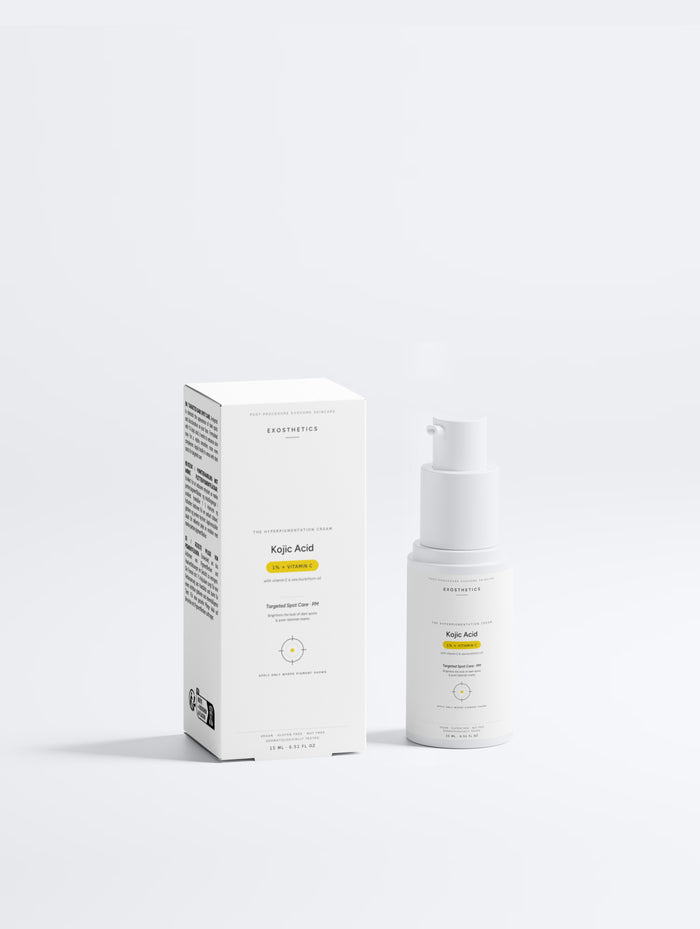
Yes, with an important asterisk on the word "remove." Removal happens in layers, both literally and figuratively. Each peel removes a portion of the pigmented tissue. Shallow pigment might be fully removed in two or three sessions. Deeper pigment requires either more sessions, a deeper peel, or combination approaches such as peels plus topical tyrosinase inhibitors (like azelaic acid, kojic acid, or prescription hydroquinone under medical supervision).
Factors that determine whether removal is achievable:
→ Pigment depth: epidermal pigment removes well; dermal pigment resists peels
→ Pigment age: a six-month-old acne mark clears far faster than a ten-year-old sun spot
→ Your skin type: deeper skin tones need slower, gentler protocols
→ The underlying cause: hormonal melasma will keep returning if only the surface is treated
→ Your aftercare discipline: a single unprotected beach day can undo weeks of progress
A useful test your provider may use: a Wood's lamp examination can help estimate whether your pigment is epidermal or dermal before you commit to a treatment plan. Ask about it at your consultation.
Does a Chemical Peel Reduce Pigmentation?
This is the claim peels can make with the most confidence. Even when complete removal isn't achievable - as with mixed-depth melasma - a well-designed peel series reliably reduces the intensity, size, and visibility of pigmented areas. For many people, "reduced to the point where concealer is optional" is a genuinely life-changing outcome, even if it isn't technically "gone."
Between-peel maintenance amplifies reduction. Low-strength at-home exfoliation keeps cell turnover elevated between professional sessions. A well-formulated glycolic acid for hyperpigmentation used two to three nights per week (never in the immediate post-peel window - more on that below) helps prevent pigment from re-accumulating while you wait for your next session.
Realistic reduction timeline:
→ After 1 peel: brighter tone, subtle softening of dark areas
→ After 2-3 peels: visible lightening of discrete spots, more even overall tone
→ After 4-6 peels: significant reduction; many superficial spots fully cleared
→ Ongoing: maintenance peels every 2-3 months plus daily SPF to hold results

Does a Chemical Peel Remove Pigmentation on the Face?
Good news: the face is actually the best-responding area of the body for chemical peels. Facial skin has a rich blood supply and a high density of pilosebaceous units (hair follicles and oil glands), which means it heals faster and regenerates more reliably than skin on the body. This is why the same peel that's routine on the face requires far more caution on the neck, chest, or hands.
Facial zones respond differently, though:
→ Cheeks and forehead: typically respond well and evenly
→ Around the eyes: thin, delicate skin - treated cautiously with lower strengths
→ Around the mouth and jawline: hormonally influenced pigment here can be more stubborn
→ Nose: thicker, oilier skin that sometimes needs an extra pass or session
One caution worth repeating: facial skin is also the most sun-exposed skin you own. Any facial peel result is rented, not owned, unless daily broad-spectrum sunscreen becomes non-negotiable. During the day post-peel, pairing SPF with a calming, barrier-supportive product like a daily defense moisturiser helps keep newly revealed skin comfortable and protected while it matures.
Does a Chemical Peel Remove Hyperpigmentation Around the Mouth?
Perioral pigmentation deserves its own conversation because it behaves differently from pigment elsewhere on the face. Darkness around the mouth is frequently multifactorial: hormonal influences, friction from face masks and constant lip licking, irritation from toothpaste or lip products, and post-inflammatory marks from perioral dermatitis or waxing.
Can peels help here? Yes - but strategy matters:
→ Identify the trigger first. If a whitening toothpaste or a lip balm ingredient is causing low-grade irritation, peeling the area without removing the trigger is a treadmill you'll never step off.
→ Choose gentler acids. The perioral zone is mobile and prone to irritation, so lactic acid, mandelic acid, or low-strength glycolic peels are usually preferred over aggressive TCA in this area.
→ Expect a longer series. Because the area is constantly moving, stretching, and exposed to food, saliva, and friction, results build more slowly - often 4-6 sessions rather than 2-3.
Important note for deeper skin tones: the perioral area is one of the highest-risk zones for rebound pigmentation in melanin-rich skin, so conservative treatment is especially important here (Chan et al., 2019).
Does a Chemical Peel Remove Lip Pigmentation?
The lips themselves are a special case. Lip skin (the vermilion) lacks the same structure as facial skin - it's thinner, has no oil glands, and heals differently. Standard facial peels are not designed to be applied directly to the lips, and doing so carries real risks of burns, prolonged healing, and paradoxical darkening.
What actually works for dark lips:
→ Specialized lip peels formulated at very low strengths, performed by experienced providers
→ Addressing causes: smoking, chronic lip licking, sun exposure (yes, lips get sun damage), and irritating lip products are the most common drivers
→ Daily lip SPF - possibly the most overlooked step in all of lip care
Bottom line for lips: a chemical peel can lighten pigmentation on the lip border and the skin surrounding the lips, but true lip pigmentation is better managed with cause-correction, lip-specific formulations, and in some cases laser treatments. Don't let anyone apply a standard facial peel directly to your lips.

Does a Chemical Peel Remove Dark Spots on the Face?
Discrete dark spots are the sweet spot for chemical peels. Individual sun spots (solar lentigines) and isolated post-acne marks sit predominantly in the epidermis, which puts them squarely within reach of superficial and medium-depth peels.
What to expect with dark spot treatment:
→ The spot may darken first. This surprises people every time. In the days after a peel, treated spots often turn darker and slightly crusty before they flake away. This is the pigment lifting to the surface - don't panic, and absolutely don't pick.
→ Flaking reveals lighter skin. As the pigmented layer sheds around days 3-7, the spot beneath appears noticeably lighter.
→ Repeat as needed. Older, darker spots may need 2-4 rounds to clear fully.
Pro tip: photograph your spots in consistent lighting before your first peel and after each session. Pigment fades gradually, and week-to-week you may not notice change that becomes obvious when you compare photos taken six weeks apart. This also helps your provider adjust strength and frequency intelligently.
Does a Chemical Peel Remove Post-Inflammatory Hyperpigmentation?
Post-inflammatory hyperpigmentation (PIH) - the flat dark marks left behind after acne, bug bites, burns, or any skin injury - is one of the most common reasons people seek peels, and one of the most treatable, with caveats.
What works in peels' favor with PIH: most PIH is epidermal and relatively recent, making it highly responsive to superficial peel series, particularly glycolic and salicylic acid peels. Salicylic acid has the added benefit of treating active acne at the same time, which addresses the root cause.
What works against you: PIH exists because your skin responds to inflammation by producing pigment - and a chemical peel is, by design, a controlled inflammatory event. If the peel is too strong for your skin, you can trade one set of dark marks for another. This risk is meaningfully higher in melanin-rich skin, where the pigmentary response to injury is more pronounced; dermatological literature on Asian skin specifically emphasizes that PIH is among the most common complications of resurfacing procedures in these skin types, and that lower concentrations and longer treatment intervals substantially reduce that risk (Chan et al., 2019).
The golden rules for treating PIH with peels:
→ Start lower in strength than you think you need
→ Prep the skin for 2-4 weeks beforehand with a tyrosinase-inhibiting routine if your provider recommends it
→ Never peel over active, inflamed breakouts without professional guidance
→ Treat sun protection as part of the treatment, not an accessory to it
Does a TCA Peel Remove Hyperpigmentation?
TCA (trichloroacetic acid) is the workhorse of medium-depth peeling, and yes - it's one of the most effective single treatments available for moderate to significant hyperpigmentation. At concentrations of 15-35%, TCA penetrates through the epidermis into the upper dermis, reaching pigment that superficial peels simply can't touch.
What TCA does well:
→ Clears stubborn sun spots that resisted glycolic peels
→ Improves mixed epidermal-dermal pigmentation
→ Delivers noticeable results in one to two sessions rather than six
→ Can be spot-applied at higher strengths to individual lesions
What TCA demands in return: real downtime. Expect 5-10 days of visible peeling, redness, and social awkwardness. The skin will darken, tighten, crack, and shed in sheets. This is normal and necessary - but it means TCA is a commitment, not a lunchtime treatment.
The skin tone caveat, one more time: TCA's depth is exactly what makes it riskier for Fitzpatrick skin types IV-VI. The deeper the injury, the greater the inflammatory response, and the higher the chance of rebound PIH in melanin-rich skin. Many experienced providers treating darker skin tones prefer repeated superficial peels or very low-strength TCA over a single aggressive session (Chan et al., 2019). If you have deeper skin and a provider proposes 35% TCA at your first visit, get a second opinion.

Aftercare: The Part That Actually Determines Your Result
Here's the truth nobody puts on the treatment menu: two people can receive the identical peel from the identical provider and get completely different results based entirely on what they do in the following two weeks. Aftercare isn't the boring appendix to the treatment - it IS the treatment's second half.
The First 72 Hours
Your skin is in acute recovery mode. The barrier is compromised, water loss is elevated, and inflammation is active. The mission is simple: protect, hydrate, calm. Use a gentle non-foaming cleanser, lukewarm water only, and a rich, purpose-built recovery product - something like the 72 hour cream is designed specifically for this immediate post-treatment window, when ordinary moisturizers can sting or fall short.
Absolute don'ts in this window:
→ No actives - no retinoids, no vitamin C, no exfoliating acids
→ No picking or peeling flakes off manually (this is how PIH scars are born)
→ No direct sun, saunas, hot yoga, or intense sweating
→ No makeup until the surface has re-epithelialized (usually day 3-5 for superficial peels)
Days 4-14: Rebuilding Phase
Support the regeneration, don't rush it. This is where regenerative skincare earns its place. Many providers now incorporate an exosome serum into post-peel protocols - exosomes are cell-derived signaling vesicles used to support the skin's natural repair processes during the recovery window, applied to clean skin before your moisturizer. At night, a barrier-focused formula such as a ceramide barrier night cream helps replenish the lipids your skin lost during the peeling process.
Week 3 and Beyond: Maintenance Mode
Once your skin has fully recovered and your provider gives the green light, gentle at-home exfoliation with glycolic acid can resume, keeping turnover elevated and pigment dispersed between professional sessions. Reintroduce one active at a time, two to three nights per week, and always buffered with moisturizer if your skin is still sensitive.
Does a Chemical Peel Remove Pigmentation Permanently?
This is the question underneath all the other questions, so let's answer it precisely. A chemical peel permanently removes the specific pigmented cells it treats. Those exact melanin deposits, once shed, are gone. In that narrow sense - yes, the removal is permanent.
But your melanocytes don't retire. They remain in your skin, fully capable of producing new pigment whenever they're triggered. Whether your results last for decades or fade within months depends on the type of pigmentation and how well you manage its triggers:
→ Sun spots: often permanently cleared - as long as sun protection prevents new ones from forming in the same sun-damaged skin
→ Post-inflammatory hyperpigmentation: typically cleared for good, provided the original inflammation (acne, eczema, injury) doesn't recur in the same spot
→ Melasma: the honest answer is that melasma is managed, not cured. Peels can dramatically lighten it, but hormonal and UV triggers mean recurrence is common without ongoing maintenance
The permanence formula, simplified: peel results + daily SPF + trigger management + maintenance routine = lasting clearance. Remove any one of those variables and pigment finds its way back. The peel opens the door; your habits decide whether it stays open.
When to See a Dermatologist First
Not every dark patch should go straight to a peel. Book a professional evaluation before treatment if any of these apply:
→ A pigmented spot that is new, changing shape, has irregular borders, or shows multiple colors - these need to be examined to rule out skin cancer before any cosmetic treatment
→ Pigmentation appearing alongside other symptoms (itching, bleeding, rapid spread)
→ Suspected melasma, which benefits from a proper diagnosis and combination plan rather than peels alone
→ A history of keloid scarring, cold sores (peels can trigger flares without antiviral cover), or recent isotretinoin use
→ Deeper skin tones considering medium-depth peels - an experienced provider familiar with melanin-rich skin makes a measurable difference in safety and outcomes (Chan et al., 2019)
Frequently Asked Questions
How many chemical peels does it take to remove pigmentation?
Most people need 3-6 superficial peels spaced 2-4 weeks apart for visible pigment clearance, or 1-2 medium-depth TCA peels. Recent, superficial pigment clears faster than old, deep pigment. Your provider should reassess after every session and adjust the plan.
Why did my dark spots look worse after my chemical peel?
Temporary darkening is a normal part of the process - pigment lifts to the surface before it flakes away, usually within 3-7 days. However, darkening that persists beyond two weeks may be post-inflammatory hyperpigmentation from the peel itself. Contact your provider if darkness lingers or the skin remains inflamed.
Can I do a chemical peel at home for pigmentation?
Low-strength at-home acids (under 10% glycolic, under 2% salicylic) are safe for gradual maintenance, but true professional-strength peels should never be self-administered. The risk of burns and rebound pigmentation rises sharply with concentration. Use at-home acids between professional sessions, not instead of proper assessment.
Is a chemical peel safe for dark skin tones?
Yes, when performed conservatively - superficial peels at lower concentrations with longer intervals are the standard approach for melanin-rich skin. Deeper peels carry a higher risk of post-inflammatory hyperpigmentation in darker skin types (Chan et al., 2019). Choose a provider experienced in treating your specific skin tone.
How soon after a peel can I use retinol or vitamin C?
Wait until all peeling has finished and the skin feels fully calm - typically 7-14 days for superficial peels and 2-3 weeks for medium-depth peels. Reintroduce one active at a time, starting two to three nights per week. Rushing actives back is one of the fastest ways to trigger irritation and new pigment.
Will pigmentation come back after a chemical peel?
The pigment that was removed is gone, but new pigment can form if triggers persist - UV exposure, hormones, or recurring inflammation. Daily SPF 30-50 and a maintenance routine are what keep results long-term. Melasma in particular requires ongoing management rather than a one-time fix.
The Bottom Line
So - does a chemical peel remove pigmentation? Yes, genuinely and measurably, for epidermal pigment like sun spots, post-acne marks, and surface-level melasma - typically over a series of treatments rather than a single session. The removal of treated pigment is permanent, but the potential for new pigment never is, which is why sunscreen and maintenance decide whether your results last years or weeks.
Three things to take with you:
→ Match the peel depth to your pigment depth and your skin tone - conservative wins, especially for melanin-rich skin
→ Aftercare is half the treatment: protect the barrier in the first 72 hours, support repair in weeks 1-2, maintain with gentle acids afterward
→ Persistent, recurring, or suspicious pigmentation deserves a dermatologist's eyes before an aesthetician's acid
Treated thoughtfully, hyperpigmentation is one of the most solvable skin concerns there is. It just rewards patience and punishes shortcuts.
References
Chan IL, Cohen S, da Cunha MG, Maluf LC. Characteristics and management of Asian skin. International Journal of Dermatology. 2019 Feb;58(2):131-143. doi: 10.1111/ijd.14153.

The first week
Everything in this guide, in two products
Exosome Serum for the night of. 72-Hour+ Cream from day three. $99 together, ships from the US — arrives before it gets bad.
See the Kit — $99Table of Contents

Glycolic Acid for Hyperpigmentation