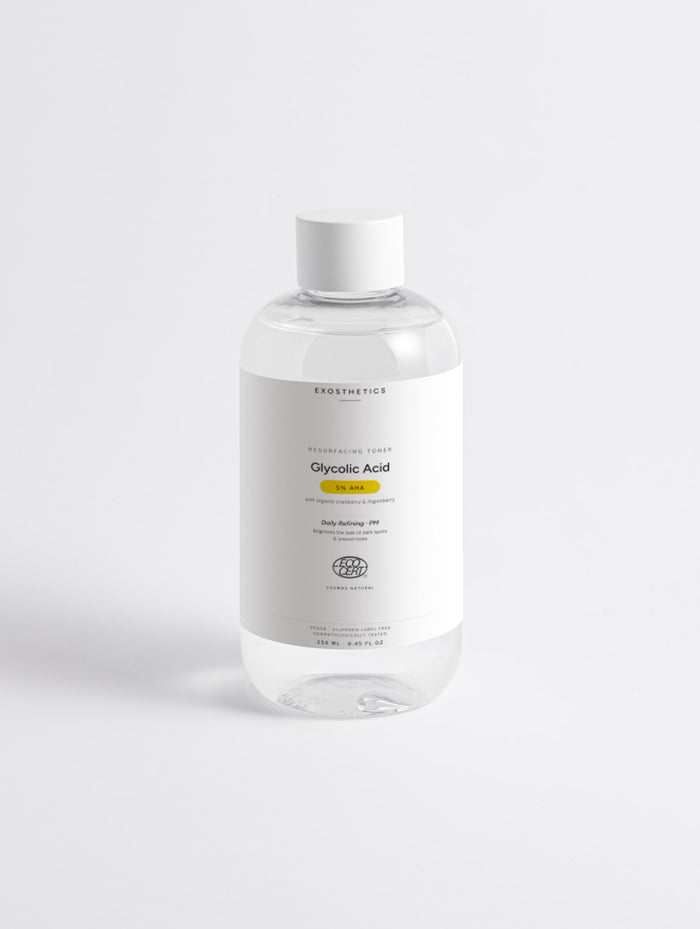

Here's something most people get wrong: dark underarms have almost nothing to do with hygiene. Dermatologists classify them as a pigmentary or epidermal condition - one of the most common yet least-discussed skin concerns out there. The good news? There are genuinely effective treatments for dark underarms and hyperpigmentation, backed by clinical research rather than kitchen-cupboard folklore. In this guide, we'll unpack what actually causes underarm hyperpigmentation, which ingredients and procedures work, and - just as importantly - how to recover from treatment without triggering the rebound darkening that undoes so many people's results.
What Causes Dark Underarms?
The short answer: your underarms live a hard life. They're a warm, occluded fold of skin that gets shaved, waxed, rubbed by clothing, coated in deodorant, and sweated on daily. Every one of those insults can trigger the skin's pigment-producing cells to overproduce melanin. Layer on hormonal and metabolic factors, and you have a perfect storm for darkening in the axilla (the medical term for the armpit).
Why Are My Armpits Dark?
The most common culprits fall into a few buckets:
→ Chronic friction - tight sleeves, sports bras, and skin-on-skin rubbing
→ Hair removal trauma - shaving, waxing, and plucking all inflame follicles
→ Irritant or allergic reactions - fragrances and aluminum salts in deodorants
→ Acanthosis nigricans - a velvety thickening linked to hormones and insulin
→ Post-inflammatory hyperpigmentation (PIH) - the skin's pigment "scar" after any irritation
Worth knowing: a few look-alike conditions need completely different treatment - erythrasma (a bacterial infection that fluoresces coral-red under a Wood's lamp), contact dermatitis, and frictional melanosis. This is one reason a proper diagnosis beats guessing.
Dark Underarms and Hyperpigmentation Explained
The mechanism is simple: when underarm skin is inflamed - by a razor, a harsh scrub, or an irritating product - melanocytes respond by producing extra pigment. That pigment gets deposited in the skin and lingers long after the inflammation fades. In deeper skin tones (Fitzpatrick types IV-VI), melanocytes are more reactive, which is why darker-skinned patients are both more prone to hyperpigmentation and more vulnerable to aggressive treatments making it worse (Saedi & Ganesan, 2013).

Acanthosis Nigricans in the Armpits
This one is different, and it matters. Acanthosis nigricans isn't just extra pigment - it's a thickening of the epidermis itself, producing dark, velvety, slightly raised skin in body folds. It's strongly associated with insulin resistance, obesity, polycystic ovary syndrome, and certain medications. Topical treatments can visibly improve it: a randomized trial comparing tretinoin 0.05% with 70% glycolic acid peeling in axillary and neck acanthosis nigricans found both approaches effective, with tretinoin performing particularly well (Ghiasi et al., 2024). A 2025 systematic review of randomized controlled trials likewise confirmed that topical agents can meaningfully improve acanthosis nigricans lesions (Alamri et al., 2025).
⚠️ Screening callout: if your underarm darkening is velvety and thickened, see a physician before booking cosmetic treatment. Managing the underlying metabolic cause is step one - otherwise the darkening tends to return.
Does Shaving Cause Dark Underarms?
Yes - in two ways. First, shaving creates micro-abrasions and follicular irritation that trigger PIH over time. Second, shaving only cuts hair at the surface, so dark stubble sitting just under translucent skin creates a shadowed, grey-blue appearance that reads as "dark underarms" even when pigment is normal. Switching to gentler removal methods, sharp blades, and proper lubrication reduces both problems.
Do Deodorants Cause Dark Armpits?
They can contribute. Fragrances, alcohol, and certain aluminum compounds cause low-grade irritant dermatitis in many people - and chronic low-grade irritation is exactly the kind of trigger that drives pigment production. If your darkening came with itching, stinging, or redness after applying product, a formulation swap to a fragrance-free, sensitive-skin deodorant is one of the highest-impact changes you can make.
Dark Underarms and Insulin Resistance
The connection is real and well established. Elevated insulin levels stimulate skin cell and pigment activity in body folds, which is why acanthosis nigricans is considered a visible marker of insulin resistance and prediabetes. If dark, velvety patches appeared in your armpits, neck, or groin - especially alongside weight changes or a family history of diabetes - ask your doctor about metabolic screening. Treating the insulin resistance often softens the skin changes from the inside out.
Dark Underarms During Pregnancy
Blame the hormones, not yourself. Pregnancy hormones ramp up melanocyte activity body-wide - it's the same process behind the linea nigra and melasma. Underarm darkening during pregnancy is common, harmless, and frequently fades in the months after delivery. Stick to gentle, pregnancy-safe care (azelaic acid and niacinamide are generally considered acceptable - confirm with your obstetrician) and avoid retinoids and hydroquinone entirely while pregnant or breastfeeding.

Are Dark Underarms Normal?
Completely. Some degree of darkening in body folds is a normal variation, particularly in medium and deep skin tones where folds naturally carry more pigment. There is nothing medically wrong with having darker underarms, and treating them is a personal cosmetic choice - not a health requirement. The exception is new, rapidly changing, or velvety-thickened darkening, which deserves a medical look.
Are Dark Underarms Permanent?
Usually not. Post-inflammatory hyperpigmentation sits in skin layers that turn over and can be treated. Even acanthosis nigricans responds to topical therapy and metabolic management (Alamri et al., 2025). What makes darkening feel permanent is an ongoing trigger - daily shaving, friction, or an irritating deodorant - constantly re-depositing pigment faster than your treatment can clear it.
Do Dark Underarms Go Away on Their Own?
Sometimes, slowly. Mild PIH can fade over 6-24 months if you remove the trigger completely. But most people are unknowingly re-triggering it several times a week, which is why "waiting it out" rarely works in practice. Active treatment compresses that timeline dramatically.
When to See a Dermatologist for Dark Underarms?
Book an appointment if you notice any of the following:
→ Velvety, thickened texture (possible acanthosis nigricans - warrants metabolic screening)
→ Sudden or rapidly spreading darkening
→ Itching, scaling, or odor (possible erythrasma or dermatitis, which need different treatment)
→ No improvement after 12 weeks of consistent over-the-counter care
→ Darkening that appeared after laser hair removal or another procedure
How to Get Rid of Dark Underarms?
The winning formula has three parts, in this order: remove the trigger, treat the pigment, protect the result. Most people skip straight to step two, keep shaving daily with the same irritating routine, and then conclude the cream "didn't work." Fix the cause first and everything downstream works better.
How to Lighten Dark Armpits Fast?
Honest answer: pigment doesn't do "fast." The quickest visible wins come from stopping the shadow effect (switch from shaving to trimming or laser), calming active irritation, and light chemical exfoliation. Realistic timelines are 8-12 weeks for topicals and 4-6 sessions for professional treatments. Anything promising overnight whitening is either irritating your skin (making things worse long-term) or simply not true.
Home Remedies for Dark Underarms
Let's clear the air on the internet's favorite fixes. Most viral underarm remedies range from useless to actively harmful, and the harm usually shows up as - you guessed it - more hyperpigmentation.
Does Baking Soda Lighten Underarms?
No - and it can make things worse. Baking soda is highly alkaline, while healthy skin sits at a mildly acidic pH. Scrubbing it into a delicate fold disrupts the skin barrier, invites irritation, and irritation drives pigment. There is no mechanism by which baking soda breaks down melanin. Skip it.

Does Lemon Work for Dark Armpits?
Also no. Lemon juice contains vitamin C, but in an unstable, highly acidic, irritating form - alongside furocoumarins that can cause phytophotodermatitis, a chemical reaction with light that produces burns and dramatic dark patches. Applying lemon to freshly shaved underarms is one of the most reliable ways to create the very hyperpigmentation you're trying to remove. If you want vitamin C, use a properly formulated serum.
Exfoliating to Lighten Dark Underarms
This one actually helps - if done gently. Chemical exfoliation with lactic or glycolic acid a few times weekly speeds the turnover of pigmented cells. What doesn't help: aggressive physical scrubbing, loofahs, and pumice, which cause frictional melanosis - literally darkening from rubbing. Pro tip: if your exfoliation stings, burns, or leaves the area red for hours, it's too strong for this zone. The axilla needs roughly half the intensity you'd use on your legs.
Best Creams for Dark Underarms
The best cream is a two-part system: an active that addresses pigment plus a barrier-supporting moisturizer that keeps the area calm enough to tolerate the active. Skipping the second half is the most common reason underarm routines fail - irritated skin pigments faster than actives can lighten it. A ceramide-rich formula like a ceramide barrier night cream layered over your treatment product keeps the fold hydrated and resilient while the actives do their work.
Best Ingredients for Underarm Hyperpigmentation
Your evidence-informed shortlist:
→ Niacinamide - blocks pigment transfer, calms irritation
→ Azelaic acid - gentle tyrosinase inhibitor, great for sensitive folds
→ Kojic acid - fungal-derived pigment inhibitor
→ Glycolic and lactic acid - exfoliating alpha-hydroxy acids
→ Tranexamic acid - newer topical with a strong reputation for stubborn PIH
→ Retinoids - accelerate turnover and normalize thickened skin

Niacinamide for Dark Underarms
The gentle workhorse. Niacinamide (vitamin B3) at 4-5% interferes with the transfer of pigment from melanocytes into surrounding skin cells while simultaneously strengthening the barrier and reducing irritation. That double action makes it arguably the single best starting ingredient for underarms - effective enough to matter, gentle enough for daily use in a sweaty fold.
Vitamin C for Underarm Hyperpigmentation
Good brightener, tricky location. Stabilized vitamin C derivatives (like sodium ascorbyl phosphate or tetrahexyldecyl ascorbate) inhibit melanin production and add antioxidant protection. Pure L-ascorbic acid at low pH can sting in the axilla, so derivatives are usually the smarter choice here. Apply to clean, dry skin and let it absorb fully before deodorant.
Kojic Acid for Dark Armpits
A solid pigment inhibitor with one caveat: kojic acid (typically 1-2% in creams and soaps) blocks the tyrosinase enzyme that drives melanin synthesis, but it can sensitize some users with prolonged use. Patch test first, use it in cycles rather than indefinitely, and pair it with niacinamide for a well-rounded effect.
Glycolic Acid for Dark Underarms
Backed by trial data in this exact body area. Glycolic acid dissolves the bonds holding pigmented dead cells at the surface, and in professional-strength peel form it has been directly tested against tretinoin for axillary acanthosis nigricans, with both treatments producing meaningful improvement (Ghiasi et al., 2024). At home, stick to 5-10% lotions two to three nights a week - the fold amplifies penetration, so less is more.
Retinoids for Underarm Hyperpigmentation
Powerful, especially for thickened skin. Tretinoin 0.05% showed strong results in randomized trial conditions for axillary lesions (Ghiasi et al., 2024), and topical retinoid therapy features prominently in the broader evidence base for acanthosis nigricans (Alamri et al., 2025). Start with two nights weekly, buffer with moisturizer, and expect an adjustment period. Over-the-counter retinal or retinol works as a gentler entry point.
Hydroquinone for Dark Underarms
Effective but supervision-only. Hydroquinone remains a benchmark pigment-suppressing agent, but in occluded folds it carries a real risk of irritation and - with prolonged unsupervised use - a paradoxical bluish-grey darkening called exogenous ochronosis. In darker skin tones especially, treatment choices need careful tailoring to avoid trading one pigment problem for another (Saedi & Ganesan, 2013). Use it only under dermatologist guidance, typically in 8-12 week cycles.
Best Deodorant for Dark Underarms
Look for what's NOT in it: fragrance, alcohol, and baking soda are the big three irritants. Gentle aluminum-free formulas or sensitive-skin antiperspirants suit most people. Some newer deodorants include niacinamide or mild AHAs, which can quietly support your brightening routine with every application. If a deodorant ever stings on application, that sting is tomorrow's pigment - switch products.
Professional Treatments for Dark Underarms
When topicals plateau, the clinic takes over. In-office treatments deliver stronger, controlled results - but in the underarm, technique and skin-tone-appropriate settings matter enormously, because an overly aggressive treatment in this reactive zone can cause the exact darkening you came in to fix (Saedi & Ganesan, 2013).
Chemical Peels for Underarm Hyperpigmentation
The best-studied in-office option for this area. Professional glycolic acid peels (up to 70% in trial settings) have demonstrated real improvement in axillary darkening from acanthosis nigricans (Ghiasi et al., 2024). Milder lactic acid and mandelic acid peels are popular choices for PIH in deeper skin tones because they lighten with less inflammatory risk. Expect a series of 4-6 sessions spaced a few weeks apart.
Laser Treatment for Dark Underarms
Two jobs, one device category. Lasers help in two ways: pigment-targeting lasers (like Q-switched Nd:YAG) break down excess melanin, while hair-removal lasers eliminate the stubble shadow and the daily shaving trauma feeding your PIH. For darker skin tones, the long-pulsed Nd:YAG has been shown to remove hair safely and effectively in Fitzpatrick types IV-VI (Rao & Sankar, 2011). Intense pulsed light has also been studied for axillary hair in dark-skinned patients, with outcomes depending heavily on the wavelengths and pulse settings used (Lee et al., 2006) - which is exactly why choosing a provider experienced with your skin tone is non-negotiable. Done wrong, laser hair removal is itself a leading cause of underarm PIH; done right, it removes the root cause of it.
Microneedling for Underarm Hyperpigmentation
The dark horse option. Microneedling creates controlled micro-channels that stimulate remodeling and enhance the penetration of brightening actives - useful for textured, thickened darkening. It's typically combined with topical agents and performed in a series. Aftercare is everything here: the underarm's warmth and friction make post-procedure barrier support especially important, and many providers now pair sessions with regenerative topicals to keep the healing phase calm and quick.
The Recovery Phase: Where Results Are Won or Lost
This is the part almost every article skips - and it's the part that decides your outcome. The underarm heals differently from the face: it's occluded, moist, and constantly rubbed. After a peel, laser, or microneedling session, that friction-heavy environment means inflamed skin can rebound-darken if you don't actively protect it - a risk that's highest in Fitzpatrick IV-VI skin.
Your post-procedure playbook:
→ Pause all actives - retinoids, AHAs, and vitamin C stay off the area until your provider clears them (usually 5-7 days)
→ Support the barrier immediately - a dedicated recovery product like The 72 Hour Cream in the first few days keeps the treated skin hydrated and comfortable through the most reactive window
→ Consider regenerative support - an exosome serum can be a smart addition to post-treatment routines, supporting the look and feel of skin during recovery and helping the area stay calm while it renews
→ Hold the deodorant - typically 48-72 hours, per your provider's instructions
→ No shaving for 1-2 weeks, loose clothing, and skip friction-heavy workouts for at least 48 hours
🚩 Red flags: blistering, oozing, crusting, spreading darkness, or significant pain after a treatment are not normal recovery - contact your provider promptly.
How to Prevent Dark Underarms?
Prevention is trigger management:
→ Replace daily shaving with trimming, or invest in skin-tone-appropriate laser hair removal
→ Use fragrance-free deodorant and switch immediately if anything stings
→ Choose breathable fabrics and avoid persistently tight sleeves and straps
→ Keep the area moisturized - a calming daily formula such as a daily defense moisturiser reduces the low-grade irritation that quietly feeds pigment
→ Apply SPF if the area sees sun (sleeveless summers count)
→ If acanthosis nigricans was diagnosed, stay on top of the metabolic side with your physician
How Long Does It Take to Lighten Dark Underarms?
Set your expectations by pathway: topical routines typically show first improvement at 4-6 weeks and meaningful change at 8-12 weeks. Professional treatments usually deliver visible progress over a series of 4-6 sessions across 2-4 months. Deep or long-standing pigment in darker skin tones sits at the longer end. Consistency beats intensity every single time - doubling up on actives to "speed things up" is the fastest route backwards.
Dark Underarms Before and After Results
What realistic success looks like: significant evening of tone, softening of texture, and reduced shadow - not porcelain-white skin that's lighter than the rest of your body. Clinical trials in this area measure improvement in graded severity scores, not total erasure (Ghiasi et al., 2024). Be skeptical of dramatic before-and-after photos with different lighting, angles, or arm positions - the axilla is notoriously easy to photograph deceptively.
How Much Does Underarm Whitening Treatment Cost?
Ballpark figures (varying by region and provider): quality over-the-counter routines run $30-100 upfront. Professional chemical peels typically cost $100-300 per session, laser treatments $150-400 per session, and microneedling $200-500 per session - with most protocols requiring 4-6 sessions plus occasional maintenance. Factor recovery products and a good deodorant swap into the budget; they're cheap insurance on an expensive investment.
Frequently Asked Questions
Why did my underarms get darker after laser hair removal?
Laser treatment can trigger post-inflammatory hyperpigmentation, especially in darker skin tones treated with unsuitable settings. Devices like long-pulsed Nd:YAG are considered safer choices for Fitzpatrick IV-VI skin (Rao & Sankar, 2011). This darkening is usually temporary and treatable - see your provider to adjust the plan.
When can I use deodorant again after a peel or laser session?
Most providers recommend waiting 48-72 hours before reapplying deodorant. Restart with a fragrance-free, alcohol-free formula to avoid stinging freshly treated skin. Always follow your specific provider's aftercare instructions.
When can I shave again after treatment?
Wait 1-2 weeks, or until all redness and sensitivity have fully resolved. Shaving too soon re-inflames healing skin and can trigger rebound darkening. Trimming is a safe interim option.
How many sessions until dark underarms improve?
Most professional protocols involve 4-6 sessions of peels, laser, or microneedling spaced several weeks apart. Visible improvement often begins after the second or third session. Topical routines need 8-12 weeks of consistent use.
Is underarm treatment safe for dark skin tones?
Yes, when performed with skin-tone-appropriate methods and settings. Darker skin requires gentler peels, conservative laser parameters, and diligent aftercare to avoid rebound pigmentation (Saedi & Ganesan, 2013). Choose a provider experienced with Fitzpatrick IV-VI skin.
Will dark underarms come back after treatment?
They can if the original trigger continues - daily shaving, friction, irritating deodorant, or unmanaged insulin resistance. Ongoing prevention and occasional maintenance treatments keep results stable. Think management, not one-time cure.
Do exosome serums help skin recover after underarm treatments?
Exosome serums are cosmetic products designed to support the skin's appearance and comfort during post-procedure recovery. Many providers incorporate them after peels, laser, and microneedling to help skin look calm and hydrated while it renews. They support recovery - they are not a treatment for hyperpigmentation itself.
Dark underarms and diabetes - should I get tested?
If your underarm darkening is velvety and thickened, it may be acanthosis nigricans, which is associated with insulin resistance and prediabetes. A simple blood test can check your metabolic health. Ask your doctor - early detection is genuinely valuable.
References
Ghiasi M, Samii R, Tootoonchi N, Balighi K, Heidari S. Comparison of efficacy and safety of tretinoin 0.05% and glycolic acid peeling 70% in axillary and neck lesions of acanthosis nigricans: A single-blinded, randomized trial. J Cosmet Dermatol. 2024;23(6):2090-2096. doi:10.1111/jocd.16224
Alamri A, Alraddadi RA, Alzahrani D, Abualola AH, Maaddawi HA, Alharthy RF, Alkhashan AY, Ashqan MY, Shaheen EA, Almahdi B, Althobaiti HM. The efficacy of topical treatments for acanthosis nigricans: a systematic review of randomized controlled trials. Front Med (Lausanne). 2025;12:1641322. doi:10.3389/fmed.2025.1641322
Saedi N, Ganesan AK. Treating hyperpigmentation in darker-skinned patients. J Drugs Dermatol. 2013;12(5):563-567.
Rao K, Sankar TK. Long-pulsed Nd:YAG laser-assisted hair removal in Fitzpatrick skin types IV-VI. Lasers Med Sci. 2011;26(5):623-626. doi:10.1007/s10103-011-0922-1
Hee Lee J, Huh CH, Yoon HJ, Cho KH, Chung JH. Photo-epilation results of axillary hair in dark-skinned patients by intense pulsed light: comparison between different wavelengths and pulse width. Dermatol Surg. 2006;32(2):234-240. doi:10.1111/j.1524-4725.2006.32034.x

The first week
Everything in this guide, in two products
Exosome Serum for the night of. 72-Hour+ Cream from day three. $99 together, ships from the US — arrives before it gets bad.
See the Kit — $99Table of Contents

Targeted 1% kojic acid for the look of dark spots.